

Myrmelachista catharinae
- Scientific Name
- Myrmelachista catharinae
- Tribe
- Myrmelachistini
- Subfamily
- Formicinae
- Author
- Mayr, 1887
- Distribution
- Found in 3 countries
Myrmelachista catharinae Overview
Myrmelachista catharinae is an ant species of the genus Myrmelachista. It is primarily documented in 3 countries , including Argentina, Brazil, Paraguay. Detailed taxonomic data and occurrence records can be further explored via authoritative databases such as AntWeb or the Global Biodiversity Information Facility (GBIF).
Myrmelachista catharinae
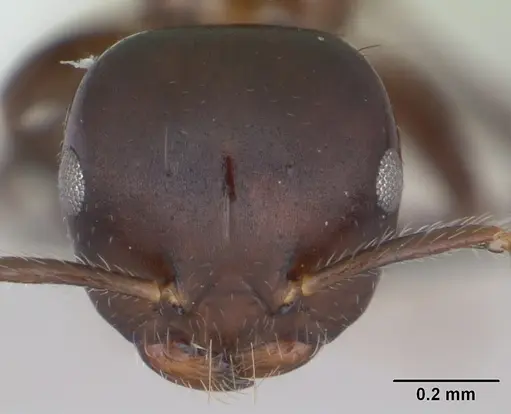
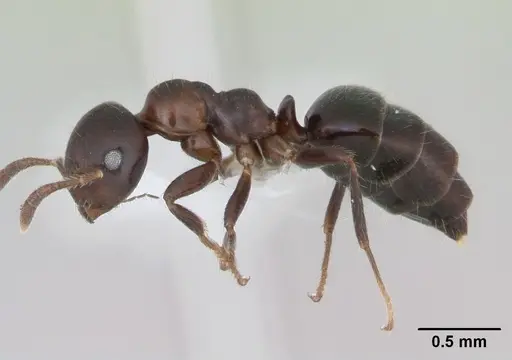
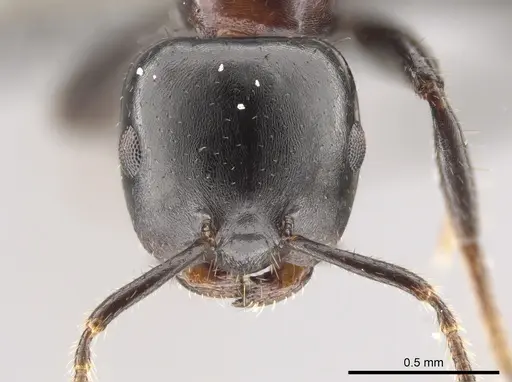
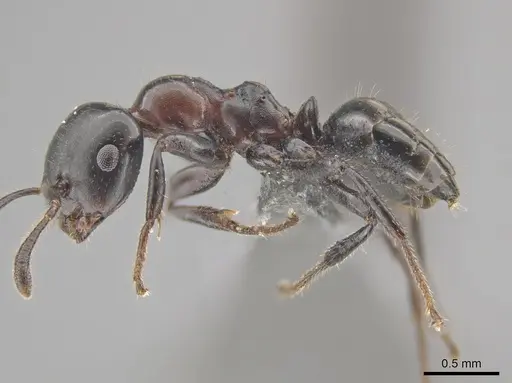
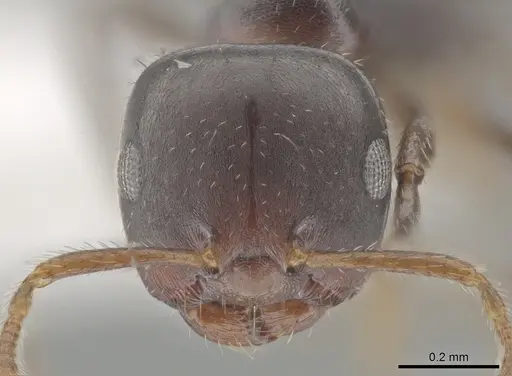
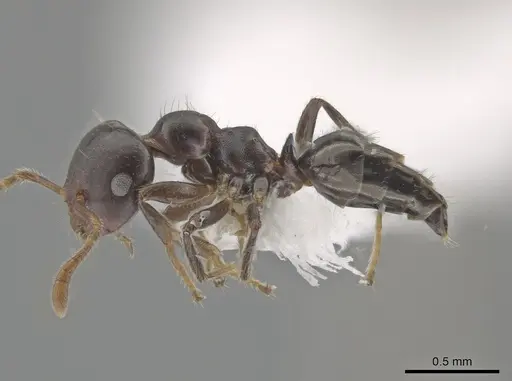
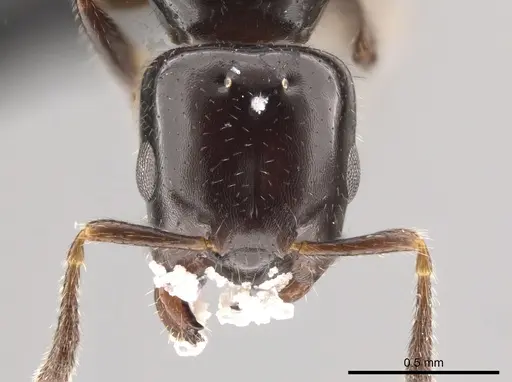
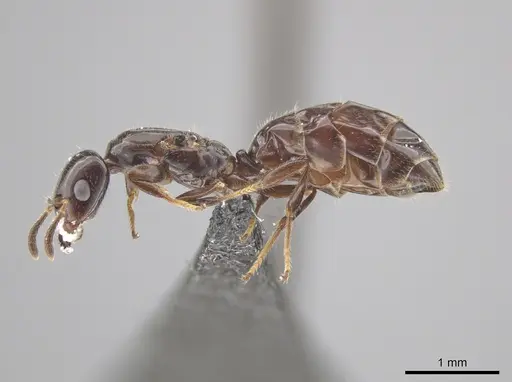
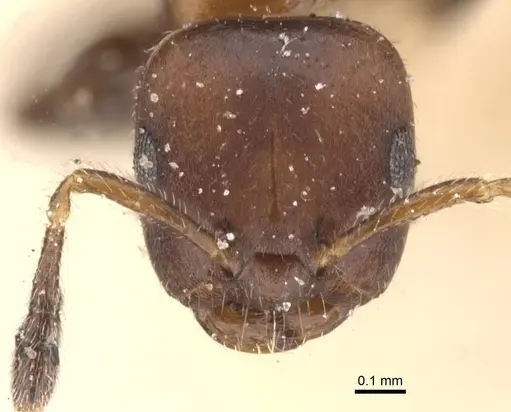
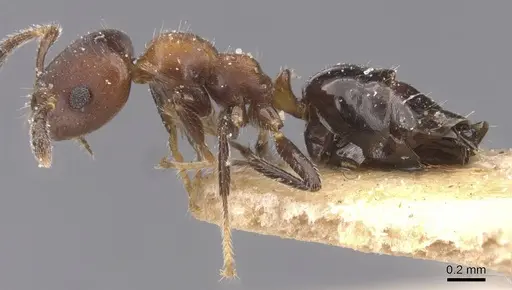
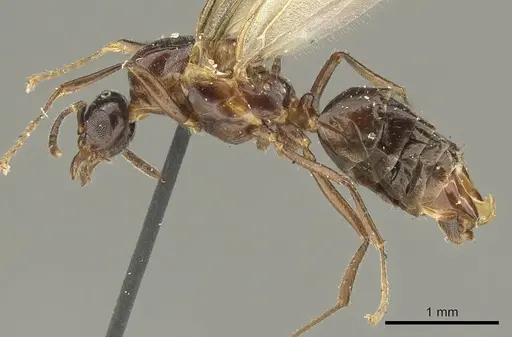
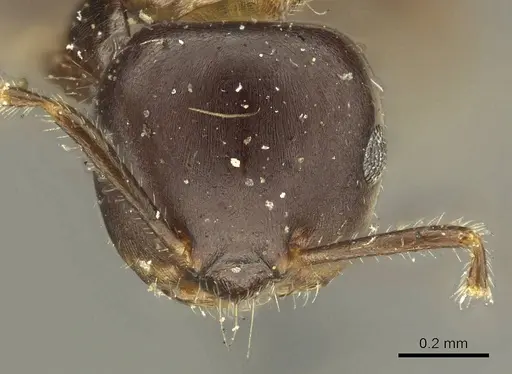
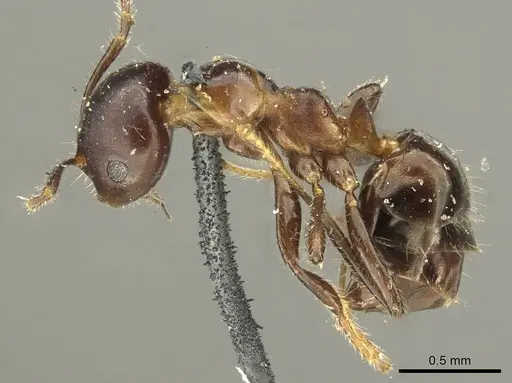
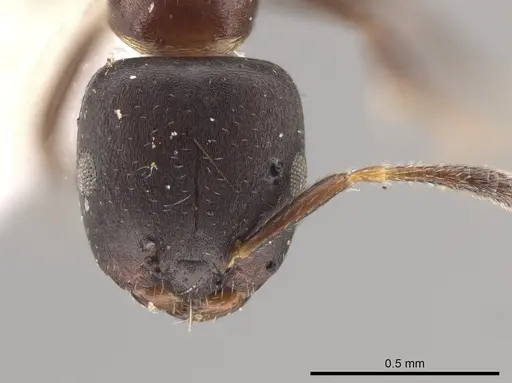
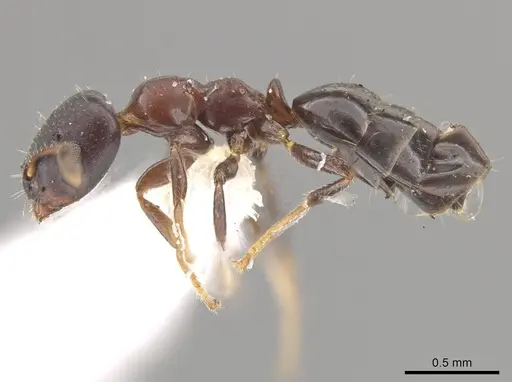
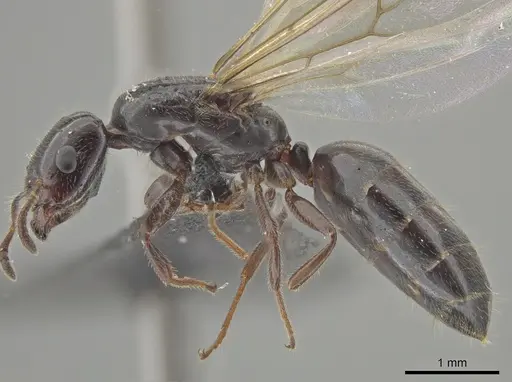
Myrmelachista catharinae is a small arboreal ant native to the Atlantic Forest of southeastern South America, found in Brazil, Paraguay, and Argentina. Workers are tiny, measuring around 0.6mm in body length, with a characteristic dark coloration and two color morphs in queens, one with a brown mesosoma and another with a black mesosoma. These ants nest primarily in tree cavities and twigs, both in living vegetation and in fallen twigs on the forest floor. They form polydomous colonies, meaning they expand into multiple satellite nests across their territory. This species is closely related to Myrmelachista arthuri and shares similar defensive behaviors, when disturbed, workers aggressively raise their gasters in warning [1][2].
What makes M. catharinae particularly interesting is its ecological flexibility. It can nest both high in trees and in small twigs that fall to the leaf litter below, creating satellite colonies that function as one large polydomous nest. These ants form mutual relationships with scale insects (Coccidae and Pseudococcidae) and feed on extrafloral nectaries, making them a classic example of arboreal ant ecology in Neotropical forests [2]. They also show massive recruitment behavior when discovering food sources, quickly mobilizing many workers to exploit resources.
Quick Summary
- Difficulty: Medium
- Origin & Habitat: Atlantic Forest of southeastern Brazil, Paraguay, and Argentina. Nests in tree cavities and twigs in both living vegetation and leaf litter [3][1].
- Colony Type: Monogyne (single queen) colonies with documented polydomous structure, colonies expand into twigs in leaf litter forming satellite nests [4][5].
- Colony: Monogyne
- Founding: Claustral
- Size & Growth:
- Queen: Estimated 4-5mm based on genus patterns
- Worker: 0.6mm weber's length [6], cephalic capsule 0.39-0.71mm [4]
- Colony: 13-1218 workers per nest, commonly over 100 workers [4][5]
- Growth: Moderate, three larval instars with mean growth rate 1.24 between instars [7]
- Development: Estimated 6-10 weeks based on related Formicinae species (Egg is 0.53-0.60mm, pupae are 2.40-3.05mm and develop without cocoons. Three larval instars confirmed through research [7].)
- Antkeeping:
- Temperature: Tropical species, keep at 24-28°C. Room temperature is often suitable if your home stays warm.
- Humidity: Moderate to high, these forest ants prefer damp conditions. Keep nest substrate slightly moist but not waterlogged.
- Diapause: No, as a tropical species, they do not require hibernation. Maintain consistent temperatures year-round.
- Nesting: Small cavities are essential. In the wild, they nest in twigs with central cavity diameters of 1.5-5mm. A Y-tong or acrylic nest with narrow chambers works well. Provide twigs or small cork bark pieces for a naturalistic setup.
- Behavior: These ants are defensive when threatened, workers immediately raise their gasters as a warning display. They are small but active foragers with massive recruitment behavior, quickly mobilizing many workers when food is discovered. They tend scale insects for honeydew and feed on extrafloral nectar. Escape risk is moderate due to their small size, use fine mesh barriers. They are not aggressive toward keepers but will defend their nest vigorously [1][2].
- Common Issues: small size makes escape likely without fine mesh barriers, colonies can be slow to establish due to moderate growth rate, polydomous nature means they may spread to multiple nest sections if given the space, wild-caught colonies may have parasites that affect survival in captivity, sensitive to drying out, forest species need consistent moisture
Nest Preferences and Housing
Myrmelachista catharinae is an arboreal ant that naturally nests in small cavities within twigs and tree branches. In the wild, researchers found them nesting in twigs with diameters ranging from 4.5mm to over 50mm, with central cavity sizes of just 1.5-5mm [4]. This means they prefer tight, enclosed spaces rather than open areas. For captive care, a Y-tong (AAC) nest or acrylic formicarium with narrow chambers scaled to their tiny size works best. You can also add small pieces of cork bark or twigs to create a more naturalistic setup. These ants form polydomous colonies in nature, meaning they maintain multiple satellite nests, in captivity, they may use multiple nest chambers if provided. Keep the nest humid but ensure adequate ventilation to prevent mold. A water tube attached to the nest helps maintain moisture levels.
Feeding and Diet
In their natural habitat, M. catharinae feeds on extrafloral nectar from plants and honeydew from scale insects (Coccidae and Pseudococcidae) that they tend [2]. They also consume animal-derived proteins. For captive colonies, offer a varied diet including sugar water or honey as a constant energy source, and protein sources like small insects (fruit flies, pinhead crickets, mealworms). Their small size means prey items should be appropriately sized, tiny insects are better than large ones. Feed protein 2-3 times per week, and keep sugar water available at all times. Because they use massive recruitment to exploit food sources, you may see many workers respond quickly when you add new food to the outworld.
Temperature and Seasonal Care
As a tropical species from the Atlantic Forest of Brazil, M. catharinae does not require hibernation or diapause. Keep their nest at temperatures between 24-28°C for optimal brood development. Room temperature (around 22-25°C) is often suitable for this species. If your home runs cooler, a small heating cable on one side of the nest can provide additional warmth, place it on top of the nest to avoid evaporating moisture too quickly. These ants are adapted to stable tropical conditions, so avoid temperature fluctuations. There is no winter rest period needed, maintain consistent care year-round. The research shows winged reproductives can be found in colonies throughout much of the year, indicating continuous reproduction in warm conditions [1][4].
Behavior and Colony Dynamics
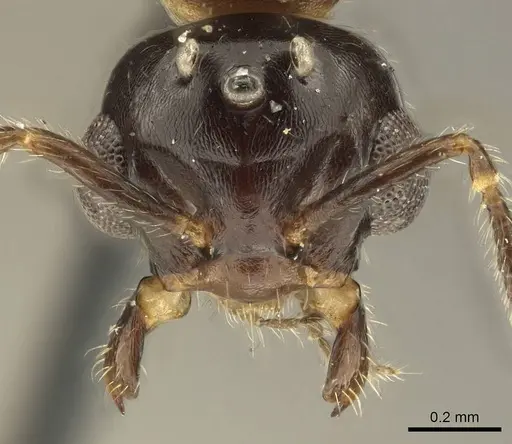
M. catharinae colonies are monogyne, meaning they have a single queen. Colonies can grow quite large in the wild, researchers found between 13 and 1218 workers in individual twig nests, with some colonies clearly exceeding this as they use multiple nest sites [4]. The species exhibits polydomous behavior, expanding into fallen twigs in the leaf litter to create satellite colonies that remain connected to the main nest. When disturbed, workers show a distinctive defensive behavior: they immediately raise their gaster upward as a warning, similar to their close relative M. arthuri [1][2]. They also practice massive recruitment, quickly mobilizing large numbers of workers when food is discovered. This small species is not particularly aggressive toward humans but will vigorously defend its nest. Queens show two color morphs, one with a brown mesosoma and one with black, which genetic analysis suggests may represent incipient speciation [5].
Growth and Development
The complete developmental cycle of M. catharinae has been studied in detail. Eggs are small, measuring 0.53-0.60mm in length and 0.24-0.26mm in width [7]. The larvae go through three distinct instars (growth stages), confirmed through head capsule measurements following Dyar's rule with high statistical fit [7]. The mean growth rate between larval instars is 1.24,meaning each instar is about 24% larger than the previous one. Pupae are exarate, meaning they are free-moving and not enclosed in cocoons, they start whitish and darken as they mature. Pupae measure approximately 2.4-3.05mm in body length [7]. Based on typical Formicinae development patterns, expect roughly 6-10 weeks from egg to adult worker at optimal temperatures. The first workers (nanitics) will be smaller than mature workers but should appear within this timeframe.
Field Collection and Legal Considerations
M. catharinae is native to Brazil, Paraguay, and Argentina. If you are keeping this species outside its native range, never release colonies into the wild, they could become invasive or disrupt local ecosystems. This is particularly important in North America, Europe, and Australia where Myrmelachista species are not native. If you obtain a colony from the wild, ensure it was collected legally and ethically. Many antkeepers obtain their colonies from reputable breeders who propagate them in captivity rather than harvesting from the wild. Captive-bred colonies are generally healthier and more adapted to laboratory conditions. If you are in the species' native range and find a colony in twigs, you can carefully collect the nest, they often inhabit fallen twigs in the leaf litter, making collection relatively straightforward compared to underground-nesting species. [3]
Frequently Asked Questions
How long does it take for Myrmelachista catharinae to produce first workers?
Based on related Formicinae species and the documented larval development (three instars with growth rate of 1.24), expect approximately 6-10 weeks from egg to first worker at optimal temperatures of 24-28°C. The exact timeline depends on temperature and feeding.
Can I keep multiple Myrmelachista catharinae queens together?
No. Research confirms M. catharinae is monogyne, colonies have a single queen [5]. Combining unrelated queens is not recommended and would likely result in fighting. Only one queen per colony.
What do Myrmelachista catharinae ants eat?
They feed on extrafloral nectar and honeydew from scale insects they tend, plus animal protein. In captivity, provide sugar water or honey constantly, and small insects like fruit flies or pinhead crickets 2-3 times per week.
What size colony does Myrmelachista catharinae reach?
Wild colonies can reach over 1000 workers. Researchers found 13-1218 workers in individual twig nests, with colonies using multiple satellite nests [4]. Expect moderate growth over several years to reach large colony sizes.
Do Myrmelachista catharinae need hibernation?
No. As a tropical Atlantic Forest species, they do not require hibernation or diapause. Maintain consistent temperatures of 24-28°C year-round for optimal colony health and reproduction.
What is the best nest type for Myrmelachista catharinae?
A Y-tong (AAC) or acrylic nest with small, tight chambers scaled to their tiny size works best. Naturalistic setups with small twigs or cork bark pieces are also suitable. The key is providing narrow cavities, in the wild, they nest in twigs with central cavities of just 1.5-5mm [4].
Are Myrmelachista catharinae good for beginners?
They are rated as medium difficulty. They require warm, humid conditions and small nest spaces, which is manageable for intermediate antkeepers. Their small size and escape risk require attention, but they are not overly demanding once established.
Why does my Myrmelachista catharinae raise its gaster when disturbed?
This is a normal defensive behavior. When threatened, workers immediately elevate their gaster as a warning display, this is characteristic of both M. catharinae and its close relative M. arthuri [1][2]. It is not an attack, but a signal that they are ready to defend.
How do I set up a proper humidity gradient for Myrmelachista catharinae?
Keep the nest substrate consistently moist but not waterlogged. Use a water tube connected to the nest for moisture. Allow the outworld to be drier while the nest stays damp. Good ventilation helps prevent mold while maintaining humidity. The forest floor environment they inhabit is consistently humid.
References

This caresheet is licensed under CC BY-SA 4.0 .
CASENT0173486
View on AntWeb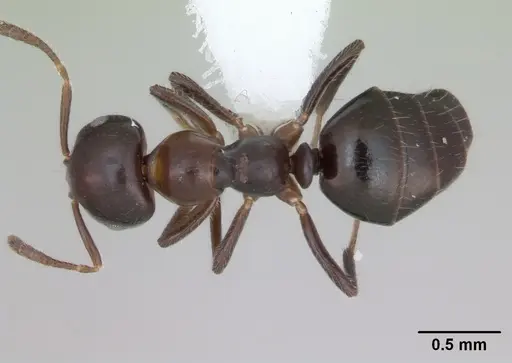
CASENT0647320
View on AntWeb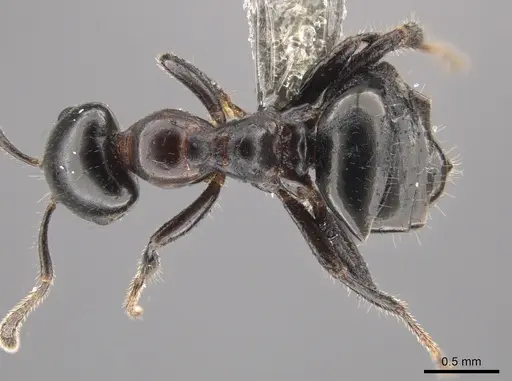
CASENT0647384
View on AntWeb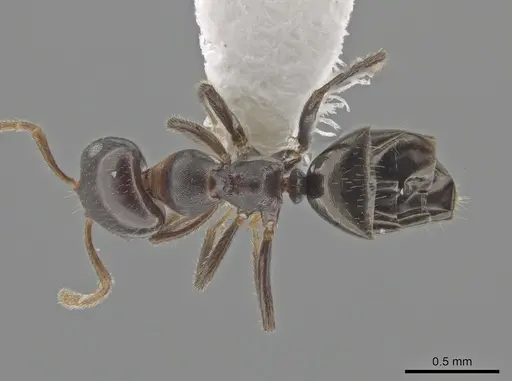
CASENT0654155
View on AntWeb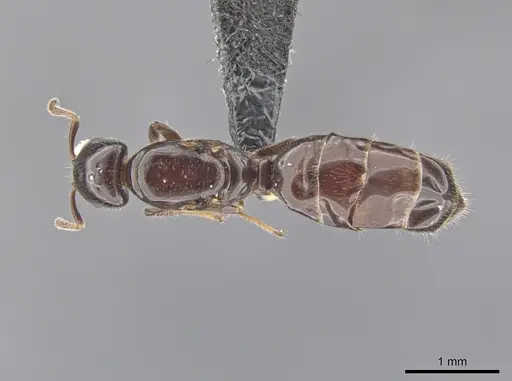
CASENT0912338
View on AntWeb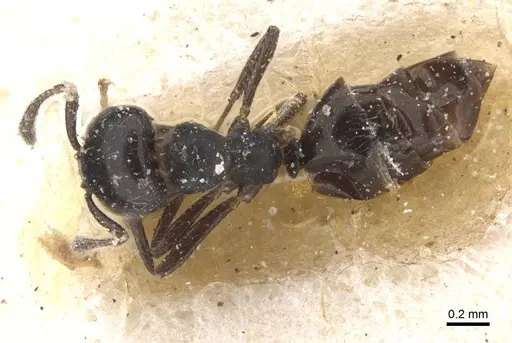
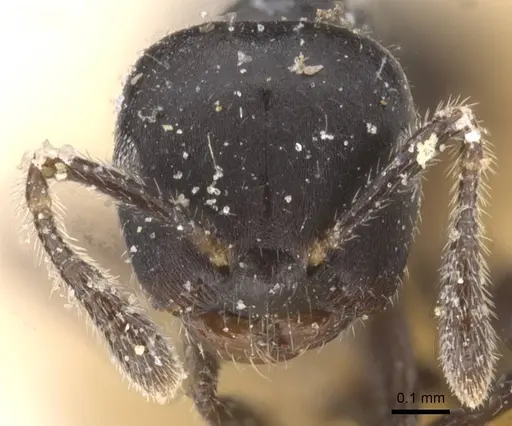
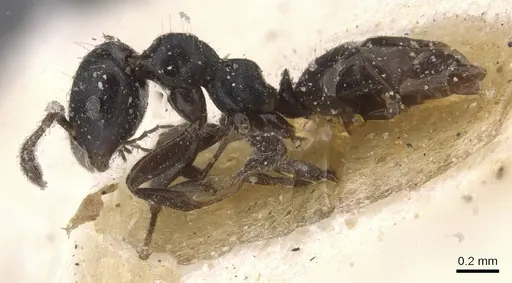
CASENT0912339
View on AntWeb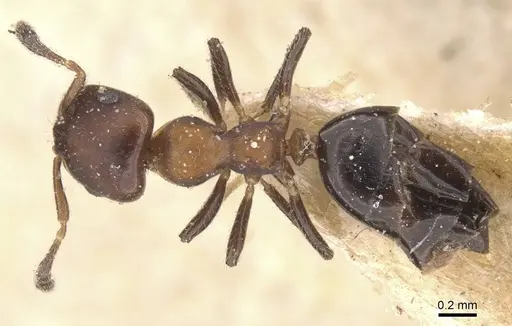
CASENT0915738
View on AntWeb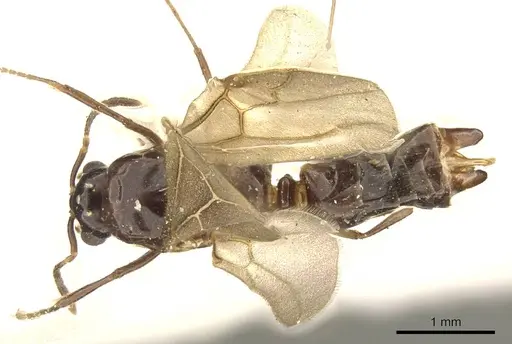
CASENT0915739
View on AntWeb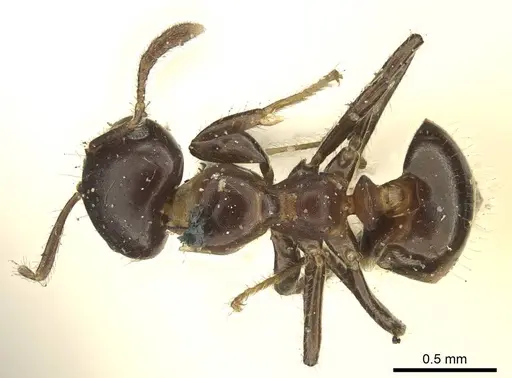
MZSP70855
View on AntWeb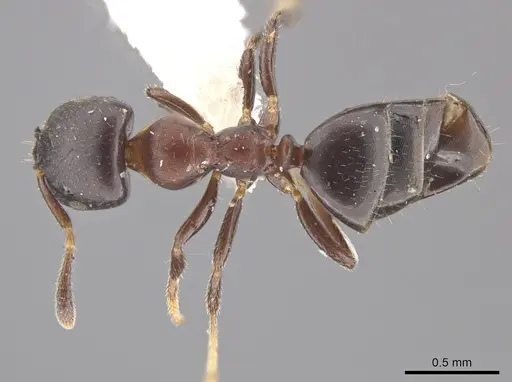
UFV-LABECOL-002760
View on AntWeb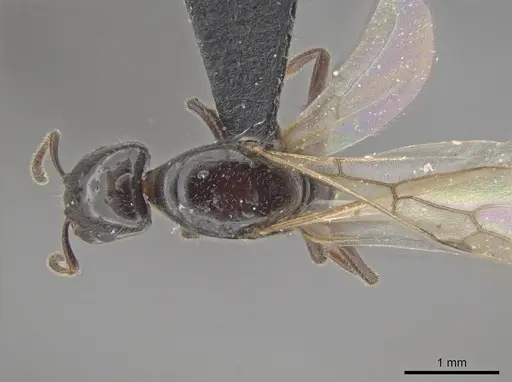
Literature
Loading...Loading products...