

Myrmecocystus yuma
- Scientific Name
- Myrmecocystus yuma
- Tribe
- Lasiini
- Subfamily
- Formicinae
- Author
- Wheeler, 1912
- Distribution
- Found in 2 countries
Myrmecocystus yuma Overview
Myrmecocystus yuma is an ant species of the genus Myrmecocystus. It is primarily documented in 2 countries , including Mexico, United States of America. Detailed taxonomic data and occurrence records can be further explored via authoritative databases such as AntWeb or the Global Biodiversity Information Facility (GBIF).
Myrmecocystus yuma
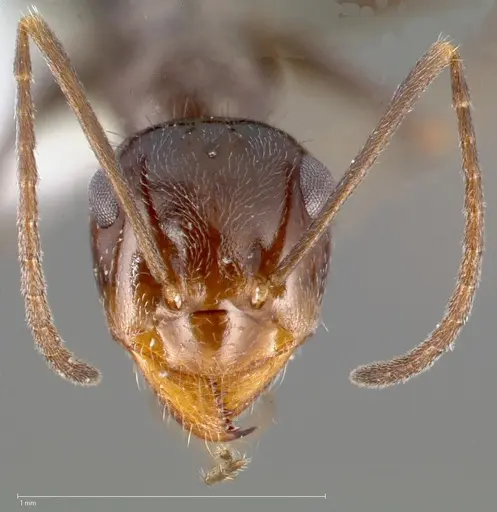
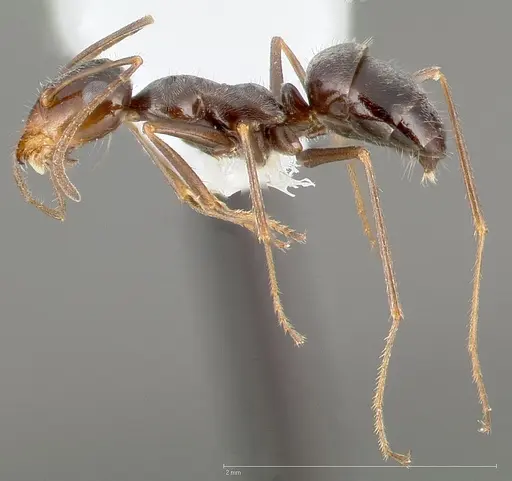
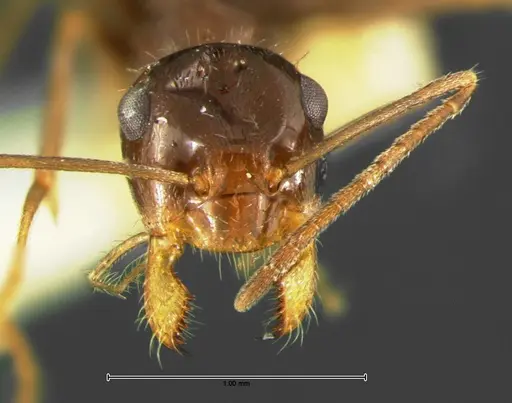
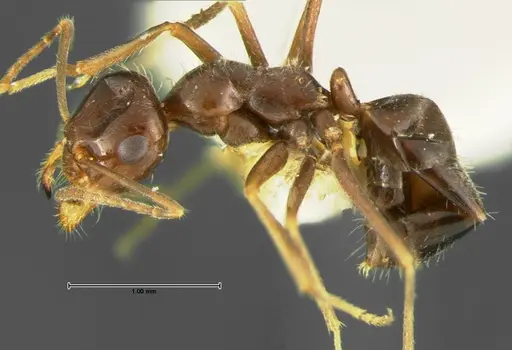
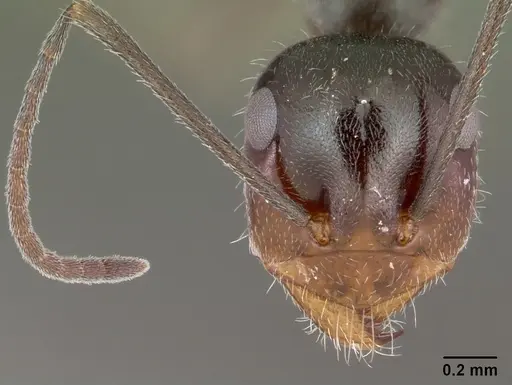
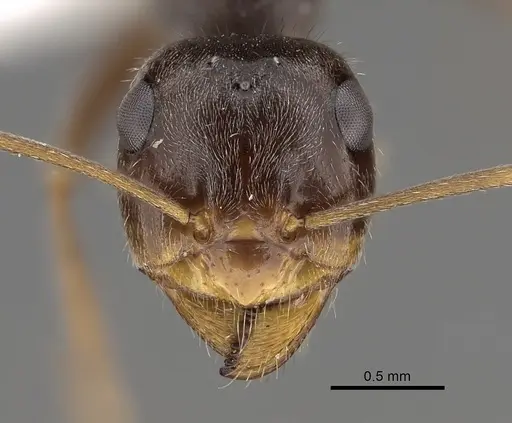
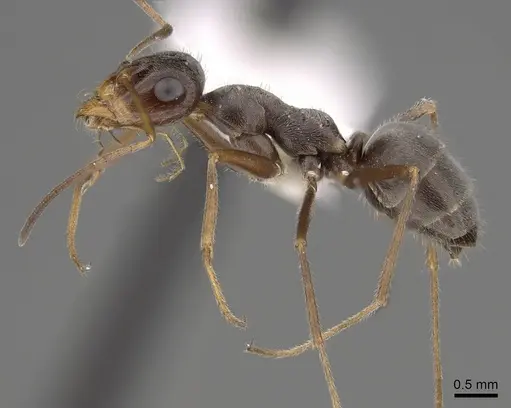
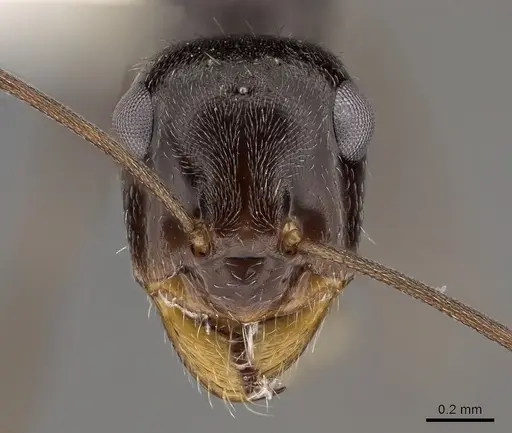
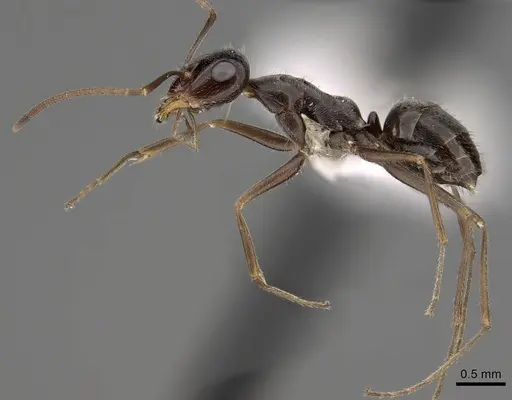
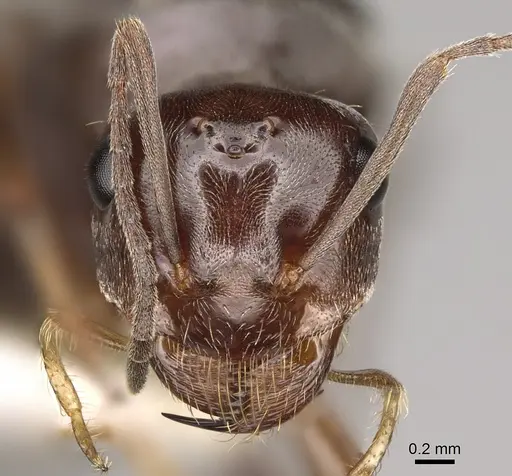
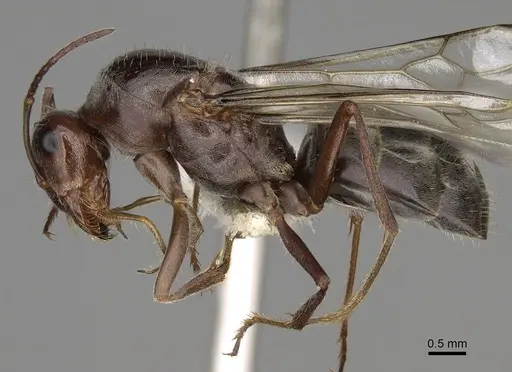
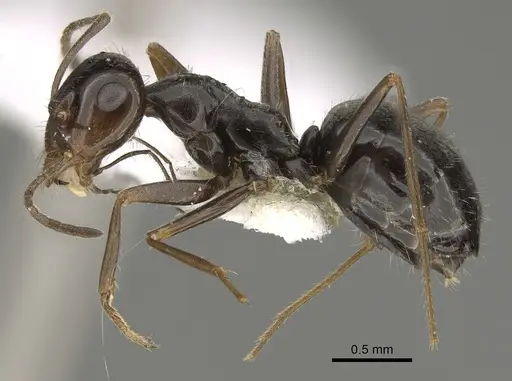
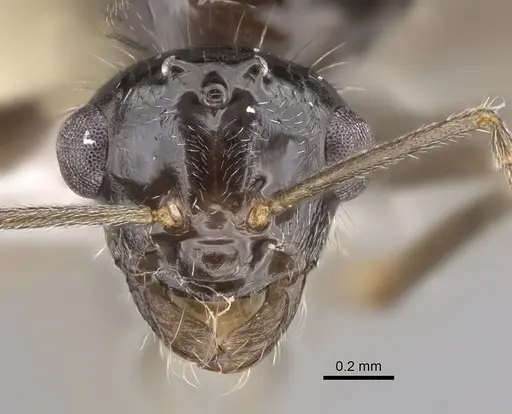
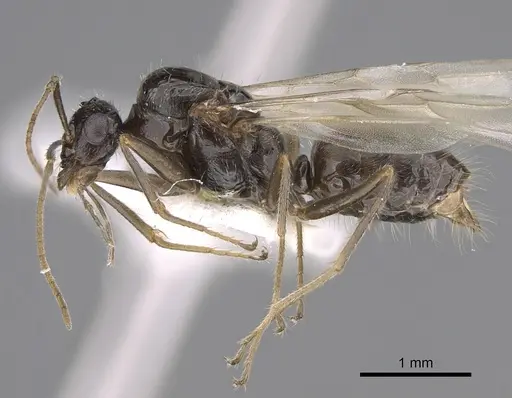
Myrmecocystus yuma is a small to medium-sized honeypot ant species native to the Mojave and Colorado Deserts of the American Southwest. Workers measure 0.76-1.00mm and are light to dark brown with the gaster typically darker than the head and thorax. Queens are larger at around 1.4mm head length with a robust 3mm mesosoma. This species constructs distinctive crater nests in sandy soil, typically 3-4 inches in diameter, and is one of the darker Myrmecocystus species with matinal-crepuscular foraging behavior, workers actively search for food during early morning and late afternoon hours when temperatures are cooler [1][2].
Unlike some honeypot ant relatives, M. yuma does not have specialized replete workers that store food in their abdomens. Instead, this species is predatory, feeding primarily on insects and also tending aphids and pseudococcids for honeydew. They inhabit the hot, arid creosote bush and bur sage desert habitats across southern Nevada, southern California, western Arizona, and into northwestern Mexico (Sonora and Baja California) [1][3].
Quick Summary
- Difficulty: Medium
- Origin & Habitat: Mojave and Colorado Deserts of southern Nevada, southern California, western Arizona, northwestern Sonora and northeastern Baja California. Found in creosote bush and creosote bush-bur sage desert at elevations from sea level to 2000 feet [1][3].
- Colony Type: Single-queen (monogyne) colonies. Colony structure is not extensively studied but Myrmecocystus species typically have single queen colonies.
- Colony: Monogyne
- Founding: Claustral
- Size & Growth:
- Queen: 1.40mm head length,3.0mm mesosoma length
- Worker: 0.76-1.00mm head length
- Colony: Unknown for this specific species, other Myrmecocystus species typically reach several hundred workers
- Growth: Moderate, estimated based on genus patterns
- Development: Estimated 6-10 weeks based on related Myrmecocystus species and typical Formicinae development (Development time is not directly studied for this species. Expect slower growth than tropical species due to desert adaptation.)
- Antkeeping:
- Temperature: Keep warm, around 26-32°C (upper 70s to low 90s°F). This is a hot desert species adapted to high temperatures. A heating cable on one side of the nest creates a gradient allowing workers to self-regulate [4].
- Humidity: Low to moderate. These are desert ants adapted to arid conditions. Keep nest substrate dry to slightly moist but not damp. Provide a hydration chamber but avoid excessive moisture that would create humid conditions [1].
- Diapause: Likely required. Desert Myrmecocystus species typically experience winter dormancy. Provide a cool period around 10-15°C for 2-3 months during winter months, mimicking their natural seasonal cycle.
- Nesting: Prefers sandy soil nests in captivity. A naturalistic setup with a sand-filled chamber or a Y-tong/plaster nest works well. Ensure the nest allows for dry conditions, these ants do well in more arid setups compared to tropical species. Provide some cover and darkness as they are not strongly photophobic but prefer sheltered nesting sites [1][4].
- Behavior: Workers are predatory and will actively hunt small insects. They also forage for honeydew from aphids and scale insects. Foraging occurs during cooler parts of the day, early morning and late afternoon, so they are matinal-crepuscular. Workers may be mistaken for the small dark Dorymyrmex pyramicus due to their similar appearance [5]. They are not aggressive toward keepers but will defend their nest. Escape risk is moderate, workers are small but not extremely tiny, standard escape prevention measures should suffice.
- Common Issues: desert species is sensitive to excess humidity, keep conditions dry to prevent fungal growth and colony loss, heating is essential, these ants evolved in hot desert environments and need warm temperatures for activity and brood development, colonies may grow slowly compared to tropical species, patience is required during the founding phase, no replete workers means the colony cannot store excess food, consistent feeding schedules are important, winter dormancy is likely required, improper diapause conditions may weaken or kill colonies over time
Housing and Nest Setup
Myrmecocystus yuma does well in naturalistic setups that mimic their desert sandy habitat. A formicarium with a sand-filled chamber or a Y-tong nest with a sand insert works well. These ants prefer dry conditions, so avoid setups that retain moisture. Provide a hydration chamber connected to the nest area but keep the main nesting area dry. Because they are a desert species, they do not need high humidity, in fact, excess moisture can be harmful. A small water reservoir for drinking is sufficient. Cover the nest partially to provide darkness, as these ants prefer sheltered nesting sites. Escape prevention is important, while not extremely small, standard barriers like Fluon on container rims will prevent escapes [1][4].
Feeding and Diet
M. yuma is primarily predatory, feeding on live and dead insects. In captivity, offer small insects like fruit flies, small crickets, and mealworms. They also accept honeydew and sugar sources, so occasional honey water or sugar water can be offered. Unlike some Myrmecocystus species that have replete workers to store food, M. yuma does not have this specialization, so regular feeding is important. Feed protein (insects) 2-3 times per week and provide sugar water or honey as a constant carbohydrate source. Remove uneaten prey after 24 hours to prevent mold. Workers forage during early morning and late afternoon, so timing feed offerings to these periods may encourage natural foraging behavior [1][5][4].
Temperature and Heating
This is a hot climate specialist requiring warm temperatures. Keep the nest area at 26-32°C (upper 70s to low 90s°F). A heating cable placed on one side of the nest creates a temperature gradient, allowing workers to move between warmer and cooler areas as needed. Place the heating on top of the nest to avoid evaporating moisture into the nest chamber. These ants evolved in the Mojave and Colorado Deserts where temperatures regularly exceed 100°F, so they can handle heat well. However, always provide an unheated area so they can self-regulate. Room temperature alone (around 20-22°C) is likely too cool for optimal activity and brood development. During winter, a cool period around 10-15°C for 2-3 months is recommended [4].
Seasonal Care and Winter Dormancy
As a desert species from the American Southwest, M. yuma experiences seasonal temperature changes in the wild and requires a winter dormancy period. During winter (roughly November through February in the Northern Hemisphere), reduce temperatures to around 10-15°C and reduce feeding to once every two weeks or less. Do not feed heavily during dormancy as the colony's metabolism slows. Ensure some moisture is available so the colony does not completely dry out. In spring, gradually warm the colony back to summer temperatures and resume normal feeding. Skipping the winter dormancy can weaken the colony over time and may affect queen fertility and worker production. This diapause period is essential for the colony's long-term health.
Colony Development and Growth
Myrmecocystus yuma colonies start with a claustral founding where the queen seals herself in a chamber and raises the first brood alone using stored fat reserves. The first workers (nanitics) will be smaller than mature workers. Development from egg to worker is estimated at 6-10 weeks based on related species, though this is not directly studied for M. yuma. Growth rate is moderate, faster than some temperate species but slower than tropical ants. Colonies likely reach several hundred workers at maturity. The founding phase can be slow, so patience is essential. Once the first workers emerge, the colony will grow more steadily as workers take over foraging and brood care duties. Unlike some Myrmecocystus species, M. yuma does not develop replete workers (ants with swollen abdomens that store food), so all workers participate in foraging and brood care.
Frequently Asked Questions
Can I keep Myrmecocystus yuma in a test tube?
A test tube can work for founding colonies, but these desert ants prefer drier conditions than most test tube setups provide. A naturalistic setup with sandy substrate or a Y-tong nest is more suitable for established colonies. If using a test tube, ensure minimal water reservoir and allow the setup to dry out more than you would for tropical species.
How long does it take for Myrmecocystus yuma to produce first workers?
Based on related Myrmecocystus species, expect 6-10 weeks from egg to first worker at optimal temperatures. The founding phase can be slow, so patience is essential. Keep the queen warm (around 28-30°C) during founding to encourage faster development.
Are Myrmecocystus yuma good for beginners?
This species is rated as medium difficulty. While not as challenging as some exotic species, they do require specific conditions, warm temperatures, low humidity, and a winter dormancy period. Beginners should be prepared to provide heating and understand seasonal care requirements.
What do Myrmecocystus yuma eat?
They are predatory ants that primarily eat insects. Offer small live or dead insects like fruit flies, small crickets, and mealworms. They also accept honeydew and sugar water. Unlike some honeypot ants, they do not have replete workers to store food, so regular feeding is important.
Do Myrmecocystus yuma need hibernation?
Yes, a winter dormancy period is recommended. Reduce temperatures to 10-15°C for 2-3 months during winter. This mimics their natural seasonal cycle in the desert Southwest and is important for colony health long-term.
When should I move Myrmecocystus yuma to a formicarium?
Move to a larger setup once the colony reaches 20-30 workers or when the test tube becomes cramped. A naturalistic setup with sandy substrate works well for this species. They prefer dry conditions, so avoid overly humid formicaria.
How big do Myrmecocystus yuma colonies get?
Exact colony size is not documented, but based on related species, colonies likely reach several hundred workers at maturity. Growth is moderate, not as fast as tropical species but steady over time.
Can I keep multiple Myrmecocystus yuma queens together?
This species is monogyne, single queen colonies. Combining unrelated queens is not recommended as they will likely fight. Only one queen should be kept per colony.
Why are my Myrmecocystus yuma dying?
Common causes include: too much humidity (keep them dry), temperatures too low (they need 26-32°C), improper diapause, or mold from uneaten food. Review your setup against their desert habitat requirements. These ants are adapted to hot, dry conditions, captivity setups that are too humid or cool are the most common killers.
References

This caresheet is licensed under CC BY-SA 4.0 .
CASENT0005420
View on AntWeb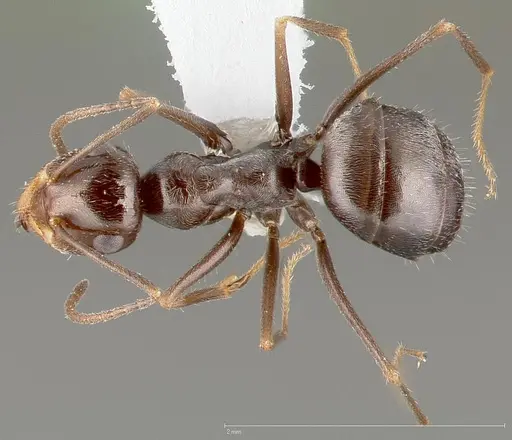
CASENT0105636
View on AntWeb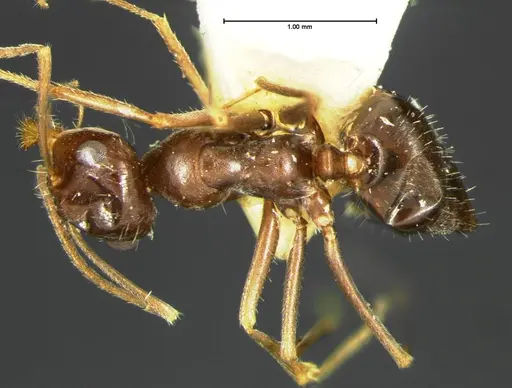
CASENT0118161
View on AntWeb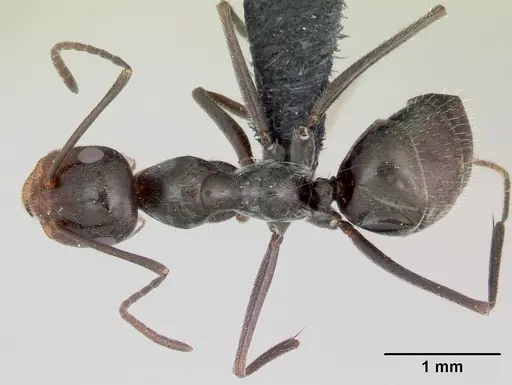
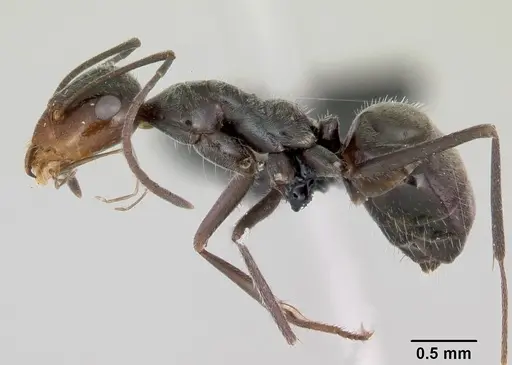
CASENT0280523
View on AntWeb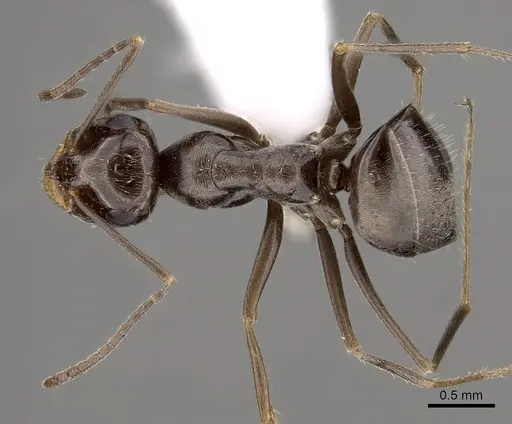
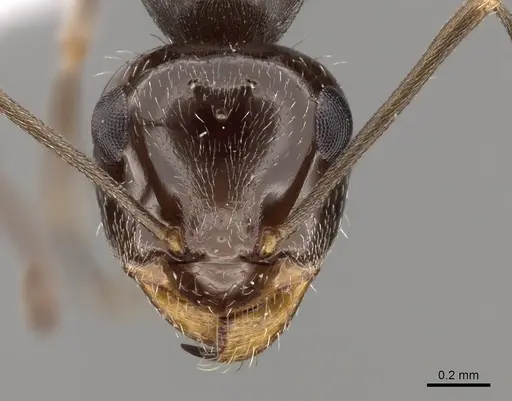
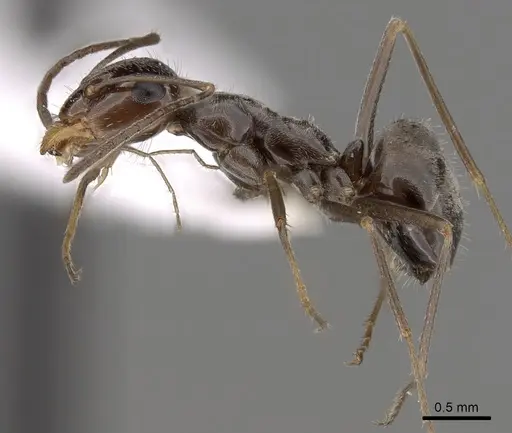
CASENT0280524
View on AntWeb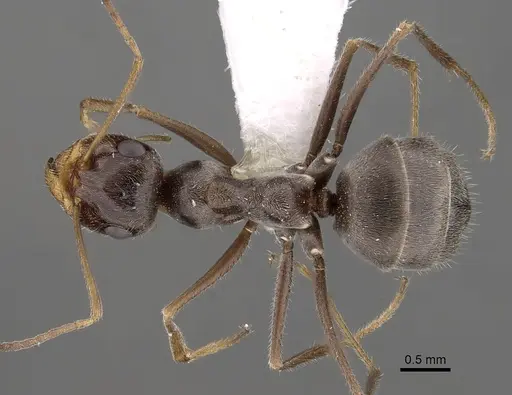
CASENT0280525
View on AntWeb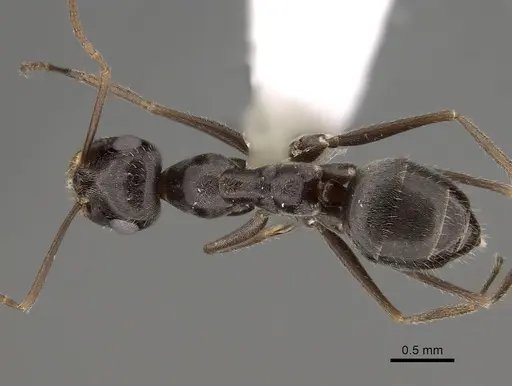
CASENT0862016
View on AntWeb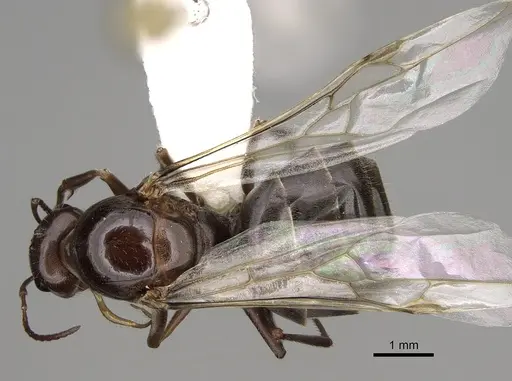
CASENT0923359
View on AntWeb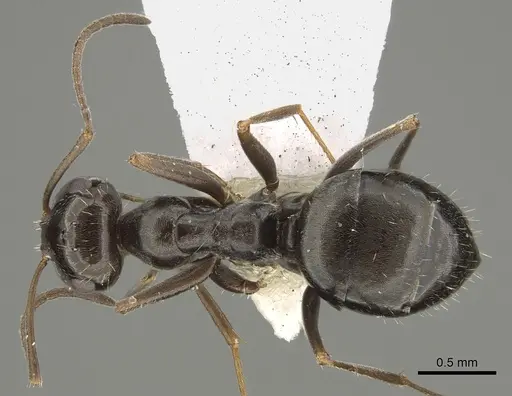
CASENT0923365
View on AntWeb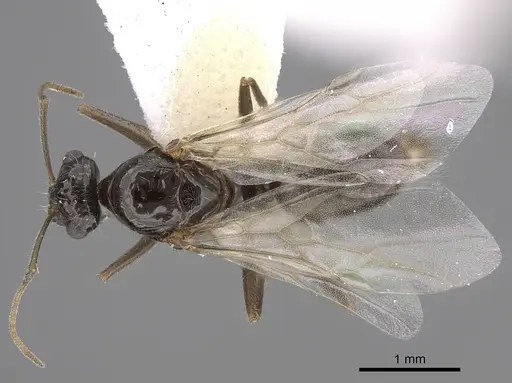
Literature
Loading...Loading products...