

Myrmecocystus ewarti
- Scientific Name
- Myrmecocystus ewarti
- Tribe
- Lasiini
- Subfamily
- Formicinae
- Author
- Snelling, 1971
- Common Name
- Ewart's Honeypot Ant
- Distribution
- Found in 1 countries
Myrmecocystus ewarti Overview
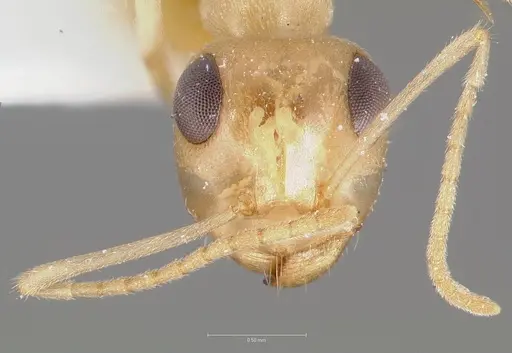
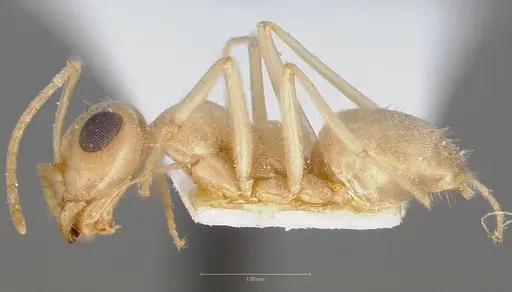
Myrmecocystus ewarti (commonly known as the Ewart's Honeypot Ant) is an ant species of the genus Myrmecocystus. It is primarily documented in 1 countries , including United States of America. Detailed taxonomic data and occurrence records can be further explored via authoritative databases such as AntWeb or the Global Biodiversity Information Facility (GBIF).
Myrmecocystus ewarti - "Ewart's Honeypot Ant"
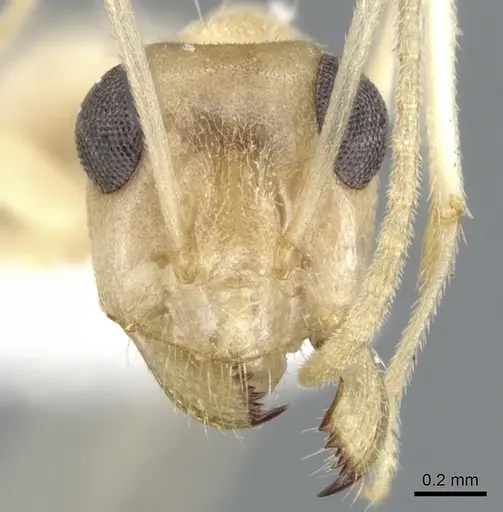
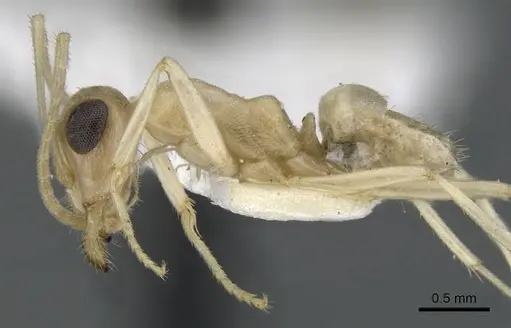
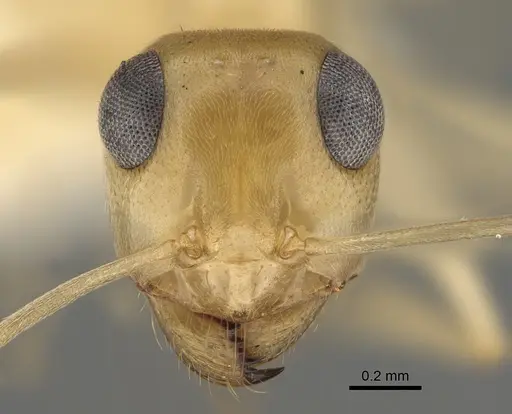
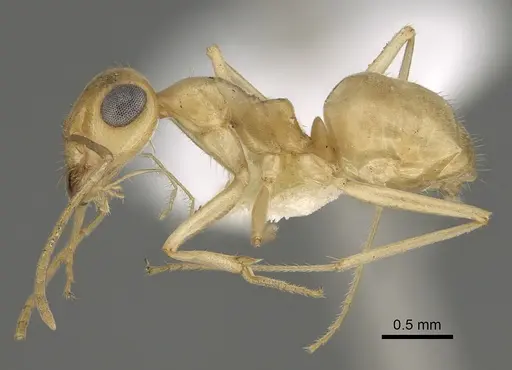
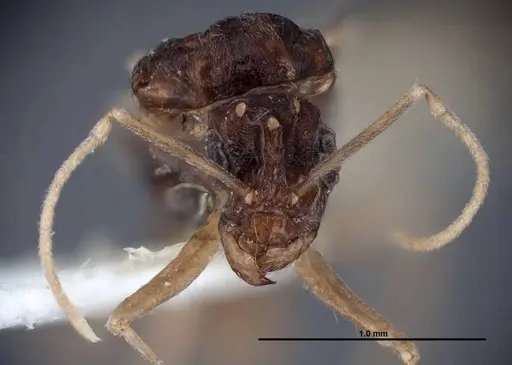
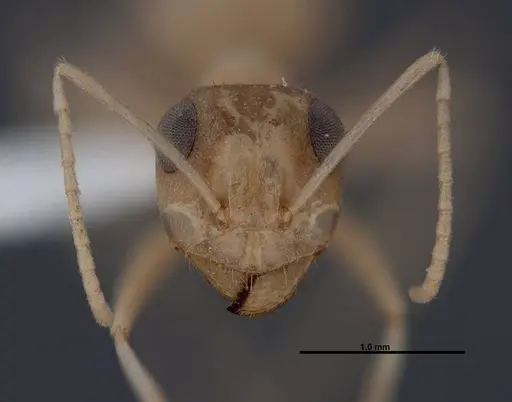
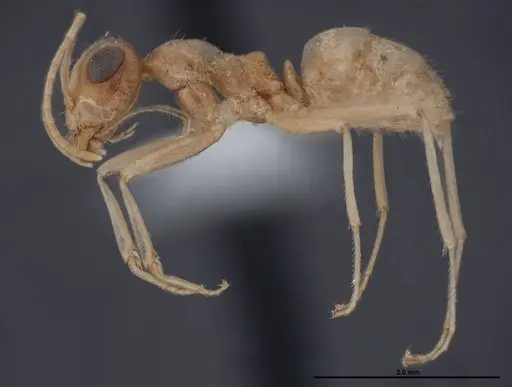
Myrmecocystus ewarti is a small to medium-sized honey ant native to the deserts of southern California, Arizona, and northern Mexico. Workers measure 0.76-1.30mm in head length with a light brownish-yellow coloration, while queens are substantially larger at 1.47mm head length and 3.6mm body length [1]. This species is a member of the pyramicus group within the Myrmecocystus subgenus, characterized by erect hairs on the pronotum and first abdominal segment, and a compressed petiolar scale [1].
What makes M. ewarti fascinating is its nocturnal foraging lifestyle and its ability to store liquid food as repletes, workers that act as living food storage containers, similar to how other honey ants store nectar and honeydew in their distended abdomens [1]. This species replaces the similar Myrmecocystus pyramicus in the Mojave and Colorado Deserts of southern California [1].
Quick Summary
- Difficulty: Medium
- Origin & Habitat: Mojave and Colorado Deserts of southern California, likely also in adjacent southwestern Arizona, northwestern Sonora, and northern Baja California. They nest in sandy stream beds in desert habitats ranging from Creosote Bush Desert to Pinon-Juniper Woodland, at elevations from 190 to 1100 feet [1].
- Colony Type: Colony structure is unconfirmed, likely monogyne (single queen) based on typical genus patterns, though this has not been directly documented. Repletes (specialized workers that store liquid food) have been observed in wild colonies [1].
- Size & Growth:
- Queen: 1.47mm head length,3.6mm Weber's length [1]
- Worker: 0.76-1.30mm head length [1]
- Colony: Unknown, likely similar to related species at several hundred workers
- Growth: Moderate, based on typical desert ant development patterns
- Development: Estimated 6-10 weeks based on related Myrmecocystus species development (Development likely follows typical Formicinae patterns, timing may be temperature-dependent as with related desert species)
- Antkeeping:
- Temperature: Keep at 22-28°C with a warm side gradient. These are desert ants adapted to warm conditions, but avoid overheating. Room temperature in the low-to-mid 20s°C is a good starting point
- Humidity: Low to moderate, desert species that prefers dry conditions. Keep nest substrate relatively dry with occasional moisture zones. Avoid high humidity that can cause mold in desert species
- Diapause: Likely required, desert ants typically enter a winter rest period. Provide a cool period around 10-15°C for 2-3 months during winter months
- Nesting: Natural nesting occurs in sandy stream beds with loose, well-draining soil. In captivity, use a dry, sandy substrate in a test tube setup or formicarium with good drainage. Avoid overly moist conditions
- Behavior: Nocturnal foragers that emerge at night to gather nectar from plants, tend aphids for honeydew, and collect dead arthropod remains [1]. Workers have good vision due to their nocturnal lifestyle. They are not particularly aggressive but will defend the nest. Escape prevention should be moderate, they are not tiny ants but can climb well. Use standard barrier methods like Fluon on formicarium edges [1].
- Common Issues: desert species are sensitive to overwatering, keep substrate dry, not damp, colonies may be slow to establish during founding phase, patience is required, nocturnal activity means you may not see much during daylight hours, wild-caught colonies may have parasites that affect survival in captivity, repletes require consistent sugar sources to maintain, ensure constant honey/sugar water availability
Nest Preferences and Housing
In the wild, Myrmecocystus ewarti nests in sandy stream beds within desert habitats. They construct nests with large crater-shaped mounds of fine sand particles around the entrance [1]. For captive care, provide a dry, sandy substrate that mimics their natural desert nesting sites. A test tube setup works well for founding colonies, while a formicarium with a sandy substrate and good drainage is ideal for established colonies. Avoid overly compact or damp substrates, these ants prefer loose, well-draining soil. Since they are nocturnal, placing the nest in an area with natural light cycles will help regulate their activity patterns.
Feeding and Diet
Myrmecocystus ewarti is an omnivorous species with a preference for sugary liquids. Workers forage at night to gather nectar from plants and solicit honeydew from aphids [1]. They also collect remnants of dead arthropods, providing protein. In captivity, offer a constant supply of sugar water or honey diluted with water. For protein, provide small insects like fruit flies, small mealworms, or other appropriately-sized prey. The presence of repletes in wild colonies indicates they store liquid food, ensure sugar sources are consistently available to support this behavior. Feed protein sources 2-3 times per week, and keep sugar water available at all times.
Temperature and Seasonal Care
As desert inhabitants from the Mojave and Colorado Deserts, these ants prefer warm conditions. Maintain temperatures between 22-28°C, with a gentle gradient allowing workers to choose their preferred zone. Avoid temperatures below 18°C or above 35°C. A heating cable on one side of the nest can create the necessary warmth gradient, but ensure there's a cooler area for the ants to retreat to if needed. During winter, provide a diapause period of 2-3 months at temperatures around 10-15°C to simulate their natural seasonal cycle. This rest period is important for colony health and may trigger reproductive behavior in spring. [1]
Behavior and Colony Dynamics
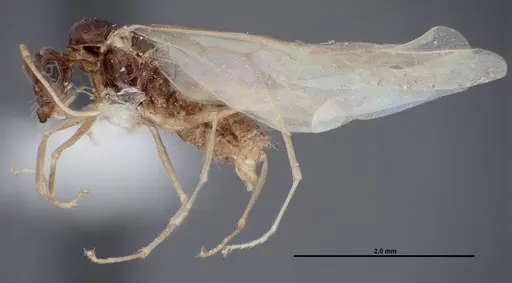
Myrmecocystus ewarti is a nocturnal species with workers that emerge at night to forage [2]. They are not among the most aggressive ant species but will defend their nest if threatened. A notable trait is the presence of repletes, specialized workers that store liquid food in their distended abdomens, similar to honeypot ants. This allows the colony to survive periods when food is scarce. Colony growth is moderate, and founding queens seal themselves in to raise their first workers alone, as is typical for claustral Formicinae species. Sexual forms (alates) have been found in nests during early spring, suggesting nuptial flights occur in spring, likely at night following rain [1].
Frequently Asked Questions
How long does it take for Myrmecocystus ewarti to raise first workers?
Based on related Myrmecocystus species, expect 6-10 weeks from egg to first worker at optimal temperatures. This is an estimate as the specific development timeline has not been directly documented for this species.
Can I keep multiple Myrmecocystus ewarti queens together?
The colony structure of this species is not well documented. Based on typical Myrmecocystus behavior, they likely form single-queen colonies. Combining unrelated queens is not recommended as it has not been studied and could result in aggression.
What do I feed Myrmecocystus ewarti?
Provide constant access to sugar water or diluted honey for the repletes and workers. For protein, offer small insects like fruit flies, small mealworms, or similar prey 2-3 times per week. They are nocturnal, so place food in the evening for best feeding activity.
Do Myrmecocystus ewarti need hibernation?
Yes, a winter diapause is likely required. Provide 2-3 months at 10-15°C during winter months. This simulates their natural seasonal cycle in the desert and is important for colony health.
Are Myrmecocystus ewarti good for beginners?
This species is rated as medium difficulty. They have specific temperature and humidity requirements typical of desert species, and their nocturnal activity means you may not see much during the day. They are not the easiest species for beginners but are manageable with proper research.
When do Myrmecocystus ewarti alates fly?
Sexual forms have been found in nests during early spring. Based on this, nuptial flights likely occur in spring, most likely at night following rain, a common trigger for desert ant mating flights.
Why are my Myrmecocystus ewarti not foraging during the day?
This is normal behavior, Myrmecocystus ewarti is a nocturnal species. Workers emerge at night to forage, so you will see most activity in the evening and early morning hours. Provide food in the late afternoon or evening.
What is a replete and does this species have them?
Repletes are specialized workers that store liquid food (nectar and honeydew) in their distended abdomens, acting as living food storage for the colony. Yes, repletes have been documented in Myrmecocystus ewarti colonies in the wild [1].
How big do Myrmecocystus ewarti colonies get?
The exact maximum colony size is unknown, but based on related species, colonies likely reach several hundred workers. Growth is moderate, with colonies taking several years to reach full size.
References

This caresheet is licensed under CC BY-SA 4.0 .
CASENT0005882
View on AntWeb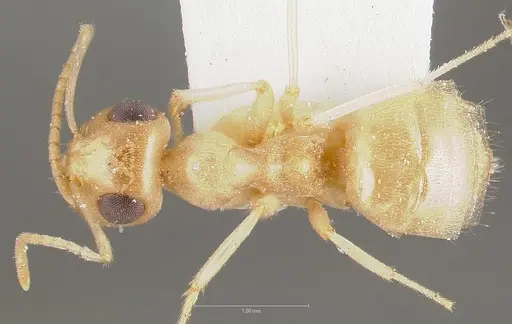
CASENT0903198
View on AntWeb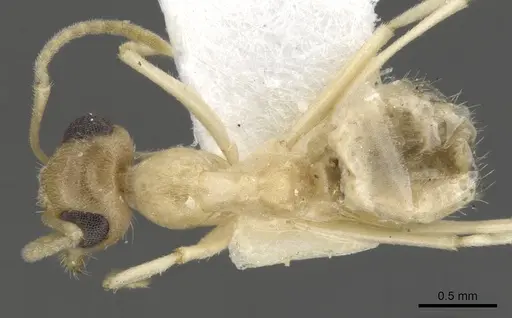
CASENT0923357
View on AntWeb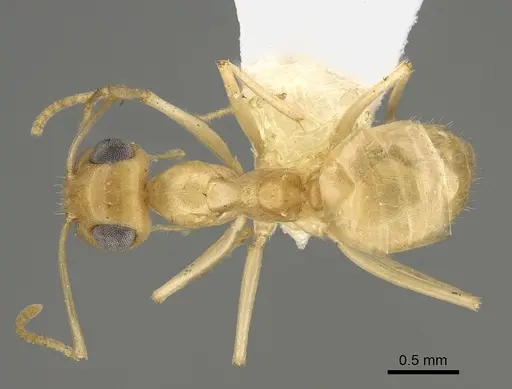
FMNHINS0000083101
View on AntWeb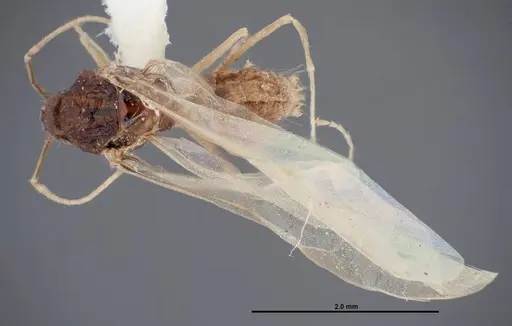
FMNHINS0000083102
View on AntWeb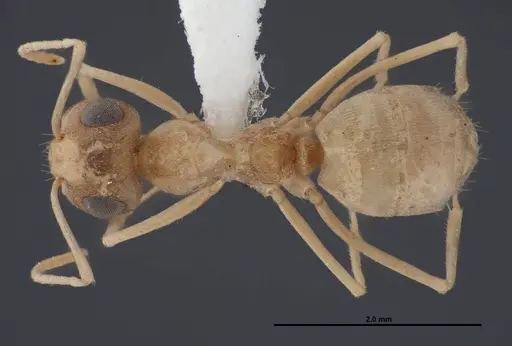
Literature
Loading...Loading products...