

Myrmecocystus pyramicus
- Scientific Name
- Myrmecocystus pyramicus
- Tribe
- Lasiini
- Subfamily
- Formicinae
- Author
- Smith, 1951
- Distribution
- Found in 1 countries
Myrmecocystus pyramicus Overview
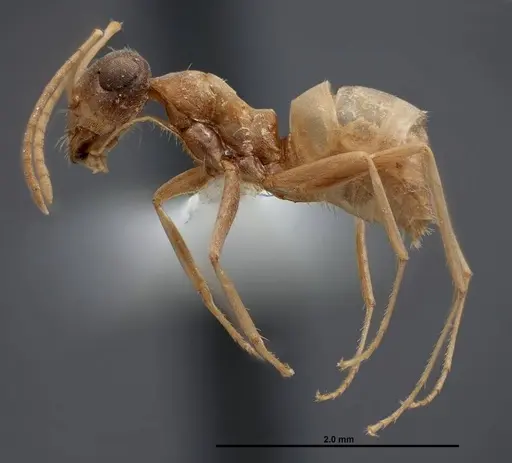
Myrmecocystus pyramicus is an ant species of the genus Myrmecocystus. It is primarily documented in 1 countries , including United States of America. Detailed taxonomic data and occurrence records can be further explored via authoritative databases such as AntWeb or the Global Biodiversity Information Facility (GBIF).
Myrmecocystus pyramicus
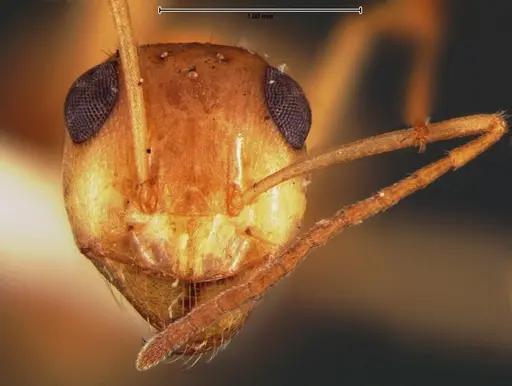
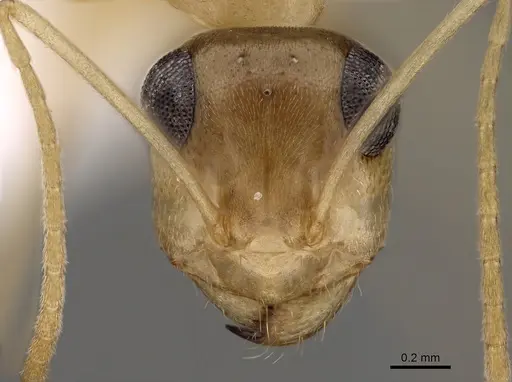
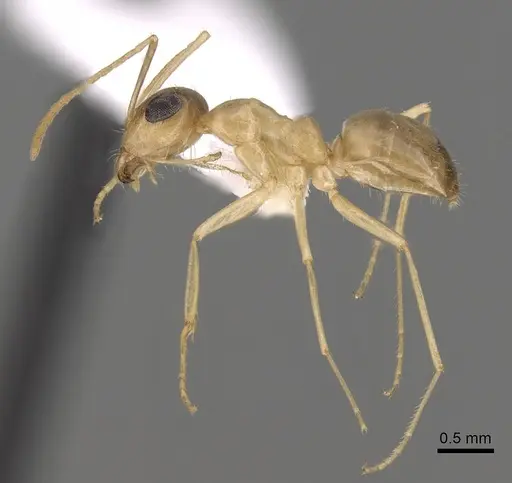
Myrmecocystus pyramicus is a small honey ant species native to the arid western United States, ranging from southern Oregon and Idaho south to Nevada and California [1]. Workers measure 0.83-1.26mm in head length with a distinctive angular propodeum (the section between the thorax and abdomen) that projects upward pyramidally. The species gets its name from this angular shape and belongs to the pyramicus group within the Myrmecocystus subgenus.
What makes this species special is its ability to store liquid food. Like other honey ants, M. pyramicus has repletes, workers that act as living food storage tanks, their abdomens swelling with nectar and honeydew to feed the colony during lean times [1]. This adaptation helps them survive the dry, unpredictable conditions of Great Basin and Sagebrush Steppe habitats where they nest.
Quick Summary
- Difficulty: Medium
- Origin & Habitat: Western United States: Southern Oregon and Idaho, south to Nevada and California. Found in Great Basin Sagebrush, Sagebrush Steppe, and Saltbush-Greasewood Desert at elevations from 2,350 to 6,700 feet [1].
- Colony Type: Single-queen colonies (monogyne). Colonies contain repletes, specialized workers that store liquid food in their expanded abdomens [1].
- Colony: Monogyne
- Size & Growth:
- Queen: 1.43-1.50mm head length
- Worker: 0.83-1.26mm head length
- Colony: Unknown for this species, but related Myrmecocystus species typically reach several hundred workers
- Growth: Moderate, inferred from related species
- Development: Estimated 6-10 weeks based on genus patterns for Myrmecocystus species in similar habitats (Development time is inferred from related species in the genus. Temperature will significantly affect development speed.)
- Antkeeping:
- Temperature: Keep at 22-26°C. These are desert-adapted ants that prefer warmer conditions but can tolerate room temperature. Provide a gentle temperature gradient if possible.
- Humidity: Low to moderate. These are desert species, keep the nest substrate dry to slightly moist, not wet. Allow areas to dry out between waterings.
- Diapause: Yes. Based on their temperate/desert distribution, they will need a winter rest period (diapause) around 10-15°C for 2-3 months during winter.
- Nesting: Y-tong (AAC) nests work well for this species. They prefer dry to moderately humid nest conditions. A test tube setup can work for founding colonies. Avoid overly damp conditions.
- Behavior: Primarily nocturnal foragers, they search for nectar, honeydew, and small prey at night [1]. Workers are general scavengers and will collect honeydew from aphids and extrafloral nectaries. They are not aggressive and do not have a painful sting. Their small size (under 2mm) means escape prevention is important, use fine mesh barriers. Repletes will form when food is abundant, storing liquid carbohydrates for the colony.
- Common Issues: desert species are sensitive to overwatering, keep nesting area relatively dry, small size makes escape likely without fine mesh barriers, colonies grow slowly in the first months, avoid overfeeding which causes mold, winter diapause is required for long-term colony health, repletes may burst if overfed sugary liquids, feed small amounts at first
Nest Preferences and Housing
In the wild, Myrmecocystus pyramicus nests in deep, sandy soil, building small mound nests with low crater-like tumuli in sand clearings among sagebrush [1]. The nests are topped with fine to coarse sand grains that the workers excavate during the summer rainy season.
For captive care, a Y-tong (acrylic) nest works well because it allows you to control humidity precisely. These desert ants prefer drier conditions than most tropical species, keep the nest substrate lightly moist but allow it to dry between waterings. A test tube setup is suitable for founding colonies. Avoid naturalistic setups with excessive moisture, as this can kill the colony. Provide a shallow water station in the outworld for drinking.
Because workers are tiny (under 2mm), excellent escape prevention is critical. Use tight-fitting lids and fine mesh on any ventilation holes.
Feeding and Diet
Myrmecocystus pyramicus is a generalist that feeds on nectar, honeydew, and small insects [1]. Workers have been observed gathering nectar from flowers and extrafloral nectaries, as well as honeydew from aphids and scale insects (pseudococcids). They are also general scavengers that will collect dead insects and other protein sources.
In captivity, offer a varied diet: sugar water or honey diluted 1:1 with water as a constant carbohydrate source, and small protein items like fruit flies, small crickets, or mealworm pieces. Feed protein 2-3 times per week. The presence of repletes (food-storing workers) depends on consistent carbohydrate availability, if you feed sugary liquids, you may see some workers develop swollen abdomens.
Be careful not to overfeed sugary liquids, as repletes can rupture if given too much. Start with very small amounts and observe how the colony responds.
Temperature and Seasonal Care
These ants come from the Great Basin and Sagebrush Steppe regions of the western United States, where temperatures fluctuate dramatically between seasons [1]. They are adapted to warm summers and cold winters.
Keep the nest at 22-26°C during the active season. A heating cable on one side of the nest can create a temperature gradient, which many ants appreciate. Room temperature in this range is acceptable.
Winter diapause is essential. Reduce temperatures to 10-15°C for 2-3 months during winter. You can accomplish this by moving the colony to a cool basement, garage, or refrigerator (not freezer). Do not feed during diapause, but keep the substrate slightly moist to prevent complete drying. This rest period is critical for the colony's long-term health and reproductive success.
Behavior and Colony Dynamics
Myrmecocystus pyramicus is primarily nocturnal, with workers actively foraging at night [1]. However, they can become active during overcast days, researchers have observed workers foraging at midday when rain was imminent and skies were completely overcast.
The most distinctive behavior is the formation of repletes. These are workers that specialize in storing liquid food in their crops (social stomach). Their abdomens become greatly distended, and they hang from the nest ceiling doing nothing but storing and dispensing food to nestmates. This is how the colony survives dry periods when fresh nectar is unavailable.
Colonies are monogyne (single-queen) and likely moderate in size, probably several hundred workers at maturity based on related species. Queens are larger than workers (1.43-1.50mm head length vs 0.83-1.26mm) and can live for many years.
Frequently Asked Questions
How long does it take for Myrmecocystus pyramicus to produce first workers?
The exact timeline is unconfirmed for this species, but based on related Myrmecocystus species, expect 6-10 weeks from egg to worker at optimal temperature (around 24°C). The first workers (nanitics) will be smaller than mature workers.
Can I keep multiple Myrmecocystus pyramicus queens together?
This species is monogyne (single-queen colonies). Combining unrelated queens is not recommended and has not been documented. In the wild, colonies have one queen.
What is a replete and does Myrmecocystus pyramicus have them?
Repletes are specialized workers that store liquid food (nectar and honeydew) in their expanded abdomens to feed the colony during dry or lean periods. Yes, M. pyramicus has repletes, they have been recovered from nests in Idaho [1].
Do Myrmecocystus pyramicus ants need hibernation?
Yes. Based on their distribution in the temperate western US (Idaho, Nevada, Oregon), they require a winter diapause. Keep them at 10-15°C for 2-3 months during winter.
Are Myrmecocystus pyramicus good for beginners?
This is a medium-difficulty species. They are more challenging than common beginner ants like Lasius or Camponotus because they require specific desert-like conditions (dry nesting, warm temperatures) and have slower growth. They are rewarding for intermediate antkeepers.
When do Myrmecocystus pyramicus have nuptial flights?
Based on field observations, mating flights occur during spring and late summer rainy periods [1]. This aligns with the increased moisture that makes conditions favorable for newly mated queens to found colonies.
How big do Myrmecocystus pyramicus colonies get?
The maximum colony size is not documented for this specific species, but related Myrmecocystus species typically reach several hundred workers. Expect moderate colony growth over several years.
What should I feed Myrmecocystus pyramicus?
Offer a mix of carbohydrates (sugar water or honey 1:1) constantly, and protein sources (fruit flies, small crickets, mealworms) 2-3 times per week. They also accept honeydew if you have aphid-infested plants.
Why are some of my ants fat?
Those are repletes, specialized workers that store liquid food in their abdomens. This is normal and healthy behavior for honey ants. Do not overfeed them sugary liquids, as repletes can burst from too much fluid.
References

This caresheet is licensed under CC BY-SA 4.0 .
CASENT0104938
View on AntWeb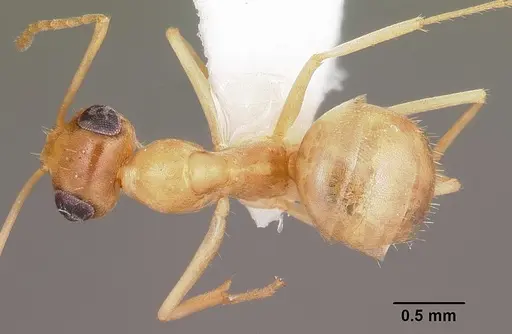
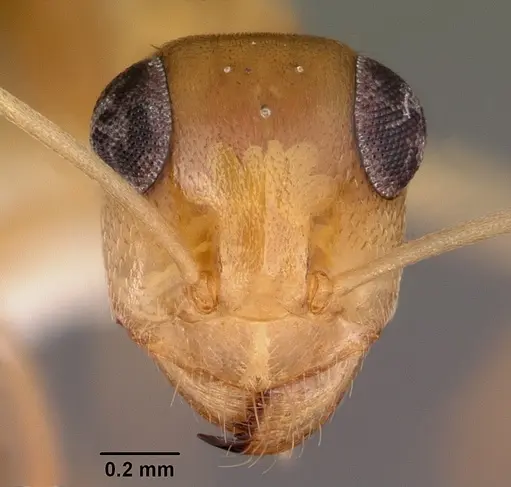
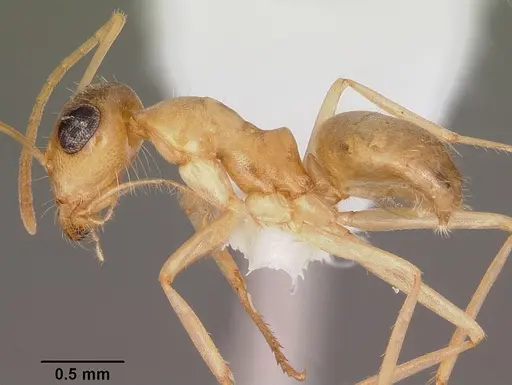
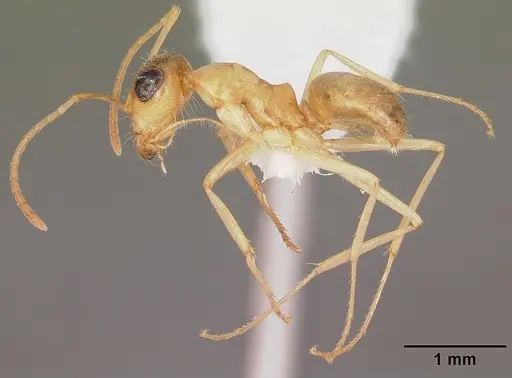
CASENT0105635
View on AntWeb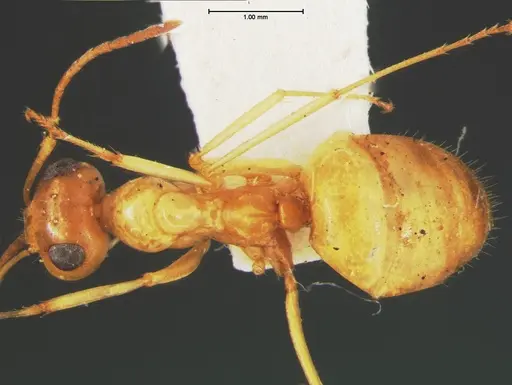
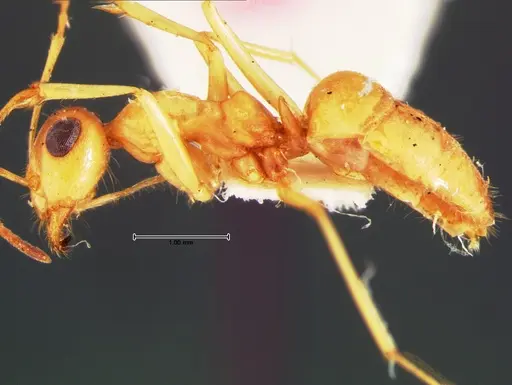
CASENT0280529
View on AntWeb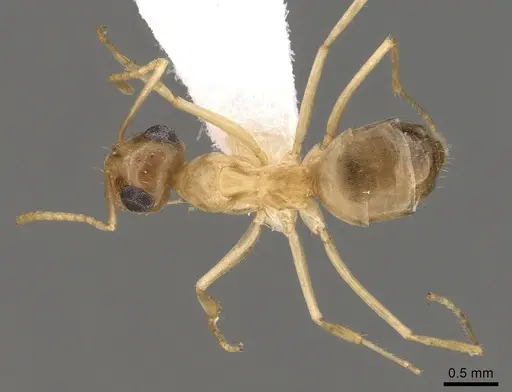
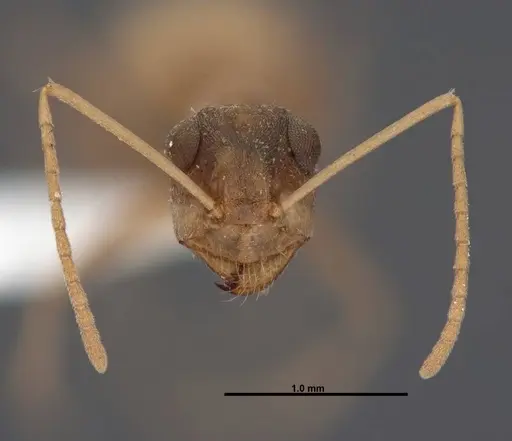
FMNHINS0000062665
View on AntWeb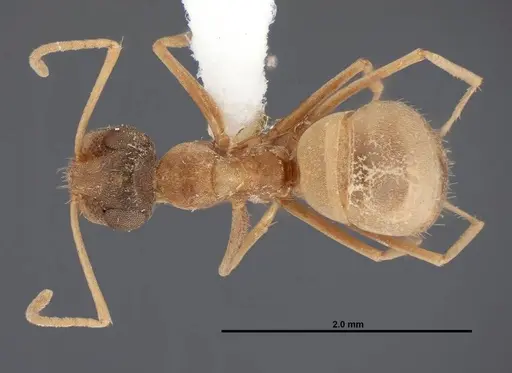
Literature
Loading...Loading products...