

Myrmecocystus depilis
- Scientific Name
- Myrmecocystus depilis
- Tribe
- Lasiini
- Subfamily
- Formicinae
- Author
- Forel, 1901
- Common Name
- Hairless Honeypot Ant
- Distribution
- Found in 2 countries
Myrmecocystus depilis Overview
Myrmecocystus depilis (commonly known as the Hairless Honeypot Ant) is an ant species of the genus Myrmecocystus. It is primarily documented in 2 countries , including Mexico, United States of America. Detailed taxonomic data and occurrence records can be further explored via authoritative databases such as AntWeb or the Global Biodiversity Information Facility (GBIF).
Myrmecocystus depilis - "Hairless Honeypot Ant"
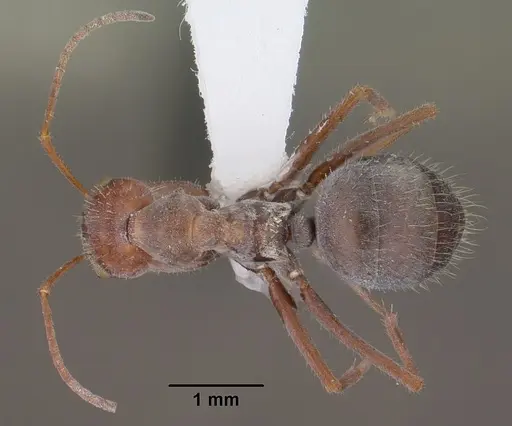
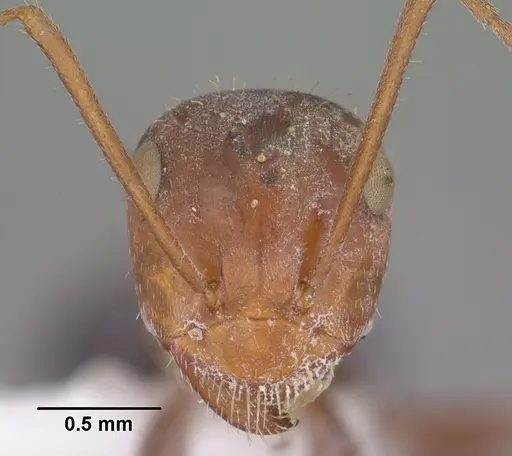
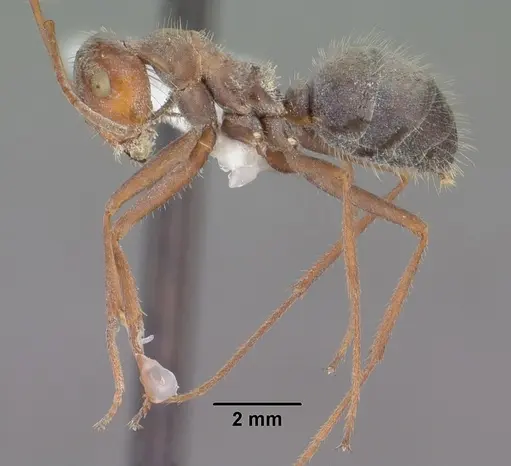
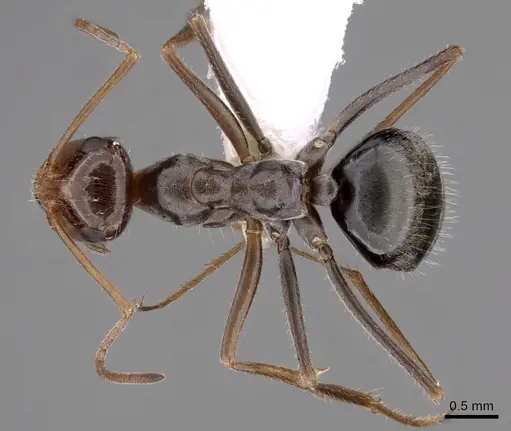
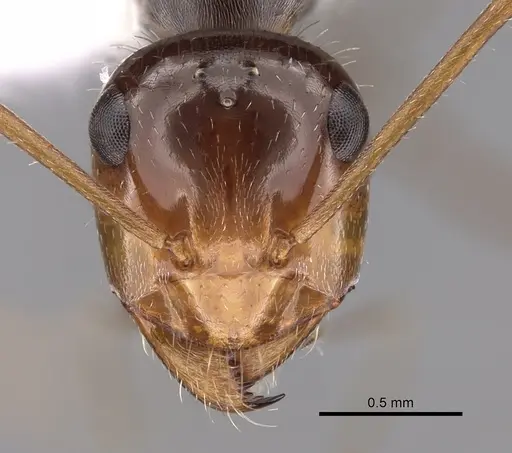
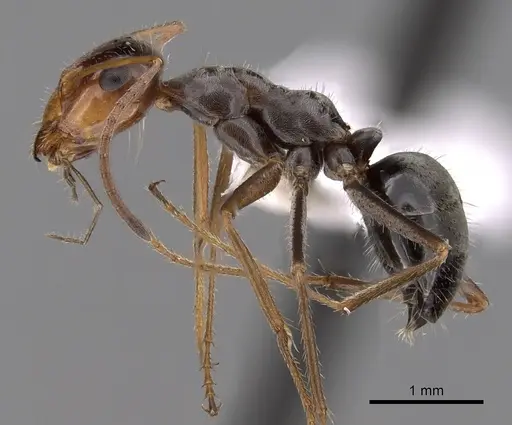
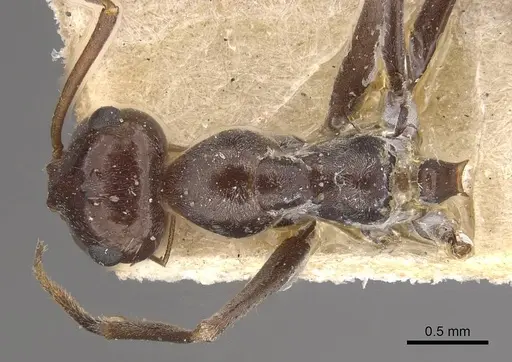
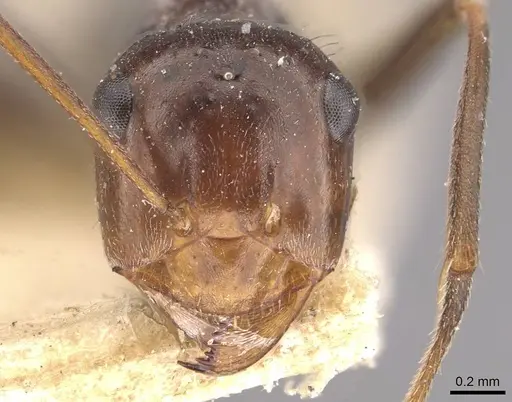
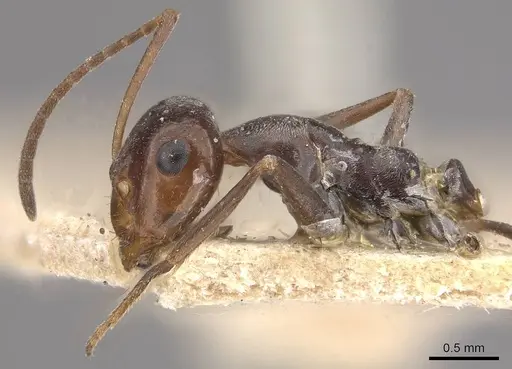
Myrmecocystus depilis is a medium-sized honey ant native to the deserts of the American Southwest and central Mexico. Workers measure 1.3-2.3mm in body length with a distinctive appearance: the gaster is blackish, while the head and mesosoma are brownish with extensive dark markings. Major workers have long, slender hairs on the pronotum that can equal or exceed the length of the eye, and the third gastral tergum typically shows conspicuous appressed pubescence. Queens are robust at 4.0-4.5mm in length. This species is closely related to Myrmecocystus mimicus and was long confused with it in scientific literature [1].
What makes M. depilis particularly interesting is its complex social behavior. Like other honey ants, they have repletes, special workers that store honeydew in their enlarged abdomens to feed the colony during lean times. However, this species also exhibits facultative slavery behavior: genetic studies show that about 25% of wild colonies contain workers from other colonies (intraspecific slavery), and they also raid colonies of the related species M. mimicus (interspecific slavery). This makes them one of the more behaviorally complex ants in the hobby [2][3].
Quick Summary
- Difficulty: Medium
- Origin & Habitat: Desert habitats from western Texas to southern Nevada, south to central Mexico. Found in creosote bush desert, trans-Pecos shrub savannah, mesquite woodlands, and sandy soils. This is a true desert species adapted to arid conditions [1][4].
- Colony Type: Single-queen colonies (obligatory monogyne). Genetic studies confirm only one queen per colony across hundreds of colonies examined. However, colonies can contain enslaved workers from other M. depilis colonies or from M. mimicus colonies [5][2].
- Colony: Monogyne
- Founding: Claustral
- Special: Slave-making
- Size & Growth:
- Queen: 4.0-4.5mm [1]
- Worker: 1.3-2.3mm [1]
- Colony: Up to approximately 1,900 workers [6]
- Growth: Moderate
- Development: 6-10 weeks (estimated based on related Myrmecocystus species and typical Formicinae development) (Development time is inferred from genus patterns, direct measurements for this specific species are not available)
- Antkeeping:
- Temperature: Keep at 22-28°C. As a desert species, they tolerate higher temperatures well. Related species show CTmax around 47°C, but optimal foraging occurs between 27-37°C (80-98°F). A temperature gradient allowing warmer and cooler areas is recommended [7][1].
- Humidity: Low to moderate. Desert species, keep substrate relatively dry, not waterlogged. Provide a shallow water dish but avoid excessive moisture. Allow areas to dry out between waterings.
- Diapause: Yes, provide a winter rest period (diapause) at 10-15°C for 2-3 months. This mimics their natural seasonal cycle in desert environments where temperatures drop significantly in winter.
- Nesting: Y-tong (acrylic) nests work well, or a naturalistic setup with sandy substrate. They nest in sandy soil in the wild and construct entrance tumuli (craters) around nest openings. Provide digging medium if founding in test tubes, or transfer to a formicarium once colony establishes [1].
- Behavior: Generally calm and not aggressive toward keepers. Workers forage individually or in small groups, searching for honeydew, nectar, and small arthropods. They are not strong climbers but can escape through small gaps. The most notable behavior is their raiding tendency, they may attempt to enslave workers from M. mimicus colonies if kept nearby. This species is more aggressive than M. mimicus and tournaments between colonies can escalate to physical fights [2].
- Common Issues: slavery behavior, if kept with M. mimicus, they may raid and enslave workers from those colonies, desert species prone to mold in overly humid conditions, keep nesting area dry, escape risk exists despite medium size, use tight-fitting lids and barrier gel, colonies may fail if kept too cold year-round, they need summer warmth for foraging and a proper diapause, wild-caught colonies may have the parasitic beetle Cremastocheilus stathamae in the nest, check for unexpected guests
Housing and Nest Setup
Myrmecocystus depilis does well in standard ant keeping setups. For founding colonies, use a test tube setup with a water reservoir at one end, filled with cotton and connected to a foraging area. Once the colony reaches 20-30 workers, transfer to a Y-tong (acrylic) nest or formicarium. Since they're a desert species, use a relatively dry setup, the nesting chamber should not be overly moist. A layer of sandy soil or excavation material works well if using a naturalistic formicarium. They don't require high humidity like tropical species. Make sure the outworld has a shallow water dish and provide a heat source on one side if room temperature is below 22°C [1].
Feeding and Diet
Like other honey ants, M. depilis has a sweet tooth but also needs protein. Offer sugar water, honey, or diluted maple syrup as a constant food source, they'll store excess in repletes (special honey-storing workers). For protein, provide small insects like fruit flies, pinhead crickets, or mealworms. In the wild, they collect honeydew from aphids and coccids, hunt small arthropods, and gather nectar from flowers including Opuntia, Parthenium incanum, and Euphorbia albomarginata. Feed protein 2-3 times per week and keep sugar water available at all times. Remove uneaten prey after 24 hours to prevent mold [1][8].
Temperature and Seasonal Care
These desert ants thrive at warm temperatures between 22-28°C. They can tolerate much higher temperatures, related species show critical thermal maximum around 47°C, and natural foraging peaks when daytime temperatures reach 27-37°C (80-98°F) after rainfall. In summer, room temperature is usually sufficient, but you may want to provide a small heat cable on one side of the nest during cooler months. In winter, provide a diapause (winter rest) at 10-15°C for 2-3 months. This mimics their natural cycle in desert environments where winter brings cold temperatures and reduced activity. Do not keep them warm year-round, they need this seasonal cycle for colony health [7][1].
Colony Structure and Social Behavior
M. depilis is an obligatory monogyne species, each colony has exactly one queen, confirmed across hundreds of wild colonies studied genetically. However, their social structure is complex due to their slavery behavior. About 25% of wild colonies contain workers from other M. depilis colonies (intraspecific slavery), and they also raid colonies of the related species M. mimicus. Genetic analysis shows that 6-28% of workers in affected colonies are enslaved individuals. This makes M. depilis one of the more behaviorally sophisticated ants in the hobby, they're essentially facultative slave-makers. If you keep multiple Myrmecocystus species together, expect potential raiding behavior [5][2][3].
Growth and Development
Colonies can grow to approximately 1,900 workers in the wild. Development from egg to worker takes an estimated 6-10 weeks based on related Formicinae species, though specific measurements for M. depilis are not documented. Queens are 4.0-4.5mm and workers range from 1.3-2.3mm. The colony grows moderately, not as fast as some tropical species but faster than slow-growing Camponotus. Major workers (larger individuals) develop with the distinctive long pronotal hairs that help identify this species. The presence of repletes (honey-storing workers) develops as the colony ages and food becomes abundant [6][1].
Frequently Asked Questions
Is Myrmecocystus depilis good for beginners?
This species is rated as medium difficulty. They're harder than basic species like Lasius because they need a proper winter diapause and can be sensitive to humidity. However, they're not as challenging as some exotic tropical species. If you're comfortable with basic ant keeping and can provide a winter cooling period, they make interesting pets.
How long does it take for the first workers to appear?
Expect first workers (nanitics) approximately 6-10 weeks after the queen lays her first eggs. This is estimated based on related Formicinae species, specific development data for M. depilis is not available. The queen will remain claustrated in her founding chamber, living off her fat reserves, until the first workers emerge.
Can I keep multiple queens together?
No. Myrmecocystus depilis is an obligatory monogyne species, genetic studies confirm only one queen per colony. Laboratory attempts to initiate pleometrotic (multiple queen) founding have failed. If you find multiple queens, they will fight, only one will survive.
What makes Myrmecocystus depilis different from other ants?
They have two unique features: 1) Repletes, special workers that store honey in their abdomens to feed the colony during dry seasons, and 2) Facultative slavery, they raid colonies of their own species and related M. mimicus to enslave workers. About 25% of wild colonies contain enslaved workers.
Do they need hibernation?
Yes, provide a winter diapause. Keep them at 10-15°C for 2-3 months during winter. This mimics their natural desert cycle where temperatures drop significantly. Without this rest period, colony health may decline over time. Reduce feeding during diapause and keep them in a cool location like a basement or garage.
Can I keep M. depilis with other Myrmecocystus species?
Not recommended. M. depilis is known to raid M. mimicus colonies and enslave their workers. If kept together, you'll likely see raiding behavior where M. depilis workers pull M. mimicus workers into their colony. This is interesting natural behavior but may stress both colonies. Keep them separate.
How big do colonies get?
Wild colonies reach approximately 1,900 workers. In captivity, you can expect similar sizes with good care. They grow at a moderate pace, not the fastest but faster than carpenter ants. A mature colony will develop major workers with the species' distinctive long pronotal hairs.
What should I feed Myrmecocystus depilis?
Offer a constant sugar source (sugar water, honey, or maple syrup) and protein 2-3 times weekly (small insects like fruit flies, pinhead crickets, or mealworms). In the wild they also collect nectar from flowers and honeydew from aphids. They'll store excess sugar in repletes, workers with swollen, honey-filled abdomens.
Why are some workers' abdomens swollen?
Those are repletes, special workers that serve as living food storage. They fill their abdomens with honeydew and nectar, which they regurgitate to feed other colony members during times when food is scarce. This is the characteristic that gives honey ants their name. Having repletes is a sign of a healthy, well-fed colony.
References

This caresheet is licensed under CC BY-SA 4.0 .
Literature
Loading...Loading products...