

Myrmecocystus mimicus
- Scientific Name
- Myrmecocystus mimicus
- Tribe
- Lasiini
- Subfamily
- Formicinae
- Author
- Wheeler, 1908
- Distribution
- Found in 2 countries
Myrmecocystus mimicus Overview
Myrmecocystus mimicus is an ant species of the genus Myrmecocystus. It is primarily documented in 2 countries , including Mexico, United States of America. Detailed taxonomic data and occurrence records can be further explored via authoritative databases such as AntWeb or the Global Biodiversity Information Facility (GBIF).
Myrmecocystus mimicus
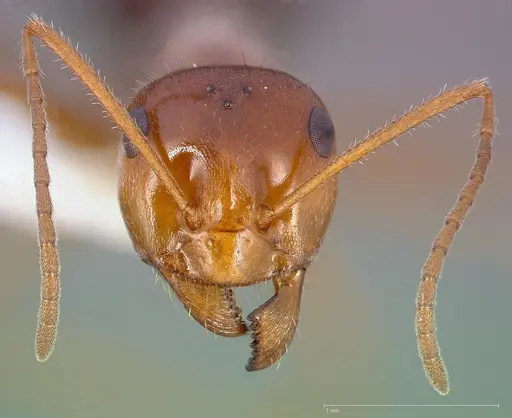
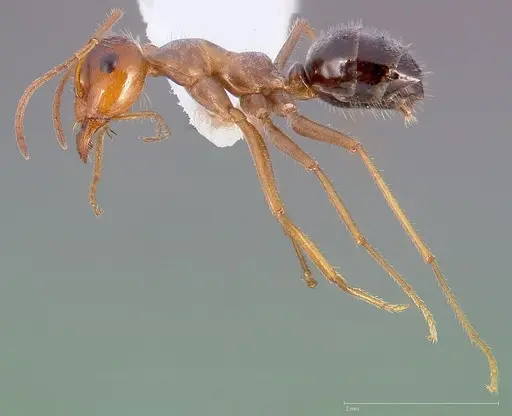
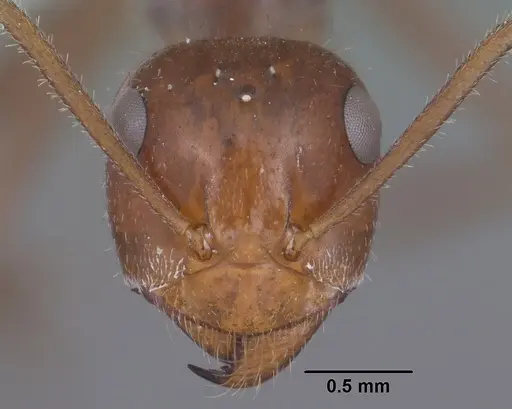
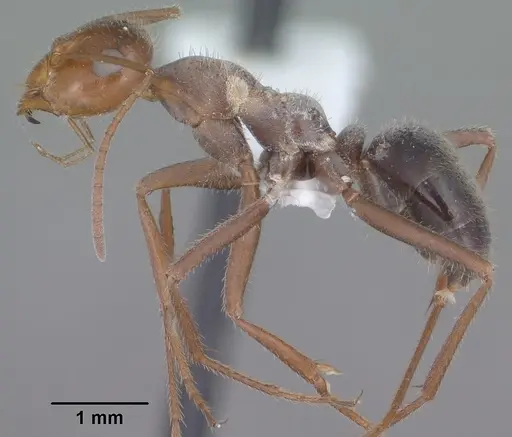
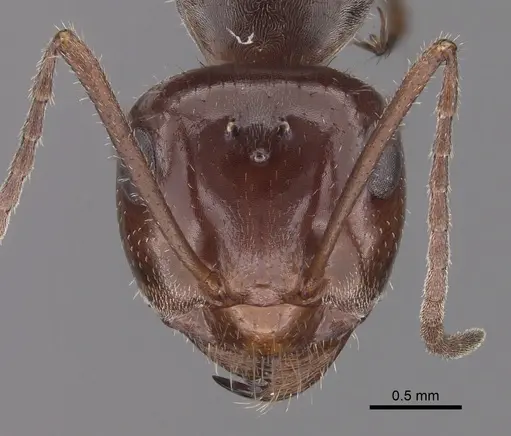
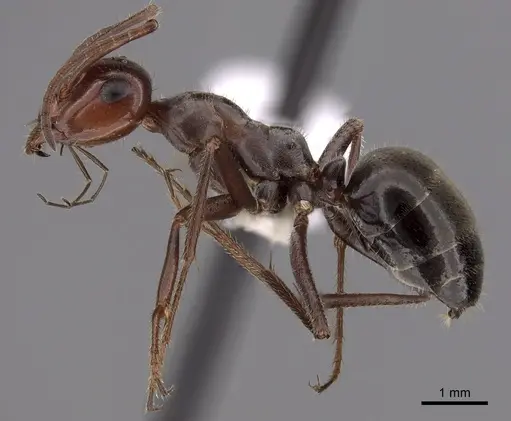
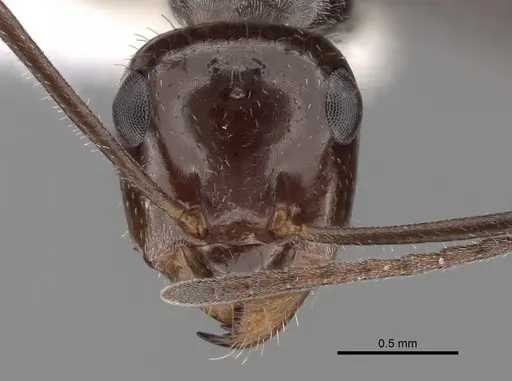
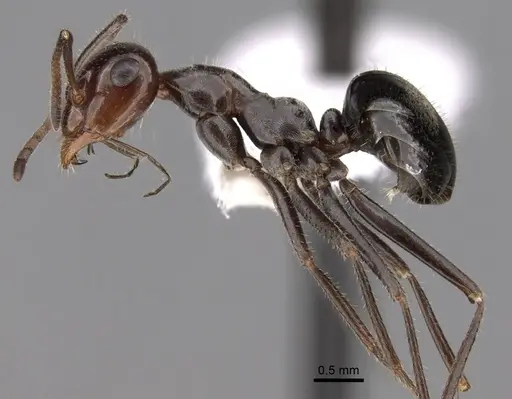
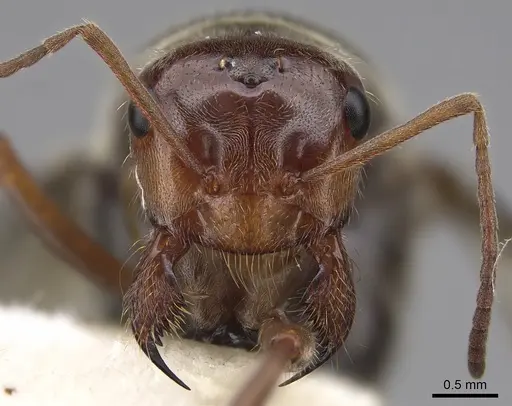
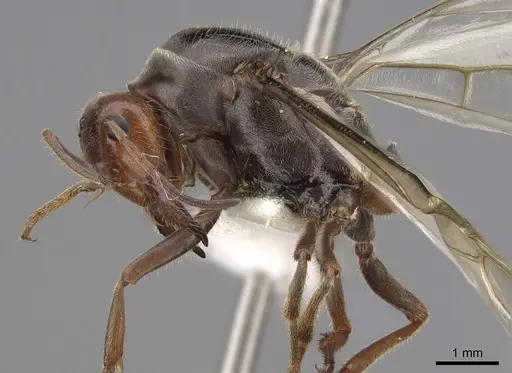
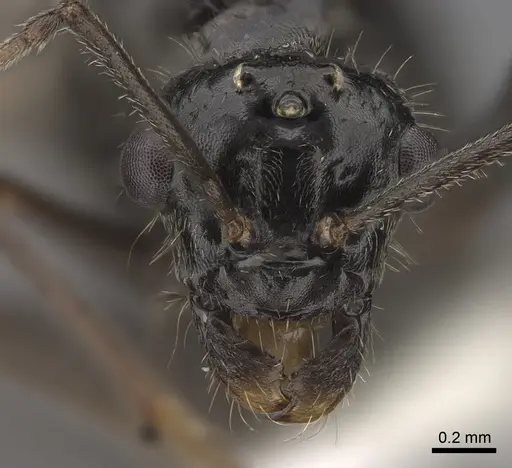
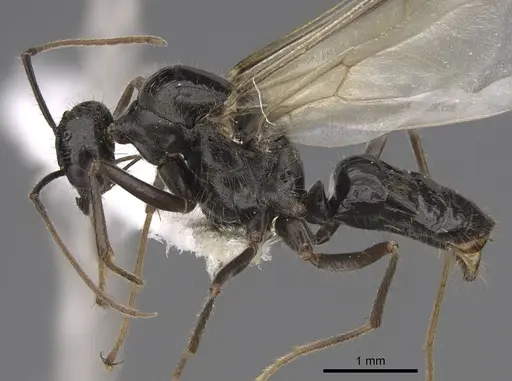
Myrmecocystus mimicus is a medium-sized honeypot ant native to the southwestern United States and northern Mexico. Workers measure 0.95-1.67mm with a distinctive appearance featuring a smooth, shiny head and sparse hairs on the thorax. The species gets its name from specialized workers called repletes that store liquid food in their swollen abdomens, hanging from the nest ceiling like living honeypots. Queens are larger at 1.80-2.05mm and dark reddish-brown to medium brown in color. This diurnal species inhabits arid and semi-arid regions across multiple habitat types from California to Texas, nesting in pebbly or clayey soil where they build characteristic crater mounds or conceal entrances in grass clumps[1].
What makes M. mimicus particularly fascinating is its complex social behavior. Unlike typical ant colonies, this species engages in dramatic territorial tournaments where opposing colonies perform ritualized displays, workers walk on stilted legs, raise their heads and abdomens, and drum opponents with antennae to assess relative colony strength. These tournaments can escalate into raids where smaller colonies are attacked and their brood and repletes captured. Research shows about 31% of wild colonies contain enslaved workers from these raids, making this one of the few ant species known to practice intraspecific slavery [2][3].
Quick Summary
- Difficulty: Medium
- Origin & Habitat: Southwestern United States and northern Mexico, from southwestern Kansas south to Big Bend region of Texas and west to Baja California and California. Inhabits diverse arid and semi-arid habitats including desert grasslands, creosote bush scrub, sagebrush, oak-juniper woodlands, and pinyon-juniper communities. Found from sea level to about 4,000 feet elevation in southern California[1][4].
- Colony Type: Facultatively polygynous, colonies can be founded by multiple queens (pleometrosis), but mature colonies become exclusively monogynous with a single reproductive queen. Genetic studies confirm some mature colonies contain multiple unrelated queens, suggesting primary polygyny originates from pleometrotic founding. Approximately 31% of colonies contain intraspecific enslaved workers from raidvictim colonies [3][2].
- Colony: Optionally polygyne
- Founding: Claustral, Pleometrosis
- Special: Slave-making
- Size & Growth:
- Queen: 1.80-2.05mm
- Worker: 0.95-1.67mm
- Colony: Up to approximately 1,900 workers [5]
- Growth: Moderate, development time estimated at 6-10 weeks from egg to first worker based on related Formicinae species
- Development: 6-10 weeks (estimated based on genus patterns) (Development time is inferred from typical Formicinae development. Queens seal themselves in during claustral founding and rely on stored fat reserves until first workers emerge.)
- Antkeeping:
- Temperature: Keep at 22-26°C. This is a desert species adapted to warm conditions, but avoid extreme heat. Room temperature within this range works well, or use a heating cable on one side of the nest for a gentle gradient [6][7].
- Humidity: Low to moderate, these are desert ants adapted to arid conditions. Keep nest substrate moderately dry with occasional moisture. Allow areas to dry out between waterings. Avoid damp, stagnant conditions that can cause mold [1].
- Diapause: Yes, these ants are adapted to seasonal cycles in desert environments. Provide a winter rest period at 10-15°C for 2-3 months during winter months, mimicking their natural dormancy [1].
- Nesting: Natural nesting occurs in pebbly or clayey soil, often with crater-shaped mounds or entrances concealed in grass clumps. In captivity, a Y-tong (AAC) nest or plaster formicarium works well. Provide compact chambers and narrow passages scaled to their medium size. A test tube setup can work for founding colonies but will need upgrading as the colony grows[1].
- Behavior: M. mimicus is a diurnal general scavenger and predator. Workers forage actively during midday hours, scavenging on dead arthropods, preying on insects including termites, and feeding on floral nectar. They also tend aphids for honeydew. This species is known for its dramatic territorial behavior, when colonies meet, workers engage in ritualized tournaments where they walk on stilted legs, raise their bodies, and perform displays to assess relative colony strength. These tournaments rarely escalate to physical fighting but can lead to raids on weaker colonies. Workers are described as timid and rapid movers. Escape prevention should be moderate, these ants are not particularly small but are active and may attempt to escape if disturbed [8][9][10][1].
- Common Issues: colonies may raid each other if kept in close proximity, separate founding colonies well to prevent brood theft, repletes (honeypots) are fragile, sudden movements or disturbances can cause them to rupture, releasing stored liquid, desert species is sensitive to excess moisture, overwatering leads to mold and colony decline, queen elimination during founding, pleometrotic colonies eventually reduce to single queen, stress can cause premature queen death, slow founding phase, claustral queens may take months before first workers appear, beginners often give up too soon
Housing and Nest Setup
Myrmecocystus mimicus nests naturally in pebbly or clayey soil across their desert and semi-arid range. In captivity, provide a nest that mimics these conditions, a Y-tong (AAC) formicarium or plaster nest works well for established colonies. For founding colonies, a simple test tube setup can work, but monitor humidity carefully as these desert ants prefer drier conditions than many tropical species. The nest should have compact chambers scaled to their medium worker size (0.95-1.67mm). Avoid overly large, open spaces. Because they are desert ants, ensure good ventilation to prevent mold while maintaining moderate humidity. Place the nest in a warm area of your ant setup, around 22-26°C, with a temperature gradient if possible so workers can choose their preferred zone[1].
Feeding and Diet
M. mimicus is a generalist scavenger and predator in the wild. Workers actively forage for dead arthropods, capture living insects including termites, feed on floral nectar, and tend aphids for honeydew. In captivity, offer a varied diet: protein sources like small crickets, mealworms, or other feeder insects 2-3 times per week, and sugar sources like sugar water, honey, or diluted honey water constantly. They are known to avidly collect nectar, so sweet liquids should always be available. Their predatory nature means live prey is appreciated but not strictly required, they will accept pre-killed insects. Termites and other small insects make ideal natural prey. Avoid overfeeding as leftover food can attract mold in their relatively dry nest environment [8][9][1]
Temperature and Seasonal Care
As a desert species from the American Southwest, M. mimicus prefers warm conditions. Keep the nest area at 22-26°C, which supports normal colony activity and brood development. A heating cable on one side of the nest can create a gentle gradient, but avoid direct heat that could dry out the nest too quickly. These ants are adapted to extreme heat in their natural habitat, one related species tolerates surface temperatures up to 60°C [6], but in captivity, moderate warmth is ideal. During winter, provide a diapause (hibernation) period of 2-3 months at 10-15°C to mimic their natural seasonal cycle. This winter rest is important for colony health and should be provided annually. Reduce feeding during diapause and avoid disturbing the colony [6][1]
Colony Dynamics and Social Behavior
M. mimicus exhibits fascinating and complex social behaviors that set it apart from many common ant species. Colonies can be founded pleometrotically, multiple queens start a nest together, though workers eventually eliminate all but one queen, resulting in monogynous mature colonies. The most remarkable behavior is their territorial tournament system: when workers from neighboring colonies encounter each other, they engage in ritualized displays rather than immediate combat. Workers walk on stilted legs, raise their heads and abdomens to appear larger, and drum opponents with their antennae. These tournaments function as communication where colonies assess each other's size, smaller colonies retreat while larger ones may escalate to raids [10][11].
Approximately 31% of wild colonies contain enslaved workers captured from other M. mimicus colonies through raids. During these raids, workers capture larvae, pupae, callow workers, and repletes from weaker colonies. The captured brood emerges as workers in the raiding colony, effectively becoming enslaved. This intraspecific slavery means your colony could potentially contain workers from multiple genetic lineages. Genetic studies show raided workers can comprise 6-40% of a colony's workforce [2][3].
Reproduction and Nuptial Flights
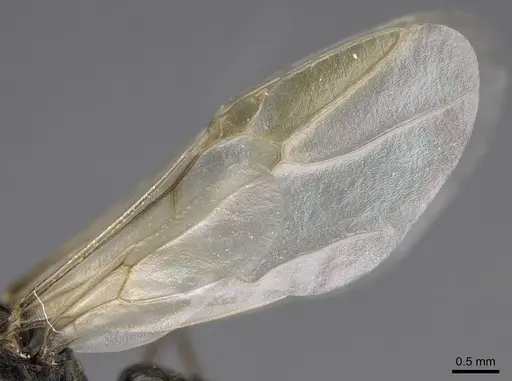
Mating flights occur in late afternoon following significant rain events, though morning flights have been observed. This timing coincides with soil moisture conditions favorable for colony foundation. Alate (winged) males and females develop in the nest months before flights, one study found winged forms present as early as March 9 in New Mexico nests, with flights occurring in late July and early August after the first rains [12]. After mating, fertilized queens dig founding chambers in soil where they seal themselves in (claustral founding) and raise the first brood alone using stored fat reserves. The founding chamber is typically a small cell in pebbly or clayey soil. Multiple queens may attempt to found colonies together (pleometrosis), but this is uncommon in the wild, researchers have found numerous founding females but all were in individual burrows[3].
Frequently Asked Questions
How long does it take for Myrmecocystus mimicus to produce first workers?
Expect 6-10 weeks from egg to first worker at optimal temperature (22-26°C). This is estimated based on typical Formicinae development since specific development times for M. mimicus have not been documented. The claustral queen will seal herself in and remain inactive until her first workers emerge, so be patient, founding can take several months.
Can I keep multiple Myrmecocystus mimicus queens together?
While pleometrosis (multiple queen founding) occurs in the wild, it is uncommon and the extra queens are eventually eliminated. In captivity, combining unrelated queens is risky and not recommended, they may fight or stress each other, leading to colony failure. It's best to start with a single founding queen [3][2].
What makes Myrmecocystus mimicus different from other ants?
M. mimicus is famous for two unique traits: 1) Repletes, specialized workers whose abdomens swell with stored liquid food, hanging from the nest ceiling like living honeypots. 2) Intraspecific slavery, colonies raid neighboring colonies and capture brood, which then emerge as enslaved workers in the raiding colony. About 31% of wild colonies contain these enslaved workers [2][13].
How big do Myrmecocystus mimicus colonies get?
Mature colonies reach approximately 1,900 workers based on field studies. This is moderate compared to some honeypot ants that can have larger colonies. Growth is moderate, expect several months to a year for the first workers, then steady growth over 2-3 years to reach full size [5].
Do Myrmecocystus mimicus need hibernation?
Yes, these desert ants are adapted to seasonal cycles and benefit from an annual diapause. Provide 2-3 months of cooler temperatures (10-15°C) during winter. Reduce feeding during this period and minimize disturbances. This mimics their natural dormancy and supports long-term colony health [1].
Why are my M. mimicus workers dying outside the nest?
Some worker mortality is normal, but excessive deaths may indicate problems. These desert ants are sensitive to excess moisture, damp conditions cause mold and can kill colonies. Ensure the nest is drying appropriately between waterings. Also check for parasites like Laboulbenia fungus, which has been documented on this species. If workers are dying in large numbers, review humidity levels and check for signs of disease or parasites [14][15].
Can I keep Myrmecocystus mimicus in a test tube?
Test tubes can work for founding colonies, but monitor humidity carefully, these desert ants prefer drier conditions than many species. The test tube should have a water reservoir but allow the棉花 to dry partially between refills. You will need to upgrade to a proper formicarium (Y-tong or plaster nest) as the colony grows beyond 50-100 workers. Ensure good ventilation regardless of setup [1].
Are Myrmecocystus mimicus good for beginners?
This species is rated as medium difficulty. While not the hardest ant to keep, they have specific needs, desert-appropriate humidity levels, warm temperatures, and annual hibernation. Their complex social behaviors (tournaments, raids, slavery) are fascinating but also mean colonies kept near each other may interact. They are rewarding for keepers willing to provide proper desert conditions and who find their unique behaviors interesting [1].
What should I feed my M. mimicus colony?
Offer a varied diet: protein (small insects like crickets, mealworms, or termites) 2-3 times weekly, and constant access to sugar sources (sugar water, honey, or diluted honey). They are generalists that scavenge and hunt in the wild, so variety is appreciated. Avoid overfeeding as leftover prey can cause mold issues in their dry nest environment [8][9].
References

This caresheet is licensed under CC BY-SA 4.0 .
CASENT0005414
View on AntWeb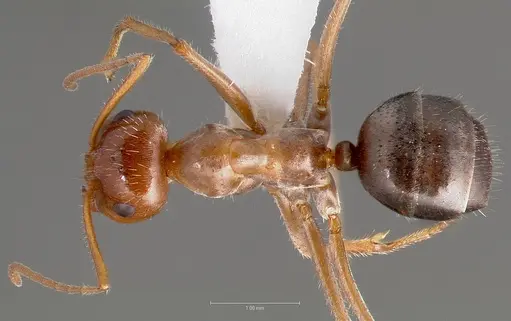
CASENT0102815
View on AntWeb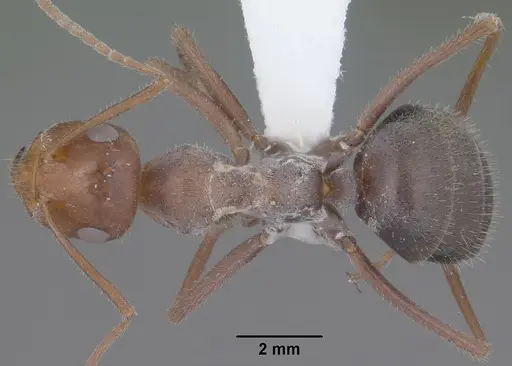
CASENT0280512
View on AntWeb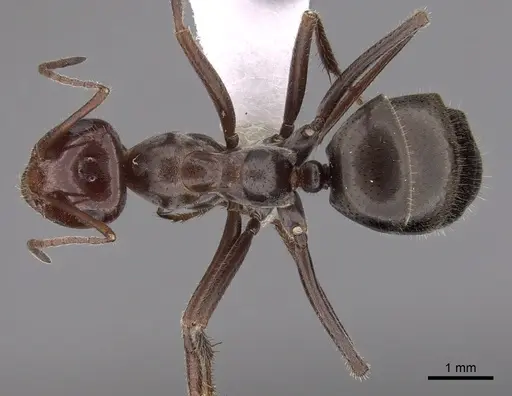
CASENT0280513
View on AntWeb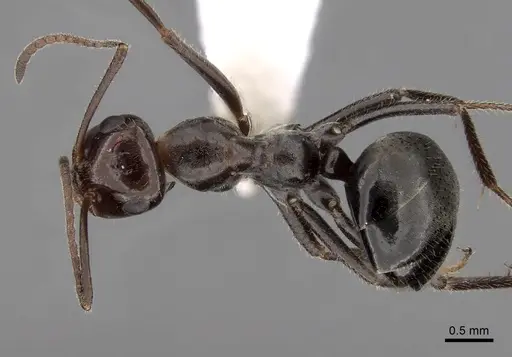
CASENT0862011
View on AntWeb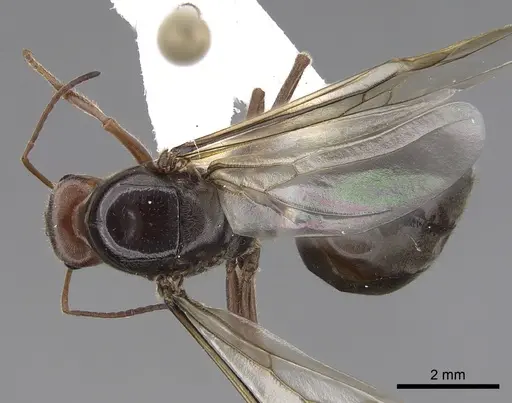
CASENT0862012
View on AntWeb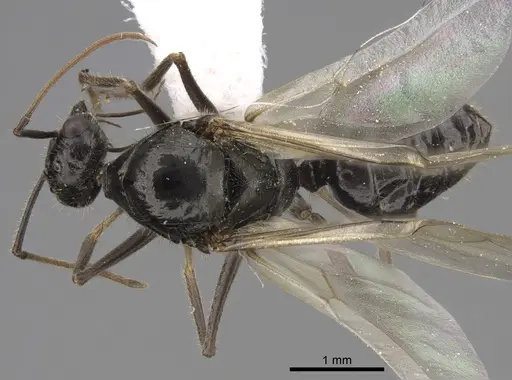
Literature
Loading...Loading products...