

Myrmecia regularis
- Scientific Name
- Myrmecia regularis
- Tribe
- Myrmeciini
- Subfamily
- Myrmeciinae
- Author
- Crawley, 1925
- Distribution
- Found in 1 countries
Myrmecia regularis Overview
Myrmecia regularis is an ant species of the genus Myrmecia. It is primarily documented in 1 countries , including Australia. Detailed taxonomic data and occurrence records can be further explored via authoritative databases such as AntWeb or the Global Biodiversity Information Facility (GBIF).
Myrmecia regularis
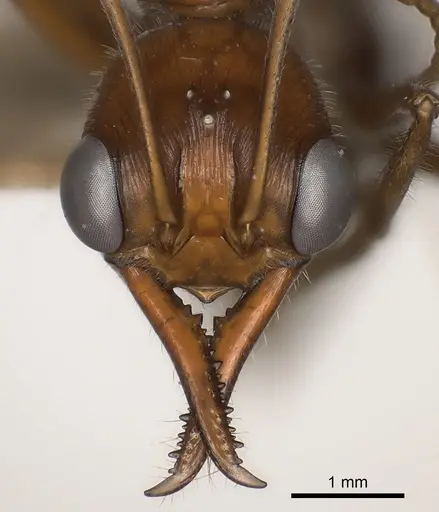
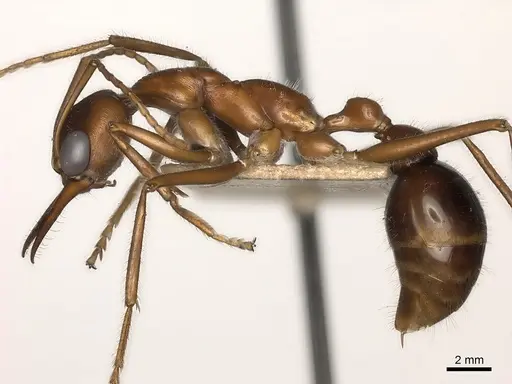
Myrmecia regularis is a striking bulldog ant native to southwestern Australia. Workers are large, majors reach 14mm while minors are around 10mm. They have a distinctive appearance with bright mahogany-red head and thorax, darker legs, and a black gaster. This species belongs to the Myrmecia gulosa species group and is commonly found in the karri belt regions along Western Australia's south coast [1].
What makes M. regularis unusual is its semi-claustral founding method, unlike most ants where queens seal themselves away, these queens must leave the nest to hunt for food during the early colony founding stage. They also have brachypterous queens, meaning the queens have short non-functional wings that break off shortly after emergence. Colonies are relatively small, typically reaching 100-200 workers [1].
Quick Summary
- Difficulty: Medium
- Origin & Habitat: Southwestern Australia, particularly the karri belt near the south-west coast around Albany, Western Australia. They nest in damp, black earth under logs or large stones [1].
- Colony Type: Single-queen colonies (monogyne). Queens are brachypterous, they emerge with short wings that break off before dispersal, then found colonies by walking away rather than flying [1][2].
- Colony: Monogyne
- Founding: Semi-claustral
- Size & Growth:
- Queen: Approximately 14mm+ (brachypterous queen with short wings) [1]
- Worker: Major workers 14mm, minor workers 10mm [1]
- Colony: Up to 100-200 workers [1]
- Growth: Moderate
- Development: Estimated 2-3 months based on genus patterns, Myrmecia species typically have longer development than many ants due to their larger size (Development is likely slower than smaller ant species due to their larger body size and semi-claustral founding requirements)
- Antkeeping:
- Temperature: Keep around 22-26°C during active season. They tolerate cooler conditions given their southern Australian origin but need warmth for brood development [1].
- Humidity: Require damp nest conditions, they naturally nest in damp, black earth under logs or stones. Keep the nest substrate consistently moist but not waterlogged [1].
- Diapause: Yes, as a species from temperate southwestern Australia, they will need a winter rest period. Reduce temperature to around 10-15°C for 2-3 months during winter [1].
- Nesting: Natural nesting is under logs or stones in damp soil. In captivity, a naturalistic setup with damp soil substrate and a flat stone or log piece on top works well. They also accept Y-tong or acrylic nests with moist substrate. Avoid dry, sandy conditions [1].
- Behavior: M. regularis is both nocturnal and diurnal, they'll forage at any time of day. They are aggressive defenders with powerful stings, this species is one of those involved in Australian ant sting anaphylaxis cases [2]. Workers climb eucalypt trunks in search of sap and nectar and actively hunt small insects. They have a potent sting and should be handled with caution. Escape prevention is important but these are large ants that cannot squeeze through typical barrier gaps [1].
- Common Issues: Semi-claustral founding is challenging, queens must be fed during founding, unlike claustral species, Their potent sting makes them risky for keepers with allergies, they will sting if threatened, Damp conditions required, they die quickly in dry nests, Winter diapause is essential for long-term colony health, Small colony size means slower growth than many beginner species
Nest Preferences and Housing
In the wild, Myrmecia regularis nests in damp, black earth under logs or large stones. They don't build mound nests like some other Myrmecia species. For captive care, recreate these conditions with a naturalistic setup using damp soil substrate and a hiding spot like a flat stone or piece of wood on the surface. You can also use Y-tong nests or acrylic formicariums filled with moist soil. The key is keeping the substrate consistently damp, these ants quickly decline in dry conditions. Provide a water tube for drinking access and ensure the outworld has some moisture so they don't dry out when foraging [1].
Feeding and Diet
M. regularis is an omnivorous forager. In nature, workers climb eucalypt trunks to collect sap and nectar, and they actively hunt small insects they encounter. In captivity, offer a varied diet: sugar water or honey as a constant energy source, and protein-rich foods like crickets, mealworms, or other insects. Feed protein 2-3 times per week. During founding, semi-claustral queens MUST be fed, this is critical. An unfed founding queen will die. Offer her small insect pieces or sugar water within the first week after she leaves the founding chamber [1].
Temperature and Seasonal Care
Keep your colony at 22-26°C during the active season. These ants come from southwestern Australia, so they can tolerate cooler temperatures than tropical species but need warmth for proper brood development. During winter (roughly May through August in the Southern Hemisphere), reduce temperatures to 10-15°C for a 2-3 month diapause period. This mimics their natural seasonal cycle and is essential for long-term colony health. Do not feed during diapause and minimize disturbance. Return to normal temperatures gradually in spring [1].
Behavior and Handling
Myrmecia regularis is an aggressive species with a powerful sting. Workers are both nocturnal and diurnal, meaning they'll forage at any time. They are bold foragers that will investigate and defend their nest vigorously. This species is one of the Myrmecia species involved in Australian ant sting anaphylaxis cases, if you're allergic to insect stings, this is not a recommended species [2]. When working with them, move slowly and never grab or squish them. They will chase and sting if they feel threatened. For escape prevention, standard barriers work well since they're large ants, they can't slip through gaps that would allow smaller species to escape [1][2].
Colony Founding
Colony founding in M. regularis is semi-claustral, which is unusual among ants. Most ant queens seal themselves in a chamber and survive on stored fat until workers arrive, these queens cannot do that. Instead, the brachypterous queen emerges, her short wings break off almost immediately, and she must leave to hunt for food herself. This makes founding colonies more challenging for keepers. You must feed the founding queen small insects or offer sugar water. She will hunt and feed herself while developing the first brood. This pattern has been studied and is described as 'independent colony founding' or ICF in the research literature [1].
Frequently Asked Questions
How long does it take for Myrmecia regularis to produce first workers?
Expect 2-3 months from egg to first worker, though this is an estimate based on genus patterns. Their semi-claustral founding and larger size means development may be slower than smaller claustral species. Be patient, founding colonies can take time to establish [1].
Do Myrmecia regularis queens need to be fed during founding?
Yes! This is critical. Unlike claustral queens that seal themselves away and survive on body fat, semi-claustral queens like M. regularis must leave the nest to hunt. You MUST offer small insect pieces or sugar water to your founding queen, or she will die [1].
Are Myrmecia regularis ants dangerous?
Yes, they have a potent sting and are one of the Myrmecia species involved in Australian ant sting anaphylaxis cases. If you're allergic to insect stings, this species is not recommended. Even non-allergic keepers should handle them carefully, they are aggressive and will sting when threatened [2].
What size colony do Myrmecia regularis reach?
Colonies typically reach 100-200 workers in the wild. This is smaller than some other Myrmecia species that can have hundreds of workers. Their colonies remain relatively modest in size [1].
Do Myrmecia regularis need hibernation?
Yes. As a species from temperate southwestern Australia, they need a winter rest period. Reduce temperatures to 10-15°C for 2-3 months during winter. Do not feed during this period and keep disturbance minimal [1].
Can I keep multiple Myrmecia regularis queens together?
No. This is a monogyne species, colonies have a single queen. Unlike some ants that can form multi-queen colonies, M. regularis colonies should be started with one queen only [1].
What do Myrmecia regularis eat?
They eat both sugar sources and protein. Offer sugar water or honey constantly, and feed protein like crickets, mealworms, or other insects 2-3 times per week. In nature they climb eucalypts for sap and nectar, and hunt insects [1].
What humidity do Myrmecia regularis need?
High humidity, they naturally nest in damp black earth under logs or stones. Keep the nest substrate consistently moist but not waterlogged. Dry conditions quickly kill these ants [1].
When should I move Myrmecia regularis to a formicarium?
Wait until you have at least 20-30 workers and the colony is well-established. Since they naturally nest under logs in damp soil, a naturalistic setup with moist soil works well. Only move to a formicarium if the test tube setup becomes too cramped [1].
Are Myrmecia regularis good for beginners?
Medium difficulty. They require more attention than beginner species like Lasius, you must feed founding queens, maintain damp conditions, and provide winter diapause. Their potent sting also makes them less ideal for those new to ant keeping. However, their small colony size and interesting behaviors make them rewarding for intermediate keepers [1].
References

This caresheet is licensed under CC BY-SA 4.0 .
CASENT0217502
View on AntWeb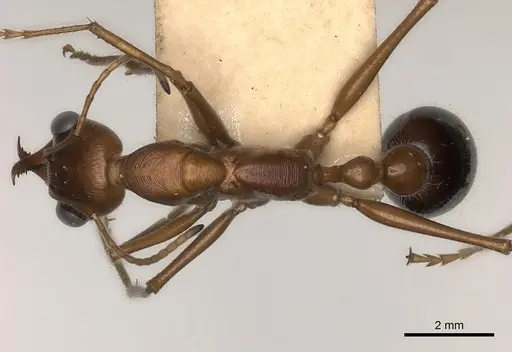
Literature
Loading...Loading products...