
Myrmecia gulosa exhibits a clear seasonal flight window. Peak flight activity is concentrated in April, with the overall period spanning March to April. The concentrated timeframe makes peak months critical for sightings.
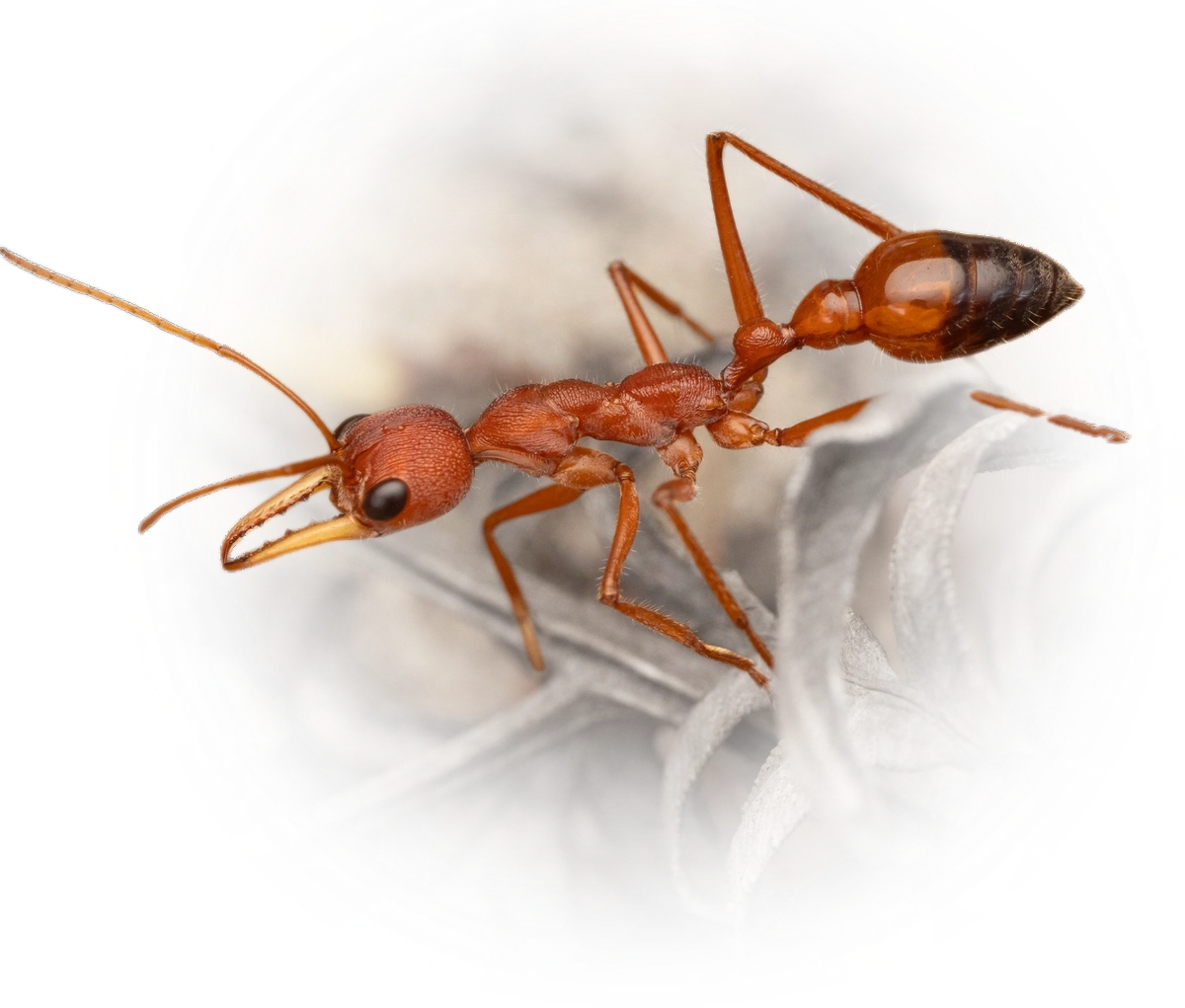
Myrmecia gulosa
- Scientific Name
- Myrmecia gulosa
- Tribe
- Myrmeciini
- Subfamily
- Myrmeciinae
- Author
- Fabricius, 1775
- Common Name
- Red Bull Ant
- Distribution
- Found in 1 countries
- Nuptial Flight
- from March to April, peaking in April
AI Identifiable
try →
Myrmecia gulosa Overview
Myrmecia gulosa (commonly known as the Red Bull Ant) is an ant species of the genus Myrmecia. It is primarily documented in 1 countries , including Australia. Detailed taxonomic data and occurrence records can be further explored via authoritative databases such as AntWeb or the Global Biodiversity Information Facility (GBIF).
The nuptial flight of Myrmecia gulosa is a significant biological event, typically occurring from March to April, peaking in April. During this time, winged queens and males leave the nest to mate and establish new colonies.
Myrmecia gulosa - "Red Bull Ant"
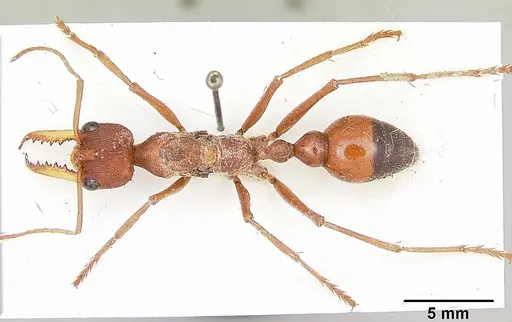
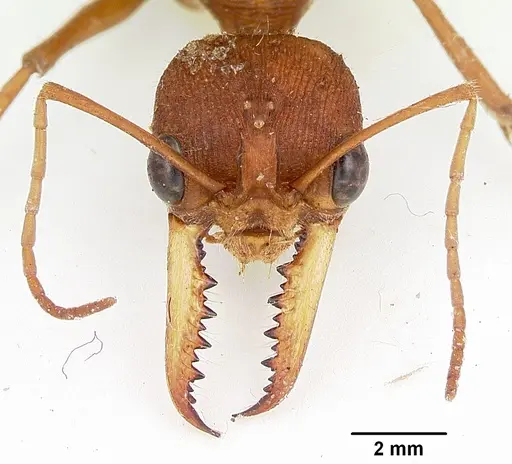
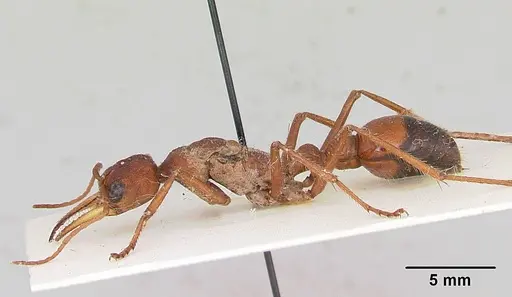
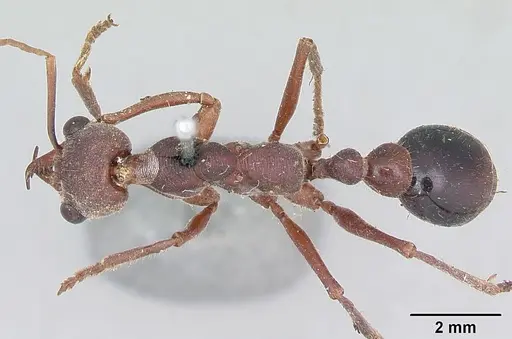
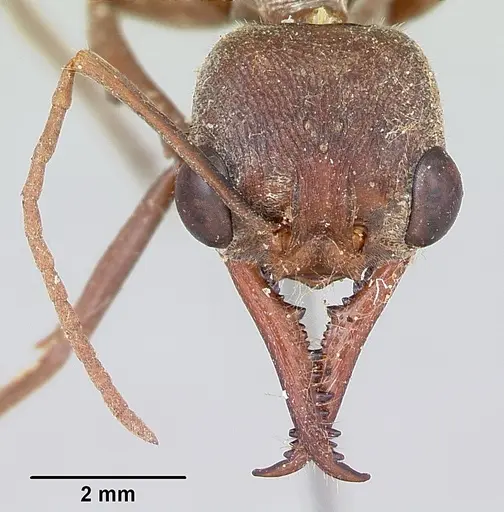
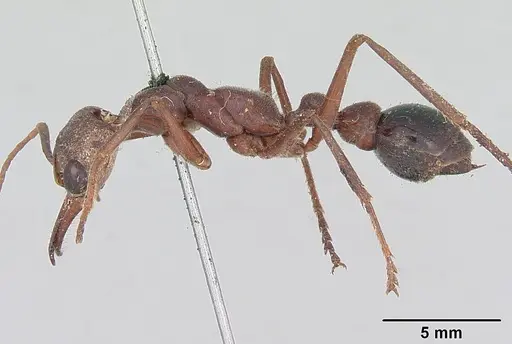
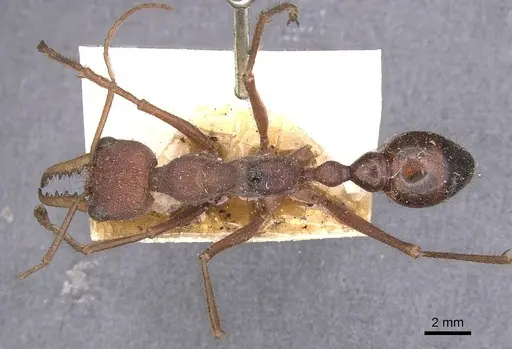
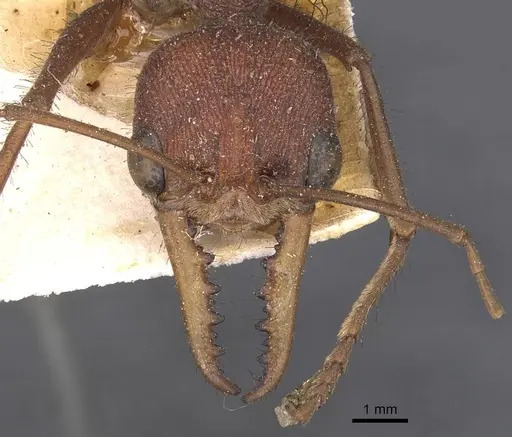
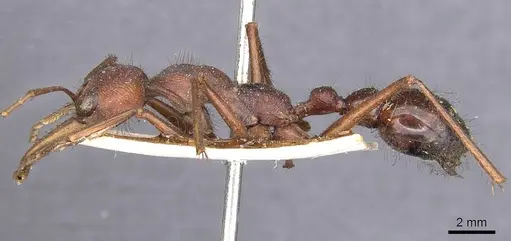
Myrmecia gulosa is a large, aggressive ant native to Australia, commonly known as the red bulldog ant. Workers measure 14-23mm and are among the largest ants in Australia, with a powerful build, large mandibles, and a potent sting [1]. The species is part of the Myrmecia gulosa species group and serves as a prototype for this group [2]. Colonies typically contain around 1000 workers and are monogynous (single queen), though rare cases of facultative polygyny (two queens) have been observed [3]. These ants are diurnal predators that forage solitarily for small prey [4]. They are known for their aggressive defense of the nest and their medically significant venom, which can cause severe allergic reactions in humans [5].
Quick Summary
- Difficulty: Medium
- Origin & Habitat: Australia, found across eastern Australia in various habitats including forests, woodlands, and urban areas. Nests in soil, typically under stones or in open ground [6].
- Colony Type: Monogynous (single queen) colonies with occasional facultative polygyny (2 queens in ~14% of colonies). Colony size averages 992±551 workers, ranging from 134 to 1859 workers [3]. Workers exhibit bimodal size distribution with roughly equal proportions of small (14-17mm) and large (18-23mm) workers.
- Colony: Optionally polygyne
- Founding: Claustral
- Special: Gamergates
- Size & Growth:
- Queen: Queens are only slightly larger than the largest workers, with overlapping size ranges [3].
- Worker: 14-23mm (bimodal distribution: small workers
- Colony: Up to approximately 1859 workers (average 992±551) [3].
- Growth: Moderate, univoltine life cycle with one generation per year [7].
- Development: Approximately 12-18 months from egg to adult worker, based on the univoltine life cycle where eggs are laid in spring, larvae overwinter, and adults emerge the following summer [7]. (Queens lay eggs for only a few weeks each spring. Eggs are progressively replaced by small hatchling larvae. Larvae grow throughout summer and autumn and overwinter as large, incompletely grown individuals. In spring, larval growth resumes and they spin cocoons, emerging as callow adults by early to mid summer [7].)
- Antkeeping:
- Temperature: Keep at 22-26°C during active season. As an Australian species, they prefer warmer conditions but can tolerate room temperature. Provide a temperature gradient allowing workers to choose their preferred zone.
- Humidity: Moderate humidity (50-60%). Native to eastern Australia which experiences varied rainfall. Keep nest substrate moderately moist but not waterlogged.
- Diapause: Yes, these ants have a univoltine life cycle requiring winter dormancy. Workers cease foraging during winter and larvae overwinter as large, incompletely grown individuals. Keep at 10-15°C for 3-4 months during winter [7].
- Nesting: Natural nesting: soil nests under stones or in open ground. In captivity, a naturalistic setup with deep substrate (at least 10cm) or a large formicarium with chambers works well. They need enough space for the colony to expand to 1000+ workers.
- Behavior: Myrmecia gulosa is aggressive and will readily defend the nest against intruders. Workers forage solitarily for small prey items [4]. They have excellent vision due to their large compound eyes (approximately 3200 ommatidia) [8]. The sting is potent, the venom has an LD50 of 0.18 mg/kg and can cause severe allergic reactions in susceptible individuals [1]. Escape prevention is important given their large size and powerful mandibles, secure containers with tight-fitting lids are essential. They are diurnal and primarily active during warmer months.
- Common Issues: venom potency, their sting can cause severe allergic reactions, keep a distance and use caution during colony maintenance, winter dormancy failure, colonies kept warm year-round may have disrupted development cycles and stressed colonies, slow growth, the univoltine life cycle means new keepers may lose patience, colonies take over a year to establish, large colony size, they need significant space as colonies can reach nearly 2000 workers, aggressive defense, frequent disturbances can stress colonies and lead to repeated stinging incidents
Nuptial Flight Activity Analysis 312 observations
Flight Activity by Hour 312 observations
Myrmecia gulosa nuptial flight activity peaks around 14:00 during the afternoon. Activity is spread across a 15-hour window (07:00–21:00). A secondary activity peak occurs around 10:00. Times may be influenced by human observation patterns.
Housing and Nest Setup
Myrmecia gulosa requires spacious housing due to their large colony size (up to ~2000 workers). A naturalistic setup with deep soil substrate (at least 10-15cm) works well, mimicking their natural soil-nesting habits. You can use a large formicarium with multiple chambers connected by tunnels. Test tubes are only suitable for founding queens, once the colony reaches 20-30 workers, transfer to a larger setup. Provide a water tube and keep the nest substrate moderately moist. Because they are large ants, they need wider tunnels and chambers than typical small ant species. Ensure excellent escape prevention, these ants are strong and can push off loose lids. [3][6]
Feeding and Diet
Myrmecia gulosa is a predatory species that forages solitarily for small prey [4]. In captivity, offer a varied diet including live insects (crickets, mealworms, roaches) and dead insects. They likely accept protein-rich foods 2-3 times per week. Sugar sources like honey water or sugar water can be offered occasionally, though they are primarily predatory. Fresh water should always be available. Feed more during the active summer months and reduce feeding during winter dormancy.
Temperature and Seasonal Care
Keep colonies at 22-26°C during the active season (spring through autumn). A temperature gradient is beneficial so workers can regulate their own temperature. During winter (roughly 3-4 months), reduce temperature to 10-15°C to allow dormancy. This matches their natural univoltine cycle where larvae overwinter as large, incompletely grown individuals [7]. Failure to provide proper dormancy can disrupt development and stress the colony. In their native Australia, they experience distinct seasons, so this temperature cycle is essential for healthy colony development.
Behavior and Defense
These ants are aggressive defenders of their nest and will readily sting intruders. Their venom is potent, the LD50 is 0.18 mg/kg making it highly lethal to small animals [1]. The sting causes immediate sharp pain and can trigger severe allergic reactions in susceptible humans, including anaphylaxis [2]. They have large compound eyes with approximately 3200 ommatidia, giving them excellent vision for a diurnal ant [8]. Workers forage solitarily rather than in groups [4]. When maintaining the colony, work slowly and carefully to minimize disturbances that trigger defensive behavior.
Colony Social Structure
Myrmecia gulosa has fascinating social biology. Colonies are typically monogynous (single queen) but about 14% of colonies can have two dealate queens (facultative polygyny) [3]. Workers show a bimodal size distribution with roughly equal proportions of small and large workers [3]. Queens have 22-24 ovarioles compared to 4-7 in workers, allowing much higher egg production [3]. Workers can lay trophic eggs, non-viable eggs that serve as food for larvae and nestmates. This is the main channel of food exchange in the colony since they lack trophallaxis (food-sharing between adults) [3]. Workers also police each other, when workers attempt to reproduce in queenright colonies, they are often attacked and immobilized by nestmates [9].
Venom and Medical Significance
The venom of Myrmecia gulosa is complex and medically significant. It contains multiple polypeptide toxins including MIITX1-Mg1a which causes immediate pain and nocifensive behavior in mammals [1]. The venom also contains an EGF-like peptide (MIITX2-Mg1a) that causes long-lasting hypersensitivity in mammals [10]. Their sting has caused life-threatening envenomation in some eastern Australian cities [5]. The venom is primarily polypeptide-based with at least 8 distinct polypeptide fractions separated by electrophoresis. It shows antimicrobial activity and contains enzymes like hyaluronidase, kinin-like, and hemolytic factors [1]. Anyone stung should monitor for allergic reactions and seek medical attention if symptoms occur.
References

This caresheet is licensed under CC BY-SA 4.0 .
Literature
Loading...Loading products...