

Myrmecia gratiosa
- Scientific Name
- Myrmecia gratiosa
- Tribe
- Myrmeciini
- Subfamily
- Myrmeciinae
- Author
- Clark, 1951
- Distribution
- Found in 1 countries
Myrmecia gratiosa Overview
Myrmecia gratiosa is an ant species of the genus Myrmecia. It is primarily documented in 1 countries , including Australia. Detailed taxonomic data and occurrence records can be further explored via authoritative databases such as AntWeb or the Global Biodiversity Information Facility (GBIF).
Myrmecia gratiosa
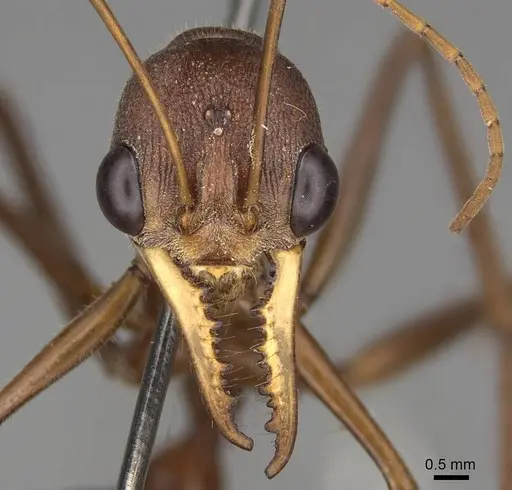
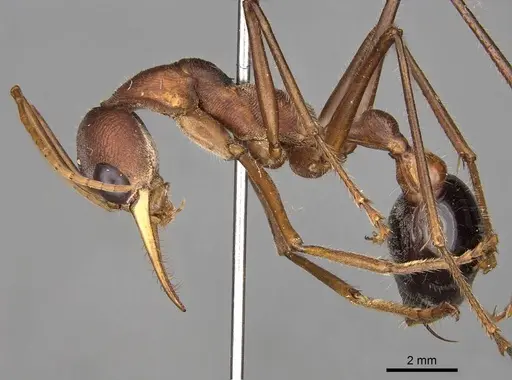
Myrmecia gratiosa is a large to very large bulldog ant measuring 20-30mm in length [1][2]. These ants belong to the Myrmecia gulosa species group and are found exclusively in Western Australia, particularly in the Darling Scarp area east of Perth [1][2]. They have the classic bulldog ant appearance: a robust reddish body with a red, brown or black head and a distinctive black abdomen (gaster) .
What makes Myrmecia gratiosa stand out is their aggressive, predatory nature. They are visual hunters, they actively hunt and chase down prey rather than foraging for sugar sources. Their venom is practically identical to M. pavida and M. nigriceps, and these ants are known to cause severe allergic reactions in susceptible individuals [1][2]. They are formidable predators and will readily attack threats with their powerful sting.
Quick Summary
- Difficulty: Medium
- Origin & Habitat: Native to Western Australia, specifically the Darling Scarp region east of Perth. These ants are found in Australian scrubland and forest habitats where they hunt as visual predators [1][2].
- Colony Type: Single-queen (monogyne) colonies based on typical Myrmecia patterns. Queens are large and claustral, sealing themselves in to raise the first workers alone.
- Colony: Monogyne
- Founding: Claustral
- Size & Growth:
- Queen: 20-30mm [1][2], queens are among the largest in the genus
- Worker: 12-20mm, major workers approach queen size, minor workers smaller
- Colony: Likely reaches several thousand workers based on typical Myrmecia colony development
- Growth: Moderate, Myrmecia species typically grow steadily but not rapidly
- Development: Estimated 8-12 weeks based on typical Myrmecia development at warm temperatures (Development is temperature-dependent, warmer conditions accelerate growth. First workers (nanitics) are smaller than normal workers.)
- Antkeeping:
- Temperature: Keep around 24-28°C. A gentle temperature gradient allows ants to regulate their own conditions. Room temperature may suffice in warm homes, otherwise use a heating cable on one side of the nest.
- Humidity: Moderate humidity around 50-60%. These ants come from semi-arid Australian regions, so avoid overly damp conditions. Provide a water tube for drinking.
- Diapause: Not required in most captive situations. If your room temperature stays above 18°C year-round, no hibernation is needed. In cooler climates, a brief cool period (15-18°C for 4-6 weeks) may help simulate natural cycles but is not strictly necessary.
- Nesting: Y-tong (AAC) nests or acrylic formicariums work well. These large ants need appropriately sized chambers. A naturalistic setup with soil and decorative elements also works. Ensure the nest has enough depth for their large bodies.
- Behavior: Myrmecia gratiosa is an aggressive, visual predator. Workers hunt actively, using their excellent vision to spot and chase prey. They are not interested in sugar sources, they are strict predators that need protein-rich food. Their sting is potent and can cause severe allergic reactions in some people. They are excellent escape artists due to their size and strength, use tight-fitting lids and barrier grease. They are diurnal, actively foraging during daylight hours.
- Common Issues: powerful sting, use caution when handling, especially if you have insect venom allergies, escape prevention is critical, these large, strong ants can push through loose lids, they will not accept sugar water or honey, protein is their primary food source, slow initial colony growth during founding phase can lead to overfeeding or disturbance, wild-caught colonies may carry parasites that affect captive survival
Housing and Nest Setup
Myrmecia gratiosa needs a spacious enclosure due to their large size. A Y-tong (AAC) nest with appropriately sized chambers works well, as does a custom acrylic formicarium. The chambers should be sized to the ants, too large and they may feel insecure, too small and they won't fit comfortably. A typical setup includes a nest area connected to an outworld where foragers hunt. The outworld should be large enough for workers to move around and can be decorated with soil, rocks, or plants. Ensure all connections are wide enough for these large ants to pass through easily. A water tube should always be available, these ants drink water regularly.
Feeding and Diet
Myrmecia gratiosa is an obligate predator, they will not accept sugar water, honey, or fruit. Their diet consists entirely of protein-rich prey. Offer live insects appropriate to their size: crickets, roaches, mealworms, and other feeder insects work well. Feed small prey items (roughly half the worker size) to minor workers, larger prey to major workers. Feed every 2-3 days, removing any uneaten prey after 24 hours. A well-fed colony will have workers with plump abdomens. Do not attempt to supplement with sugar sources, they simply won't take them. Fresh water must always be available.
Temperature and Heating
Keep your Myrmecia gratiosa colony at 24-28°C for optimal development. They are from temperate Western Australia and can tolerate a range, but growth is best in warm conditions. A heating cable placed on one side of the nest creates a gradient, workers will self-regulate by moving to their preferred temperature zone. Avoid direct heat that could dry out the nest. Room temperature (around 22-25°C in many homes) is often adequate. If your home is cooler, a small heat mat on low setting helps. Monitor with a thermometer placed near the nest. Cooler temperatures slow development significantly.
Behavior and Temperament
These ants are aggressive and will readily defend their nest. Workers are visual hunters, they actively search for prey and will chase moving objects. When threatened, they raise their abdomen and can deliver a painful sting. Their vision is excellent compared to most ants, and they use this to locate prey and navigate. They are diurnal, most active during daylight hours. Major workers (larger soldiers) often guard the nest entrance. This species does not form supercolonies or exhibit unusual social structures, they are straightforward in their colony organization. Handle with extreme caution due to their potent sting and the risk of anaphylactic reactions in sensitive individuals. [1][2]
Colony Founding
A newly mated queen will dig a chamber in soil or substrate and seal herself inside, this is claustral founding. She survives entirely on her stored fat reserves while laying eggs and feeding the larvae. The first brood develops into small workers (nanitics) that are smaller than normal workers. Once nanitics emerge, the colony enters a growth phase. During founding, the queen should be kept undisturbed in a dark, quiet location. Do not check on her frequently, disturbance can cause her to eat her brood or abandon the chamber. Founding typically takes 6-10 weeks until first workers emerge, depending on temperature.
Growth and Development
Myrmecia colonies grow steadily but not rapidly. A new colony may take 6-12 months to reach 50 workers under good conditions. Growth is temperature-dependent, warmer temperatures (within range) speed development, cooler temperatures slow it. Major workers develop as the colony grows larger, providing defense and the ability to tackle bigger prey. A mature colony can contain several thousand workers. The queen lays eggs continuously once workers are established. Larvae are fed prey protein brought by workers. Pupae develop in silk cocoons (though some Myrmecia species have naked pupae, M. gratiosa typically cocoons).
Frequently Asked Questions
Can I keep Myrmecia gratiosa in a test tube?
Test tubes are too small for these large ants. Use a Y-tong (AAC) nest, acrylic formicarium, or a naturalistic setup with appropriately sized chambers. The nest chambers should be at least 15-20mm tall to accommodate their large bodies comfortably.
What do Myrmecia gratiosa eat?
They are strict predators that need live protein. Feed them live crickets, roaches, mealworms, or other feeder insects. They will not accept sugar water, honey, or fruit. Remove uneaten prey after 24 hours.
How long until first workers in Myrmecia gratiosa?
Expect 8-12 weeks from egg to first worker (nanitic) at optimal temperature (24-28°C). This is slower than many ant species. Patience is key during the founding phase.
Are Myrmecia gratiosa good for beginners?
They are considered medium difficulty. While not the hardest species, their large size, aggressive temperament, and potent sting require experience. They also need a protein-only diet which is more demanding than sugar-feeding species. Beginners should start with easier species first.
Do Myrmecia gratiosa need hibernation?
No strict hibernation is required. They come from temperate Western Australia and can be kept at room temperature year-round. If your home is cool in winter, a brief cool period (15-18°C for 4-6 weeks) may help but is not necessary.
How big do Myrmecia gratiosa colonies get?
Mature colonies can reach several thousand workers. They are among the larger Myrmecia species and have substantial colony growth over several years.
Can I keep multiple Myrmecia gratiosa queens together?
No. This is a monogyne (single-queen) species. Multiple queens will fight. Only keep one queen per colony.
Why is my Myrmecia gratiosa colony declining?
Common causes include: overfeeding leading to mold, incorrect diet (sugar won't be eaten), disturbance during founding, temperatures too cold, or parasites from wild-caught colonies. Ensure proper protein feeding, adequate warmth, and minimal disturbance.
When should I move Myrmecia gratiosa to a formicarium?
Wait until the colony has at least 30-50 workers and the founding setup is becoming cramped. Moving too early stresses the colony. When moving, connect the test tube or founding chamber to the new nest and let them relocate naturally.
Are Myrmecia gratiosa ants invasive?
No. They are native to Western Australia and cannot be released outside their natural range. They are not established anywhere else in the world.
What makes Myrmecia gratiosa different from other Myrmecia?
M. gratiosa is part of the gulosa species group and is found only in the Darling Scarp region of Western Australia. Their venom is nearly identical to M. pavida and M. nigriceps. They are large, aggressive predators typical of the genus.

This caresheet is licensed under CC BY-SA 4.0 .
ANTWEB1041851
View on AntWeb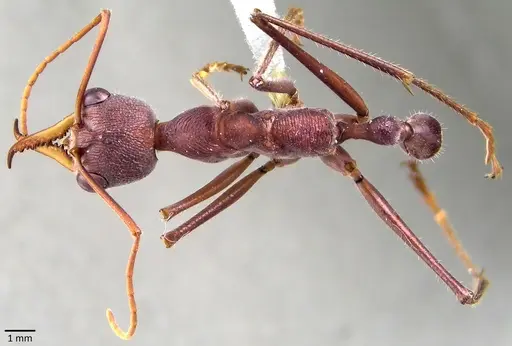
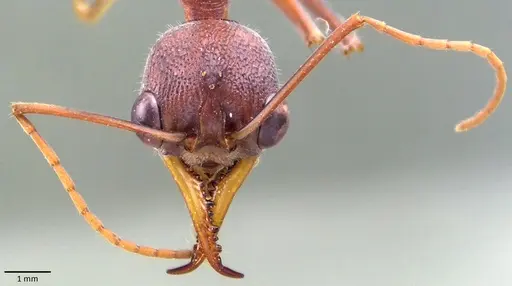
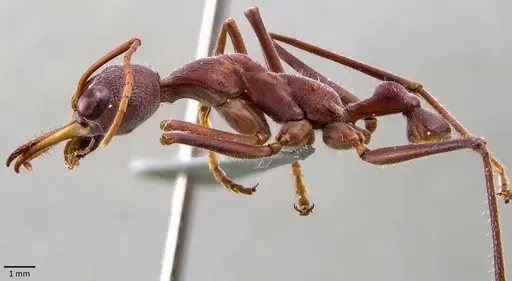
CASENT0914024
View on AntWeb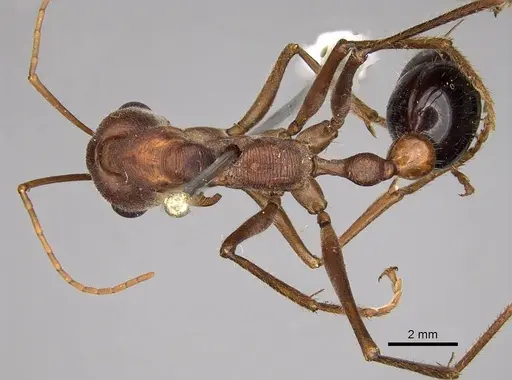
Literature
Loading...Loading products...