
Myrmecia forficata exhibits a clear seasonal activity window. Peak activity is concentrated in March, with the overall period spanning March to April. The concentrated timeframe makes peak months critical for sightings.
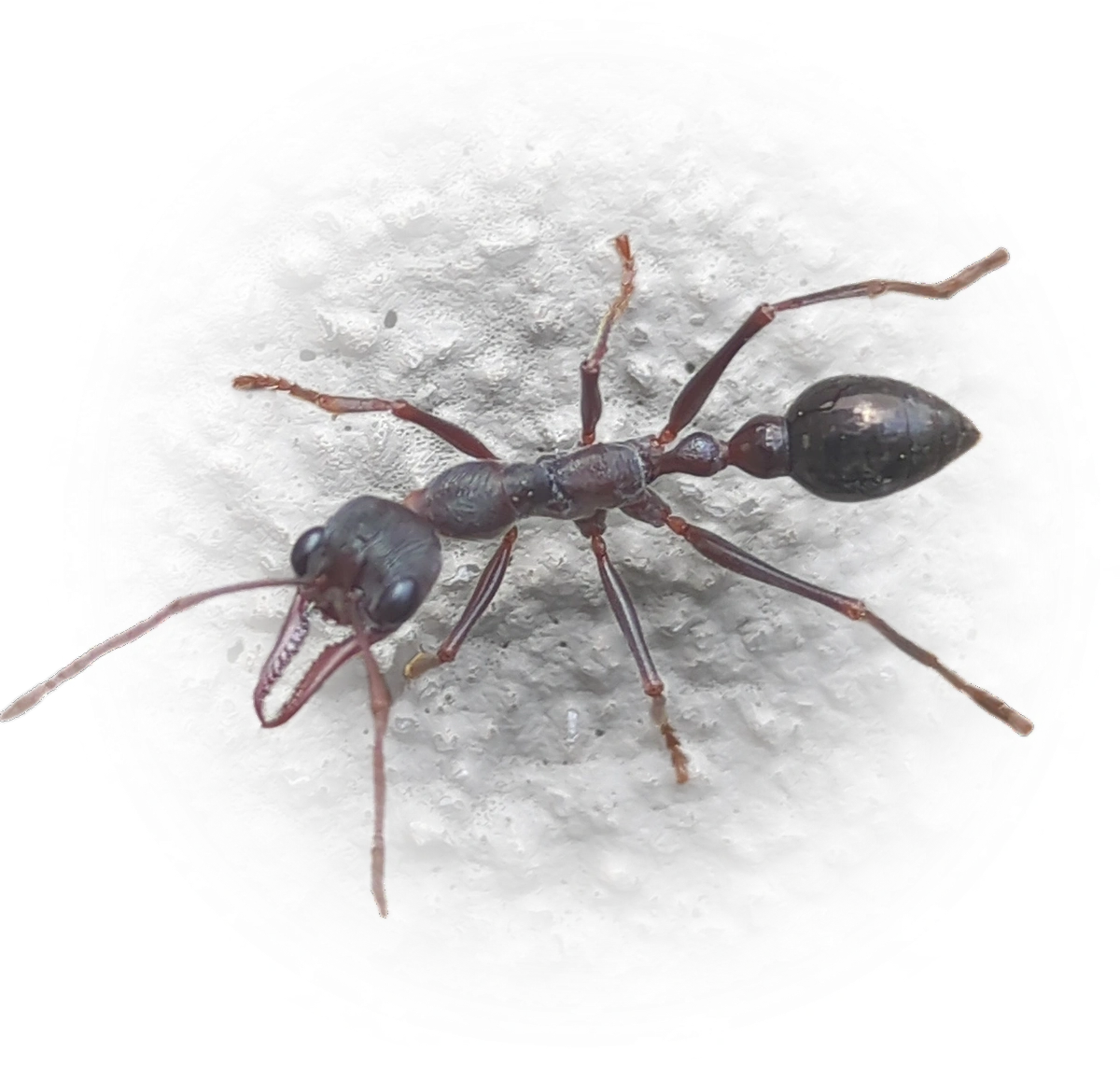
Myrmecia forficata
- Scientific Name
- Myrmecia forficata
- Tribe
- Myrmeciini
- Subfamily
- Myrmeciinae
- Author
- Fabricius, 1787
- Common Name
- Inchman Ant
- Distribution
- Found in 1 countries
- Nuptial Flight
- from March to April, peaking in March
AI Identifiable
try →
Myrmecia forficata Overview
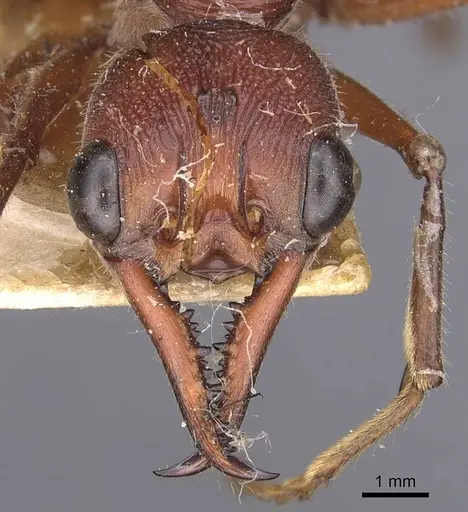
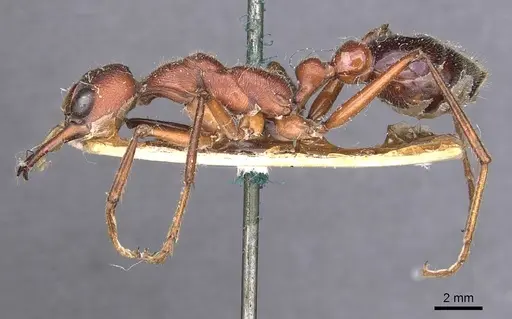
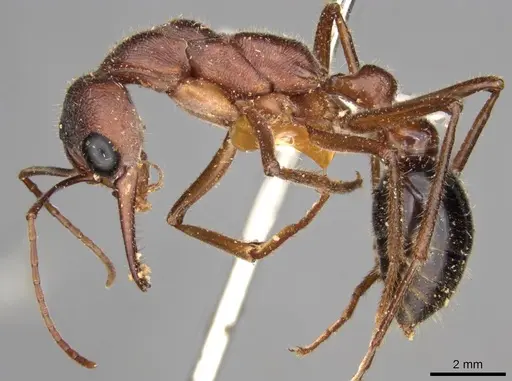
Myrmecia forficata (commonly known as the Inchman Ant) is an ant species of the genus Myrmecia. It is primarily documented in 1 countries , including Australia. Detailed taxonomic data and occurrence records can be further explored via authoritative databases such as AntWeb or the Global Biodiversity Information Facility (GBIF).
The nuptial flight of Myrmecia forficata is a significant biological event, typically occurring from March to April, peaking in March. During this time, winged queens and males leave the nest to mate and establish new colonies.
Myrmecia forficata - "Inchman Ant"
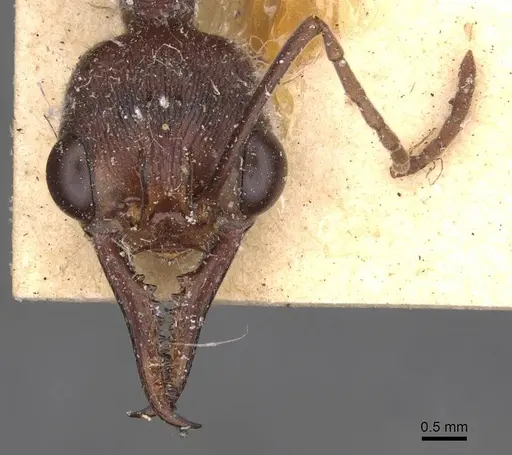
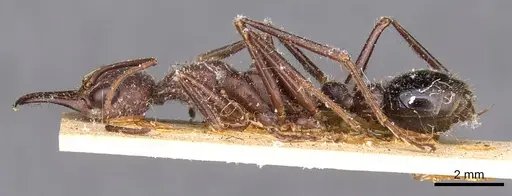
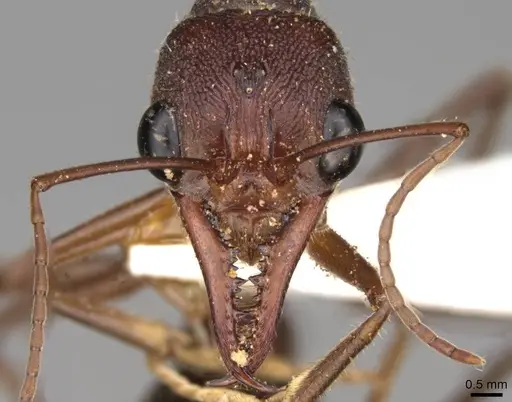
Myrmecia forficata is a large, aggressive bulldog ant native to Australia, particularly Tasmania where it predominates among bulldog ant species [1][2]. Workers measure 20-30mm and belong to the Myrmecia gulosa species group [1][2]. They have the classic bulldog ant appearance: powerful mandibles, a distinct petiole, and a potent stinger. These ants inhabit sclerophyll forest communities in southeastern Australia, including Tasmania, Victoria, and South Australia [3][4]. Unlike many ants, M. forficata has semi-claustral founding, the queen must leave the nest to hunt for food during colony establishment rather than sealing herself away to raise her first workers alone [5]. This species is also notable for its sophisticated immune defenses, using metapleural gland secretions that have proven antimicrobial activity against bacteria [6][7].
Quick Summary
- Difficulty: Expert
- Origin & Habitat: Southeastern Australia, primarily Tasmania, with populations in Victoria and South Australia. Inhabits sclerophyll forest communities [3].
- Colony Type: Single-queen colonies (monogyne), typical for the genus Myrmecia. Queens are larger than workers and the colony starts through semi-claustral founding where the queen must forage during the founding stage [5].
- Colony: Monogyne
- Founding: Semi-claustral
- Size & Growth:
- Queen: Larger than workers, likely 25-35mm, estimated based on worker size [1]
- Worker: 20-30mm [1][2]
- Colony: Unknown for this specific species, but Myrmecia colonies typically reach several hundred workers
- Growth: Moderate, inferred from related species in the gulosa group
- Development: Unknown, no direct studies on development time. Based on related Myrmecia species, estimate 8-12 weeks at warm Australian summer temperatures. (Development time is estimated from genus-level data since specific studies are lacking for M. forficata)
- Antkeeping:
- Temperature: Keep at 22-28°C. As an Australian species from temperate regions, they prefer warm conditions but not extreme heat. A temperature gradient allowing workers to choose their preferred zone is ideal.
- Humidity: Moderate humidity around 50-70%. These forest-dwelling ants prefer conditions that match sclerophyll forest floor microhabitats, not too wet, not too dry.
- Diapause: Likely a mild winter rest period during Australian winter (June-August). Reduce temperature to 15-18°C and reduce feeding frequency. Do not feed during the coldest months.
- Nesting: Ground-nesting species that excavates nests in soil. In captivity, a soil-based formicarium or digging chamber works well. They prefer dark, enclosed spaces for the nest area with access to an outworld for foraging.
- Behavior: Myrmecia forficata is aggressive and will readily defend the colony. They are specialist predators [8] with powerful mandibles and a potent stinger, this species is one of the major causes of ant sting anaphylaxis in Australia [1][2]. Workers are active foragers that hunt prey and will investigate disturbances aggressively. Escape prevention is important despite their large size, they can climb smooth surfaces and are strong. Their sting is medically significant and can cause severe allergic reactions in susceptible individuals. Handle with extreme caution and use excellent escape prevention.
- Common Issues: sting risk is significant, these ants have potent venom that causes anaphylaxis in some people, wear protective gear when working with the colony, semi-claustral founding means queens must leave the nest to hunt, providing small live prey during founding is essential for success, slow founding compared to claustral species, queens need regular feeding during the founding period which increases failure risk, aggressive defense means colony transfers require planning, use smoke or gentle techniques to calm workers before moving nests, winter rest is likely required, improper diapause conditions can weaken or kill colonies over time
Queen Ant Activity Analysis 206 observations
Queen Activity by Hour 206 observations
Myrmecia forficata queen activity peaks around 11:00 during the late morning to early afternoon. Activity is spread across a 14-hour window (08:00–21:00). Times may be influenced by human observation patterns.
Housing and Nest Setup
Myrmecia forficata requires a setup that accommodates their semi-claustral founding behavior and large size. For founding colonies, use a test tube setup connected to a small foraging area. The queen will need access to the foraging space to hunt live prey during the founding stage, this is critical since she cannot survive on stored fat alone like claustral queens. Once workers emerge (nanitics), the colony can be moved to a larger formicarium with a digging chamber filled with soil or sand. These are ground-nesting ants that prefer dark, enclosed nest chambers. The outworld should be spacious enough for workers to hunt and dispose of waste. Use a secure escape barrier like fluon on the rim of any formicarium, these large ants can climb smooth surfaces effectively. [5]
Feeding and Diet
As specialist predators [8], Myrmecia forficata requires a protein-rich diet based on live insects. Feed them appropriately sized prey items like crickets, mealworms, roaches, and other insects. Prey should be no larger than the ants themselves, workers are 20-30mm so can take down moderate-sized insects. During founding, the queen must be provided with small live prey items she can subdue and consume. Sugar sources like honey or sugar water are typically accepted as supplementary energy, but protein remains the primary dietary requirement. Feed founding colonies every 2-3 days with small prey items. Established colonies can be fed 2-3 times per week with larger prey items. Always remove uneaten prey to prevent mold.
Temperature and Seasonal Care
Maintain temperatures between 22-28°C for optimal colony activity and brood development. These Australian ants prefer warm conditions but can tolerate room temperature (around 20-22°C) in cooler climates. Provide a temperature gradient so workers can choose their preferred zone, a heating cable on one side of the nest area set to around 26-28°C works well. During Australian winter (roughly June-August in the southern hemisphere), colonies should experience a mild diapause. Reduce temperatures to 15-18°C and significantly reduce feeding frequency, perhaps once every two weeks or not at all during the deepest winter rest. Do not feed during the coldest winter months. Resume normal feeding and temperatures gradually in spring.
Sting Safety and Handling
This is the most critical safety consideration for keeping Myrmecia forficata. Their sting is medically significant, M. forficata is one of three bulldog ant venoms identified as causing the majority of ant sting anaphylaxis cases in Australia [1][2]. The venom contains allergens shared with other Myrmecia species, meaning cross-reactivity is common [1]. Anyone with known hymenoptera venom allergies should not keep this species. When working with the colony, wear long sleeves, gloves, and eye protection. Use gentle techniques when opening nests, blowing smoke lightly near the entrance can help calm workers before maintenance. Have antihistamine cream or ice available in case of stings. Never handle these ants with bare hands. If you are stung and experience any systemic symptoms (difficulty breathing, swelling beyond the sting site, dizziness), seek medical attention immediately.
Colony Development and Growth
The semi-claustral founding method means colony growth is slower initially compared to claustral species. The queen must balance hunting for food with egg-laying and caring for brood, which increases the risk of colony failure during founding. Once the first workers (nanitics) emerge, the colony enters a critical phase where the queen transitions to egg-laying full-time while workers take over all foraging and brood care. Growth rate is moderate, Myrmecia colonies typically reach several hundred workers over 1-3 years under good conditions. The key to successful founding is providing consistent, appropriate-sized live prey without disturbing the queen too frequently. Avoid checking the founding setup too often as this causes stress. [5]
Defense and Colony Behavior
Myrmecia forficata workers are aggressive defenders that will readily launch coordinated attacks against threats. When the nest is disturbed, workers burst out with mandibles open, ready to sting. They do not have the retreat-and-warning behavior of some ants, instead they go straight to attack. This makes routine maintenance more challenging than with docile species. Workers are active foragers that hunt individually rather than using chemical recruitment trails. They will investigate vibrations and disturbances across the foraging area. The metapleural gland on their dorsal side produces antimicrobial secretions that help protect the colony from pathogens [6][7], this is an important defense mechanism in their social immunity.
Frequently Asked Questions
Is Myrmecia forficata dangerous to keep?
Yes, this species has a potent sting that can cause severe allergic reactions including anaphylaxis. It is one of the major bulldog ant venoms responsible for anaphylaxis cases in Australia. Only experienced antkeepers comfortable working with venomous species should consider keeping them. Anyone with hymenoptera allergies should avoid this species entirely.
How do I start a Myrmecia forficata colony?
Use a semi-claustral setup, a test tube for the queen connected to a small foraging area. Unlike claustral ants, the queen must leave to hunt live prey during founding. Provide small live insects (fruit flies, small crickets) every 2-3 days. Keep the setup dark and undisturbed. Once nanitics emerge, you can gradually transition to a larger formicarium.
What do Myrmecia forficata eat?
They are specialist predators that need live insect prey. Feed them appropriately sized crickets, mealworms, roaches, and other insects. Prey should be roughly ant-sized or smaller. Sugar water or honey can be offered as supplementary energy but protein from insects is essential.
Do Myrmecia forficata need hibernation?
They likely require a mild winter rest period matching Australian temperate conditions. Reduce temperatures to 15-18°C during winter (roughly June-August) and reduce feeding frequency significantly or stop feeding entirely. Gradually resume normal conditions in spring.
How long until first workers in Myrmecia forficata?
The exact development time is unknown for this species. Based on related Myrmecia species, expect 8-12 weeks from egg to first worker at optimal temperatures (around 26°C). Semi-claustral founding takes longer than claustral species because the queen must balance foraging with brood care.
Are Myrmecia forficata good for beginners?
No. This is an expert-level species due to their potent sting (anaphylaxis risk), semi-claustral founding requirements, aggressive defense behavior, and specific dietary needs. Beginners should start with easier species like Lasius or Tetramorium before attempting Myrmecia.
What temperature do Myrmecia forficata need?
Keep them at 22-28°C with a gradient. A heating cable on part of the nest set to 26-28°C works well. They prefer warm conditions but can tolerate room temperature around 20°C. Avoid temperatures below 15°C except during winter dormancy.
How big do Myrmecia forficata colonies get?
Colony size is not precisely documented for this species, but Myrmecia colonies typically reach several hundred workers over 1-3 years. They are not supercolony species, expect moderate-sized colonies rather than the thousands seen in some Formica or Linepithema.
Can I keep multiple Myrmecia forficata queens together?
This species is not documented as polygynous (multi-queen). Myrmecia species typically have single-queen colonies. Combining unrelated queens is not recommended and would likely result in fighting.
Why is my founding colony failing?
Semi-claustral founding has higher failure rates than claustral species. Common causes include: not providing enough live prey, disturbing the queen too often, incorrect humidity, or temperatures outside the ideal range. Ensure the queen has consistent access to small live prey and minimize disturbances during the founding phase.
References

This caresheet is licensed under CC BY-SA 4.0 .
CASENT0907080
View on AntWeb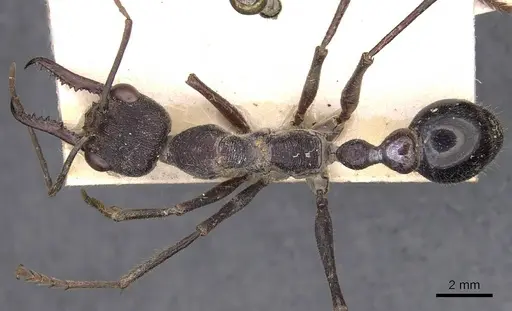
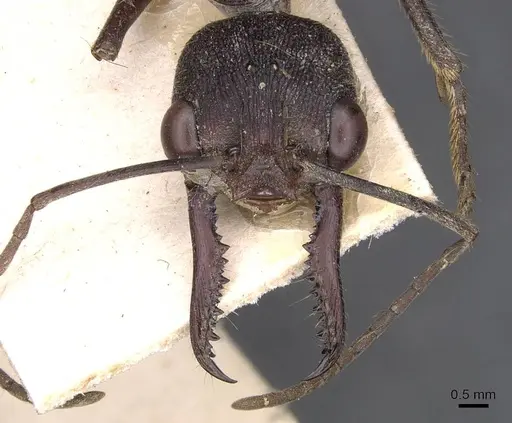
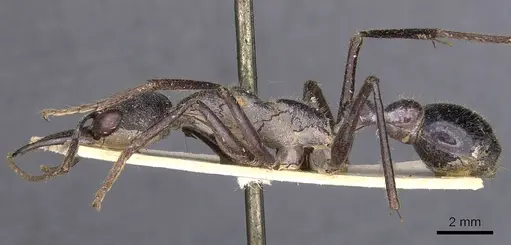
CASENT0907082
View on AntWeb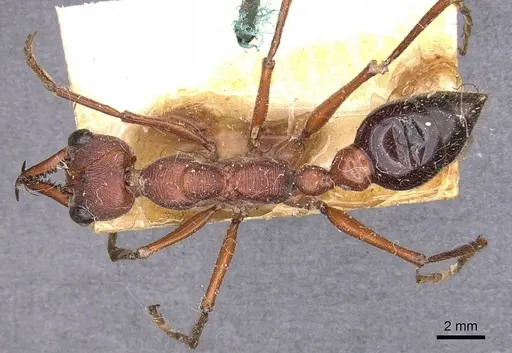
CASENT0907086
View on AntWeb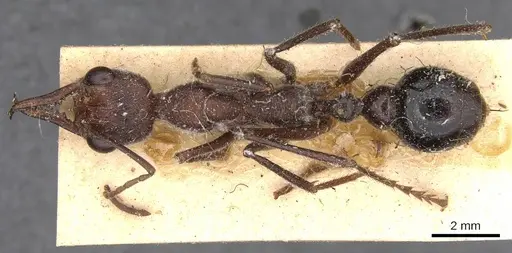
CASENT0914026
View on AntWeb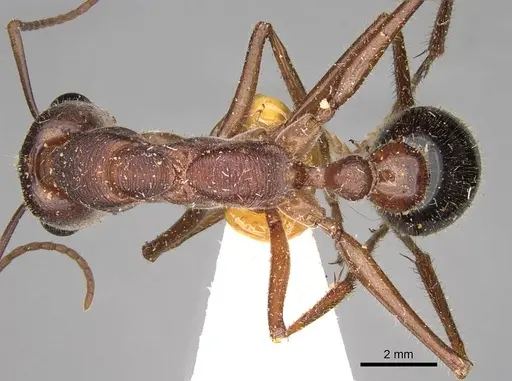
Literature
Loading...Loading products...