

Myopias delta
- Scientific Name
- Myopias delta
- Tribe
- Ponerini
- Subfamily
- Ponerinae
- Author
- Willey & Brown, 1983
- Distribution
- Found in 2 countries
Myopias delta Overview
Myopias delta is an ant species of the genus Myopias. It is primarily documented in 2 countries , including Australia, Papua New Guinea. Detailed taxonomic data and occurrence records can be further explored via authoritative databases such as AntWeb or the Global Biodiversity Information Facility (GBIF).
Myopias delta
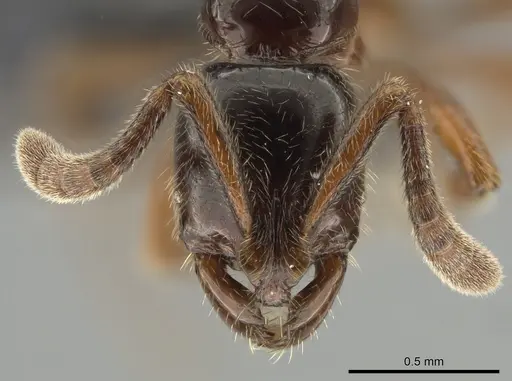
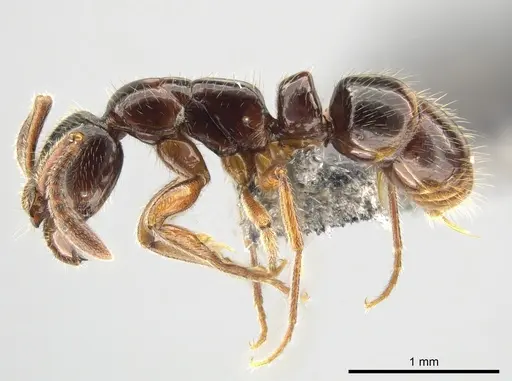
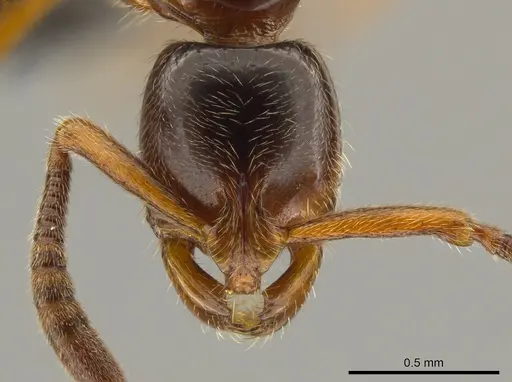
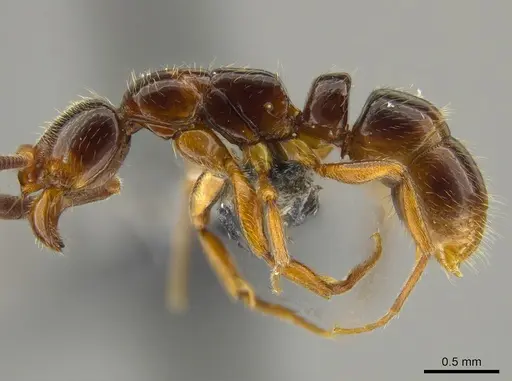
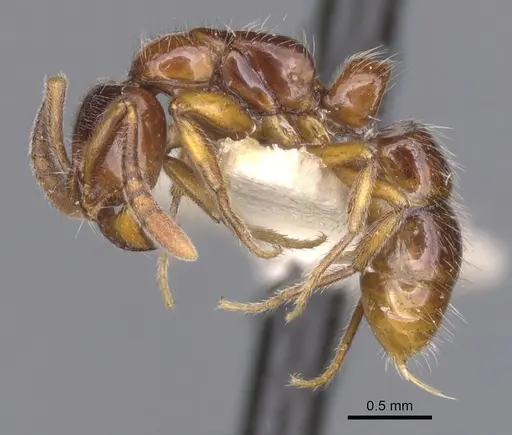
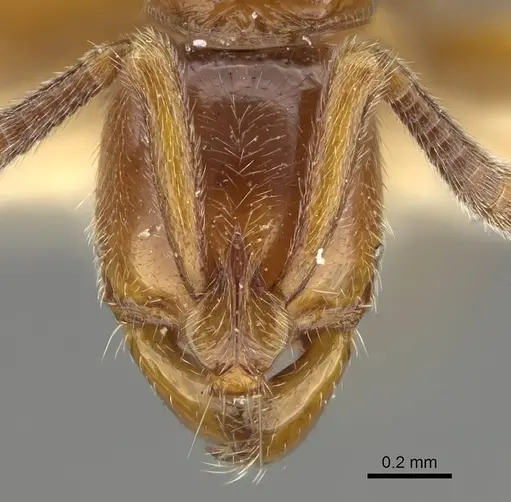
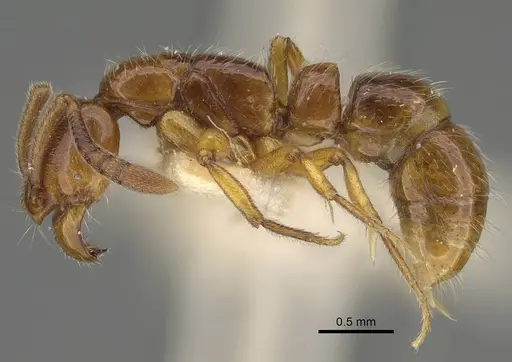
Myopias delta is a small Ponerine ant found in the rainforests of Papua New Guinea and northern Australia. Workers measure 3.9-4.1mm and are dark yellowish brown in color, while the queen reaches about 4.7mm. This species is immediately recognizable by its distinctive down-curved triangular mandibles, the feature that gives it the name 'delta' [1]. The most remarkable aspect of this species is its specialized predation on other ants, particularly Myrmicinae ants. The type colony was found with a decapitated worker of a Leptogenys species and a kitchen midden containing remains of various ant species, confirming its predatory nature [1].
Quick Summary
- Difficulty: Hard
- Origin & Habitat: Papua New Guinea and northern Australia, in tropical rainforest habitats. Nests in crumbling rotting wood (Passalus-stage logs) about 5 inches in diameter, held together by intact bark [1].
- Colony Type: Monogyne, colonies contain a single queen with approximately 30 workers [1]. This is a small colony structure typical of specialized predators.
- Colony: Monogyne
- Size & Growth:
- Queen: 4.7mm [1]
- Worker: 3.9-4.1mm [1]
- Colony: Approximately 30 workers [1]
- Growth: Unknown, likely slow given small colony size
- Development: Unconfirmed, no development data available for this species. Estimates based on related Myopias species suggest 6-10 weeks at optimal temperature. (Development timeline has not been directly studied. Related Myopias species show moderate development times.)
- Antkeeping:
- Temperature: Keep at 24-28°C, this is a tropical species from Papua New Guinea rainforest [1]. A heating cable on one side of the nest creates a gradient.
- Humidity: High humidity required, rainforest species. Keep nest substrate consistently moist but not waterlogged. The rotting wood natural nesting habitat indicates need for damp conditions.
- Diapause: Unlikely, being a tropical species, they probably do not require hibernation. However, slight temperature reduction during winter months may be beneficial.
- Nesting: In captivity, Y-tong nests or plaster nests with narrow chambers work well. The natural nesting in rotting wood suggests they prefer enclosed spaces with some moisture retention. Avoid dry, airy setups.
- Behavior: Workers are relatively fast and nervous in movement, similar to other Myopias species [1]. They are specialized ant predators and will hunt other ant species. Escape risk is moderate, these are small ants but not extremely tiny. Use standard escape prevention with tight-fitting lids and barrier gel. They possess a sting capable of extending about 0.4mm [1], though the sting is too small to penetrate human skin effectively.
- Common Issues: specialized diet makes feeding challenging, they need live ant prey, not standard insect feeders, small colony size means any losses have significant impact on the colony, humidity management is critical, too dry causes desiccation, too wet risks flooding, lack of captive breeding data means care protocols are largely unverified, wild-caught colonies may have parasites or be stressed from collection
Housing and Nest Setup
Myopias delta requires a humid, enclosed nest setup that mimics their natural rotting wood habitat. Y-tong (acrylic) nests or plaster nests work well, as they retain moisture while providing dark, enclosed chambers. The nest should have narrow passages scaled to their small worker size (under 5mm). Place the nest in a quiet area away from direct sunlight and vibrations. An outworld for foraging is essential since they need to hunt live ant prey. Use a test tube setup for founding colonies, transitioning to a proper nest once the colony reaches 15-20 workers. Escape prevention should be moderate, these ants are small but not extremely tiny, so standard barrier gel or fluon on container edges should suffice. [1]
Feeding and Diet - The Critical Challenge
This is the most challenging aspect of keeping Myopias delta. They are specialized ant predators, primarily hunting Myrmicinae (small ant species) in the wild. In captivity, you will need to provide live ant prey, this cannot be avoided. Suitable prey includes small ants like Crematogaster, Monomorium, or Tetramorium species. You can collect these from the wild using baited containers or by locating active foragers. Feed prey every few days, removing uneaten remains promptly to prevent mold. Unlike many ants, they are unlikely to accept sugar water or honey as primary food sources. Some keepers report success offering small live springtails or isopods as alternative prey, but ants should be the primary diet. This specialized diet makes this species unsuitable for beginners. [1]
Temperature and Humidity
As a tropical species from Papua New Guinea, Myopias delta requires warm and humid conditions. Maintain temperatures between 24-28°C in the nest area. A heating cable placed on one side of the nest creates a temperature gradient, allowing ants to self-regulate. Place the heating on top of the nest to avoid drying out the substrate. Humidity should be high, aim for 70-85% relative humidity within the nest. The substrate should feel consistently moist but never waterlogged. Mist the outworld occasionally but avoid direct misting of the nest. Poor humidity leads to desiccation and colony loss. Poor ventilation combined with high humidity causes mold growth, so ensure some air flow. [1]
Colony Structure and Growth
Myopias delta forms small colonies with a single queen and approximately 30 workers [1]. This is notably smaller than many common ant species and means the colony will remain modest even at full maturity. The type colony collected by E.O. Wilson contained brood at all stages with no single stage predominant. Growth is likely slow, small colonies typically produce workers gradually. Do not expect rapid expansion. The queen is dealate (wingless) and was slightly larger than workers at 4.7mm. There is no documented ergatoid (wingless replacement queen) system for this species. Colonies should not be combined, they are strictly monogyne.
Behavior and Defense
Workers are described as fast and nervous, actively hunting for prey throughout their foraging territory [1]. They possess a sting capable of extending about 0.4mm, though it is too small to effectively penetrate human skin. Their primary defense is predation on other ants rather than direct confrontation with threats. In the wild, they maintain a kitchen midden of discarded cocoon shells and ant remains near their nest chambers. In captivity, you may observe similar behavior with prey remains being collected in specific areas. They are not aggressive toward each other and maintain organized colony structure. Foraging activity increases when prey is present.
Frequently Asked Questions
Can I keep Myopias delta in a test tube?
You can start a founding colony in a test tube, but this species requires hunting space. Move to a proper nest (Y-tong or plaster) once the colony reaches 15-20 workers. The test tube should have a water reservoir and be kept humid.
What do Myopias delta ants eat?
They are specialized ant predators. You must provide live ant prey, small ants like Crematogaster, Monomorium, or Tetramorium species collected from the wild. They are unlikely to accept standard feeder insects, sugar water, or honey. This specialized diet is why they are not recommended for beginners.
How long does it take for the first workers to emerge?
The development timeline is unconfirmed for this specific species. Based on related Myopias species, expect 6-10 weeks from egg to worker at optimal temperature (around 26°C). The queen likely seals herself in during founding like other Ponerines.
How big do Myopias delta colonies get?
Colonies remain small, the type colony had approximately 30 workers. This appears to be the natural maximum for this species. Do not expect large colonies like Lasius or Camponotus species.
Are Myopias delta good for beginners?
No. This species is not recommended for beginners due to their specialized ant-predator diet, small colony size, and specific humidity requirements. Without live ant prey, the colony will starve. Start with species like Lasius niger or Camponotus species before attempting Myopias delta.
Do Myopias delta need hibernation?
Unlikely. Being a tropical species from Papua New Guinea, they probably do not require hibernation. However, a slight temperature reduction (2-4°C) during winter months may be appropriate if room temperature drops significantly.
Can I keep multiple queens together?
No. This species is monogyne, colonies have a single queen. Multiple unrelated queens will fight. Do not attempt pleometrosis with this species.
When should I move them to a formicarium?
Move to a proper nest setup once the colony reaches 15-20 workers. The nest should be humid and enclosed, Y-tong or plaster nests work well. They need an outworld for hunting live prey.
Why are my Myopias delta dying?
Common causes include: lack of live ant prey (they will starve on other food), incorrect humidity (too dry causes desiccation), temperature stress (too cold or too hot), and stress from wild collection. Ensure you can provide regular live ant prey before acquiring this species.
References

This caresheet is licensed under CC BY-SA 4.0 .
CASENT0650360
View on AntWeb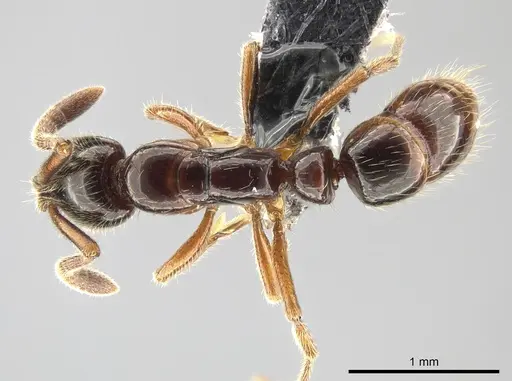
CASENT0650663
View on AntWeb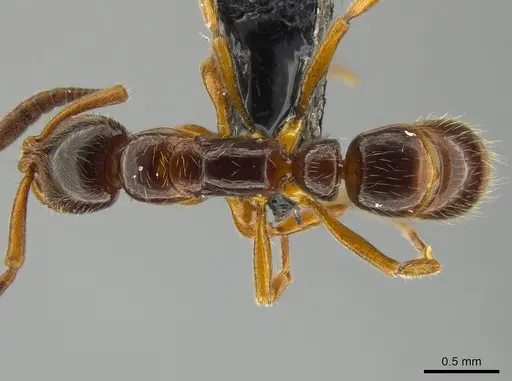
CASENT0902522
View on AntWeb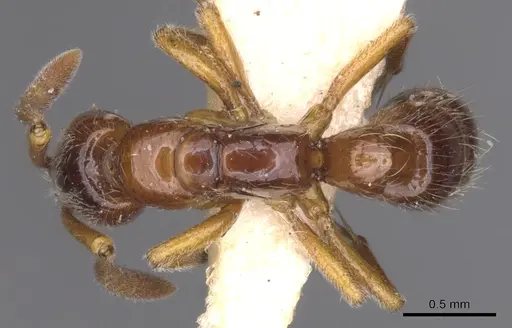
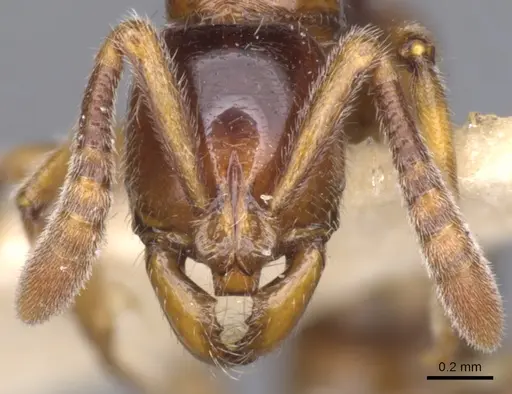
CASENT0922432
View on AntWeb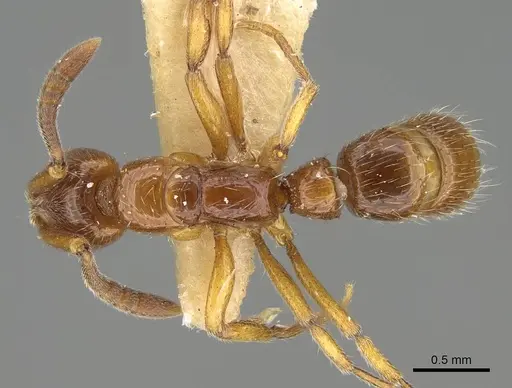
Literature
Loading...Loading products...