

Mycocepurus obsoletus
- Scientific Name
- Mycocepurus obsoletus
- Tribe
- Attini
- Subfamily
- Myrmicinae
- Author
- Emery, 1913
- Distribution
- Found in 1 countries
Mycocepurus obsoletus Overview
Mycocepurus obsoletus is an ant species of the genus Mycocepurus. It is primarily documented in 1 countries , including Brazil. Detailed taxonomic data and occurrence records can be further explored via authoritative databases such as AntWeb or the Global Biodiversity Information Facility (GBIF).
Mycocepurus obsoletus
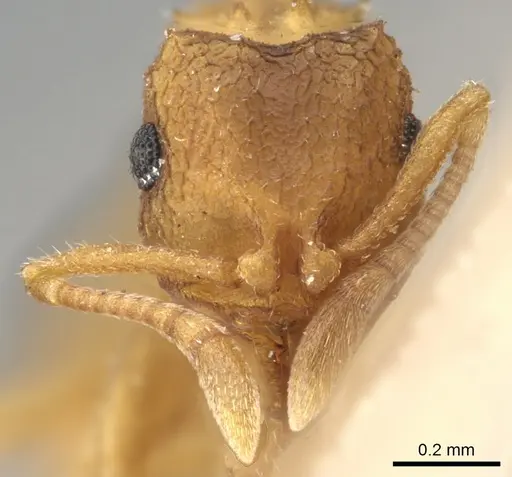
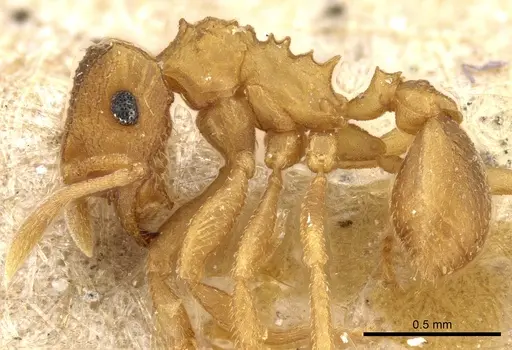
Mycocepurus obsoletus is a tiny fungus-growing ant species from the Brazilian Amazon and Cerrado regions. Workers are very small at around 2-3mm, with the characteristic blunt or poorly developed pronotal spines typical of this genus. The species is part of the Attini tribe, meaning these ants cultivate fungus as their primary food source, they don't hunt or gather honeydew like many other ants, but instead maintain fungal gardens that they feed with plant material [1][2]. The distribution spans Pará, Tocantins, Goiás, Federal District, Minas Gerais, and São Paulo in Brazil, with unverified records from Colombia's Amazonas region [3][4].
What makes M. obsoletus particularly interesting is its taxonomic confusion with the better-known Mycocepurus smithii. Research suggests these may be closely related or even the same species, with M. obsoletus potentially representing a slightly variant population [1]. The species reproduces through nuptial flights that occur after heavy rainfall, with alates taking short flights of 10-50cm from leaf litter before landing again [5]. This is one of the least-studied fungus-growing ants in captivity, making it a challenging but potentially rewarding species for experienced antkeepers interested in the Attini.
Quick Summary
- Difficulty: Expert
- Origin & Habitat: Brazilian Amazon and Cerrado regions, found in Pará, Tocantins, Goiás, Federal District, Minas Gerais, and São Paulo. Inhabits forest floor and leaf litter in tropical and savanna environments [5][3].
- Colony Type: Colony structure is poorly documented. The closely related M. smithii is known for thelytokous parthenogenesis (females reproduce without males), but M. obsoletus appears to have both males and queens. Colony type (single-queen vs multi-queen) is unconfirmed [2][5].
- Size & Growth:
- Queen: Unknown, queen morphology has not been described in scientific literature [1]
- Worker: Approximately 2-3mm based on genus description [1]
- Colony: Unknown, likely small colonies similar to other Mycocepurus species
- Growth: Unknown
- Development: Unknown, estimated 6-10 weeks based on typical Attini development patterns (Direct development data unavailable. Related fungus-growing ants typically take 6-10 weeks from egg to worker at optimal temperatures.)
- Antkeeping:
- Temperature: Keep around 24-28°C based on Brazilian tropical origin. A gentle gradient allowing workers to self-regulate is recommended. Avoid temperatures below 20°C or above 32°C.
- Humidity: High humidity required, these are forest floor ants from humid environments. Keep substrate consistently moist but not waterlogged. Fungus gardens need stable moisture to survive.
- Diapause: Unknown, no documented diapause requirement. Given the tropical origin, likely no true hibernation but may show reduced activity during dry seasons.
- Nesting: Use a naturalistic setup with moist substrate (soil/peat mix) that can support fungal growth. Test tubes with cotton can work for founding colonies but will need to transition to setups that allow fungus cultivation. Y-tong nests with moisture reservoirs work well for maintaining humidity.
- Behavior: Very docile and non-aggressive. As fungus farmers, they are not predatory and do not defend territory aggressively. Workers are tiny and may be overlooked by larger ants. Escape risk is moderate, their small size means they can squeeze through small gaps, so fine mesh barriers are recommended. They spend most of their time tending to fungal gardens rather than foraging actively [5].
- Common Issues: Fungus garden failure is the primary risk, without healthy fungus, the colony will starve. The fungal symbiont requires specific conditions to thrive., Extremely small worker size makes escape prevention critical, use fine mesh and tight-fitting lids., Limited documentation means care protocols are largely inferred from related species, expect a learning curve., Wild-caught colonies may carry parasites or diseases that can wipe out the colony in captivity., Slow colony growth compared to many common species requires patience, don't overfeed or disturb the nest.
Fungus Farming - The Key to Their Care
Mycocepurus obsoletus belongs to the Attini tribe, a group of ants that evolved agriculture around 50 million years ago. Unlike most ants that hunt insects or collect honeydew, these ants cultivate specialized fungi as their sole food source. The queen carries a small fungal pellet (called a gongylidia) in her mouth during nuptial flights, which she uses to start a new fungal garden after establishing her colony [6].
In captivity, this means you cannot feed them like regular ants. They need a substrate that can support fungal growth, typically a moist soil/peat mixture where they can plant and tend their garden. The ants feed the fungus with plant material (dead leaves, small plant fragments) and the fungus produces specialized structures called gongylidia that the ants eat. This is a delicate symbiosis, if the fungus dies, the colony starves. Keep fungal gardens away from direct sunlight and maintain consistent moisture to prevent the fungus from drying out or molding.
Housing and Nest Setup
Given how little is known about M. obsoletus specifically, housing recommendations are based on what works for related fungus-growing ants. A naturalistic setup works best, a container filled with moist, loose substrate (a mix of soil, peat, and some sand works well) that allows the ants to dig chambers and maintain their fungal garden.
For founding colonies, a simple test tube setup can work initially, but you'll need to provide a small piece of moist substrate or organic material where the queen can establish her fungus. As the colony grows, transfer to a larger naturalistic formicarium with chambers the ants can excavate. The key is maintaining high humidity, these are forest floor ants from humid environments. Use a moisture reservoir or regular light misting to keep substrate damp. Avoid setups with large open spaces that dry out quickly.
Feeding and Nutrition
Feeding fungus-growing ants is completely different from keeping regular ants. Do not offer sugar water, honey, or protein-rich insects as primary foods, these ants cannot digest them and may even harm the fungal garden. Instead, provide small pieces of dead plant material: dried leaves, small twigs, flower petals, or grass clippings. The ants will cut these into smaller pieces and incorporate them into their fungal garden as fertilizer.
The fungus will grow to cover the plant material, and the ants harvest the gongylidia (specialized fungal structures) for food. Offer fresh plant material every few days, removing any uneaten material after a week to prevent mold. The amount depends on colony size, a small founding colony needs only tiny pieces, while established colonies can handle more. Watch how quickly the fungus grows and adjust feeding accordingly. If mold appears, reduce feeding and improve ventilation.
Understanding Their Distribution and Wild Habitat
Mycocepurus obsoletus is known from the Brazilian Amazon and Cerrado regions, with records from Pará (including the type locality at Santarém), Tocantins, Goiás, Federal District, Minas Gerais, and São Paulo [5][1]. There's also an unverified record from Amazonas, Colombia [3][4]. This distribution covers both tropical rainforest (Amazon) and savanna (Cerrado) environments.
In the wild, these ants are collected from leaf litter and Winkler traps in forest areas, indicating they are ground-nesting species that prefer shaded, humid microhabitats [7]. The nuptial flight was observed in November after heavy rainfall, this seasonal pattern makes sense for the Cerrado region where the rainy season runs from October/November through April/May. The flight itself is brief (about 2 hours) with alates making short hops of 10-50cm from the leaf litter rather than long-distance dispersal [5].
The M. obsoletus Mystery - Taxonomic Notes
One of the most interesting aspects of M. obsoletus is its taxonomic uncertainty. Early researchers suggested it might be a variant of the much better-known M. smithii [1]. More recent molecular analysis confirmed that what was previously thought to be M. smithii males are actually M. obsoletus males, a case of mistaken identity that lasted decades [2][5].
This taxonomic confusion has practical implications for antkeepers: many care guides labeled as "M. smithii" may actually apply to M. obsoletus, and vice versa. The closely related M. smithii is famous for being one of the few ant species that reproduces through thelytokous parthenogenesis, females can reproduce without males, producing daughters from unfertilized eggs. Whether M. obsoletus shares this trait is unknown [2]. For now, treat them as a distinct but closely related species and apply what we know about fungus-growing ant care in general.
Frequently Asked Questions
How do I feed Mycocepurus obsoletus ants?
Unlike regular ants, these are fungus farmers that need plant material to feed their fungal garden. Offer small pieces of dead leaves, dried grass, flower petals, or small twigs. Do not feed sugar water, honey, or insects, they cannot digest these and it may harm their fungus. The ants will cut up the plant material and incorporate it into their garden, then eat the specialized fungal structures that grow.
Can I keep Mycocepurus obsoletus in a test tube?
Test tubes can work for founding colonies, but you'll need to provide a small piece of moist substrate or organic material for the queen to establish her fungus. For established colonies, a naturalistic setup with loose, moist substrate is better as it allows the ants to maintain their fungal garden properly.
How long does it take for Mycocepurus obsoletus to produce first workers?
The exact development timeline is unknown for this species. Based on related fungus-growing ants, expect 6-10 weeks from egg to first worker at optimal temperature (around 24-28°C). Growth is likely slower than many common ant species.
Are Mycocepurus obsoletus good for beginners?
No, this is an expert-level species. Very little is known about their specific care requirements, they require specialized fungus-farming conditions, and they are extremely small making them prone to escape. They are not recommended for beginners.
Do Mycocepurus obsoletus need hibernation?
Diapause requirements are unknown. Given their tropical origin in Brazil, they likely do not require true hibernation but may reduce activity during dry seasons. If kept in a temperature-controlled environment, maintain consistent warmth year-round.
Why is my Mycocepurus obsoletus colony dying?
The most common cause is fungus garden failure, if the fungal symbiont dies or molds over, the colony starves. This happens from improper humidity (too dry or too wet), mold from overfeeding, or temperature extremes. Also check for escape, these tiny ants can squeeze through standard barrier setups.
When will Mycocepurus obsoletus alates appear?
Nuptial flights in the wild occur after heavy rainfall, typically in November in the Brazilian Cerrado. In captivity, alate production is poorly understood and may take several years for colonies to reach reproductive maturity. Be patient and maintain stable conditions.
Can I keep multiple Mycocepurus obsoletus queens together?
This is unknown. The colony structure has not been documented for this species. Based on related species, they are likely single-queen colonies, but combining unrelated queens has not been studied. Do not attempt multi-queen setups without more information.
What temperature is best for Mycocepurus obsoletus?
Keep them warm at 24-28°C based on their tropical Brazilian origin. Avoid temperatures below 20°C or above 32°C. A gentle temperature gradient allows the ants to self-regulate their environment.
References

This caresheet is licensed under CC BY-SA 4.0 .
USNMENT00445519
View on AntWeb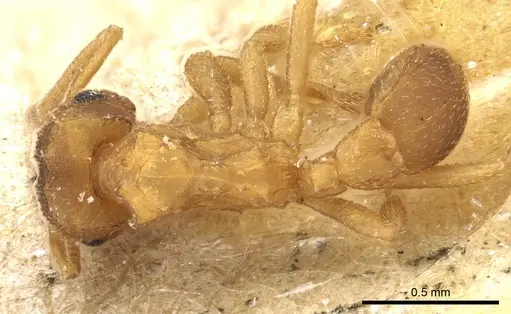
Literature
Loading...Loading products...