

Mycocepurus smithii
- Scientific Name
- Mycocepurus smithii
- Tribe
- Attini
- Subfamily
- Myrmicinae
- Author
- Forel, 1893
- Distribution
- Found in 14 countries
Mycocepurus smithii Overview
Mycocepurus smithii is an ant species of the genus Mycocepurus. It is primarily documented in 14 countries , including Argentina, Brazil, Colombia. Detailed taxonomic data and occurrence records can be further explored via authoritative databases such as AntWeb or the Global Biodiversity Information Facility (GBIF).
Mycocepurus smithii
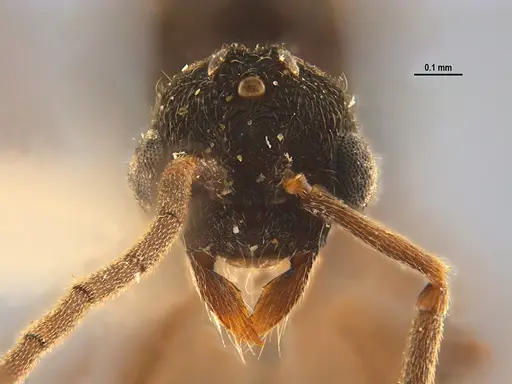
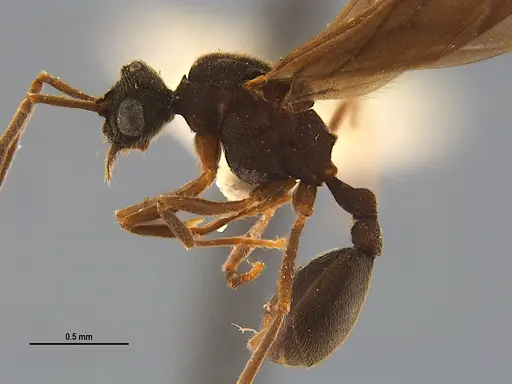
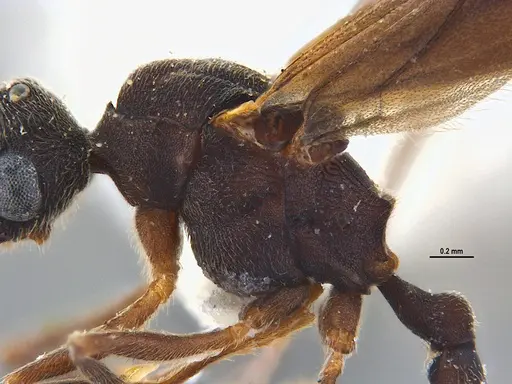
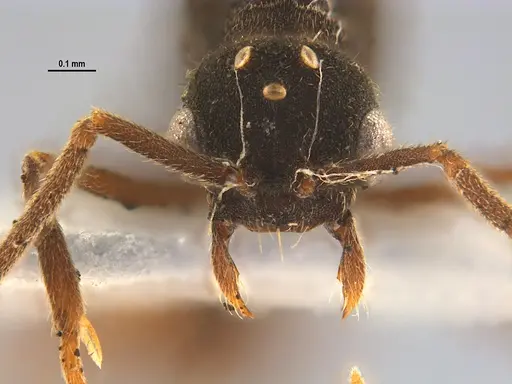
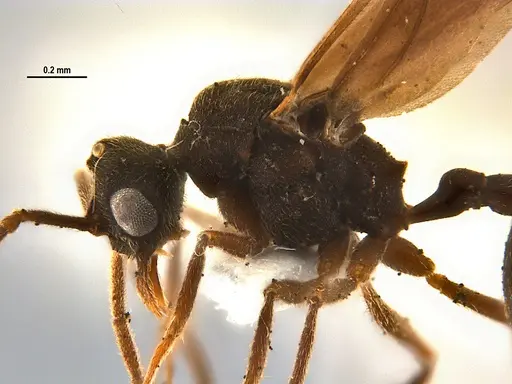
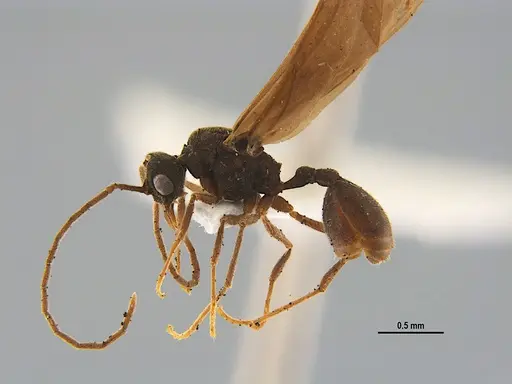
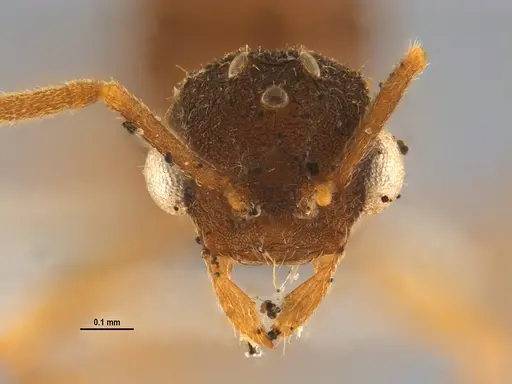
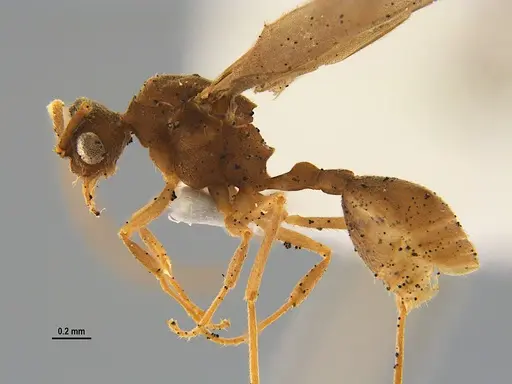
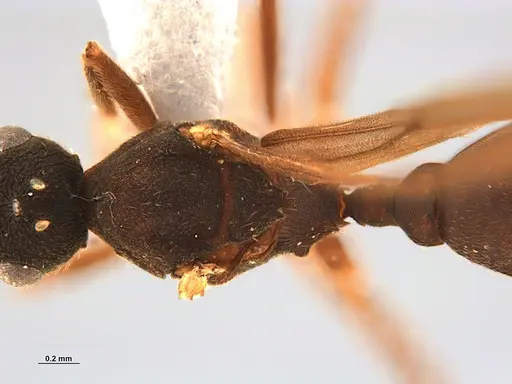
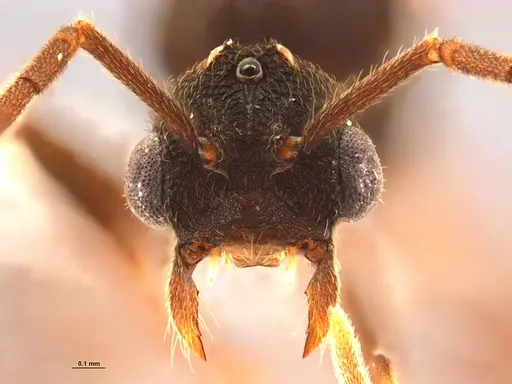
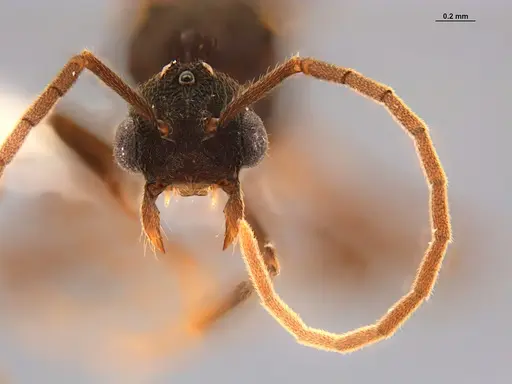
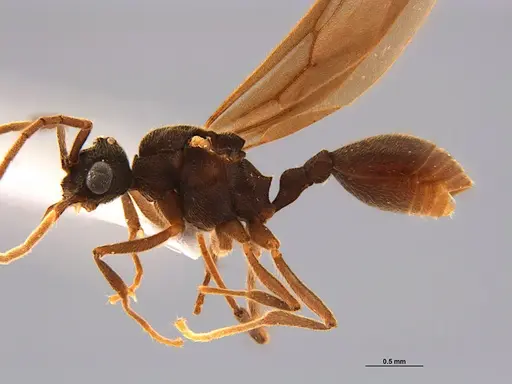
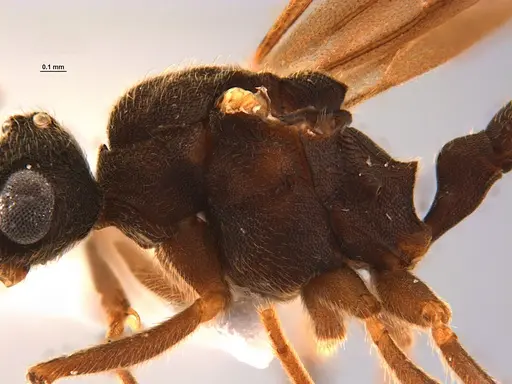
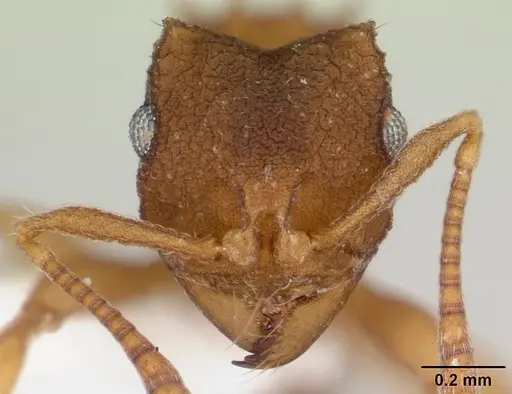
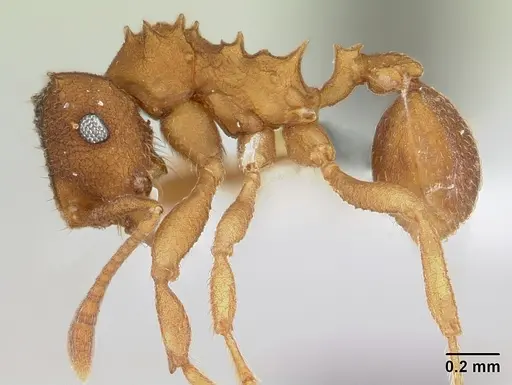
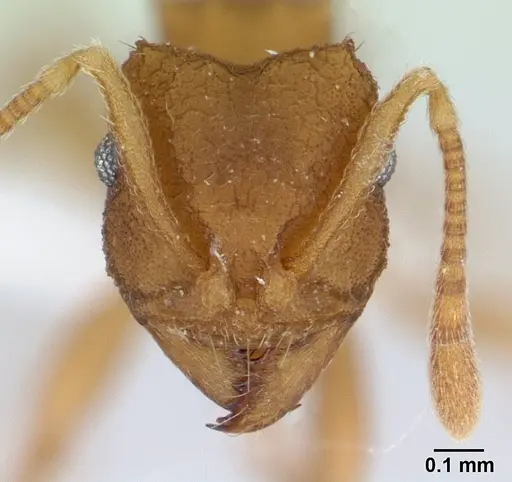
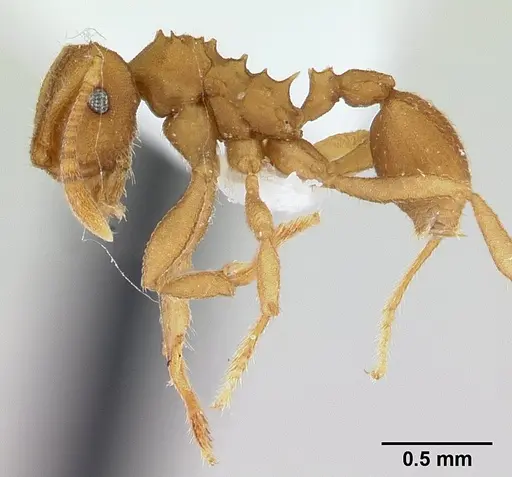
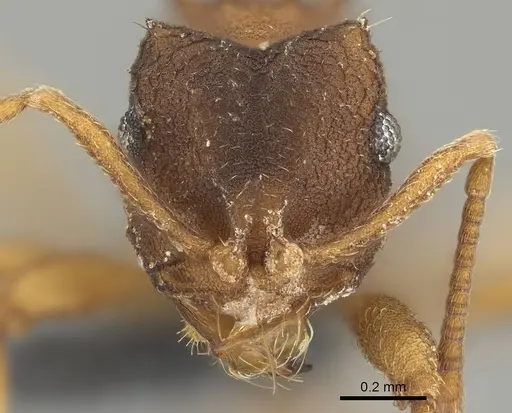
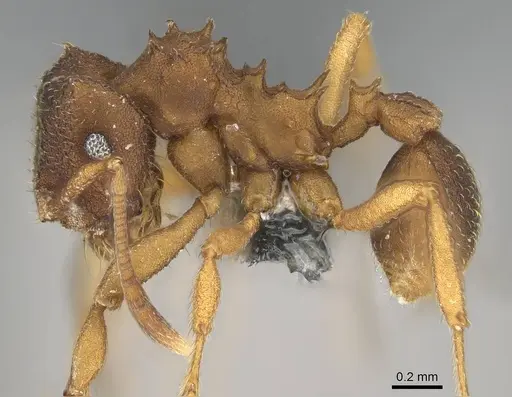
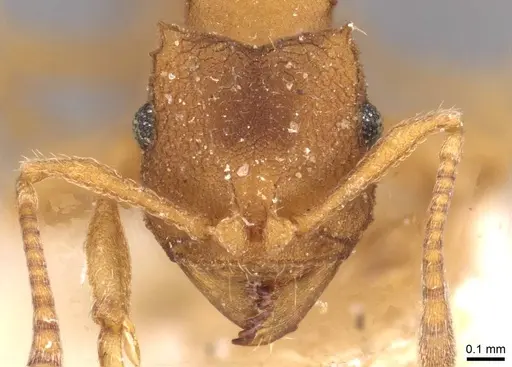
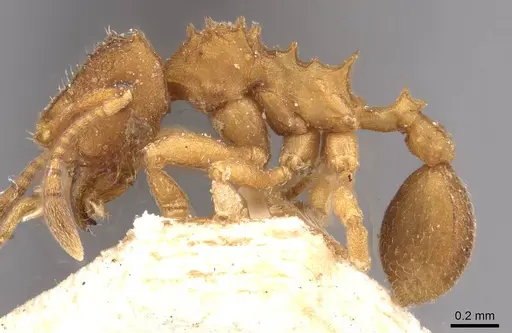
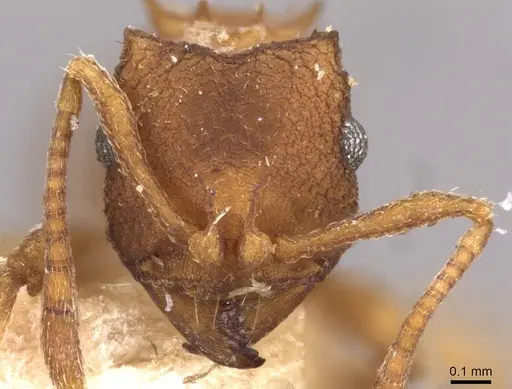
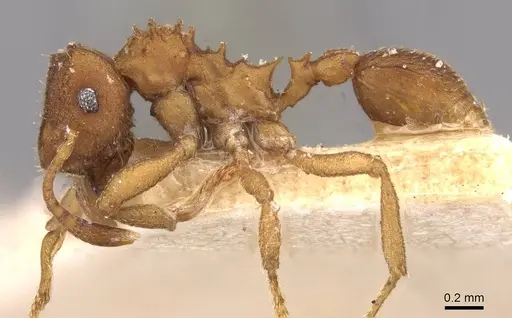
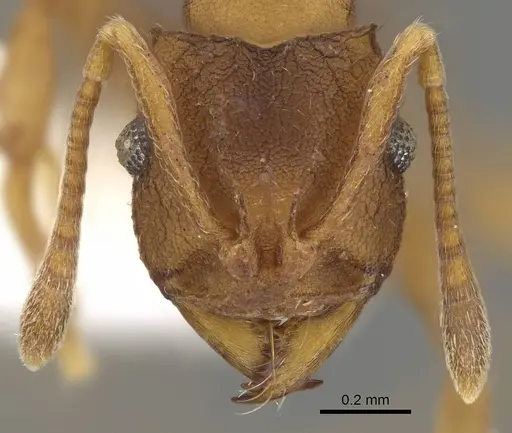
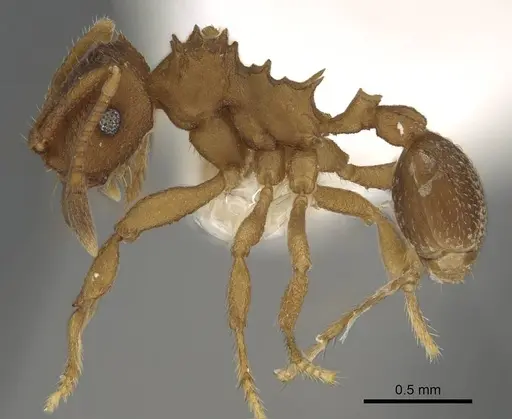
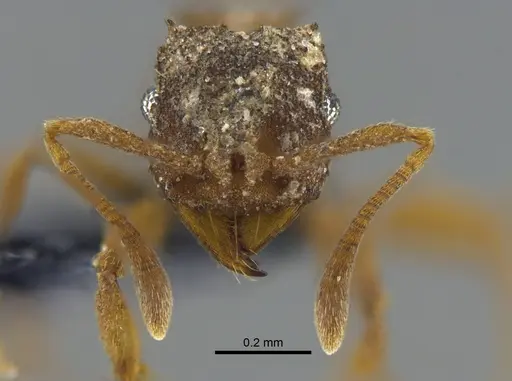
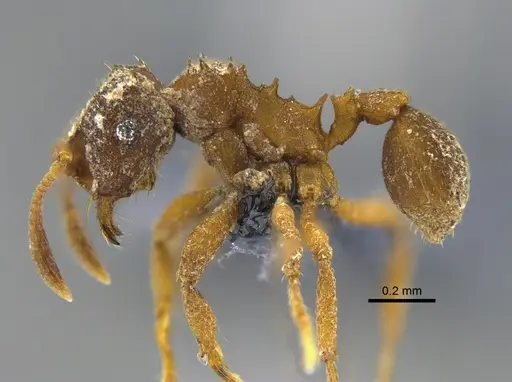
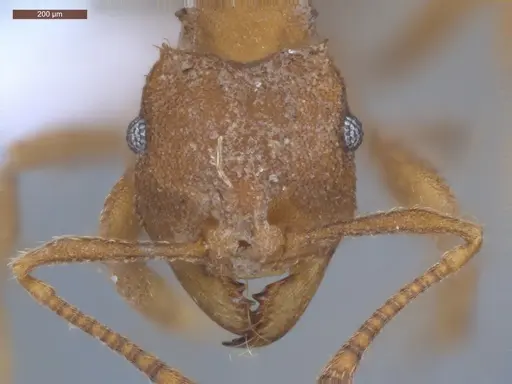
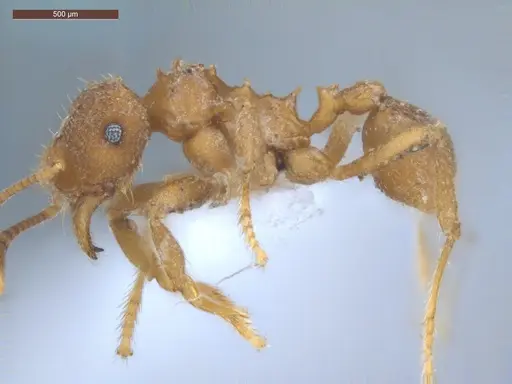
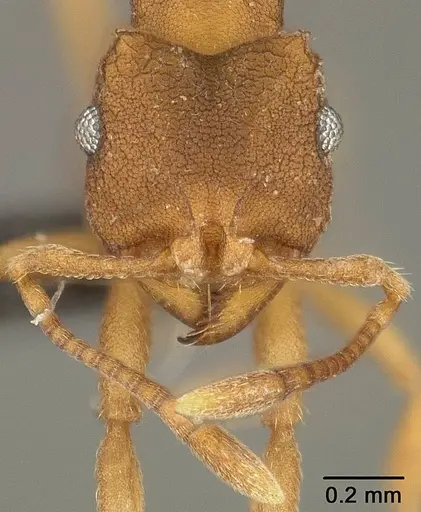
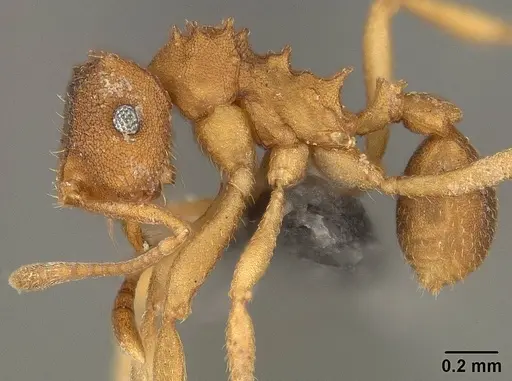
Mycocepurus smithii is a small fungus-growing ant measuring 3-4mm in workers, with a distinctive reddish-brown coloration and eight pronotal spines forming a circle pattern on the promesonotum [1][2]. This species holds a unique place in ant biology as the only known completely asexual fungus-farming ant, queens reproduce through thelytokous parthenogenesis, producing only female offspring without any males ever being found in most populations across its range [3][4]. Colonies are polygynous with multiple reproductive queens, though they start as single-queen colonies [5][6]. Workers cultivate fungi by collecting dry leaves, caterpillar frass, bat guano, and other detritus to feed their fungal gardens [2][7]. Nests are built in soil, often marked by a small turret around the entrance, and can extend up to a meter deep with multiple chambers [2].
Quick Summary
- Difficulty: Medium
- Origin & Habitat: Neotropical species ranging from central Mexico to northern Argentina, including all Caribbean islands, the most widespread fungus-growing ant species [2][8]. Found in diverse habitats from open disturbed areas and burned rainforest to tropical rainforests and moist gullies [2].
- Colony Type: Polygynous (multi-queen) colonies that start as single-queen (haplometrotic) foundations. Approximately 85% of new nests are founded by a single queen, with 15% having multiple foundresses (pleometrosis) [5][9]. Mature colonies contain 1-23 queens and typically under 100 workers [10][9]. The species exhibits functional polygyny with multiple reproductively active queens in one polydomous colony [6].
- Colony: Monogyne
- Founding: Semi-claustral, Pleometrosis
- Size & Growth:
- Queen: Approximately 3mm total length [2]
- Worker: 3-4mm [1]
- Colony: Up to 100 workers in small colonies, though mature nests can have multiple chambers with 40-77 workers per colony [9][10]
- Growth: Moderate
- Development: Approximately 60 days at 25°C [10] (Egg to hatching takes ~20 days, larval development to adult takes ~40 days at optimal temperature [10])
- Antkeeping:
- Temperature: Keep at 25°C for optimal development, this is a tropical species requiring warm conditions [10]. Room temperature may be sufficient in warm climates but heating may be needed in cooler environments.
- Humidity: Moderate to high humidity. These ants inhabit tropical forests and nest in soil, so maintain substrate moisture without waterlogging. Mist occasionally and provide a water tube.
- Diapause: No, being a tropical species, they do not require hibernation. Activity continues year-round in warm conditions.
- Nesting: Soil-nesting species that works well with naturalistic setups using soil substrate. Can also be kept in acrylic or plaster nests with appropriate humidity. Provide a nest chamber depth of at least 10-15cm to accommodate their root system-like fungus gardens.
- Behavior: Workers are small, slow-moving, and relatively docile. They forage individually or in pairs for substrate materials (detritus, caterpillar frass, small plant matter) within short distances of the nest, typically 0.2-1.5m [11]. Colonies show diurnal activity patterns with minimal foraging after 6pm, positively affected by temperature and negatively by humidity [11]. Workers are completely sterile, only queens reproduce [6]. Escape risk is moderate, use standard barrier methods.
- Common Issues: Fungus garden failure is the primary concern, without healthy fungus, the colony will starve. The fungus requires specific substrates and humidity levels to thrive., Overfeeding protein can kill the fungus garden and increase worker mortality. These ants naturally regulate protein intake tightly, avoid high-protein foods., Colony collapse can occur if queen-to-worker ratios are imbalanced. Research shows optimal ratio is approximately 1 queen to 60 workers for colony success [10]., Temperature drops below 20°C can slow or stop colony development. Maintain warm conditions., As a soil-nesting species, they require appropriate nesting space with chambers for fungus gardens, shallow nests will not accommodate their needs.
Fungus Farming and Feeding
Mycocepurus smithii is a basal fungus-growing ant that cultivates fungal gardens for nutrition. Unlike leafcutter ants that cut fresh leaves, these ants are detritivores that collect dry leaves, caterpillar frass (caterpillar droppings), bat guano, and other organic debris to feed their fungus [2][7]. In the wild, workers harvest mostly insect frass (52%), wood pieces (29%), and small seeds (14%) [13]. The fungus grows in curtain-like strands hanging from the chamber ceiling, and the ants consume the fungal hyphae as their primary food source [9]. In captivity, you can provide small pieces of dried leaves, cardboard, or other plant matter. Avoid high-protein foods, research shows excess protein kills the fungus garden and increases worker mortality [13]. The fungal cultivar is critical to colony survival, and colonies will fail without a healthy fungus.
Colony Structure and Reproduction
This species is extraordinary in the ant world, it reproduces entirely asexually through thelytokous parthenogenesis. Queens produce only female offspring (workers and new queens) from unfertilized eggs, and males are completely absent from most populations [3][4]. Genetic studies confirm workers and new queens are genetically identical to their mother queen [4]. Colonies start with a single foundress (85% of cases), but mature colonies become polygynous with multiple reproductive queens [5][6]. Each queen has six ovarioles and can lay approximately 1-2 eggs per day [10]. The optimal queen-to-worker ratio for colony success is about 1:60, having too many queens relative to workers actually reduces fungus garden growth [10]. Workers are completely sterile with only a single ovariole per ovary [6].
Nesting Requirements
Mycocepurus smithii nests exclusively in soil, with colonies marked by a small soil turret around the entrance or sometimes found under stones [7][2]. Nest chambers are only a few centimeters in diameter but can extend up to a meter deep, with multiple chambers connected by narrow tunnels [2]. The fungus gardens hang from the chamber ceiling in curtain-like folds, filling nearly the entire chamber [9]. For captive care, use a naturalistic setup with moist soil substrate at least 10-15cm deep to allow for proper chamber construction and fungus garden placement. The nest should have multiple chambers to accommodate the fungus garden system. Maintain moderate humidity, the substrate should be damp but not waterlogged.
Temperature and Environmental Needs
As a tropical species, Mycocepurus smithii requires warm temperatures for optimal development. Research shows development from egg to adult takes approximately 60 days at 25°C with 1°C variation [10]. Activity is positively affected by temperature and negatively by humidity, workers are most active during warmer parts of the day and show minimal activity after 6pm [11]. In captivity, maintain temperatures around 24-26°C. Room temperature may suffice in warm climates, but heating may be needed in cooler environments. Avoid temperatures below 20°C as this can slow or stop colony development. Provide a temperature gradient so ants can choose their preferred zone.
Unique Biology - Asexual Reproduction
Mycocepurus smithii is the first documented case of complete asexuality in ants. Extensive field surveys across Latin America and laboratory breeding over multiple years have never found males [4]. Queens have translucent, empty spermathecae (indicating they were never inseminated) but have well-developed ovaries with mature eggs [6]. The species lacks the 'mussel organ', a female reproductive structure that male genitalia lock into during mating, suggesting queens have lost the ability to mate [4]. Despite being asexual, colonies can be maintained indefinitely in laboratory because they continuously produce supernumerary queens [5]. Some populations in the Amazon (along Rio Amazonas and Rio Negro) still reproduce sexually, but these appear to be source populations for the widespread asexual lineages [8].
Frequently Asked Questions
How long does it take for Mycocepurus smithii to produce first workers?
At optimal temperature (25°C), development from egg to worker takes approximately 60 days. First workers typically emerge 2-5 months after colony founding [9][10].
What do Mycocepurus smithii ants eat?
They are fungus farmers, they do not eat conventional ant foods. Provide small pieces of dried leaves, cardboard, or other plant matter for the fungus to grow on. Avoid protein-rich foods as excess protein kills the fungus garden [13][2].
Can I keep multiple queens together?
Yes, this species is naturally polygynous (multi-queen). However, research shows the optimal queen-to-worker ratio is approximately 1:60. Too many queens relative to workers actually reduces colony success [10][5].
Are Mycocepurus smithii good for beginners?
This species is rated as medium difficulty. While fascinating due to their unique asexual reproduction, they require specific fungus-farming conditions and are more challenging than common ant species. The fungus garden must thrive for the colony to survive.
Do they need hibernation?
No. As a tropical species, they do not require hibernation. Maintain warm temperatures (around 25°C) year-round for optimal development [10].
How big do colonies get?
Colonies remain relatively small compared to other fungus-farming ants, typically reaching up to 100 workers. Mature colonies have multiple queens and may have 1-20 chambers [9][6].
Why are there no males in my colony?
This is normal! Mycocepurus smithii is the only known completely asexual fungus-farming ant species. Males have never been documented in most populations, queens reproduce via thelytokous parthenogenesis, producing only female offspring [4][3].
What temperature is ideal for Mycocepurus smithii?
Keep nests at approximately 25°C for optimal development. This is a tropical species that requires warm conditions, avoid temperatures below 20°C [10].
When should I move them to a formicarium?
Start colonies in a test tube setup with moist cotton. Once the colony has 20+ workers and a established fungus garden, you can move them to a naturalistic setup with soil substrate deep enough for multiple chambers.
References

This caresheet is licensed under CC BY-SA 4.0 .
ANTWEB1047310
View on AntWeb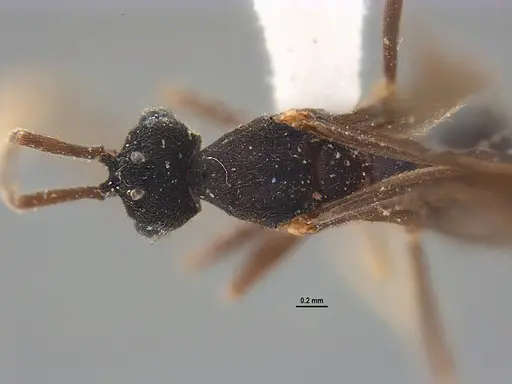
ANTWEB1047333
View on AntWeb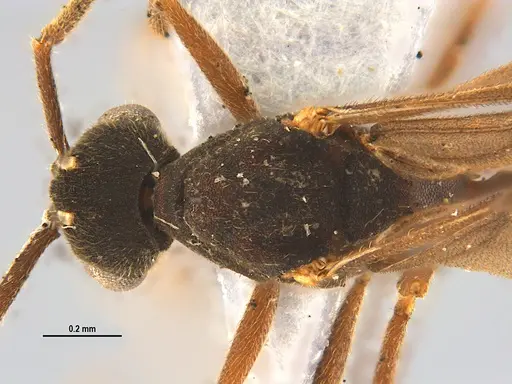
ANTWEB1047340
View on AntWeb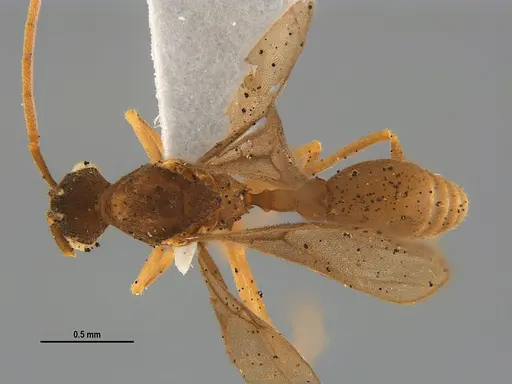
ANTWEB1047342
View on AntWeb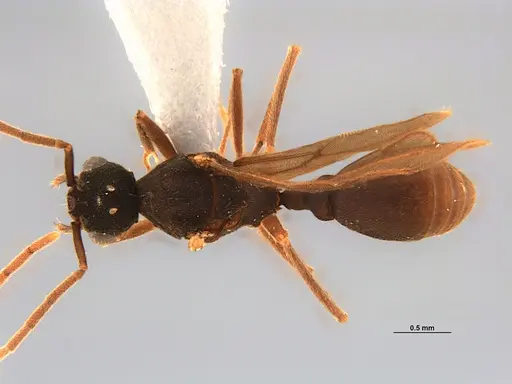
CASENT0173989
View on AntWeb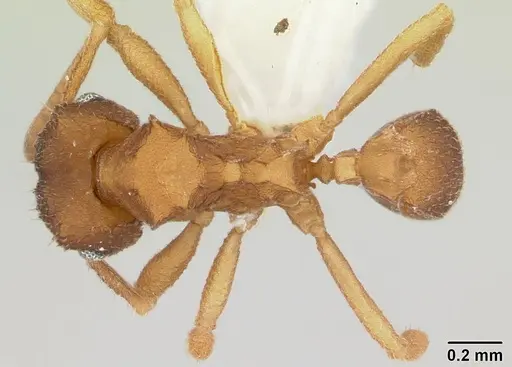
CASENT0179467
View on AntWeb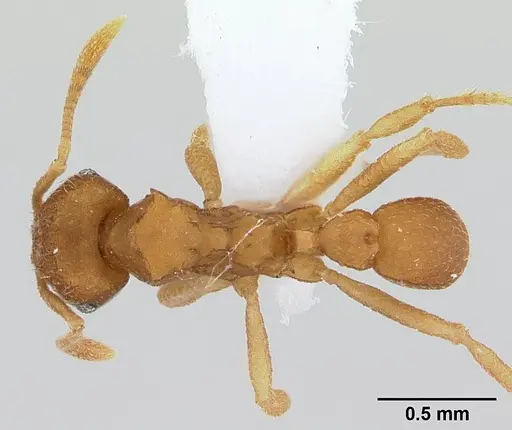
CASENT0729773
View on AntWeb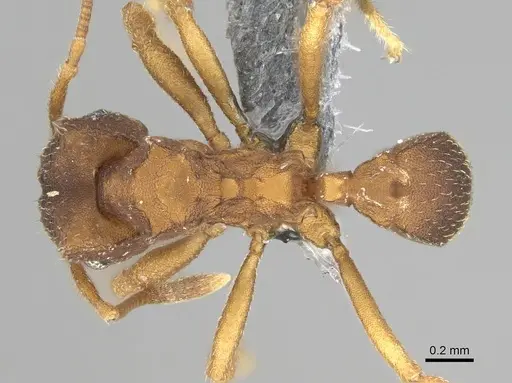
CASENT0909356
View on AntWeb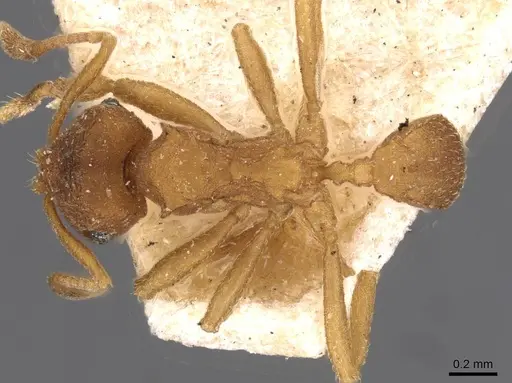
CASENT0909357
View on AntWeb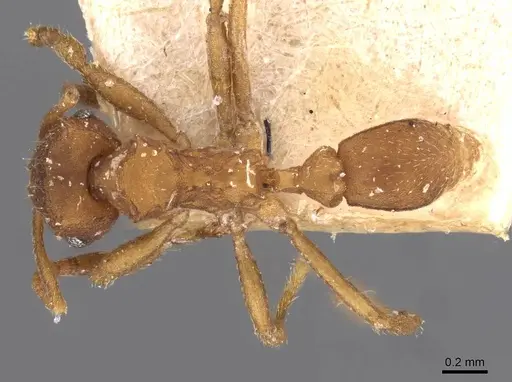
CASENT0922153
View on AntWeb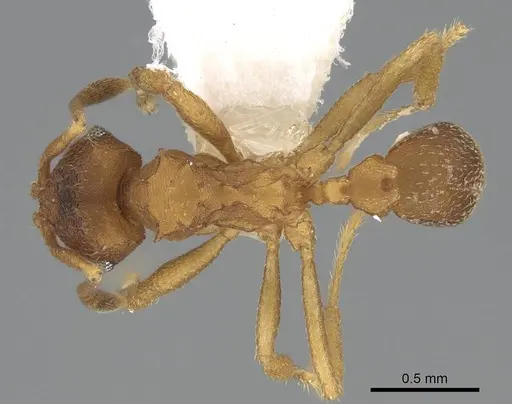
CBUMAGENT41968
View on AntWeb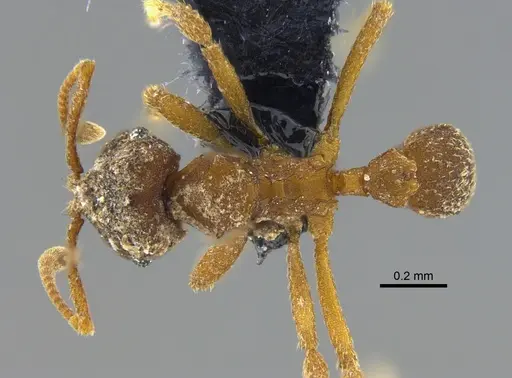
ECOFOG-GRS21-0197-05
View on AntWeb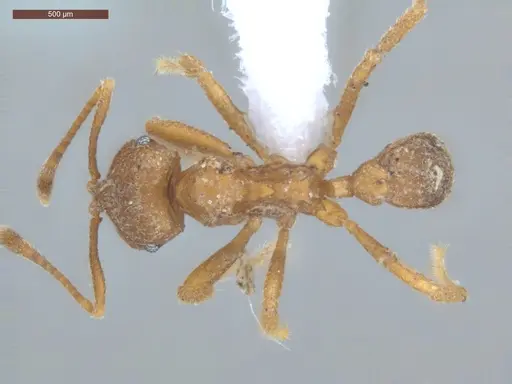
USNMENT01124242
View on AntWeb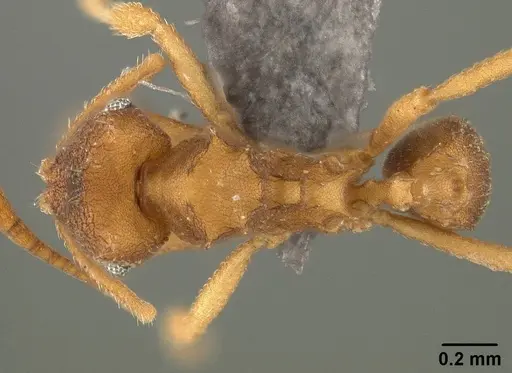
Literature
Loading...Loading products...