

Monomorium torvicte
- Scientific Name
- Monomorium torvicte
- Tribe
- Solenopsidini
- Subfamily
- Myrmicinae
- Author
- Bolton, 1987
- Distribution
- Found in 2 countries
Monomorium torvicte Overview
Monomorium torvicte is an ant species of the genus Monomorium. It is primarily documented in 2 countries , including Tanzania, United Republic of, South Africa. Detailed taxonomic data and occurrence records can be further explored via authoritative databases such as AntWeb or the Global Biodiversity Information Facility (GBIF).
Monomorium torvicte
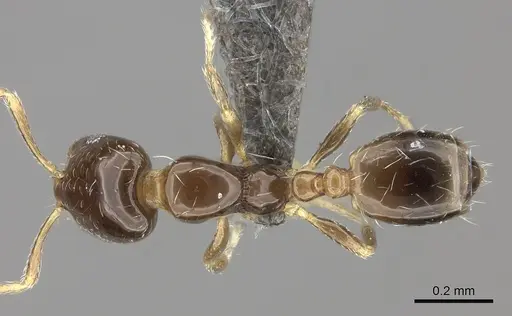
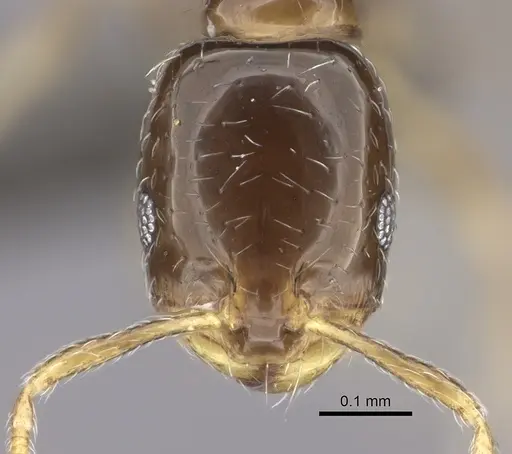
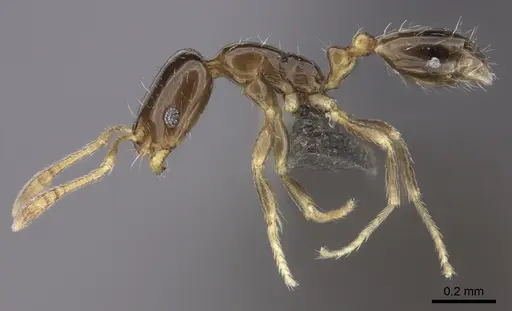
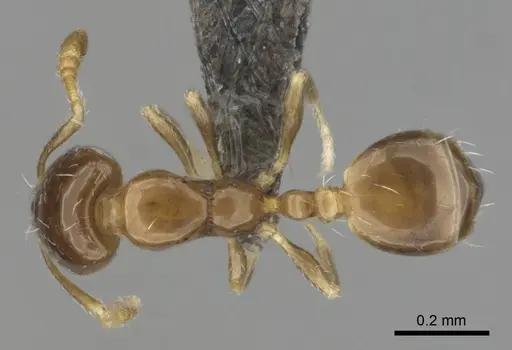
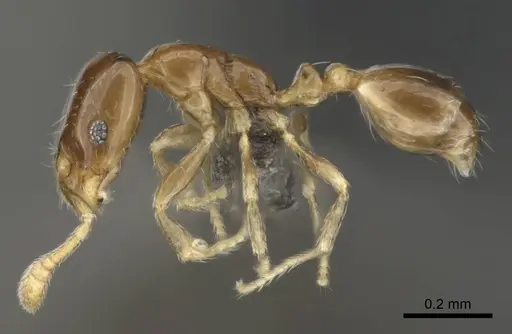
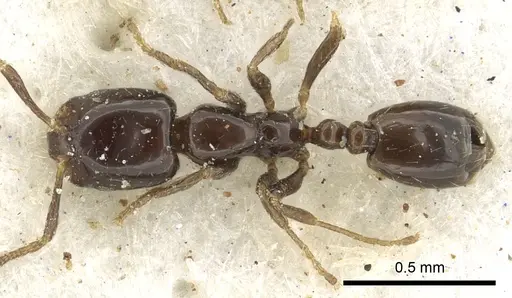
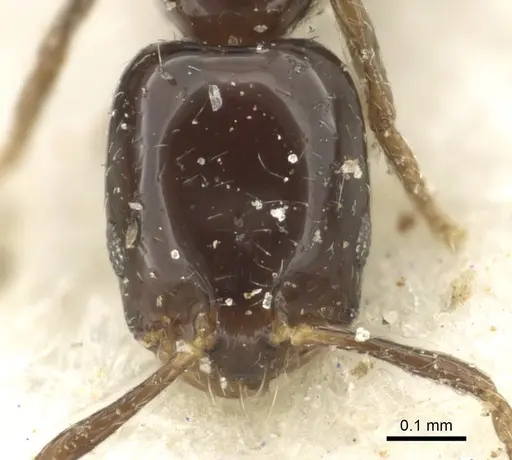
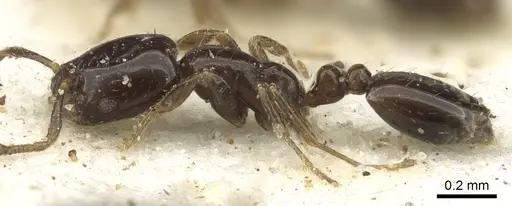
Monomorium torvicte is an extremely tiny ant species native to Cape Town, South Africa. Workers measure just 1.5-1.6mm in total length, making them among the smallest ants in the hobby. They belong to the Monomorium monomorium species group and are closely related to another minute South African species, Monomorium mavide. The ants are uniformly dark brown in color with relatively large eyes for their size and lack any significant sculpture on their bodies. This species is known only from grassland litter samples, suggesting they live in dense vegetation near the ground surface. Despite being described in 1987,very little is known about their biology in the wild, and they have rarely been collected since their original description over a century ago.
Quick Summary
- Difficulty: Unknown, likely Expert
- Origin & Habitat: Cape Town, South Africa. Known only from grassland litter samples [1].
- Colony Type: Unknown, colony structure has not been documented in scientific literature.
- Size & Growth:
- Queen: Unconfirmed, likely 3-4mm based on genus patterns
- Worker: 1.5-1.6mm [1]
- Colony: Unknown, likely small colonies based on related species
- Growth: Unknown
- Development: Unconfirmed, likely 4-8 weeks based on related tropical Monomorium species (No direct development data exists for this species. Estimates based on genus-level patterns for tiny Myrmicinae.)
- Antkeeping:
- Temperature: Start around 22-26°C and observe colony activity. Cape Town has a Mediterranean climate with mild temperatures year-round. Adjust based on how your colony responds.
- Humidity: Keep moderately humid, grassland litter ants prefer conditions that mimic damp leaf litter. The substrate should feel slightly moist but not waterlogged, with some drier areas available.
- Diapause: Unknown, Cape Town has mild winters, so they may not require a true diapause. Consider a cool period (15-18°C) for 2-3 months during Southern Hemisphere winter (June-August).
- Nesting: Use a small test tube setup or Y-tong nest with very tight chambers scaled to their tiny size. Their minute size means they can escape through standard barrier setups, fine mesh and tight-fitting lids are essential.
- Behavior: Behavior is unstudied, but related Monomorium species are typically shy and non-aggressive. They are likely ground-nesting and may form small colonies. Their extremely small size makes them difficult to handle and prone to escape. Expect them to be secretive and prefer to stay hidden within their nest.
- Common Issues: their extremely small size makes escape prevention critical, they can squeeze through gaps that larger ants cannot, lack of available colony sources makes this species nearly impossible to acquire for captive keeping, no captive breeding records exist, so care protocols are entirely speculative, wild-caught colonies may have parasites or diseases that kill them in captivity, slow or nonexistent growth makes this species unsuitable for keepers wanting visible progress
Species Overview and Identification
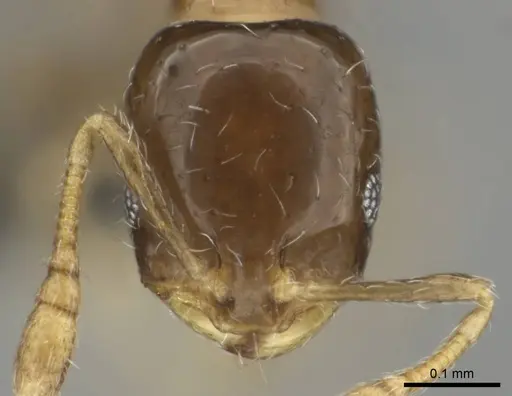
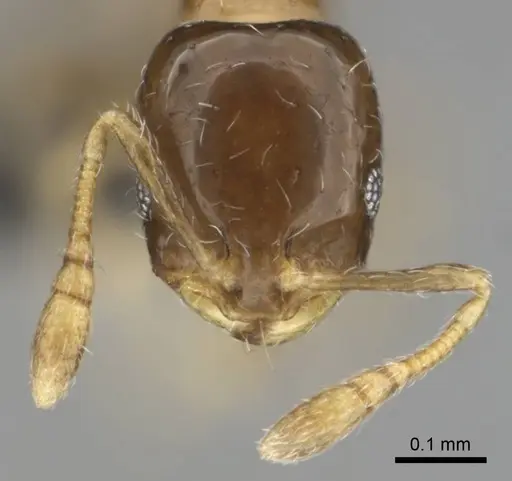
Monomorium torvicte is one of the smallest ant species in the world, with workers measuring a mere 1.5-1.6mm in total length. They were originally described by Bolton in 1987 from specimens collected in Cape Town in 1912. The species belongs to the Monomorium monomorium species group, specifically the boerorum complex, and is closely related to Monomorium mavide, another minute South African species. These ants are uniformly dark brown with relatively large eyes (about 0.20-0.21 times head width) featuring 6 ommatidia in the longest row. Their clypeal carinae are distinctly developed, and they lack any significant sculpture on their dorsal surfaces. The combination of their tiny size, dark coloration, and large eyes relative to their head makes them distinctive among South African ants. [1]
Natural Habitat and Distribution
This species is known only from Cape Town, South Africa, making it an endemic species with a very restricted range. The only known collection was made from a grassland litter sample, indicating they live in dense ground-level vegetation, likely in soil or under debris within grasslands. Cape Town has a Mediterranean climate with mild, wet winters and warm, dry summers. The grassland habitat suggests they prefer open areas with plenty of ground cover and leaf litter. This species has rarely been encountered since its original collection, suggesting it may be naturally rare or difficult to collect, or possibly even endangered in its limited range. [1]
Housing and Escape Prevention
Housing Monomorium torvicte presents significant challenges due to their extreme small size. Standard ant keeping equipment is designed for ants at least 3-4mm in length, so this species requires specialized setups. A small test tube setup with a tight-fitting cotton plug works best for founding colonies. For larger colonies, a Y-tong or acrylic nest with chambers scaled to their tiny size is essential. Escape prevention is absolutely critical, these ants can squeeze through gaps that would stop larger species. Use fine mesh (at least 0.5mm) for any ventilation holes, and ensure all connections between the nest and outworld are sealed with fluon or similar barriers. Even the smallest gaps in tubing can allow escape. Keep the outworld simple and avoid any gaps where the ants could climb out.
Feeding and Nutrition
While no specific dietary studies exist for M. torvicte, related Monomorium species are omnivorous and readily accept sugar sources and small protein items. Given their tiny size, food items must be correspondingly small. Offer sugar water or honey diluted with water at a 1:1 ratio, applied directly to the nest or on a small piece of cotton. For protein, offer tiny prey items such as springtails, fruit flies, or other small insects. Because of their minute size, even small fruit flies may be too large, consider chopping prey into smaller pieces or culturing very small feeder insects. Feed small amounts every 2-3 days and remove uneaten food promptly to prevent mold.
Temperature and Seasonal Care
Cape Town experiences mild temperatures year-round, with average highs ranging from 15°C in winter to 25°C in summer. For captive care, aim for temperatures in the range of 22-26°C, which is typical for most tropical and subtropical ant species. A small heating cable on one side of the nest can create a gentle gradient if room temperature is insufficient. Regarding seasonal care, the Southern Hemisphere winter (June-August) corresponds to cooler temperatures in Cape Town. While true diapause may not be required, providing a cooler period at 15-18°C for 2-3 months during this time may benefit the colony. Monitor colony activity levels, if they become sluggish, reduce feeding and allow them to rest.
Challenges and Ethical Considerations
Monomorium torvicte presents extreme challenges for ant keepers. First, this species is virtually unavailable in the ant keeping hobby, no known colonies exist in captive breeding programs, and wild collection would be difficult given their tiny size and limited distribution. Second, almost no scientific literature exists on their biology, making all care recommendations speculative at best. Third, their extreme rarity and restricted distribution in Cape Town raise serious ethical concerns about any wild collection. This species may be of conservation concern, and removing individuals from the wild could be harmful to natural populations. For these reasons, M. torvicte is not recommended for captive keeping and is best appreciated through scientific literature rather than as a pet species.
Frequently Asked Questions
Can I keep Monomorium torvicte as a pet ant?
No, this species is not recommended for captive keeping. They are virtually unavailable in the ant keeping hobby, and no captive breeding protocols exist. Additionally, their extreme rarity and restricted distribution in Cape Town raise serious ethical concerns about wild collection.
How big do Monomorium torvicte colonies get?
Colony size is unknown. Based on related tiny Monomorium species, colonies likely remain small with probably under 100 workers. Only two individuals of this species have ever been recorded in scientific surveys.
What do Monomorium torvicte eat?
While not directly studied, related Monomorium species are omnivorous. They likely accept sugar sources (honey water) and small protein items (tiny insects, springtails). Their tiny size means prey must be correspondingly small.
What temperature do Monomorium torvicte need?
Aim for 22-26°C based on Cape Town's mild Mediterranean climate. Start in this range and adjust based on colony activity. A gentle temperature gradient allows the ants to choose their preferred zone.
Where is Monomorium torvicte found?
This species is known only from Cape Town, South Africa. It was originally collected from grassland litter and has rarely been encountered since its description in 1987.
How long does it take for Monomorium torvicte to develop from egg to worker?
This is unconfirmed, no direct development data exists for this species. Based on related Monomorium species, development likely takes 4-8 weeks at optimal temperatures, but this is purely an estimate.
Is Monomorium torvicte good for beginners?
No. This species is not suitable for any level of ant keeper. They are virtually unavailable, their care requirements are entirely speculative, and their extreme rarity makes wild collection inappropriate.
Do Monomorium torvicte need hibernation?
Unknown, Cape Town has mild winters, so a true diapause may not be required. A cooler period at 15-18°C for 2-3 months during Southern Hemisphere winter (June-August) may be beneficial, but this is speculative.
Why is Monomorium torvicte so rare?
This species has only been collected twice, once in 1912 (the type series) and once in a 2016 biodiversity survey where only two individuals were found, both at control sites. Their rarity may be due to their tiny size making them difficult to collect, naturally small populations, or habitat specialization.
References

This caresheet is licensed under CC BY-SA 4.0 .
Literature
Loading...Loading products...