

Monomorium platynode
- Scientific Name
- Monomorium platynode
- Tribe
- Solenopsidini
- Subfamily
- Myrmicinae
- Author
- Heterick, 2006
- Distribution
- Found in 1 countries
Monomorium platynode Overview
Monomorium platynode is an ant species of the genus Monomorium. It is primarily documented in 1 countries , including Madagascar. Detailed taxonomic data and occurrence records can be further explored via authoritative databases such as AntWeb or the Global Biodiversity Information Facility (GBIF).
Monomorium platynode
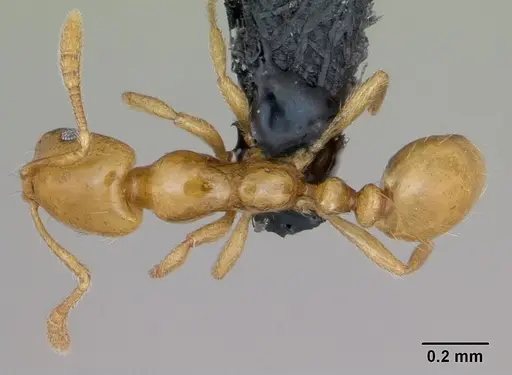
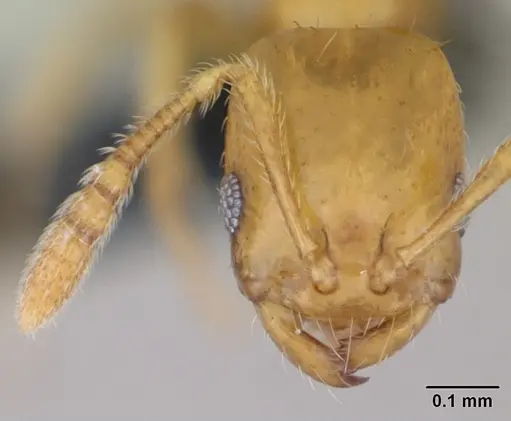
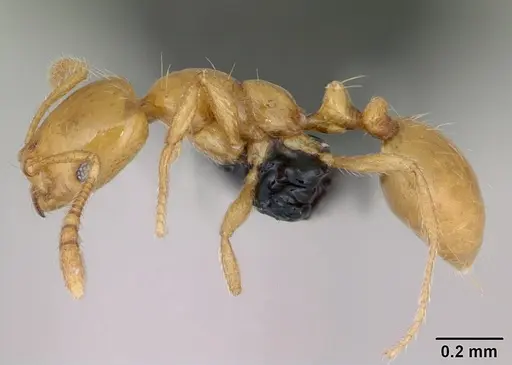
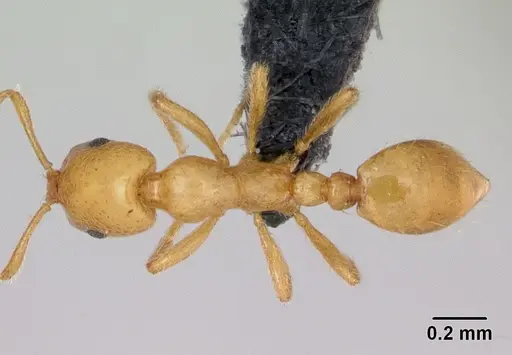
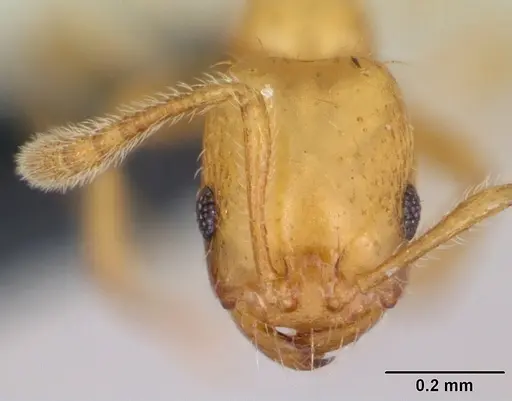
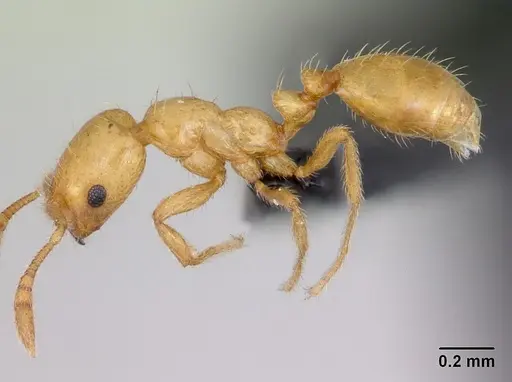
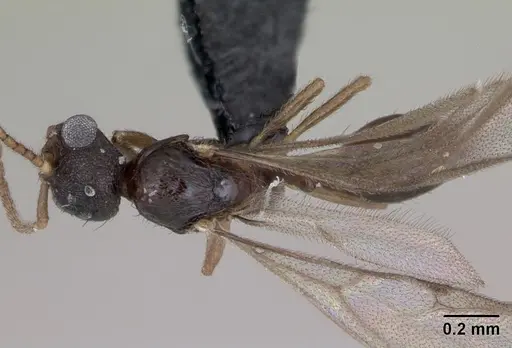
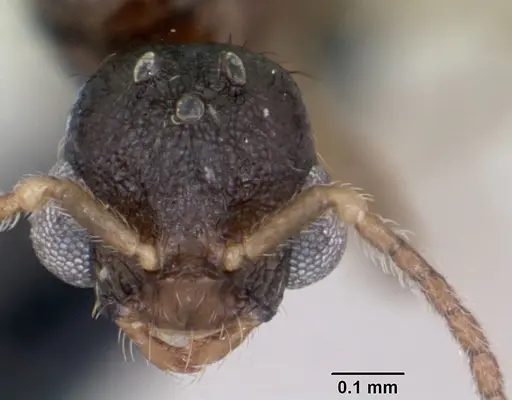
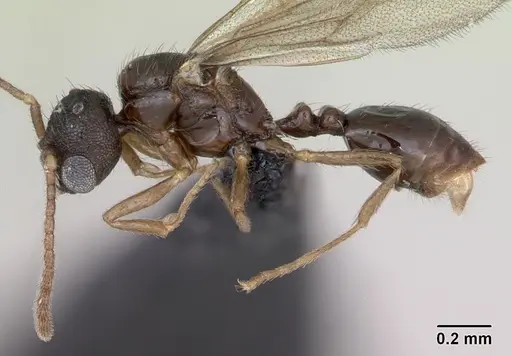
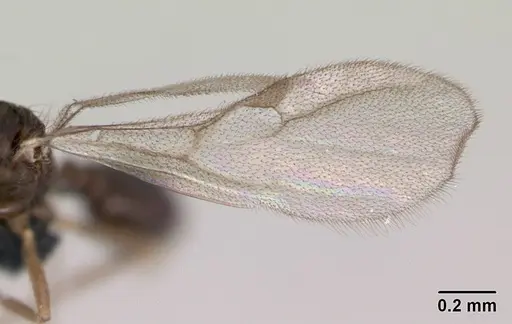
Monomorium platynode is a tiny, bright yellow-orange ant endemic to Madagascar. Workers measure just 1.18-1.33mm in total length, making them one of the smaller ant species kept in captivity. They are immediately recognizable by their high petiolar nodes, three-toothed mandibles, and truncated clypeus (the area between the eyes and mouth). This species belongs to the Monomorium monomorium species group and is considered rather rare, though it ranges across the entire island of Madagascar from the dry forests in the west to the rainforests in the east [1][2]. The queen has never been described, and only workers and very small males are known from scientific collections [1].
Quick Summary
- Difficulty: Medium
- Origin & Habitat: Madagascar, found throughout the island in both tropical dry forest and rainforest habitats. Specimens have been collected from sifted leaf litter and by hand from rotting logs [1][2].
- Colony Type: Unknown colony structure. The queen has never been described, so whether they form single-queen or multi-queen colonies is unconfirmed. Only workers and males have been collected [1].
- Size & Growth:
- Queen: Unknown, queen has not been described in scientific literature [1]
- Worker: 1.18-1.33mm (estimated from HML measurements) [1][2]
- Colony: Unknown, likely small colonies based on typical Monomorium patterns
- Growth: Moderate, inferred from typical Monomorium development
- Development: 6-10 weeks (estimated based on related Monomorium species) (No direct development data exists for this species. Estimates based on genus-level patterns for small tropical Myrmicinae.)
- Antkeeping:
- Temperature: Keep around 24-28°C. As a tropical Madagascar species, they prefer warm conditions. A gentle temperature gradient allows them to regulate [3].
- Humidity: Moderate to high, they inhabit both dry forest and rainforest in Madagascar, so aim for 60-80% humidity. Keep the nest substrate consistently moist but not waterlogged [1].
- Diapause: No, Madagascar has no true winter, so this species does not require hibernation. Maintain warm conditions year-round [3].
- Nesting: In the wild, they nest in rotting logs and leaf litter. In captivity, a small test tube setup or acrylic nest with tight chambers works well. Their tiny size means they need appropriately scaled housing [1].
- Behavior: These ants are small and generally non-aggressive. They are likely docile colony inhabitants that forage for small prey and honeydew. Their tiny size means excellent escape prevention is critical, they can squeeze through remarkably small gaps. Workers are bright yellow-orange and quite active when foraging. They are not known to be particularly defensive or painful to handle [1][3].
- Common Issues: escape prevention is critical, their tiny size allows them to squeeze through standard barrier setups, queen unknown means wild colony founding is difficult to replicate, small size makes them vulnerable to drying out, maintain humidity carefully, rare species in the hobby means limited established care protocols, wild-caught colonies may carry parasites that can devastate captive colonies
Housing and Nest Setup
Because Monomorium platynode is an extremely small ant, housing must be appropriately scaled. A standard test tube setup works well for founding colonies, use a small diameter tube with a tight-fitting cotton plug. The tube should be small enough that the ants cannot walk around excessively in the water chamber area. For established colonies, a small acrylic nest or Y-tong style formicarium with narrow chambers and passages works best. The chambers should be just large enough for the colony to move through comfortably. Avoid large, open spaces which can stress small colonies. Escape prevention is critical, these tiny ants can squeeze through gaps that seem impossible. Use fluon on all rim edges and ensure any connections between outworld and nest are sealed with cotton or other appropriate barriers [1][3].
Feeding and Diet
Like most Monomorium species, these ants are likely omnivorous with a preference for small protein sources and sugary liquids. Offer sugar water, honey, or diluted maple syrup as a constant carbohydrate source. For protein, small live prey works best, fruit flies, pinhead crickets, and small mealworms are appropriate sizes. Given their tiny size, prey items should be no larger than the ants themselves. They may also accept small amounts of seeds or insect fragments. Feed protein 2-3 times per week, and keep sugar water available at all times. Remove uneaten prey within 24 hours to prevent mold issues. Their small size means even tiny prey items represent a significant meal [3].
Temperature and Humidity
Monomorium platynode comes from tropical Madagascar, so they need warm, humid conditions. Maintain temperatures between 24-28°C for optimal colony health and development. A heating cable on one side of the nest can create a temperature gradient, allowing the ants to self-regulate. Place the heating on top of the nest, not underneath, to avoid drying out the substrate. For humidity, aim for 60-80% relative humidity. The nest substrate should remain consistently moist but never waterlogged. A small water tube connected to the nest can help maintain humidity through evaporation. Monitor condensation levels, some condensation is good, but excessive moisture can drown small colonies. Room temperature in most homes may be too cold, so consider using a small heat source [1][3].
Colony Establishment
The biggest challenge with keeping Monomorium platynode is that the queen has never been scientifically described, meaning wild-collected colonies are the primary source for antkeepers. If you obtain a colony collected from the wild, it will likely contain workers and possibly males. The absence of a known queen means these are likely mature colonies with established reproductive biology. When introducing a wild colony to captivity, provide a quiet, dark location for the first few weeks to allow them to acclimate. Do not disturb the colony excessively during this adjustment period. Given their rarity in the hobby, establishing a breeding program may be challenging but could help develop captive husbandry protocols. Monitor carefully for signs of stress or decline, as small colonies are particularly vulnerable to environmental changes [1][2].
Behavior and Temperament
Monomorium platynode workers are bright yellow-orange and relatively docile. They are not known for aggressive behavior or painful stings, making them safe to handle for observation. Workers are active foragers and will readily explore their outworld in search of food. Their small size makes them excellent at navigating tight spaces and finding small prey items. They do not exhibit typical defensive behaviors like major workers or soldier castes, the worker caste is monomorphic, meaning all workers are the same size. Their activity level increases with temperature, so warmer conditions will make them more visible and active. The males, when present, are very small and may be overlooked [1][2].
Frequently Asked Questions
How long does it take for Monomorium platynode to develop from egg to worker?
Exact development time is unknown since this species has not been studied in captivity. Based on typical Monomorium genus patterns for small tropical species, expect approximately 6-10 weeks from egg to worker at optimal temperatures of 24-28°C. The lack of a described queen means founding colony development has never been documented.
What do Monomorium platynode ants eat?
They are omnivorous like most Monomorium species. Offer sugar water, honey, or maple syrup as a constant carbohydrate source. For protein, small live prey such as fruit flies, small mealworms, or pinhead crickets work well. Their tiny size means prey should be appropriately scaled, no larger than the ants themselves.
What temperature should I keep Monomorium platynode at?
Keep them warm at 24-28°C. As a tropical Madagascar species, they prefer consistent warmth. A temperature gradient allowing them to move between warmer and cooler areas is ideal. Avoid temperatures below 20°C for extended periods.
Can I keep multiple queens of Monomorium platynode together?
The colony structure of this species is unknown because the queen has never been scientifically described. Without knowing whether they are monogyne (single queen) or polygyne (multiple queens), combining unrelated queens is not recommended. There is no data on their queen behavior.
How big do Monomorium platynode colonies get?
Colony size is not documented in scientific literature. Based on related Monomorium species and their small worker size, colonies likely reach a few hundred workers at most. The absence of a described queen makes precise colony size estimates difficult.
Do Monomorium platynode need hibernation?
No, as a tropical species from Madagascar, they do not require hibernation or winter rest. Maintain warm conditions year-round. Madagascar does not experience true winter, so this species has no evolutionary adaptation to cold periods.
Are Monomorium platynode good for beginners?
This species is rated as Medium difficulty. While they are relatively docile and small, the lack of documented care information and the difficulty of obtaining colonies makes them challenging for complete beginners. They require careful attention to humidity, temperature, and escape prevention. If you are new to antkeeping, consider starting with more established species like Lasius or Camponotus.
Where does Monomorium platynode live in the wild?
They are endemic to Madagascar, found throughout the island in both tropical dry forest and rainforest habitats. Specimens have been collected from sifted leaf litter and by hand from rotting logs, indicating they nest in decaying wood and forest floor debris.
References

This caresheet is licensed under CC BY-SA 4.0 .
Literature
Loading...Loading products...