

Monomorium nimihil
- Scientific Name
- Monomorium nimihil
- Tribe
- Solenopsidini
- Subfamily
- Myrmicinae
- Author
- Collingwood, 2004
- Distribution
- Found in 1 countries
Monomorium nimihil Overview
Monomorium nimihil is an ant species of the genus Monomorium. It is primarily documented in 1 countries , including Yemen. Detailed taxonomic data and occurrence records can be further explored via authoritative databases such as AntWeb or the Global Biodiversity Information Facility (GBIF).
Monomorium nimihil
Monomorium nimihil is a tiny yellow ant endemic to Socotra Island, Yemen. Workers measure just 0.71mm in total body length, making them one of the smaller ant species kept in captivity. They belong to the Monomorium salomonis group, characterized by sculptured mandibles, circular propodeal spiracles, and relatively large eyes. The species was only discovered in 2004 from a single collection site in Wadi Daneghan, where they were found in leaf litter under fig trees near a permanent stream. The specific name 'nimihil' actually means 'ant' in the Socotri language, the local language of Socotra Island. This is an extremely rare species in captivity with virtually no established care protocols.
Quick Summary
- Difficulty: Expert
- Origin & Habitat: Socotra Island, Yemen, endemic. Found only at Wadi Daneghan (12°37'N,54°04'E,90m elevation) in leaf litter and humus layers under fig trees near a permanent brook on a steep slope [1][2].
- Colony Type: Unknown, only worker caste has been described. No queen or colony structure data exists. Based on genus patterns, likely single-queen colonies, but this is unconfirmed.
- Size & Growth:
- Queen: Unknown, queen caste has not been described [1]
- Worker: 0.71mm total length (AL 0.71mm, HL 0.63mm, HW 0.59mm, SL 0.63mm) [1]
- Colony: Unknown, only known from 13 workers in original sample [1]
- Growth: Unknown
- Development: Unknown, no development data exists for this species (Based on similar small Myrmicinae, estimate 4-8 weeks at optimal temperature, but this is a rough guess)
- Antkeeping:
- Temperature: Unknown, infer from Socotra climate (tropical, warm year-round). Start around 24-28°C and observe colony activity. Avoid extremes.
- Humidity: Inferred from habitat (leaf litter under fig trees near permanent stream): moderate to high humidity preferred. Keep substrate consistently moist but not waterlogged.
- Diapause: Unknown, Socotra has minimal seasonal temperature variation. Likely no true diapause, but may have reduced activity periods.
- Nesting: No specific data. Based on natural habitat (leaf litter, humus layers), likely prefers humid, enclosed spaces. Test tubes or small acrylic nests with moist substrate work as starting points.
- Behavior: No behavioral observations documented. Based on genus patterns: likely non-aggressive, moderate foraging activity. Their tiny size (under 1mm) means escape prevention is critical, they can squeeze through standard mesh. Unknown sting potency, likely negligible due to size.
- Common Issues: no established care protocols, everything is experimental, extremely small size makes escape likely without fine mesh barriers, no queen or colony information means founding will be challenging, no documented diet acceptance, unknown what they will eat, risk of colony collapse if conditions don't match unknown requirements
Species Background and Rarity
Monomorium nimihil is one of the rarest ants in the antkeeping hobby, if available at all. It was only described in 2004 from specimens collected in pitfall traps on Socotra Island, Yemen. The species has never been found again since its original collection, the 2017 ant fauna study of Socotra specifically noted no new material was collected [2]. This makes it essentially a ghost species in the ant world. The name 'nimihil' is the Socotri word for 'ant', honoring the local language of this isolated Yemeni island [1]. Socotra is famous for its unique biodiversity, being separated from mainland Arabia for millions of years, which has allowed endemic species like this to evolve in isolation.
Identification and Morphology
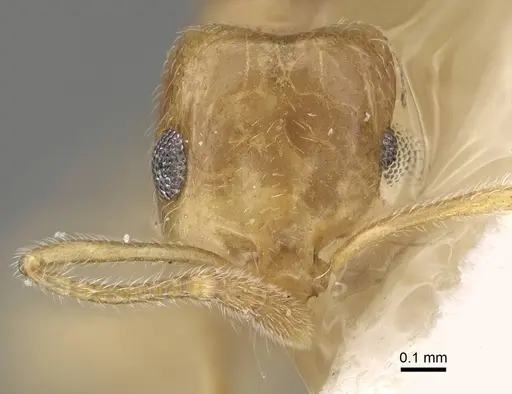
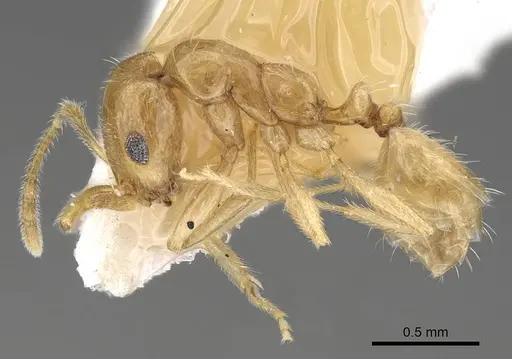
Workers are tiny at only 0.71mm total length, with a uniform yellow coloration that makes them nearly invisible against substrate. They have a nearly square head with strongly concave posterior margin, large eyes (0.30 times head width) with 10-11 ommatidia, and sculptured mandibles. The most distinctive feature is the abundant long pilosity (hairs) covering the body, this is unusual in the Monomorium salomonis group and helps distinguish them from related species [1][2]. They belong to the M. salomonis group based on the combination of sculptured mandibles, circular propodeal spiracle, and round eyes positioned near the midlength of the head sides [1].
Natural Habitat and Inference for Care
In the wild, M. nimihil was found in well-developed leaf and humus layers under and around fig trees (likely Ficus cordata var. salicifolia) on a steep slope near a permanent brook at 90m elevation [1][2]. This suggests they prefer humid, shaded microhabitats with access to moisture. Socotra has a tropical monsoonal climate with temperatures ranging from about 20-35°C year-round. The fig tree understory environment would be humid but not waterlogged, with stable temperatures. For captive care, this suggests providing moderate warmth (24-28°C), consistent humidity, and a humidified nest setup. The fact they were most numerous in the trap (13 of 34 specimens) suggests they can be locally common in suitable habitat [1].
Housing and Setup Recommendations
Since no captive care information exists, recommendations are based on inference from habitat and related species. Use a small test tube setup or mini acrylic nest with moist substrate. Given their tiny size (under 1mm), escape prevention is critical, standard cotton stoppers and mesh may not contain them. Use fine mesh (0.5mm or smaller) and ensure all connections are sealed. Provide a small outworld for foraging. Keep the nest humid but allow some drying between waterings to prevent mold. Temperature should be warm (24-28°C) based on Socotra's climate. Since we don't know their diet, start with small live prey (fruit flies, pinhead crickets, springtails) and sugar water/honey, but success is uncertain.
Feeding and Nutrition
No documented feeding observations exist for this species. Based on the Monomorium genus and salomonis-group patterns, they likely consume honeydew from aphids and small insects. In captivity, offer small live prey items appropriate to their tiny size: fruit flies (Drosophila), small springtails, minute booklice, or freshly killed small insects. Sugar sources like diluted honey or sugar water may be accepted, but this is unconfirmed. Given their size, prey should be no larger than they can handle, essentially microscopic arthropods. Start with variety and observe what gets consumed.
Challenges and Experimental Keeping
This species represents an extreme case in antkeeping: almost no biological data exists, no established care protocols, and no captive colonies are known. If you obtain this species, expect to experiment with conditions. Document everything: temperature, humidity, food acceptance, behavior, growth rates. The lack of queen description means founding will be difficult, you would need to locate a queen (if they exist in captivity at all). This is truly an expert-level species for advanced antkeepers willing to invest significant time in experimental care. Consider this a conservation opportunity rather than a typical species project.
Frequently Asked Questions
How do I keep Monomorium nimihil ants?
No established protocol exists, this is one of the rarest ant species in captivity with virtually no documented care information. Based on their natural habitat (leaf litter under fig trees near streams on Socotra Island), provide warm temperatures (24-28°C), moderate to high humidity, and small live prey. Expect experimental keeping.
What do Monomorium nimihil eat?
Unknown, no feeding observations have been documented. Based on genus patterns, likely accept small live prey (fruit flies, springtails) and honeydew/sugar sources. Offer variety and observe acceptance.
How big do Monomorium nimihil colonies get?
Unknown, the species is only known from 13 workers in the original sample. No colony size data exists. Related species in the salomonis-group typically reach a few hundred workers.
What temperature do Monomorium nimihil need?
Not documented. Socotra Island has a tropical climate with year-round warmth. Start around 24-28°C and adjust based on colony activity. Avoid temperature extremes.
Are Monomorium nimihil good for beginners?
No, this is an expert-level species. There are no established care protocols, no documented colony information, and virtually no data on their requirements. Only experienced antkeepers willing to experiment should attempt this species.
Where is Monomorium nimihil found?
Only on Socotra Island, Yemen. They are endemic to this location and have only been found at a single site: Wadi Daneghan,12°37'N,54°04'E, at 90m elevation near a permanent stream under fig trees.
How long does it take for Monomorium nimihil to develop from egg to worker?
Unknown, no development timeline has been documented. Based on similar small Myrmicinae, estimate 4-8 weeks at optimal temperature, but this is a rough guess.
Can I keep multiple Monomorium nimihil queens together?
Unknown, colony structure has not been studied. No queen description exists, so colony type (single-queen vs multi-queen) is unconfirmed. Not recommended without data.
Why is Monomorium nimihil so rare?
The species was only discovered in 2004 and has never been found again despite targeted ant surveys on Socotra Island. It appears to have a very restricted range and possibly specialized habitat requirements. Captive availability is essentially nonexistent.
References

This caresheet is licensed under CC BY-SA 4.0 .
CASENT0922181
View on AntWeb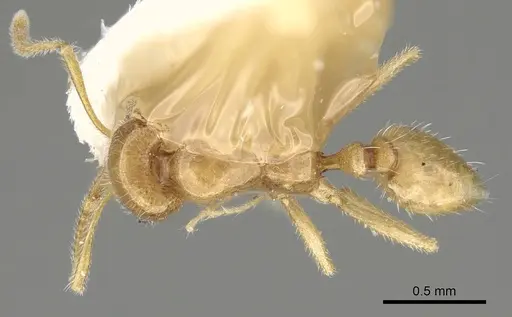
Literature
Loading...Loading products...