

Monomorium lepidum
- Scientific Name
- Monomorium lepidum
- Tribe
- Solenopsidini
- Subfamily
- Myrmicinae
- Author
- Heterick, 2006
- Distribution
- Found in 1 countries
Monomorium lepidum Overview
Monomorium lepidum is an ant species of the genus Monomorium. It is primarily documented in 1 countries , including Madagascar. Detailed taxonomic data and occurrence records can be further explored via authoritative databases such as AntWeb or the Global Biodiversity Information Facility (GBIF).
Monomorium lepidum
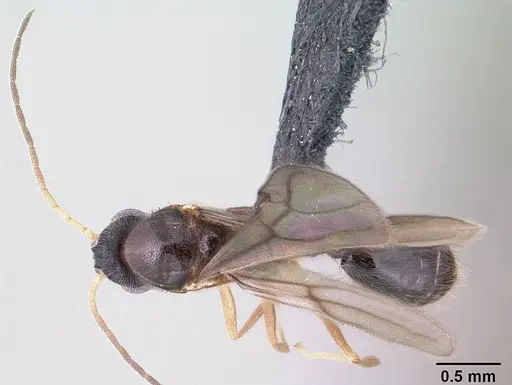
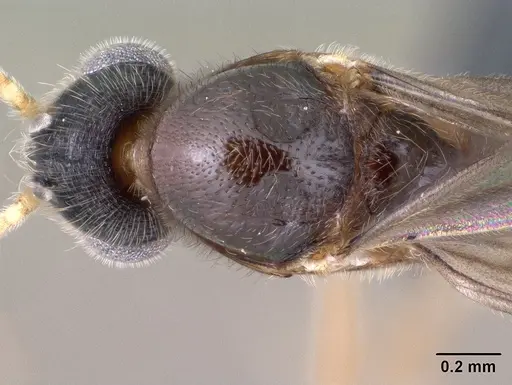
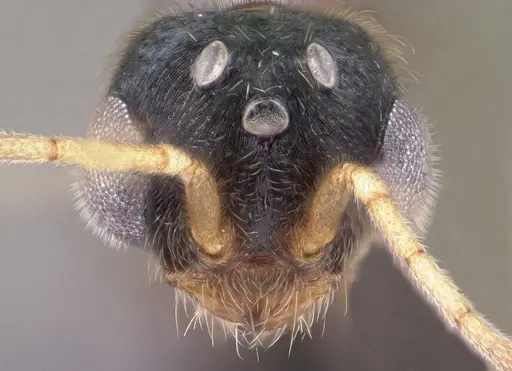
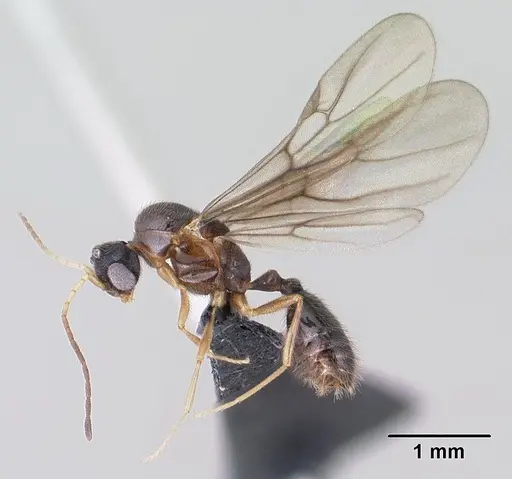
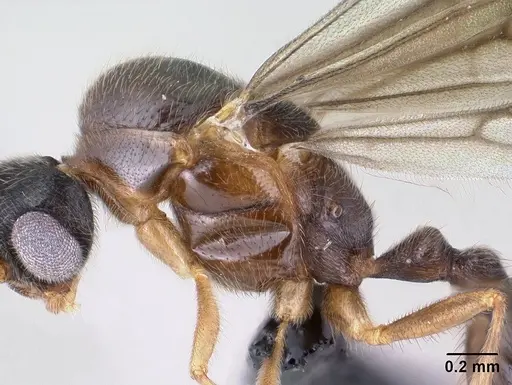
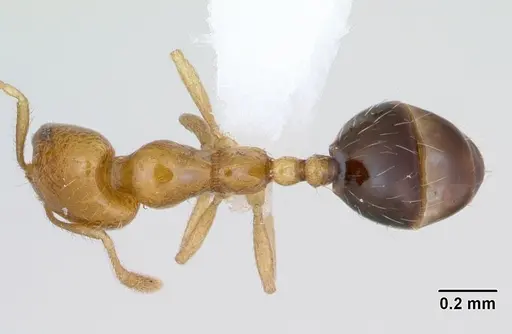
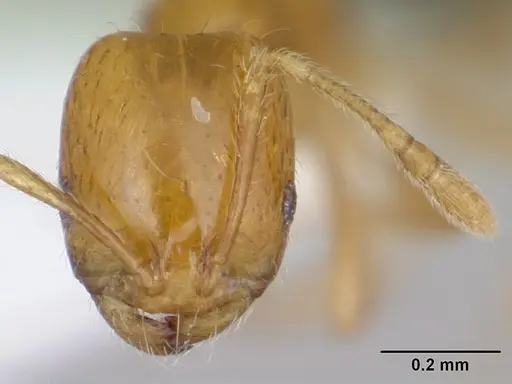
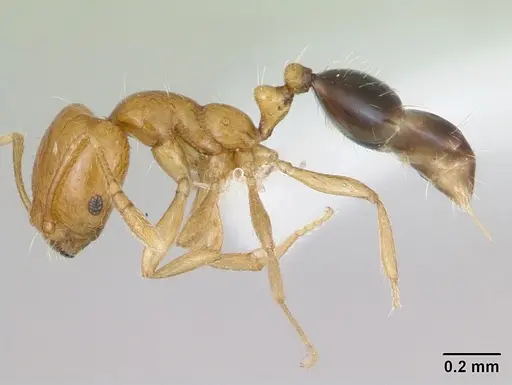
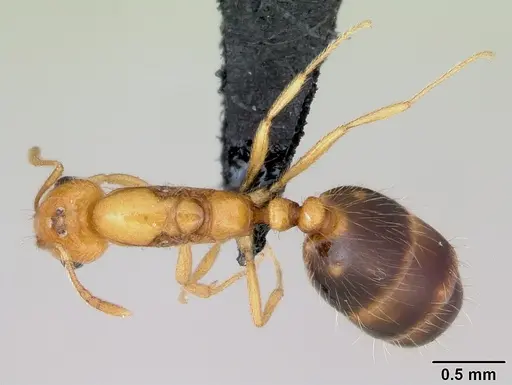
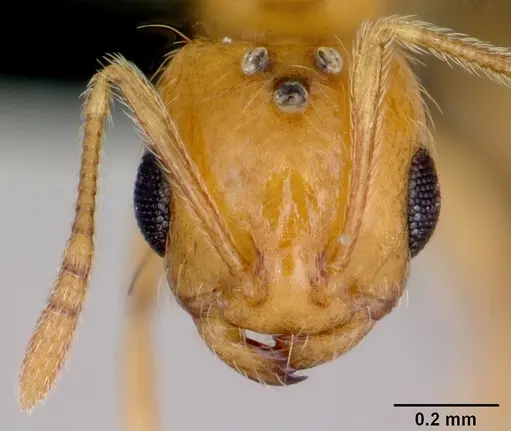
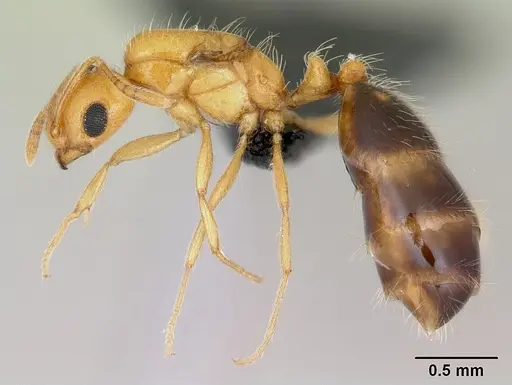
Monomorium lepidum is a tiny, attractive ant species native to Madagascar. Workers measure just 1.1-1.4mm in total length, making them one of the smaller ant species you'll encounter. They have a distinctive bicolored appearance: the head and mesosoma range from tawny-yellow to orange, while the gaster is a striking chocolate brown. Queens are larger at 2-2.3mm and similarly colored. This species belongs to the Monomorium monomorium species group, specifically the flavimembra complex. They were described in 2006 by Brian Heterick and are found primarily in western and southern Madagascar, where they inhabit tropical dry forests [1][2].
Quick Summary
- Difficulty: Medium
- Origin & Habitat: Monomorium lepidum is endemic to Madagascar, with most records from the Mahajanga Province in the western part of the island. They inhabit tropical dry forest but have also been collected in rainforest areas. In the wild, they nest in rotten twigs and tree stumps above ground, and are frequently collected from sifted leaf litter and pitfall traps [1][3][2].
- Colony Type: Colony structure is unconfirmed. Based on the Monomorium genus pattern, they likely form single-queen colonies (monogyne). Workers are monomorphic, meaning all workers look the same [1].
- Size & Growth:
- Queen: 1.99-2.34 mm total length (HML) [2], or 0.56-0.59 mm head length [1]
- Worker: 1.09-1.38 mm total length (HML) [2], or 0.44-0.54 mm head length [1]
- Colony: Unknown, no colony size data is available in the scientific literature
- Growth: Unknown, growth rate has not been documented
- Development: 6-10 weeks (estimated based on typical Monomorium development) (Development time is unconfirmed for this species. Based on related Monomorium species and tropical ant development patterns, expect roughly 6-10 weeks from egg to worker at warm tropical temperatures. Nanitics (first workers) will be smaller than normal workers.)
- Antkeeping:
- Temperature: Keep them warm, around 24-28°C. Madagascar is tropical, so they expect consistent warmth. A small heating cable on one side of the nest can create a temperature gradient. Room temperature in most homes (20-24°C) may be acceptable, but warmer conditions will support better colony development.
- Humidity: Moderate to high humidity. Their natural habitat includes both dry forest and rainforest areas. Keep the nest substrate consistently moist but not waterlogged. These tiny ants are sensitive to drying out, so monitor substrate moisture regularly.
- Diapause: No, as a tropical species, they do not require hibernation. Keep temperatures stable year-round without cooling periods.
- Nesting: They naturally nest in small cavities like rotten twigs and tree stumps above ground. In captivity, they do well in small test tube setups, Y-tong (AAC) nests with narrow chambers, or small plaster nests. The key is providing appropriately scaled chambers, these tiny ants need tight, small spaces. Avoid large, open formicaria designed for bigger ants.
- Behavior: Monomorium lepidum is a small, generally peaceful species. They are not aggressive and unlikely to bite or sting humans. Their tiny size means they are active foragers, likely hunting small prey and collecting honeydew. They are escape risks due to their very small size, they can squeeze through tiny gaps. You must use excellent escape prevention with fine mesh barriers and tight-fitting lids. They are arboreal cavity nesters, so they prefer elevated nest positions.
- Common Issues: escape prevention is critical, they are tiny and can squeeze through the smallest gaps, colonies may grow slowly, which can frustrate beginners who expect rapid development, wild-caught colonies may have parasites that are difficult to detect and treat, overheating is a risk, while they need warmth, direct heat sources can quickly kill small colonies, drying out is a major threat, their small size means they lose moisture rapidly in dry conditions
Nest Preferences and Housing
Monomorium lepidum naturally nests in small cavities above ground, specifically rotten twigs, tree stumps, and similar decaying wood. This means they are arboreal cavity nesters and prefer elevated nest positions in captivity. For housing, small test tubes work well for founding colonies, while Y-tong (AAC) nests with appropriately small chambers suit established colonies. The key requirement is providing chambers that are properly scaled to their tiny size, these are very small ants, so standard chambers designed for medium-sized ants will be too large. Plaster nests can work if kept consistently moist. Avoid naturalistic setups with large open spaces, as these tiny ants feel more secure in tight, enclosed spaces. Make sure any nest you use has excellent escape prevention, these ants can slip through remarkably small gaps. [1][2]
Feeding and Diet
Like most Monomorium species, M. lepidum is likely an omnivore that accepts both protein sources and sugar. In the wild, they probably forage for small insects and arthropods, and also tend aphids or scale insects for honeydew. In captivity, you should offer a varied diet. For protein, small live prey like fruit flies, pinhead crickets, and small mealworms work well. They will likely accept dead prey if crushed to appropriate sizes. For carbohydrates, offer sugar water, honey, or honeydew substitutes. Because they are so small, prey items must be appropriately sized, what seems tiny to you is appropriately sized for them. Feed protein 2-3 times per week, and keep a sugar source available constantly. Remove uneaten prey after 24-48 hours to prevent mold.
Temperature and Care
As a Madagascar species, Monomorium lepidum requires warm, stable temperatures. Aim for 24-28°C in the nest area. This can be achieved using a small heating cable placed on one side of the nest to create a gentle temperature gradient, this allows the ants to regulate their own temperature by moving between warmer and cooler areas. Be very careful with heating, as small colonies can overheat quickly. Never place the nest directly on a heating mat without a buffer layer. Room temperature (20-24°C) may be acceptable but will likely result in slower development. These ants come from a tropical environment with minimal seasonal temperature variation, so they do not require hibernation or cooling periods. Keep temperatures consistent year-round.
Humidity and Water
Monomorium lepidum requires moderate to high humidity. Their natural habitat includes both dry forest and rainforest areas of Madagascar, suggesting they can adapt to a range but need access to moisture. Keep the nest substrate consistently moist but never waterlogged. For test tube setups, ensure the water reservoir is appropriately sized, too much water can flood tiny colonies. For Y-tong or plaster nests, check substrate moisture every few days and rehydrate as needed. The key is providing a moisture gradient within the nest, with some areas slightly damp and others slightly drier, allowing the ants to choose their preferred microclimate. Mist the outworld occasionally but avoid creating standing water.
Behavior and Temperament
This is a small, generally docile ant species. They are not aggressive toward keepers and present no real danger, their tiny size means any potential bite would be barely noticeable. Workers are active foragers, likely hunting small prey and collecting sweet secretions. Because of their small size, they are excellent escape artists. You must use fine mesh on any ventilation holes, ensure all lids fit tightly, and consider using barrier substances like fluon on container rims. They are not known for any unusual behaviors like tandem running or slave-making, they are straightforward, small ants that go about their business quietly. Colonies are likely to be modest in size based on their tiny worker size and cavity-nesting habits.
Frequently Asked Questions
How long does it take for Monomorium lepidum to produce first workers?
The exact development time is unconfirmed for this species. Based on typical Monomorium development patterns and tropical ant development, expect roughly 6-10 weeks from egg to first nanitic worker at optimal warm temperatures (24-28°C). The first workers will be smaller than normal workers.
Can I keep Monomorium lepidum in a test tube?
Yes, test tubes work well for founding colonies. Use a small test tube with an appropriately sized water reservoir, these tiny ants are sensitive to flooding. Once the colony reaches 20-30 workers, you can consider moving them to a small Y-tong or plaster nest with chambers scaled to their tiny size.
What do Monomorium lepidum ants eat?
They are omnivores. Offer small live prey like fruit flies, pinhead crickets, or small mealworms for protein. Also provide a constant sugar source like sugar water, honey, or honeydew. Because they are so tiny, prey must be appropriately sized, very small pieces.
What temperature do Monomorium lepidum need?
Keep them warm at 24-28°C. Madagascar is tropical, so they expect consistent warmth. A small heating cable on one side of the nest creates a gradient. Room temperature (20-24°C) may be acceptable but will slow development.
Are Monomorium lepidum good for beginners?
They are moderate difficulty. Their tiny size makes them more challenging than larger ant species, escape prevention is critical, and they are sensitive to drying out. However, they are docile and do not require special diets or hibernation. Expect slower colony growth than species like Camponotus or Lasius.
How big do Monomorium lepidum colonies get?
The maximum colony size is unknown. Based on their tiny worker size and cavity-nesting habits, colonies will likely remain modest, probably under a few hundred workers at most. They are not a rapidly saturating species.
Do Monomorium lepidum need hibernation?
No, they do not require hibernation. As a tropical Madagascar species, they need stable warm temperatures year-round. Do not cool them down in winter.
Why are my Monomorium lepidum escaping?
Their tiny size makes them excellent escape artists. They can squeeze through remarkably small gaps. Use fine mesh on all ventilation, ensure lids fit tightly, and consider applying fluon or similar barriers to container rims. Check for any tiny gaps you might overlook.
When should I move my colony to a formicarium?
Wait until the colony has at least 30-50 workers and the test tube is becoming crowded. For these tiny ants, a small Y-tong nest with narrow chambers works better than large formicaria designed for bigger species.
References

This caresheet is licensed under CC BY-SA 4.0 .
Literature
Loading...Loading products...