

Monomorium junodi
- Scientific Name
- Monomorium junodi
- Tribe
- Solenopsidini
- Subfamily
- Myrmicinae
- Author
- Forel, 1910
- Common Name
- Junod's Carrion Pharaoh ant
- Distribution
- Found in 5 countries
Monomorium junodi Overview
Monomorium junodi (commonly known as the Junod's Carrion Pharaoh ant) is an ant species of the genus Monomorium. It is primarily documented in 5 countries , including Mozambique, Eswatini, Tanzania. Detailed taxonomic data and occurrence records can be further explored via authoritative databases such as AntWeb or the Global Biodiversity Information Facility (GBIF).
Monomorium junodi - "Junod's Carrion Pharaoh ant"
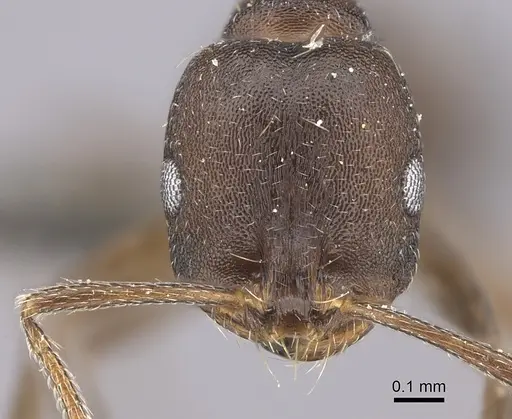
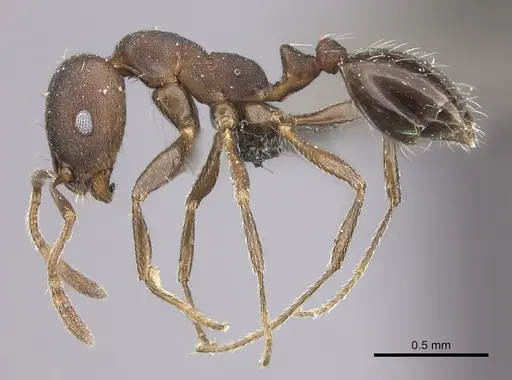
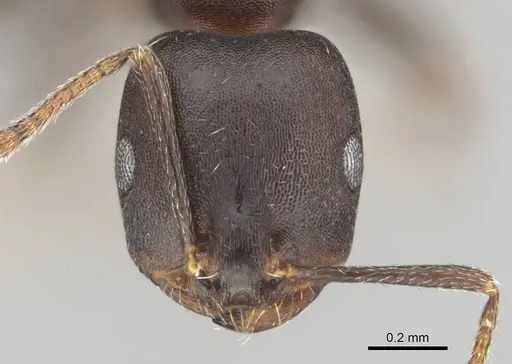
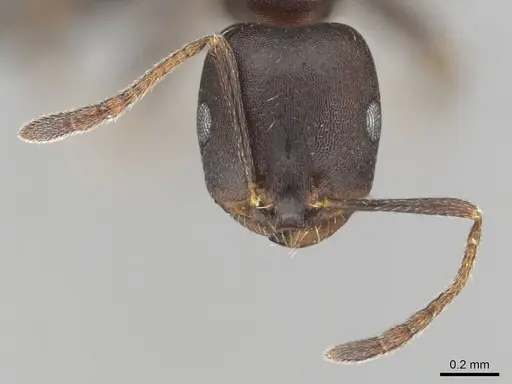
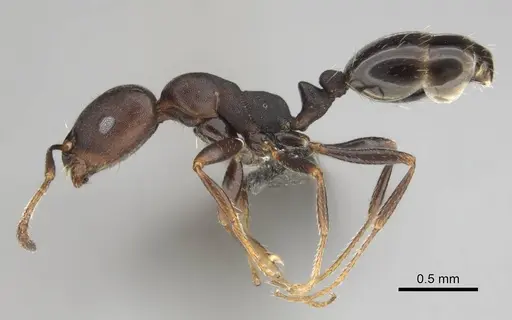
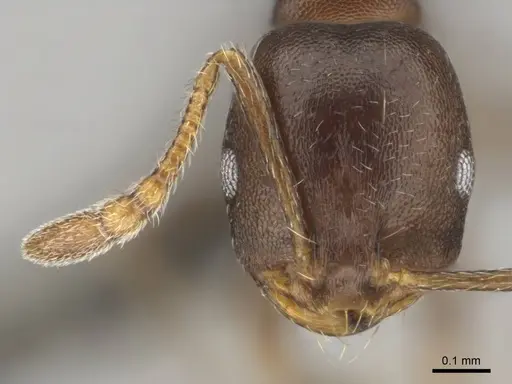
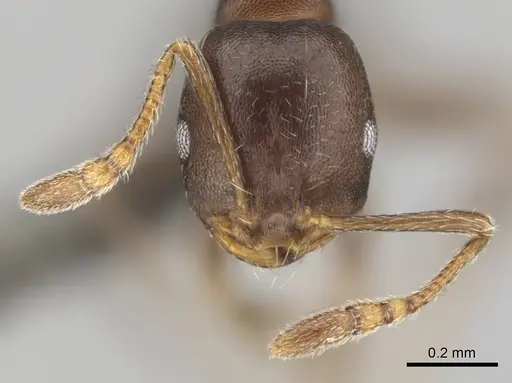
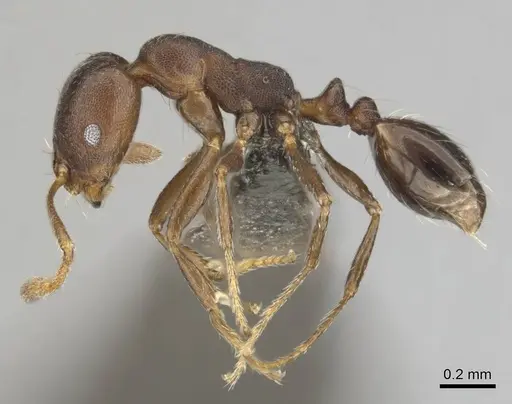
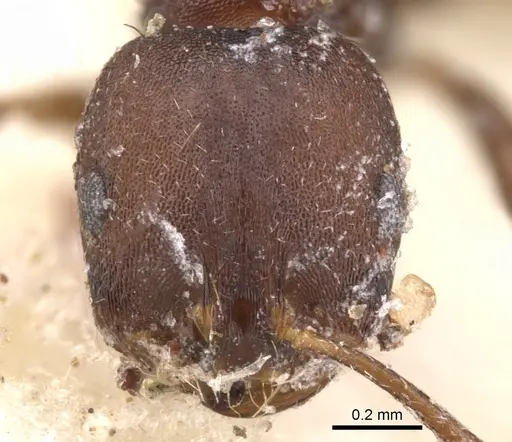
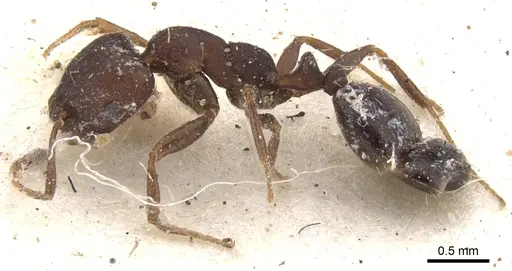
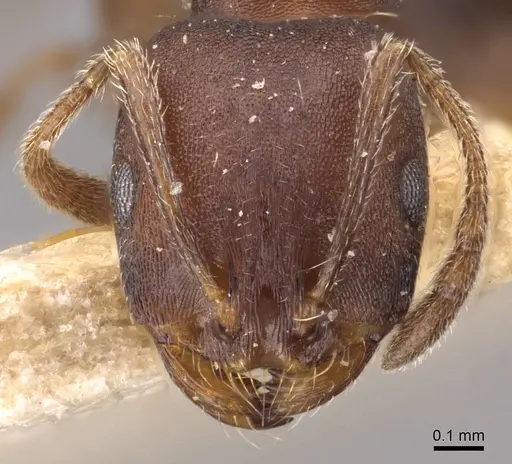
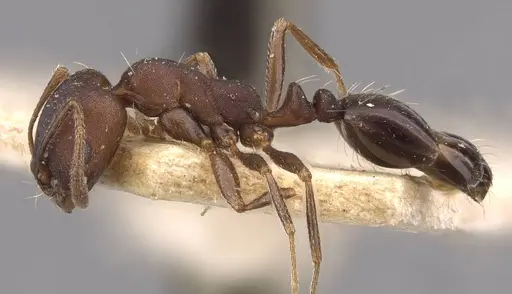
Monomorium junodi is a small to medium-sized ant native to southern Africa, found in Botswana, Eswatini, Mozambique, South Africa, and Zimbabwe. Workers measure 2.8-3.6mm and have a distinctive appearance with dense reticulate-punctate sculpture covering the head and body, giving them a roughened texture. They are uniformly medium to dark brown, often with a darker gaster. This species belongs to the Monomorium salomonis species group and is closely related to M. delagoense, from which it is distinguished by its much coarser sculpture. What makes this species particularly interesting is its remarkable habitat flexibility, it has been recorded across a wide range of environments from savannah to forest, demonstrating excellent adaptability that serves antkeepers well in captivity[1].
Quick Summary
- Difficulty: Easy
- Origin & Habitat: Southern Africa (Botswana, Eswatini, Mozambique, South Africa, Zimbabwe). Found in diverse habitats from savannah to forest, nesting in the ground and foraging on the ground and in vegetation[1].
- Colony Type: Colony structure is unconfirmed. Based on typical Monomorium patterns, likely single-queen colonies, though this requires direct observation.
- Size & Growth:
- Queen: Unconfirmed, no queen measurements in available literature. Estimated 5-7mm based on genus patterns.
- Worker: 2.8-3.6mm
- Colony: Unconfirmed from direct studies. Based on related species in the salomonis-group, likely reaches several hundred workers.
- Growth: Moderate, inferred from typical Monomorium development patterns
- Development: 6-10 weeks, estimated based on typical Myrmicinae development at warm temperatures (Development time is estimated as no specific data exists for this species. Warmer temperatures within their range will accelerate development.)
- Antkeeping:
- Temperature: Keep at 22-26°C. Southern African species tolerate warmth well. A gentle gradient allows workers to self-regulate.
- Humidity: Moderate humidity around 50-70%. Their natural range includes both drier savannah and more humid forest areas, so they adapt to varied conditions. Keep substrate moderately moist but not waterlogged.
- Diapause: Unknown, southern African species may have reduced activity in cooler months but true hibernation is unlikely. Consider a slight cool-down period (15-18°C) in winter months if colony shows reduced activity.
- Nesting: Ground-nesting species. In captivity, standard test tubes, Y-tong nests, or plaster nests work well. Provide moist substrate for brood chambers. They accept a range of nest types due to their adaptability.
- Behavior: Workers forage on the ground and in vegetation, suggesting active and versatile foraging behavior. Their small size (under 4mm) means escape prevention is important, use fine mesh and tight-fitting barriers. Based on genus behavior, they are likely moderately aggressive when defending the colony but not particularly territorial. They probably communicate through chemical trails like other Monomorium species.
- Common Issues: escape prevention is critical due to their small size, they can squeeze through tiny gaps, slow founding phase, queens may take months to produce first workers, requiring patience, overfeeding can lead to mold problems in enclosed nests, wild-caught colonies may carry parasites that can devastate captive colonies
Nest Preferences
Monomorium junodi is a ground-nesting ant that naturally establishes colonies in soil. In captivity, they adapt well to various nest types including test tubes, Y-tong (acrylic) nests, and plaster formicariums. The key is providing moist substrate in the brood chamber area while allowing some drier areas for workers to rest. Their wide natural habitat tolerance (from savannah to forest) means they are not particularly demanding about humidity levels, but consistent moisture in the nesting area supports healthy brood development. A test tube setup with a water reservoir works excellently for founding colonies, while larger colonies can be moved to more spacious formicariums as they grow. [1]
Feeding and Diet
Like other Monomorium species, M. junodi is likely omnivorous, accepting both protein sources and carbohydrates. Offer protein-rich foods such as small insects (fruit flies, small crickets, mealworms), and provide sugar sources like honey water or sugar water regularly. Based on typical Monomorium behavior, they are probably opportunistic feeders that will exploit whatever food sources are available. Feed small amounts 2-3 times per week for growing colonies, removing uneaten prey after 24 hours to prevent mold. Sugar water should be provided constantly and refreshed every few days. Their small size means prey items should be appropriately sized, tiny insects and arthropods are more suitable than large prey items.
Temperature and Care
As a southern African species, Monomorium junodi prefers warmer conditions in the range of 22-26°C. This temperature range supports normal colony activity and brood development. They can tolerate brief periods outside this range but prolonged exposure to temperatures below 18°C or above 30°C may cause stress. A heating cable or heating mat on one side of the nest creates a temperature gradient allowing workers to self-regulate. Place the heating element on top of the nest to avoid evaporating moisture too quickly. Room temperature within this range works well for most of the year. In winter, if room temperature drops significantly, a slight reduction to 18-20°C may simulate their natural seasonal cycle, but true hibernation is not required.
Behavior and Temperament
Monomorium junodi workers are active foragers that search for food both on the ground and in vegetation, indicating good visual navigation and exploration abilities. Their small size (under 4mm) makes them agile and capable of accessing tight spaces, which also means they are skilled escape artists. Always use excellent escape prevention including tight-fitting lids, fine mesh barriers, and fluon barriers on smooth surfaces. They are likely moderately defensive when their nest is threatened but not unusually aggressive. Workers probably use chemical pheromone trails to guide nestmates to food sources, similar to other Monomorium species. The colony will likely show increased activity and foraging when food is introduced, and workers will quickly recruit others to good food sources.
Colony Growth and Development
Colony growth follows typical Myrmicinae patterns, starting with the queen laying eggs after mating. The first brood develops through egg, larva, and pupa stages before emerging as nanitic (first) workers, which are typically smaller than mature workers. Based on typical Monomorium development at warm temperatures, expect 6-10 weeks from egg to first worker. Nanitic workers are smaller but immediately begin helping with colony tasks including foraging, brood care, and nest maintenance. Growth rate is moderate, the colony will expand over several months to a year, with worker numbers increasing steadily. Patience is essential during the founding phase as the queen alone tends the brood and no workers are present to assist. Once the first workers emerge, colony growth accelerates as more brood is raised cooperatively.
Frequently Asked Questions
How long does it take for Monomorium junodi to produce first workers?
Based on typical Monomorium development patterns, expect 6-10 weeks from egg to first worker at optimal temperatures (22-26°C). The exact timeline varies with temperature, warmer conditions speed development while cooler temperatures slow it. Patience is essential during founding as the queen raises the first brood alone.
What do Monomorium junodi ants eat?
They are omnivorous. Offer small protein sources like fruit flies, tiny crickets, or mealworms 2-3 times per week. Provide constant access to sugar sources like honey water or sugar water. Remove uneaten prey after 24 hours to prevent mold. Their small size means prey should be appropriately tiny.
Are Monomorium junodi ants good for beginners?
Yes, this species is considered easy to keep due to its remarkable adaptability. It tolerates a wide range of conditions from savannah to forest habitats, making it forgiving of minor care mistakes. The main challenges are their small size (escape prevention is critical) and the slow founding phase requiring patience.
What temperature is best for Monomorium junodi?
Keep them at 22-26°C. Southern African species tolerate warmth well. A temperature gradient allowing workers to choose their preferred spot is ideal. Room temperature within this range works well, or use a heating cable on one side of the nest for cooler environments.
How big do Monomorium junodi colonies get?
Colony size is not directly documented, but based on related species in the salomonis-group, colonies likely reach several hundred workers over 1-2 years. Growth is moderate, starting with just a few workers after founding, the colony expands steadily with proper care.
Can I keep multiple Monomorium junodi queens together?
Colony structure is unconfirmed for this species. Combining unrelated queens is not recommended as it has not been documented. If you obtain a wild colony, observe carefully for queen interactions. Most Monomorium species establish single-queen colonies.
Do Monomorium junodi need hibernation?
True hibernation is not required. As a southern African species, they do not experience harsh winters. In cooler climates, a slight reduction to 15-18°C during winter months may simulate their natural seasonal cycle if the colony shows reduced activity, but this is optional rather than essential.
When should I move Monomorium junodi to a formicarium?
Move to a larger nest when the colony reaches 50+ workers and the test tube setup becomes crowded. Ensure the new enclosure has appropriate moisture levels and escape prevention. A Y-tong or plaster nest works well for established colonies. They adapt readily to different nest types due to their flexible natural habitat preferences.
Why are my Monomorium junodi ants dying?
Common causes include: escape (use fine mesh and barriers), mold from overfeeding or excessive moisture, temperature stress outside their 22-26°C range, or parasites from wild-caught colonies. Check that humidity is moderate (not waterlogged), food is being consumed, and the nest is not too cold. Isolating the queen and a small group of workers in a clean setup can help diagnose problems.
References

This caresheet is licensed under CC BY-SA 4.0 .
CASENT0235924
View on AntWeb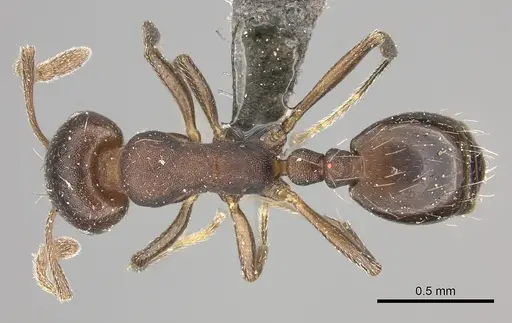
CASENT0253723
View on AntWeb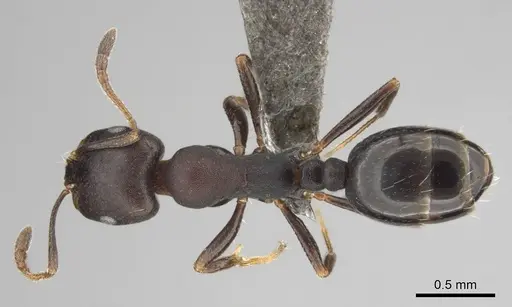
CASENT0253725
View on AntWeb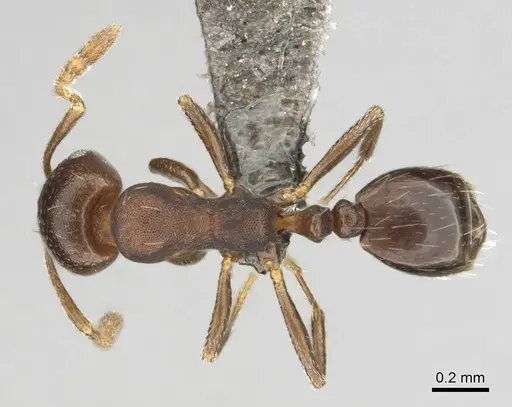
CASENT0786184
View on AntWeb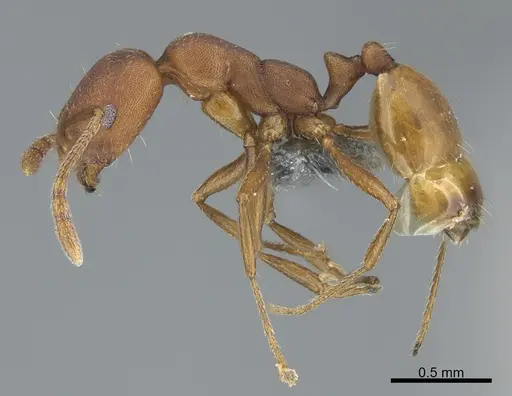
CASENT0902195
View on AntWeb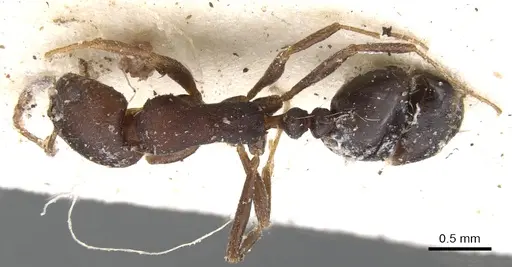
CASENT0908741
View on AntWeb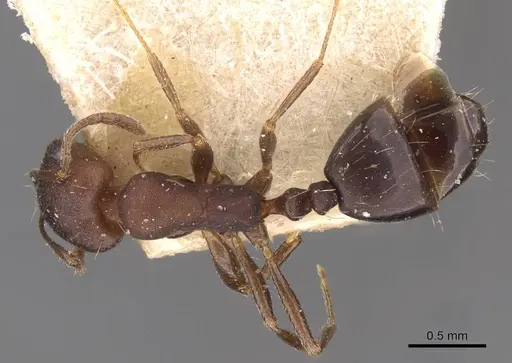
Literature
Loading...Loading products...