

Monomorium ergatogyna
- Scientific Name
- Monomorium ergatogyna
- Tribe
- Solenopsidini
- Subfamily
- Myrmicinae
- Author
- Wheeler, 1904
- Distribution
- Found in 2 countries
Monomorium ergatogyna Overview
Monomorium ergatogyna is an ant species of the genus Monomorium. It is primarily documented in 2 countries , including Mexico, United States of America. Detailed taxonomic data and occurrence records can be further explored via authoritative databases such as AntWeb or the Global Biodiversity Information Facility (GBIF).
Monomorium ergatogyna
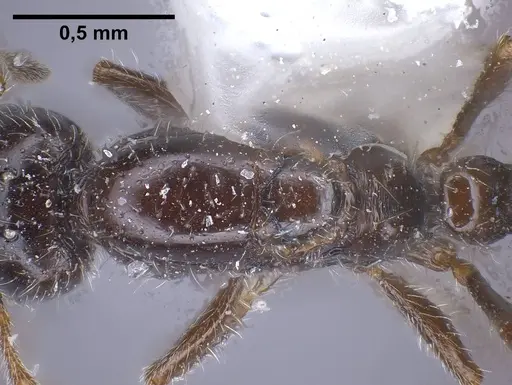
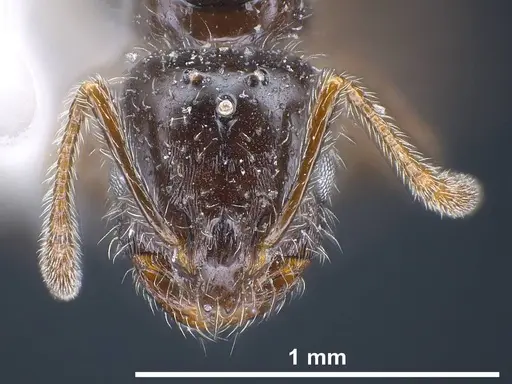
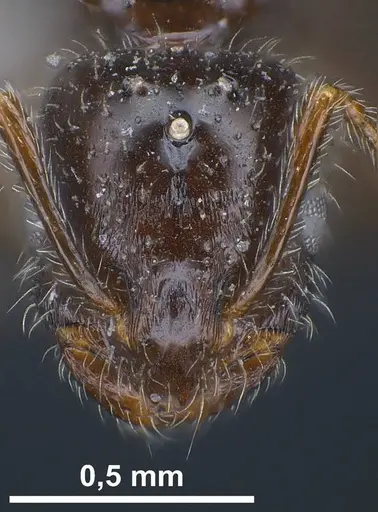
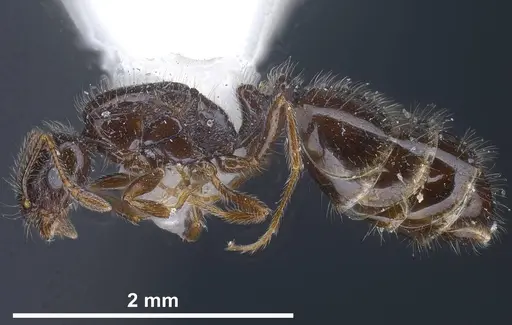
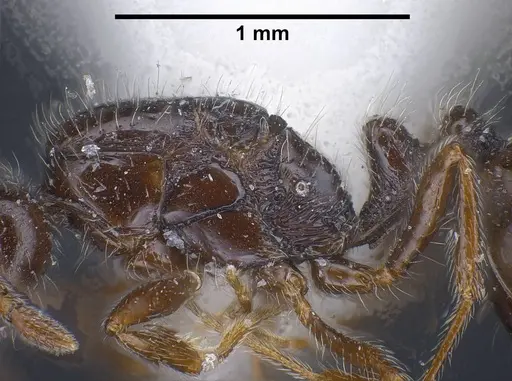
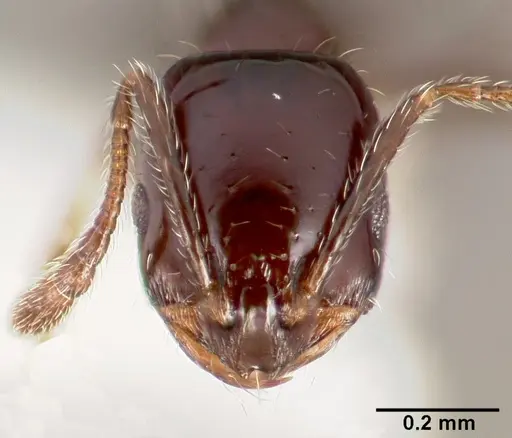
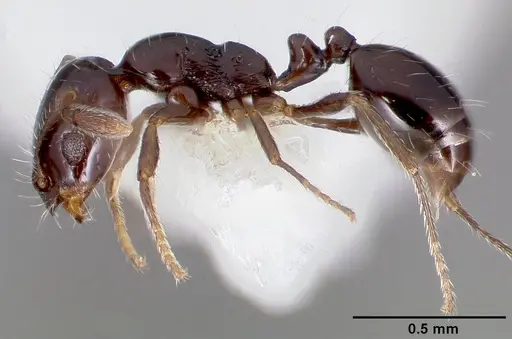
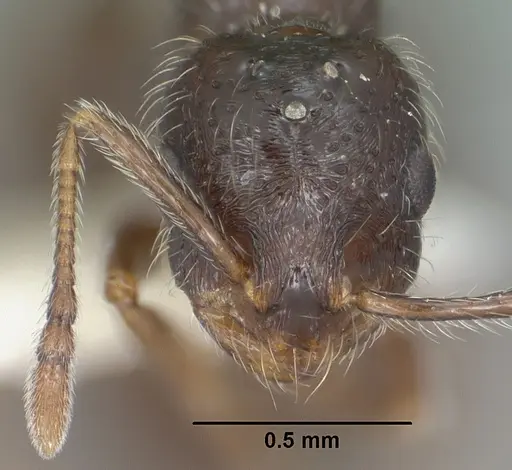
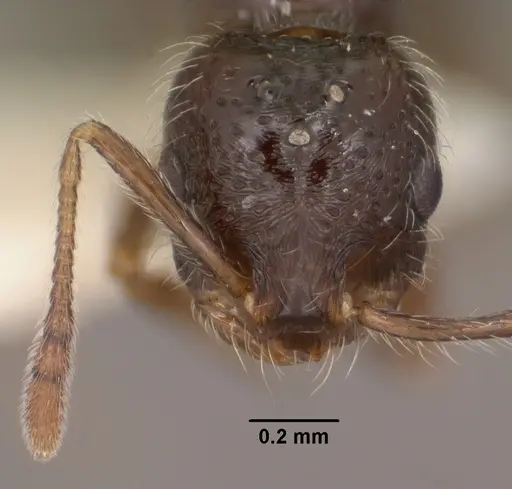
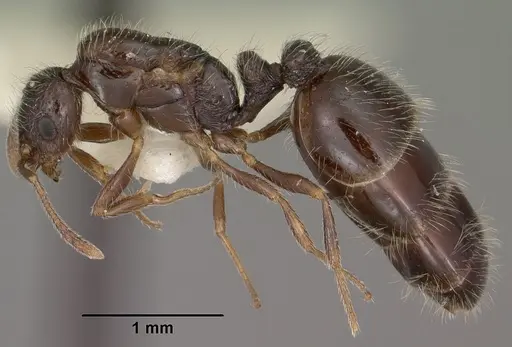
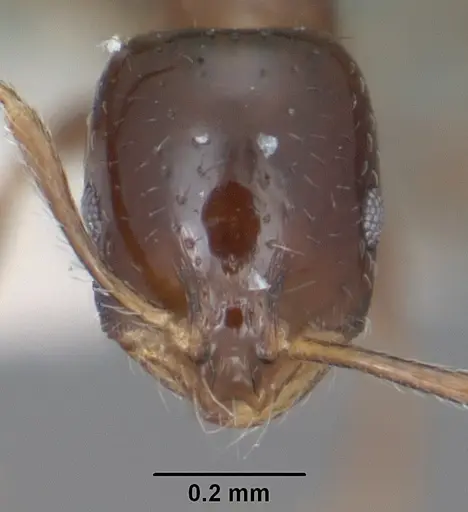
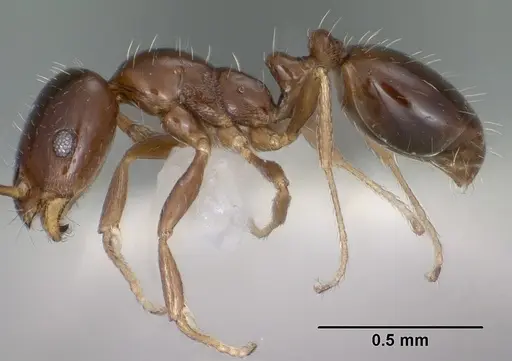
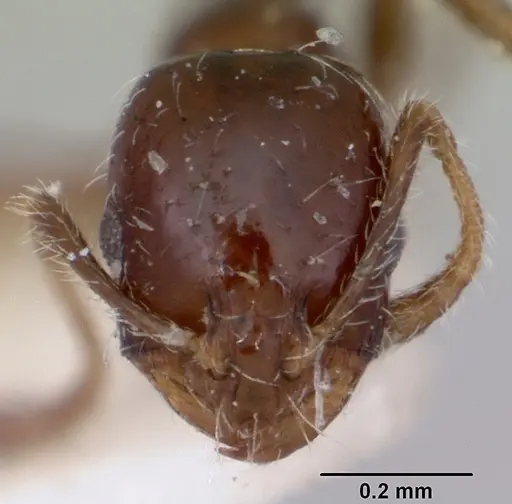
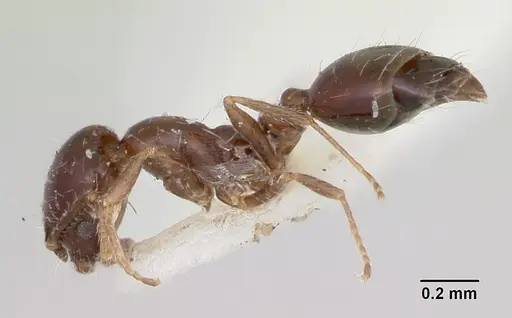
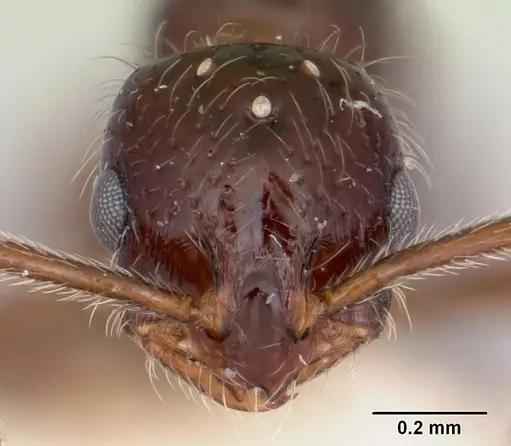
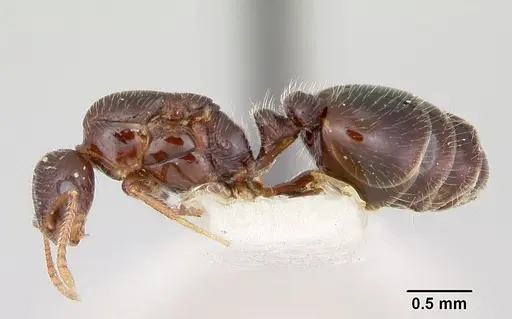
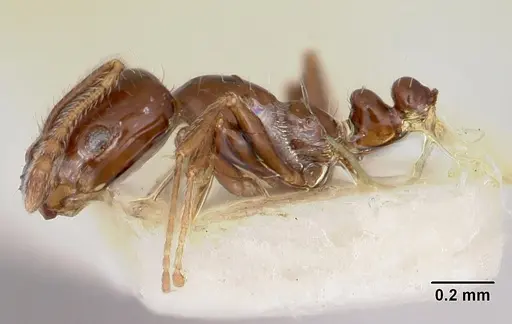
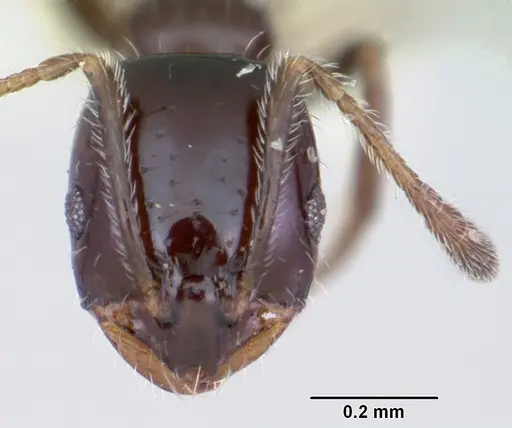
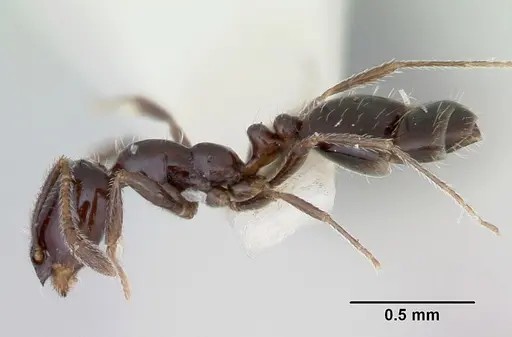
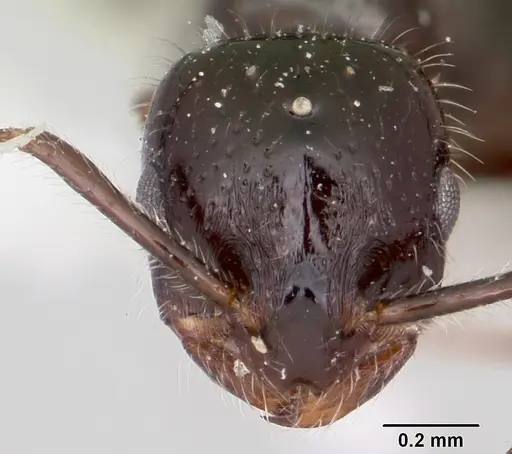
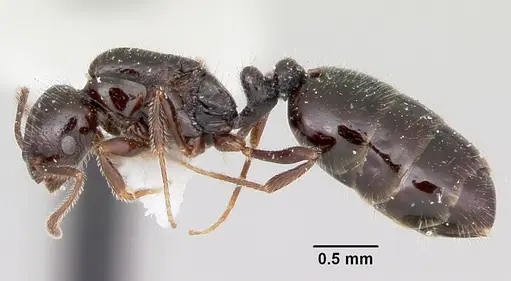
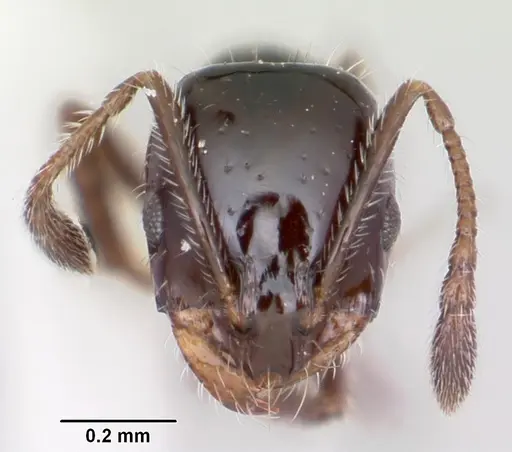
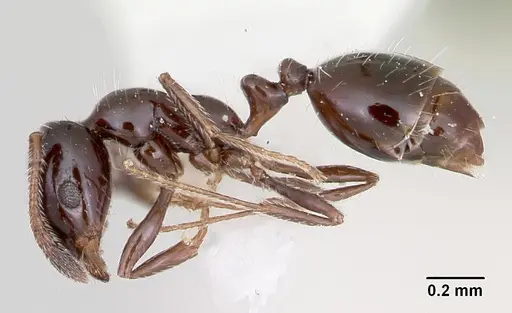
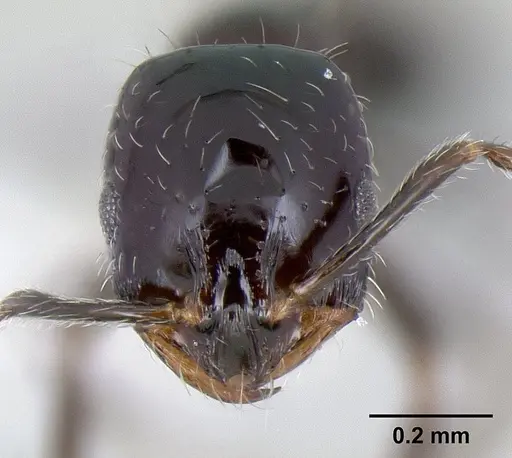
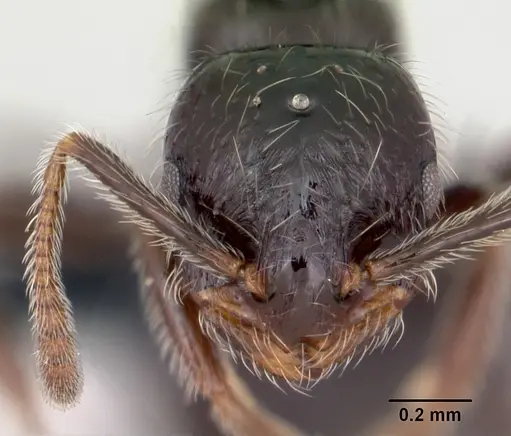
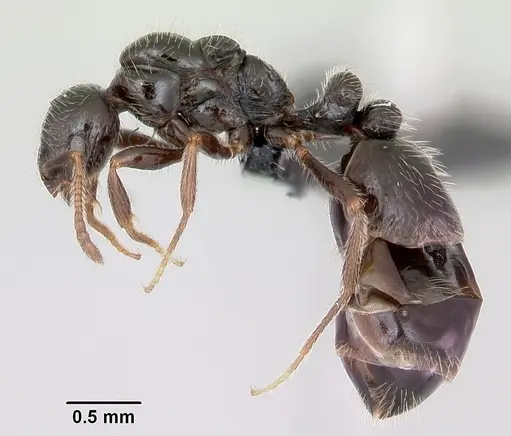
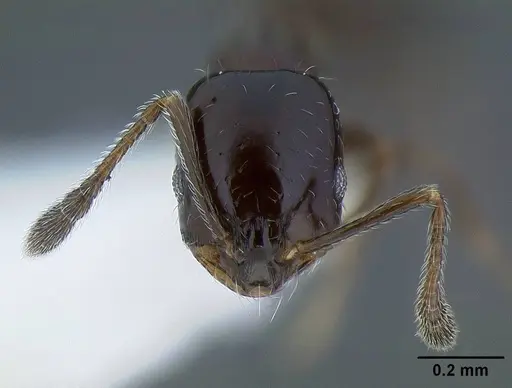
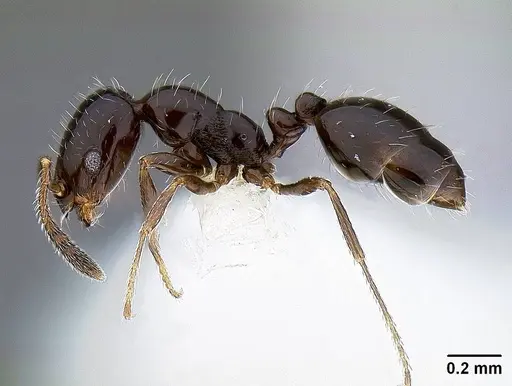
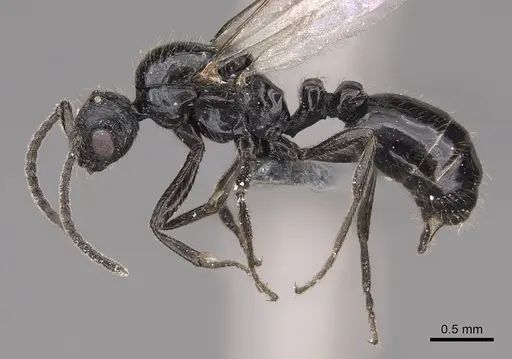
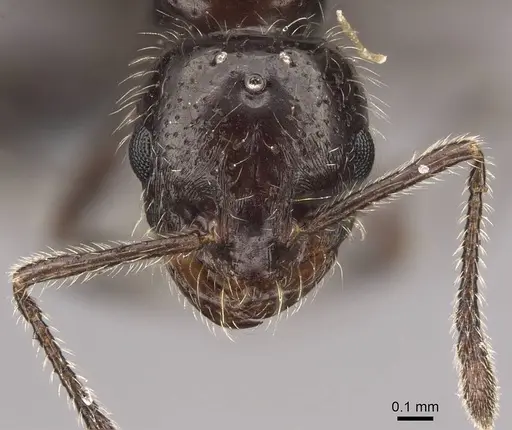
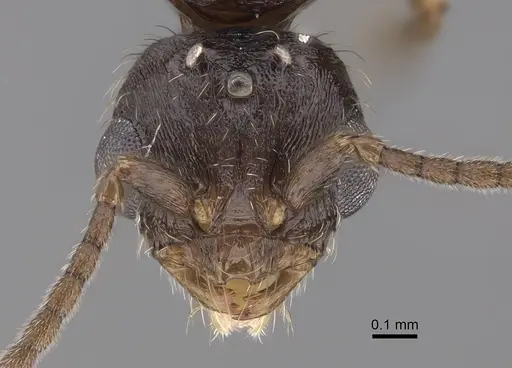
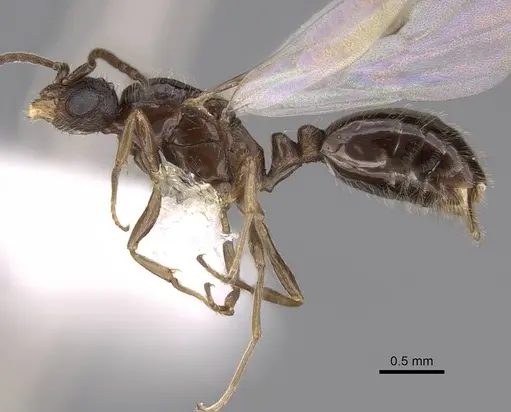
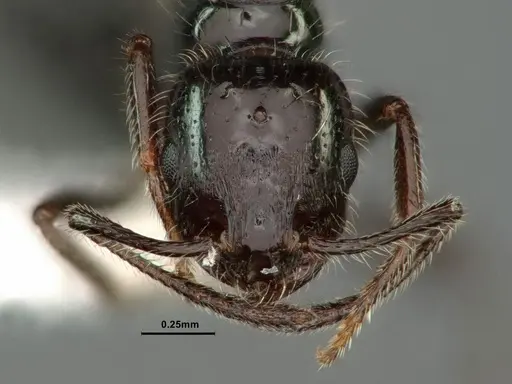
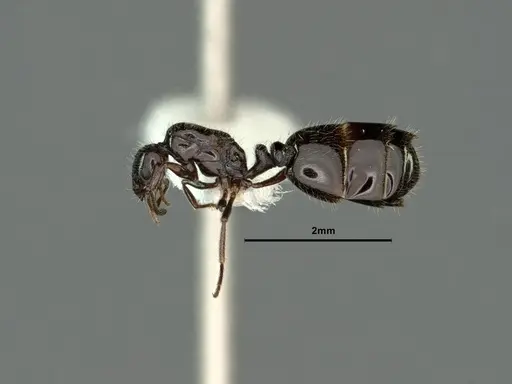
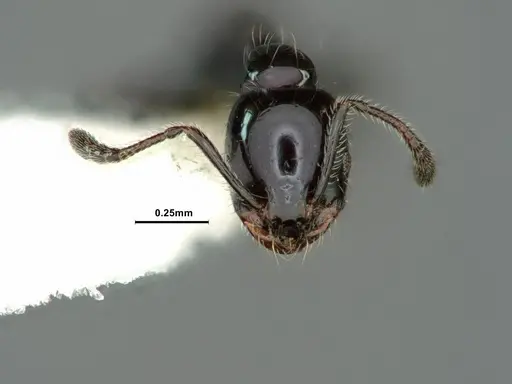
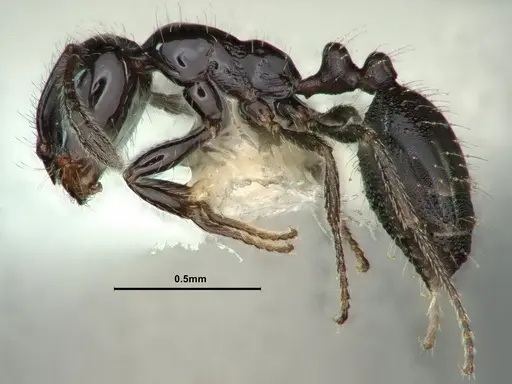
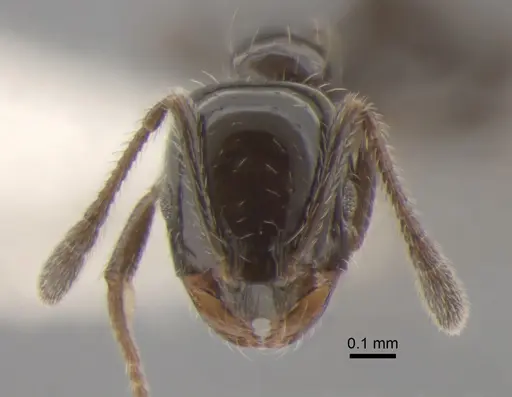
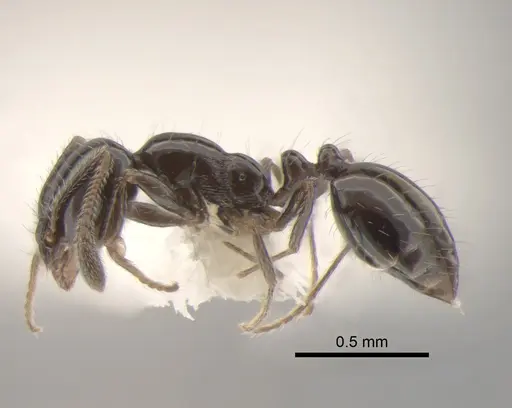
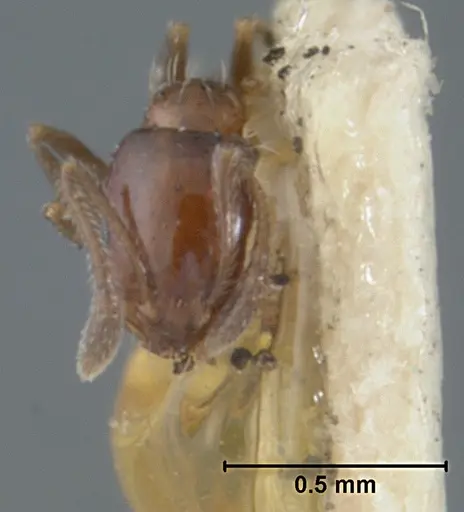
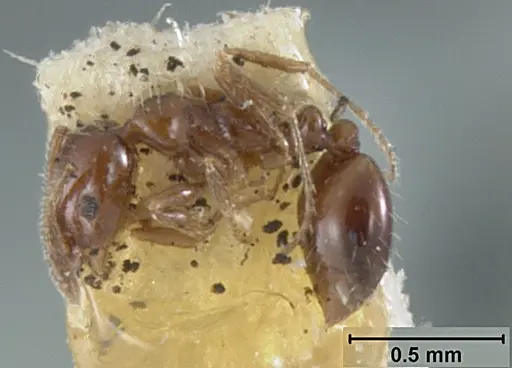
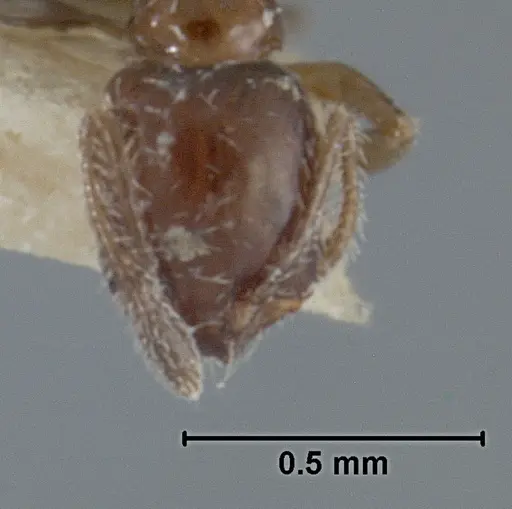
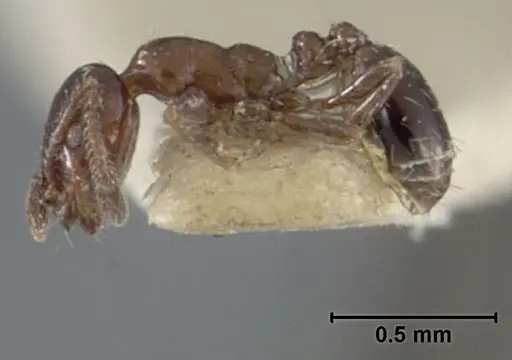
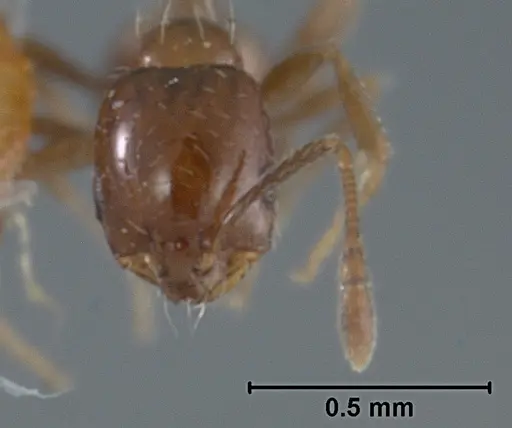
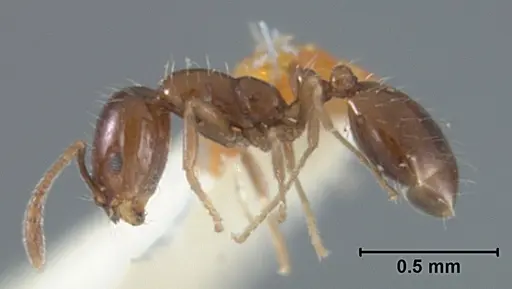
Monomorium ergatogyna is a tiny dark ant native to western North America, measuring only about 2mm as workers. They are jet black to dark brown with a smooth, shiny body and are known for their remarkable ability to coexist with the invasive Argentine ant, one of only two native ant species that can do this [1][2]. These ants use a potent chemical defensive compound to ward off competitors [3]. Colonies are polygynous, meaning they have multiple queens (typically 2-6), and queens can live over two years, the longest lifespan recorded in the genus [4]. They nest under stones or in simple soil nests, and are found from sea level up to 2900m elevation [5].
Quick Summary
- Difficulty: Easy
- Origin & Habitat: Native to western North America (USA south to Mexico), introduced to parts of Europe. Found in virtually all habitats from arid zones to grasslands, sagebrush, pinyon-pine forests, to urban areas. Most common in semiarid habitats but tolerates a wide range including wet ponderosa pine forests [4][5].
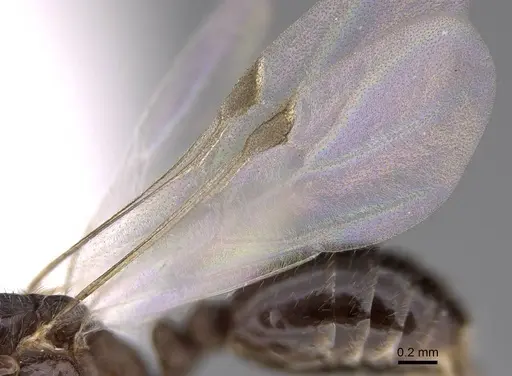
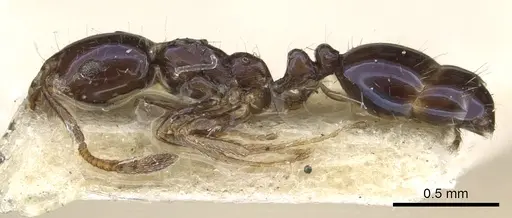
- Colony Type: Polygynous colonies with 2-6 functioning queens. Each queen occupies a separate chamber surrounded by eggs and early-stage larvae. Both winged and wingless (ergatoid) queens exist, though wingless queens are far more common [5][4].
- Colony: Optionally polygyne
- Founding: Claustral
- Size & Growth:
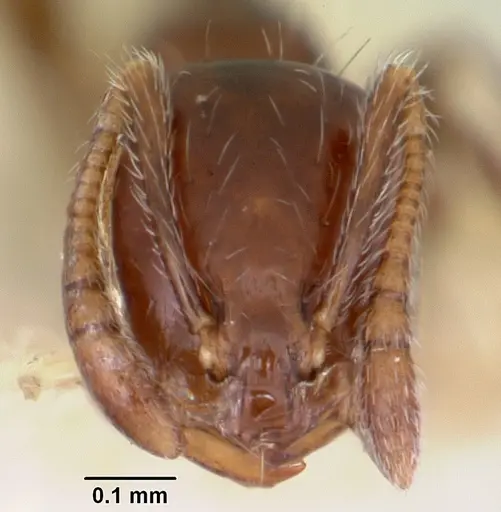
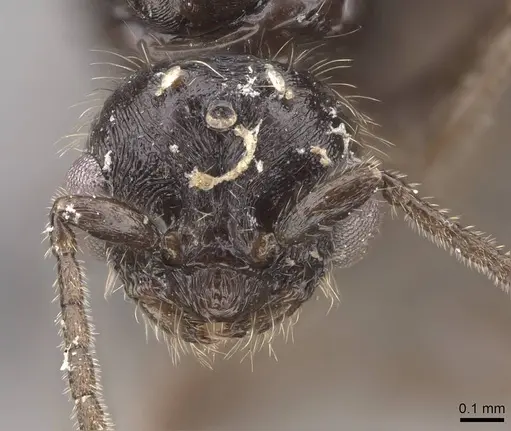
- Queen: Wingless gynes: similar to workers but slightly larger (estimated 2.5-3mm). Winged queens also occur but are rare [5].
- Worker: Approximately 2mm (CS 464 ±21 µm) [3][5].
- Colony: Colonies reach several hundred workers in the wild. Laboratory colonies have been maintained for over two years with original queens [4].
- Growth: Moderate, workers live 4-8 months, queens can live 2+ years [4].
- Development: Estimated 6-8 weeks based on genus patterns and three larval instars documented [4]. (Three larval instars have been documented. Development likely varies with temperature as with most Myrmicinae.)
- Antkeeping:
- Temperature: Keep at room temperature (20-24°C). This species tolerates a wide range from cool to warm conditions and has persisted through Argentine ant invasions partly through tolerance of warm temperatures [6].
- Humidity: Moderate humidity preferred. In nature they nest under stones in areas ranging from relatively damp canyon sides to dry, unshaded areas. Keep nest substrate lightly moist but not waterlogged.
- Diapause: Yes, they show seasonal activity patterns with sexuals produced July-August and dealate females collected in August. A winter rest period is likely beneficial, around 10-15°C for 2-3 months.
- Nesting: Natural nesting sites include under stones, in soil, and under logs. In captivity, they do well in test tubes, Y-tong nests, or plaster nests with small chambers scaled to their tiny size. Provide a small dirt chamber or soil area for natural tunneling behavior.
- Behavior: These ants are moderately aggressive and use chemical defenses to deter competitors. They are generalist foragers and harvesters, collecting seeds, insects, and honeydew. Workers are active foragers that quickly discover food sources. Despite their small size, they are bold and will defend their nest aggressively. Escape prevention is important, their tiny size means they can squeeze through small gaps, so use fine mesh barriers [3].
- Common Issues: tiny size makes escape likely without fine mesh barriers, colonies may be polygynous, multiple queens can coexist but introducing unrelated queens may cause fighting, slow colony growth compared to faster-growing species like Tapinoma, may be outcompeted by aggressive invasive ants if housed in shared spaces, queens have exceptionally long lifespans but workers only live 4-8 months, expect regular worker turnover
Housing and Nest Setup
Monomorium ergatogyna is a tiny ant that needs appropriately scaled housing. Test tubes work well for founding colonies, use a small water reservoir with a cotton plug. For established colonies, Y-tong nests or small acrylic formicaria with narrow chambers work better than large open spaces. Their natural nesting preference is under stones or in shallow soil chambers, so providing a small dirt area or thin plaster nest allows them to exhibit natural tunneling behavior. Because they are so small, escape prevention is critical, use fine mesh on any ventilation and ensure all connections are tight. They do well at room temperature and don't require heating unless your home is particularly cool. [4]
Feeding and Diet
These are generalist omnivores that accept a wide variety of foods. In the wild they forage for seeds, insects, and honeydew from aphids and scale insects [7][8]. In captivity, offer protein sources like small insects (fruit flies, pinhead crickets, mealworms), and provide sugar water, honey, or diluted syrup as an energy source. They are known to visit extrafloral nectaries in the wild [8], so they will readily accept sweet liquids. Feed small amounts 2-3 times per week, removing uneaten prey after 24 hours to prevent mold. Their small size means even tiny food items are appropriate.
Temperature and Seasonal Care
Monomorium ergatogyna tolerates a wide temperature range from cool to warm conditions. Room temperature (20-24°C) is ideal. They have been found in habitats ranging from sea level to 2900m elevation [5], demonstrating adaptability to different conditions. In the wild, sexual forms appear in July-August, suggesting a seasonal cycle. A winter rest period at 10-15°C for 2-3 months is likely beneficial, mimicking natural seasonal slowdown. This species is notably tolerant of warm temperatures and has persisted in areas invaded by Argentine ants partly due to this heat tolerance [6].
Colony Structure and Queens
This species is polygynous, meaning colonies naturally have multiple queens (typically 2-6). Each queen occupies her own chamber surrounded by eggs and early-instar larvae [4]. Both winged and wingless (ergatoid) queens exist, but wingless queens are much more common, the ratio of winged to wingless is approximately 2:24 [5]. Queens have remarkably long lifespans, with laboratory colonies maintained for over two years with the original queens still alive [4]. This is the longest recorded queen lifespan in the genus Monomorium. Workers live 4-8 months. When starting a colony, you may receive a single queen or multiple ergatoid queens depending on the source.
Defense and Competition
One of the most remarkable traits of M. ergatogyna is its ability to coexist with the highly aggressive invasive Argentine ant (Linepithema humile). This species is one of only two native ants that can persist in areas invaded by Argentine ants [1][2]. They achieve this through two mechanisms: using a highly repellent chemical defensive compound, and tolerance of warm temperatures [3][6]. In your colony setup, this means they are relatively bold defenders and won't be easily intimidated by other ant species if kept separately. However, they are still tiny and should be protected from larger ants if housed near other colonies.
Frequently Asked Questions
How long does it take for Monomorium ergatogyna to produce first workers?
Based on the three larval instars documented for this species and typical Monomorium development, expect first workers (nanitics) approximately 6-8 weeks after the queen lays eggs, assuming room temperature conditions. Queen longevity is exceptional (2+ years), so once established, your colony should persist for many years.
Can I keep multiple queens together in one colony?
Yes, this species is naturally polygynous with 2-6 queens per colony. Each queen has her own chamber, and they coexist peacefully. Introducing unrelated foundress queens together may carry some risk of aggression, but given their natural polygynous structure, they are more likely to accept each other than single-queen species.
What do Monomorium ergatogyna eat?
They are generalist omnivores. Offer small insects (fruit flies, pinhead crickets, small mealworms) for protein, and sugar water, honey, or diluted syrup for carbohydrates. They will also collect seeds and have been observed tending aphids for honeydew in the wild.
Are Monomorium ergatogyna good for beginners?
Yes, they are considered an easy species to keep. They are tolerant of various conditions, have long-lived queens, and are not aggressive. The main challenges are their tiny size (requiring good escape prevention) and relatively slower growth compared to some species. Their fascinating ability to resist Argentine ants is an interesting bonus for antkeepers.
Do Monomorium ergatogyna need hibernation?
Yes, a winter rest period is recommended. In the wild, sexual forms are produced in July-August and dealate females are collected in August, suggesting a seasonal cycle. Provide 2-3 months at 10-15°C during winter, reducing food and keeping the colony slightly cooler. This helps maintain natural rhythms and may improve queen longevity.
How big do Monomorium ergatogyna colonies get?
Colonies typically reach several hundred workers in the wild. Laboratory colonies have been maintained for over two years with the original queens still alive, indicating they can sustain long-term colonies. Worker lifespan is 4-8 months, so expect regular worker turnover even as the colony grows.
Why are my Monomorium ergatogyna dying?
Common causes include: escape (their tiny size means they can slip through small gaps, check all barriers), overfeeding leading to mold, too wet or too dry substrate, and stress from excessive disturbance. They are resilient against competition from invasive ants but can be overwhelmed by larger ant species. Ensure proper hydration and remove uneaten food promptly.
What makes Monomorium ergatogyna special compared to other ants?
Their most remarkable trait is being one of only two native ant species that can coexist with the invasive Argentine ant. They achieve this through potent chemical defenses and heat tolerance. Additionally, they have exceptionally long-lived queens (2+ years, the longest in their genus) and naturally live in polygynous colonies with multiple queens.
References

This caresheet is licensed under CC BY-SA 4.0 .
ANTWEB1038021
View on AntWeb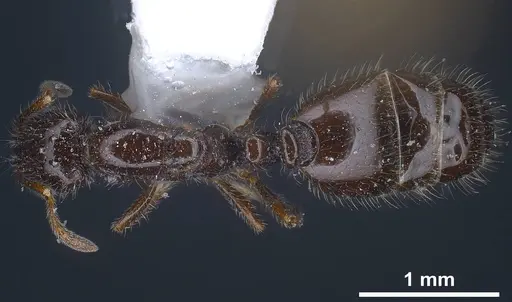
CASENT0005781
View on AntWeb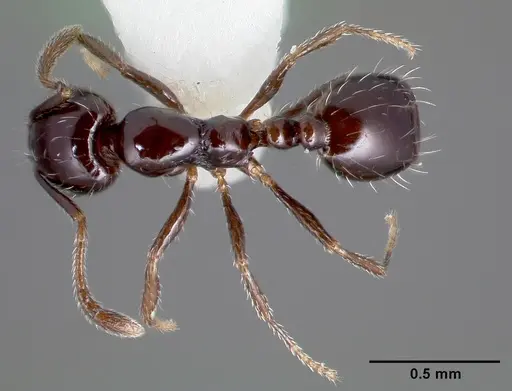
CASENT0102849
View on AntWeb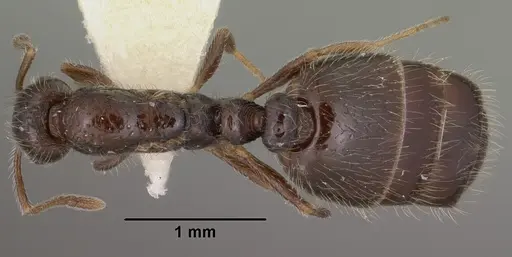
CASENT0102850
View on AntWeb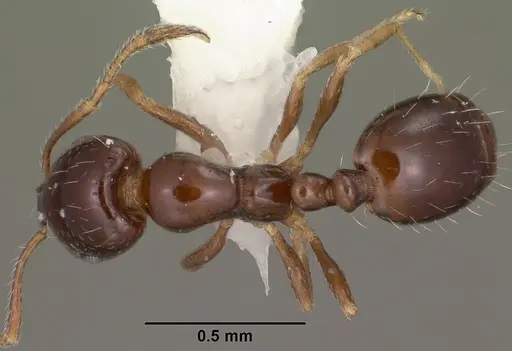
CASENT0103528
View on AntWeb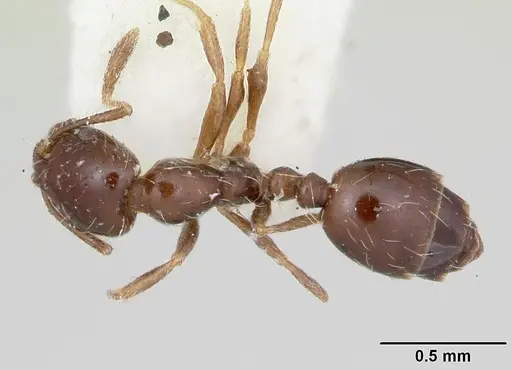
CASENT0103529
View on AntWeb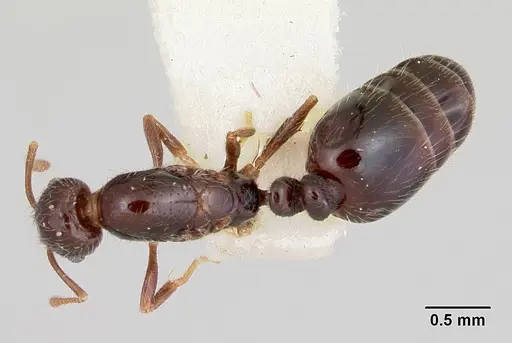
CASENT0103530
View on AntWeb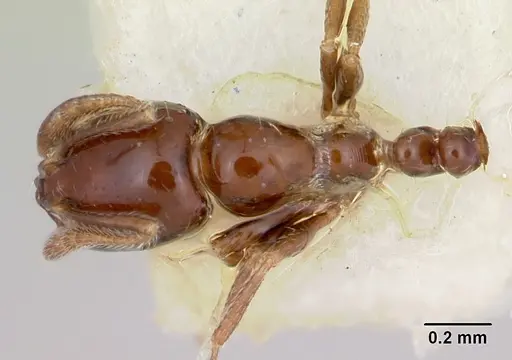
CASENT0103532
View on AntWeb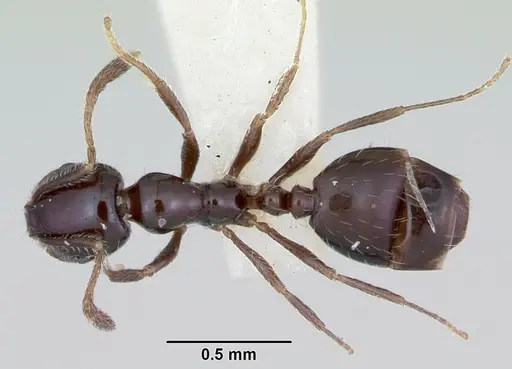
CASENT0103533
View on AntWeb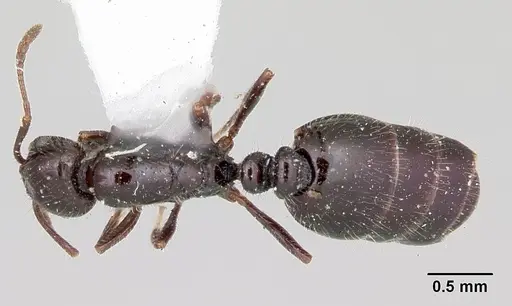
CASENT0105771
View on AntWeb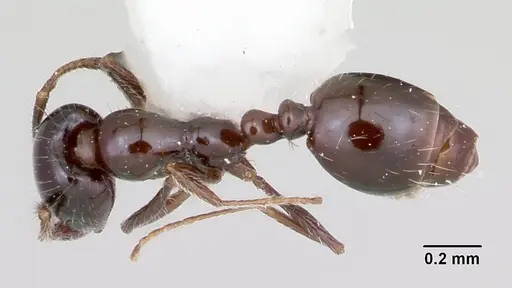
CASENT0106030
View on AntWeb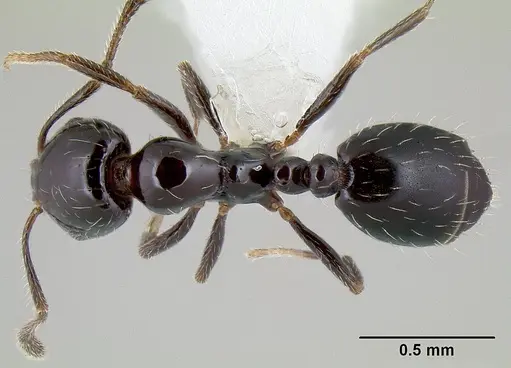
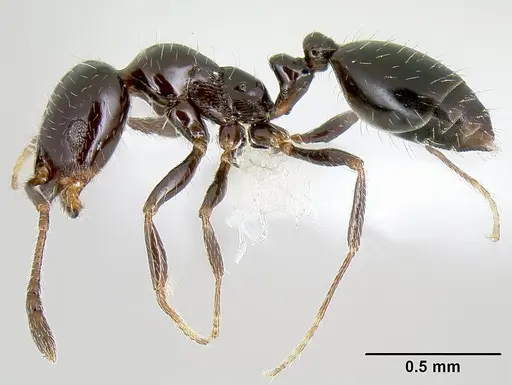
CASENT0118171
View on AntWeb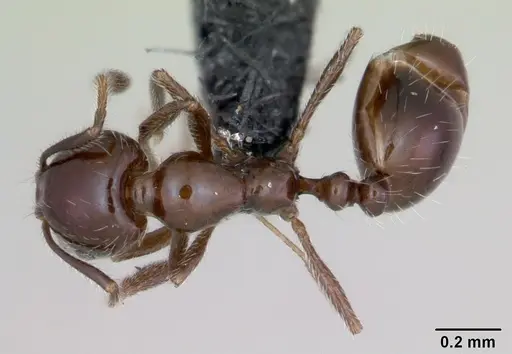
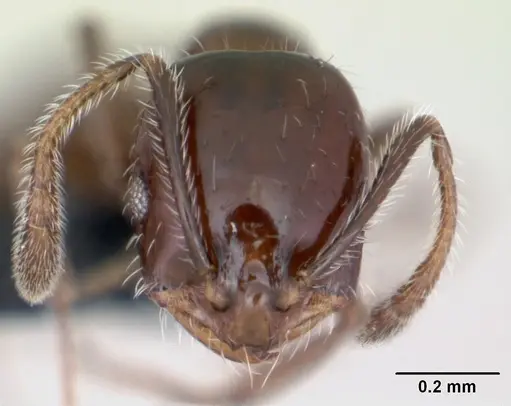
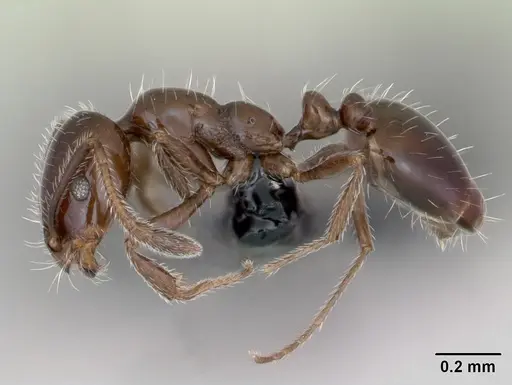
CASENT0118172
View on AntWeb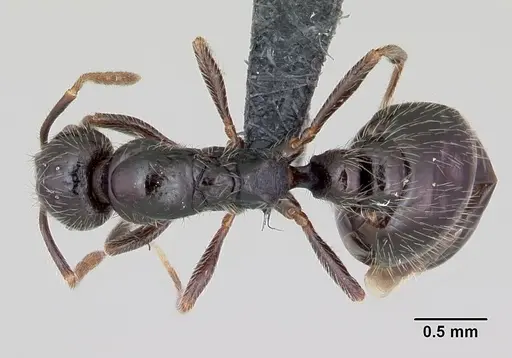
CASENT0221927
View on AntWeb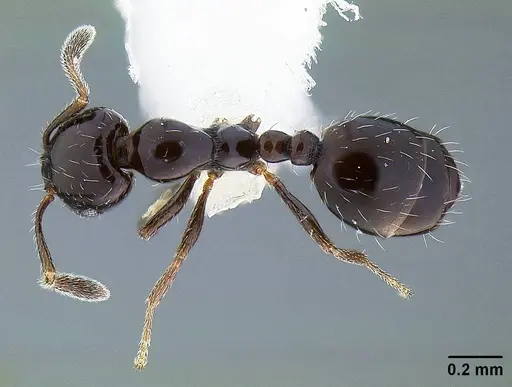
CASENT0770604
View on AntWeb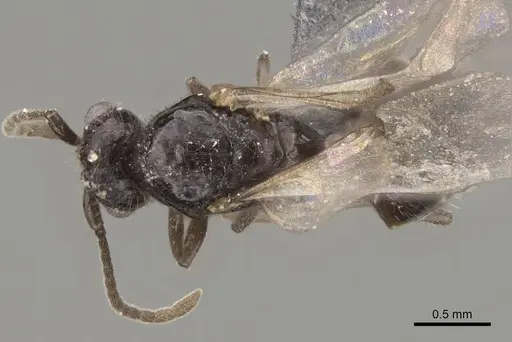
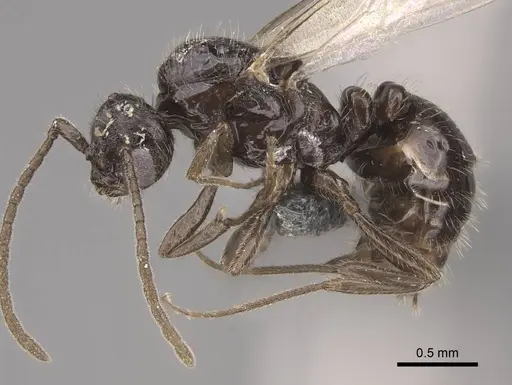
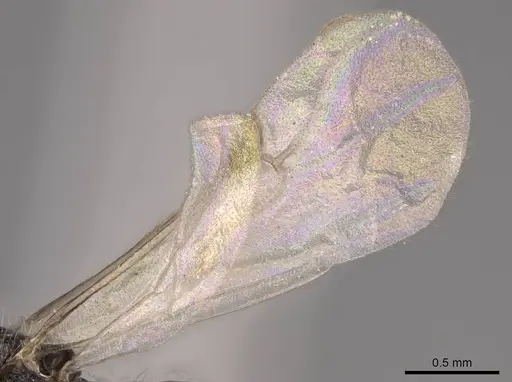
CASENT0770668
View on AntWeb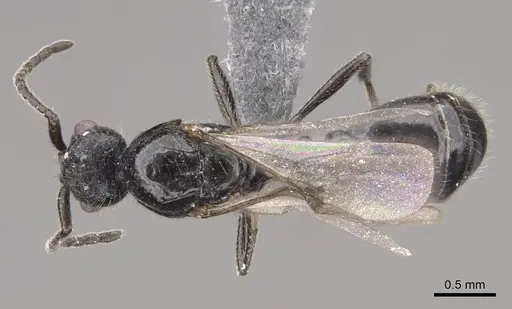
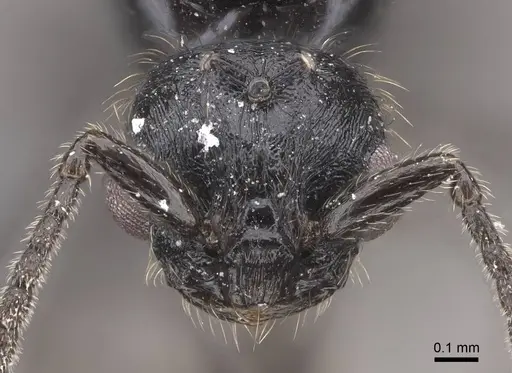
CASENT0770740
View on AntWeb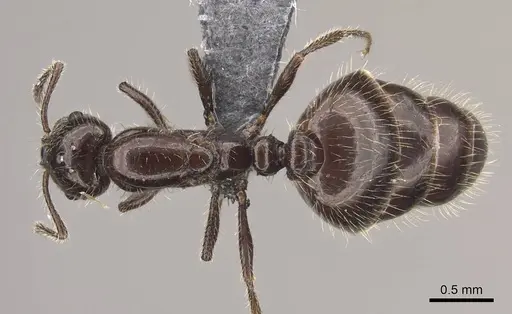
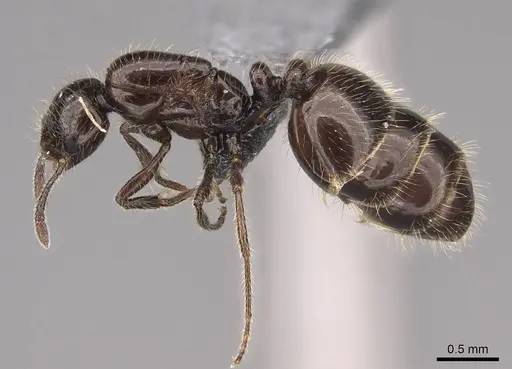
CASENT0799219
View on AntWeb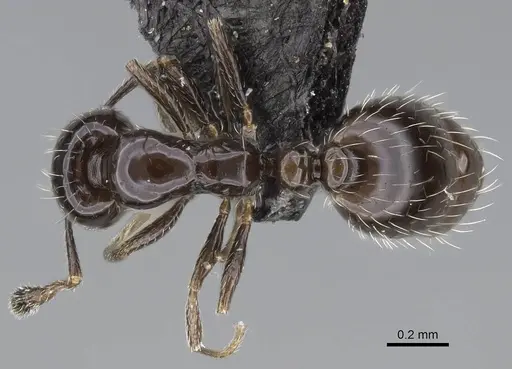
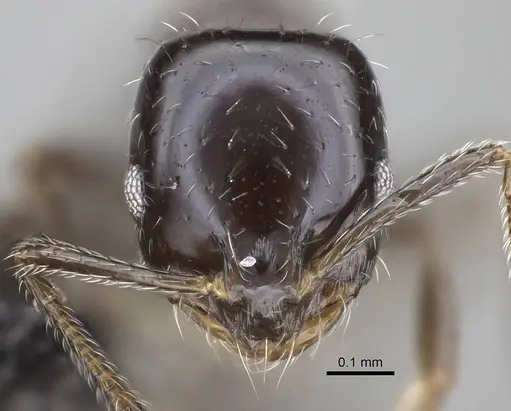
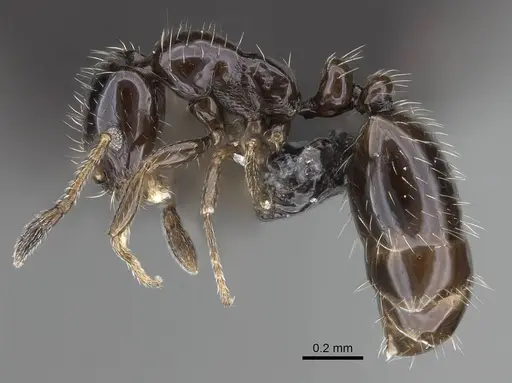
CASENT0844155
View on AntWeb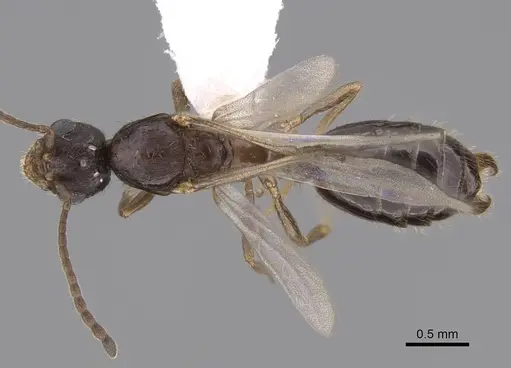
CASENT0883335
View on AntWeb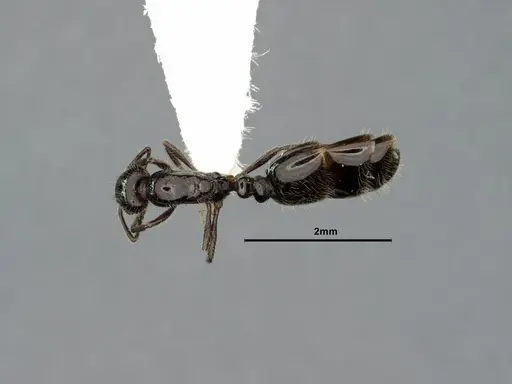
CASENT0883411
View on AntWeb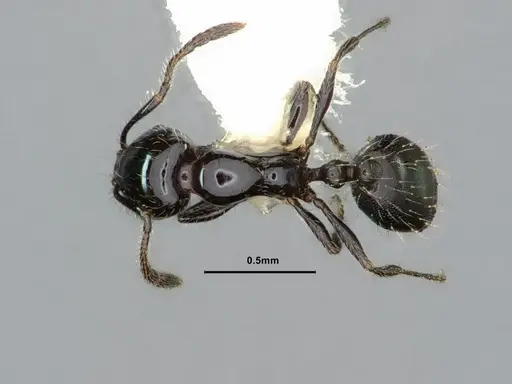
CASENT0886693
View on AntWeb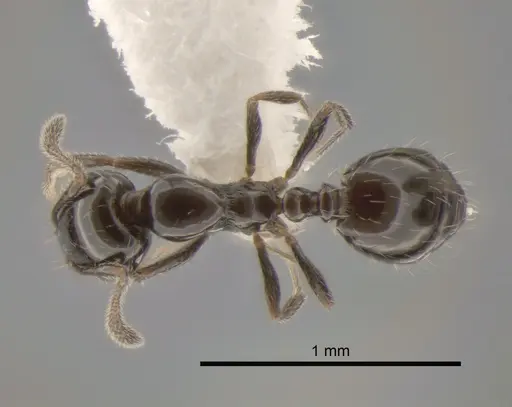
CASENT0902284
View on AntWeb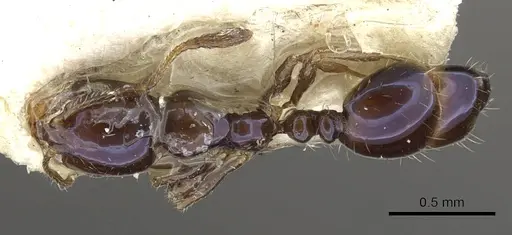
USNMENT01129600
View on AntWeb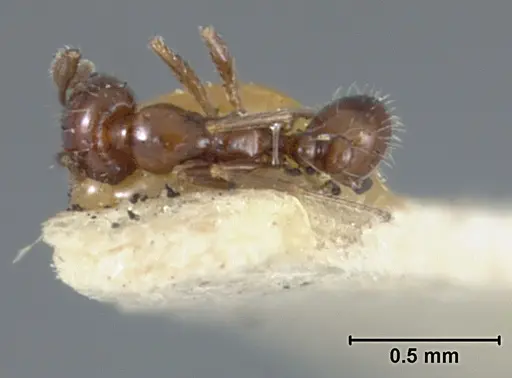
USNMENT01129603
View on AntWeb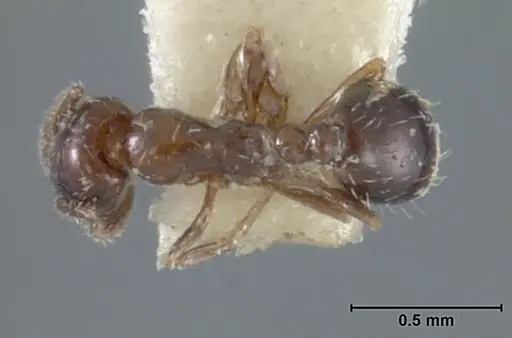
USNMENT01129604
View on AntWeb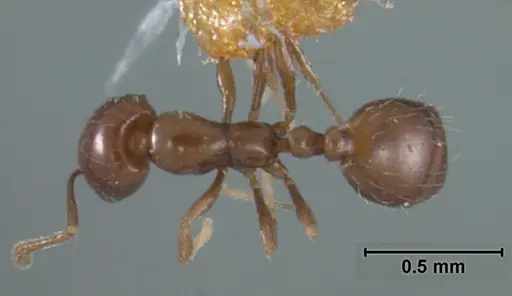
Literature
Loading...Loading products...