

Monomorium compressum
- Scientific Name
- Monomorium compressum
- Tribe
- Solenopsidini
- Subfamily
- Myrmicinae
- Author
- Wheeler, 1914
- Distribution
- Found in 1 countries
Monomorium compressum Overview
Monomorium compressum is an ant species of the genus Monomorium. It is primarily documented in 1 countries , including Mexico. Detailed taxonomic data and occurrence records can be further explored via authoritative databases such as AntWeb or the Global Biodiversity Information Facility (GBIF).
Monomorium compressum
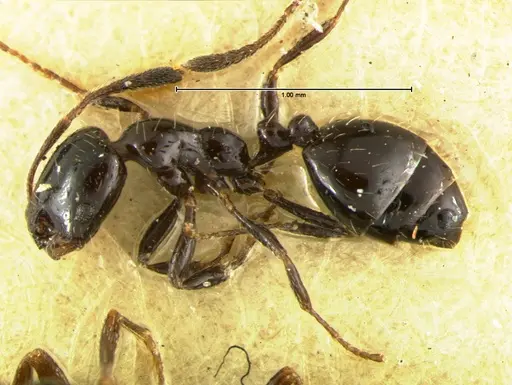
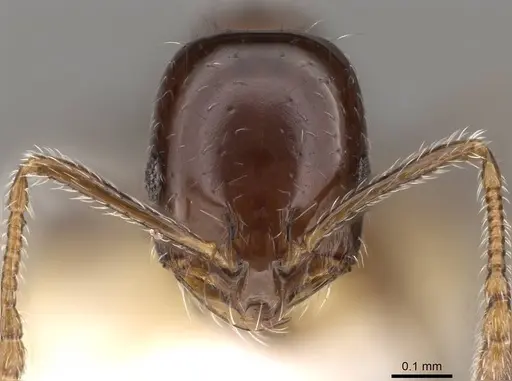
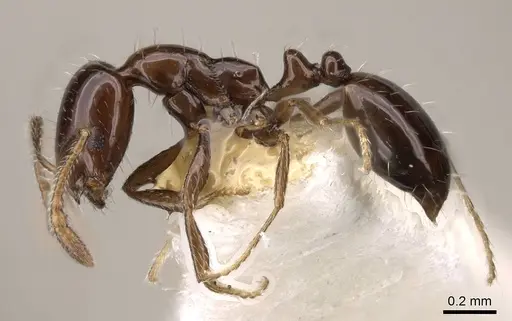
Monomorium compressum is a tiny dark ant native to Mexico, belonging to the Monomorium carbonarium species group. Workers are among the smallest ants in the genus, measuring around 0.45mm in head width, with a brown body and blackish-brown gaster. Queens are wingless (ergatoid) with a unique body shape that helps distinguish them from similar species in the region. This species nests under stones in its natural habitat across the Mexican Plateau, from Hidalgo west to Sinaloa on the Pacific coast [1][2].
This ant is notable for its colony structure, unlike many Monomorium species that have single queens, M. compressum can form colonies with multiple functioning queens. The species can be challenging to identify because workers are nearly identical to two other Monomorium species found in the same region (M. carbonarium and M. ergatogyna), requiring careful examination of the queen's unique morphology for accurate identification [3].
Quick Summary
- Difficulty: Medium
- Origin & Habitat: Mexico, found across the Mexican Plateau from Hidalgo and Morelos east to Michoacán, Nayarit, and Sinaloa on the Pacific coast. Nests under stones in natural habitats [2][4].
- Colony Type: Multi-queen colonies with functioning ergatoid (wingless) queens. Unlike many Monomorium species that have single queens, this species can have multiple queens working together in a single colony [3].
- Colony: Polygyne
- Founding: Claustral
- Size & Growth:
- Queen: Wingless ergatoid queens, exact measurements not documented but similar to related species in the M. minimum-group [3]
- Worker: 0.45mm head width (CS 453 ±19 µm), very small ants [3]
- Colony: Colony size not specifically documented, but related species in the M. minimum-group typically have colonies reaching several hundred workers [5]
- Growth: Moderate, based on typical Monomorium patterns
- Development: 6-10 weeks, estimated based on related Monomorium species development [5] (Development time estimated from genus-level data for small Myrmicinae ants)
- Antkeeping:
- Temperature: Keep at 22-26°C. As a Mexican species from central to western regions, they prefer warm conditions but can tolerate moderate temperature ranges. Provide a gentle temperature gradient if possible [2].
- Humidity: Moderate humidity around 50-60%. Since they nest under stones in nature, they prefer somewhat drier conditions compared to forest-dwelling ants. Allow the nest to dry out partially between waterings [2].
- Diapause: Unknown, Mexican species may have reduced activity in cooler months but true hibernation is not documented. Consider providing a cool period (15-18°C) in winter if colony shows reduced activity.
- Nesting: Test tubes or acrylic nests work well. Their tiny size means they need small chambers and narrow connections. They naturally nest under stones, so a naturalistic setup with flat stones or a Y-tong nest with tight chambers is appropriate. Avoid large, open spaces [2].
- Behavior: This is a calm, non-aggressive species that forages quietly. Workers are very small and may be overlooked by keepers. They are not known to be escape artists in the traditional sense, but their tiny size means they can squeeze through very small gaps, use fine mesh barriers. Queens are wingless (ergatoid) and remain in the nest after mating. The multi-queen colony structure means colonies can grow relatively quickly once established [3].
- Common Issues: tiny size makes escape prevention critical, they can squeeze through standard barrier gaps, identification uncertainty, may be accidentally mixed with similar-looking M. carbonarium or M. ergatogyna, multi-queen colonies may have tension between queens during establishment, small colony size makes them vulnerable to stress, handle gently, limited research means care information is partly estimated from related species
Housing and Nest Setup
Monomorium compressum is a tiny ant that needs appropriately scaled housing. Test tubes work well for founding colonies, use a small water reservoir but avoid flooding since these ants prefer somewhat drier conditions than many tropical species. For established colonies, acrylic nests (Y-tong style) with small chambers and narrow tunnels are ideal. The natural nesting habit is under stones, so a naturalistic setup with flat stones placed on moist substrate can also work well. Whatever setup you choose, ensure all connections and gaps are very small, these ants are experts at finding escape routes through tiny spaces. Provide a foraging area that is easy for you to access but secure against escapes [2][3].
Feeding and Diet
Like other small Monomorium species, M. compressum likely has a varied diet including small insects, honeydew, and nectar. In captivity, offer small protein sources like fruit flies, pinhead crickets, or small mealworms. They will also accept sugar water, honey, or diluted syrup. Feed small amounts at first and remove any uneaten prey after 24-48 hours to prevent mold. Because of their tiny size, even very small prey items are appropriate. Observe your colony's preferences, some colonies are more protein-focused while others readily accept sugar sources. Feed small insects twice weekly and keep sugar water available continuously [1].
Temperature and Seasonal Care
This Mexican species prefers warm conditions in the 22-26°C range. They come from a region with moderate to warm temperatures, so a heating cable on one side of the nest can help maintain optimal conditions, especially in cooler climates. Place the heating on top of the nest to create gentle warmth without drying out the nest too quickly. Monitor your colony's activity, if workers cluster near the heated area, the temperature is appropriate, if they avoid it, reduce heat. During winter months in temperate regions, you might allow temperatures to drop to 15-18°C, but this species is not known to require true hibernation. Watch for natural slowdowns in activity rather than forcing a dormancy period [2].
Colony Structure and Multi-Queen Care
One of the most interesting aspects of M. compressum is its multi-queen colony structure. Unlike many ant species that have just one queen per colony, this species naturally forms colonies with multiple functioning queens. This can actually be an advantage for keepers, if one queen dies, the colony can continue. However, when establishing a colony from scratch, you may receive multiple queens. In some multi-queen ant species, queens can compete or show aggression toward each other, but M. compressum appears to coexist peacefully in the wild. When starting a colony, you can introduce multiple queens together, but monitor for the first few weeks to ensure they are tolerating each other. The presence of ergatoid (wingless) queens means these ants don't have dramatic nuptial flights, queens mate locally and may found new colonies near the parent nest [3][5].
Handling and Observation Tips
Because of their tiny size, M. compressum requires careful handling and observation. You will need good lighting and potentially magnification to see the workers clearly, they are only about 0.45mm in size. When moving colonies or checking on them, work slowly and gently to avoid injuring these small insects. They are not aggressive and do not have a painful sting, so they pose no danger to keepers. However, their small size means they can be accidentally crushed if you're not careful. For observation, a magnifying glass or macro lens on your camera will help you appreciate the details of these fascinating tiny ants. Their dark brown coloration with blackish gaster becomes more apparent under magnification [3].
Frequently Asked Questions
How long does it take for Monomorium compressum to produce first workers?
Based on related Monomorium species, expect 6-10 weeks from egg to first worker at optimal temperature (around 24°C). The exact timeline for this specific species has not been documented, so this is an estimate from genus-level data [5].
Can I keep multiple queens together in one colony?
Yes, this species naturally forms multi-queen colonies. Unlike many ant species, M. compressum can have multiple functioning queens in a single nest. You can introduce multiple queens together when starting a colony, they are known to coexist peacefully in the wild [3].
What do Monomorium compressum ants eat?
They likely accept small insects (fruit flies, pinhead crickets), sugar water, honey, and nectar. Feed small protein prey twice weekly and keep sugar water available. Remove uneaten prey after 24-48 hours to prevent mold [1].
What temperature do Monomorium compressum need?
Keep them at 22-26°C. As a Mexican species, they prefer warm conditions but can tolerate a range. A heating cable on one side of the nest can help maintain warmth, especially in cooler climates [2].
Are Monomorium compressum good for beginners?
This species is rated as medium difficulty. While they are docile and don't require special care, their tiny size can make them challenging to house and observe. They require excellent escape prevention due to their ability to squeeze through tiny gaps. If you're new to antkeeping, you might want to start with larger, more established species [3].
How big do Monomorium compressum colonies get?
Colony size is not specifically documented, but based on related species in the M. minimum-group, colonies likely reach several hundred workers. The multi-queen structure can support relatively rapid growth once established [5].
Do Monomorium compressum need hibernation?
True hibernation is not documented for this species. As a Mexican ant, they may reduce activity in cooler months but do not require a cold dormancy period. If your colony slows in winter, you can provide a cool period around 15-18°C, but this is optional [2].
Why is my Monomorium compressum colony declining?
Common causes include: poor escape prevention (check for tiny gaps), incorrect humidity (they prefer drier conditions than many ants), temperature stress (too cold or too hot), or insufficient protein. Also ensure you're not overfeeding, small colonies can be overwhelmed by large prey items. Check that queens are still alive and laying eggs [3].
How do I identify Monomorium compressum from similar species?
Worker identification is very difficult, M. compressum workers are nearly identical to M. carbonarium and M. ergatogyna. Queens have unique morphology that distinguishes them: depressed scutum and scutellum, emarginate postpetiole, and fewer than 30 erect setae on the alitrunk. If you need definitive identification, examine the queen rather than workers [3].
References

This caresheet is licensed under CC BY-SA 4.0 .
CASENT0105633
View on AntWeb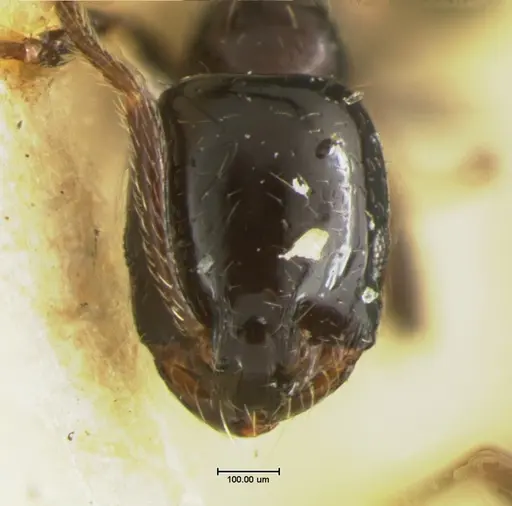
CASENT0914397
View on AntWeb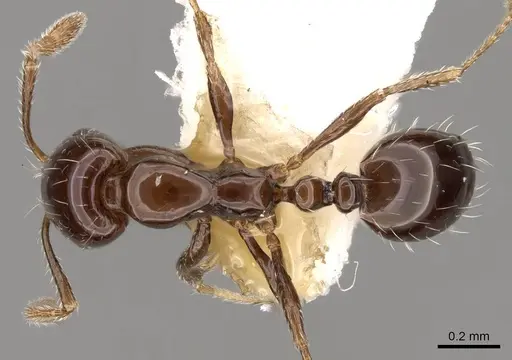
Literature
Loading...Loading products...