
Monomorium carbonarium exhibits a clear seasonal flight window. Peak flight activity is concentrated in July, with the overall period spanning April to August.
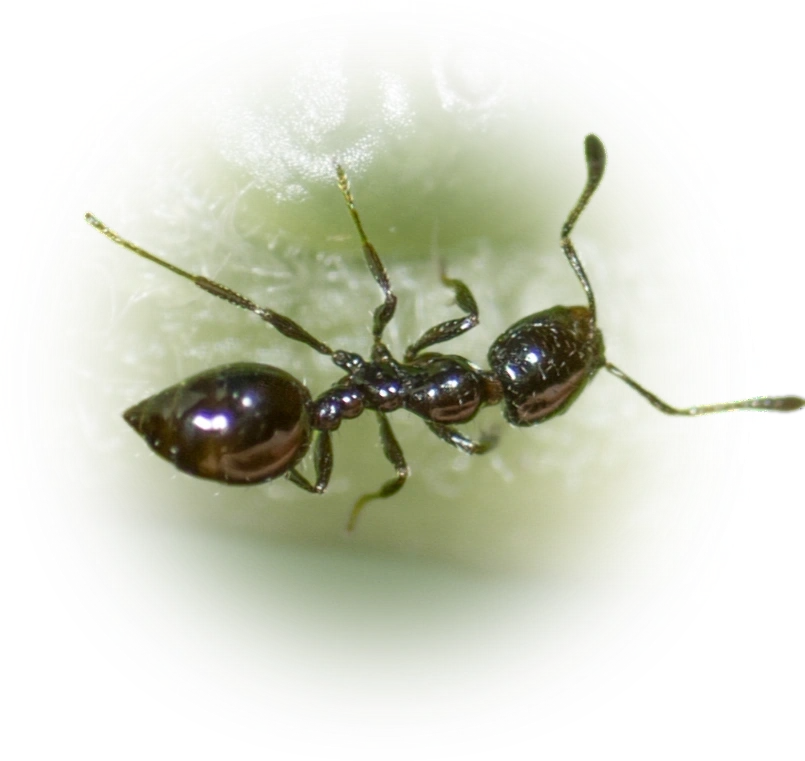
Monomorium carbonarium
- Scientific Name
- Monomorium carbonarium
- Tribe
- Solenopsidini
- Subfamily
- Myrmicinae
- Author
- Smith, 1858
- Distribution
- Found in 3 countries
- Nuptial Flight
- from April to August, peaking in July
AI Identifiable
try →
Monomorium carbonarium Overview
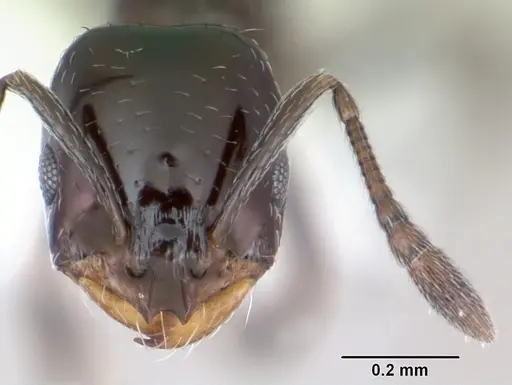
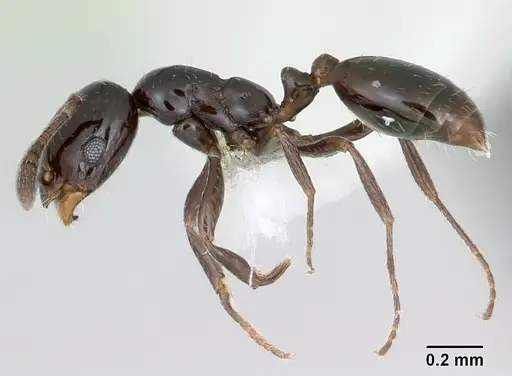
Monomorium carbonarium is an ant species of the genus Monomorium. It is primarily documented in 3 countries , including Mexico, Portugal, United States of America. Detailed taxonomic data and occurrence records can be further explored via authoritative databases such as AntWeb or the Global Biodiversity Information Facility (GBIF).
The nuptial flight of Monomorium carbonarium is a significant biological event, typically occurring from April to August, peaking in July. During this time, winged queens and males leave the nest to mate and establish new colonies.
Monomorium carbonarium
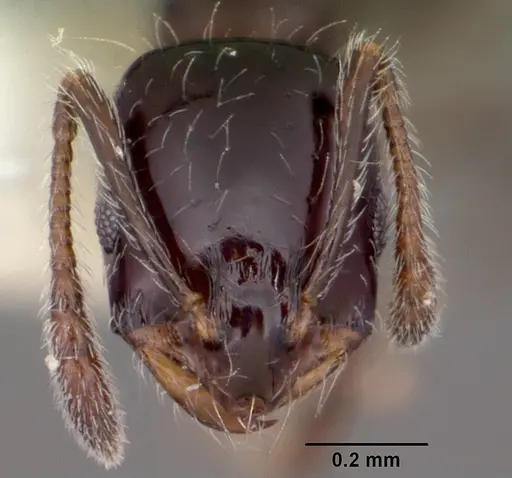
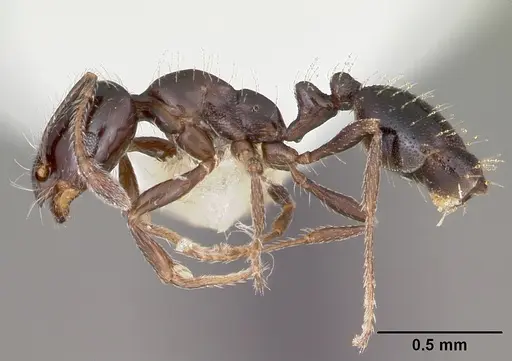
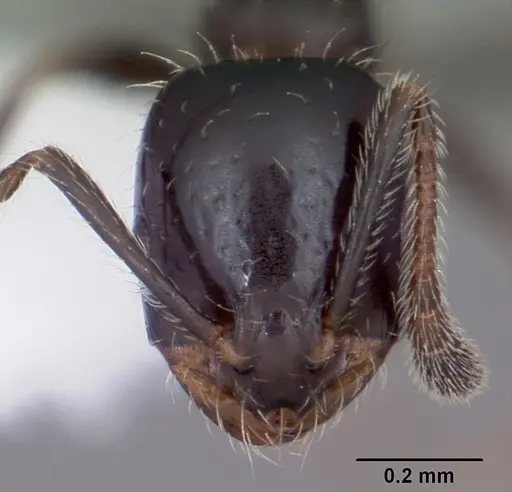
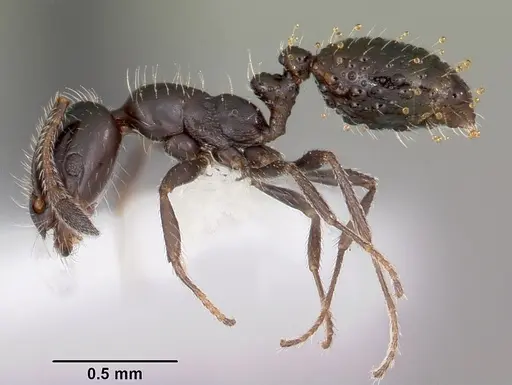
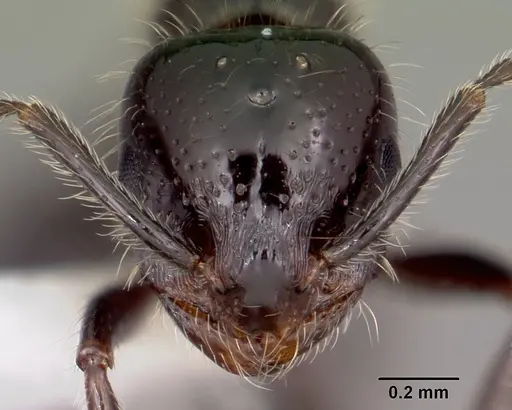
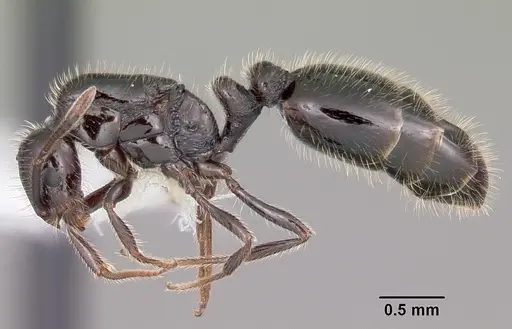
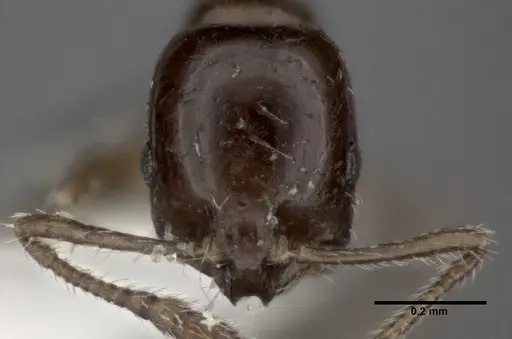
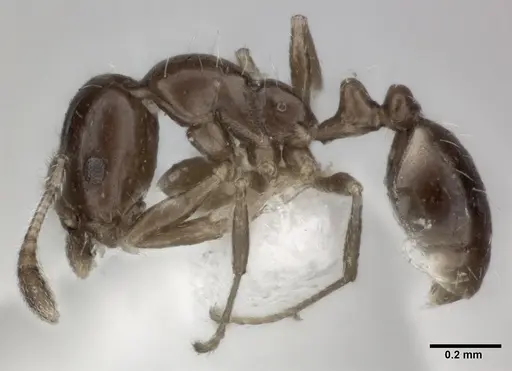
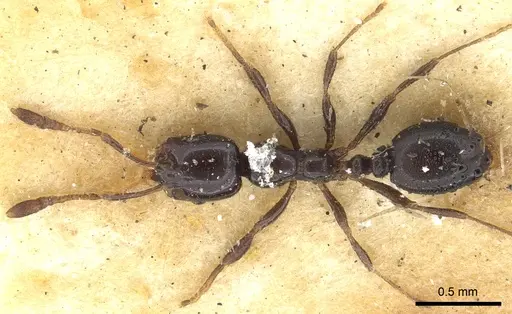
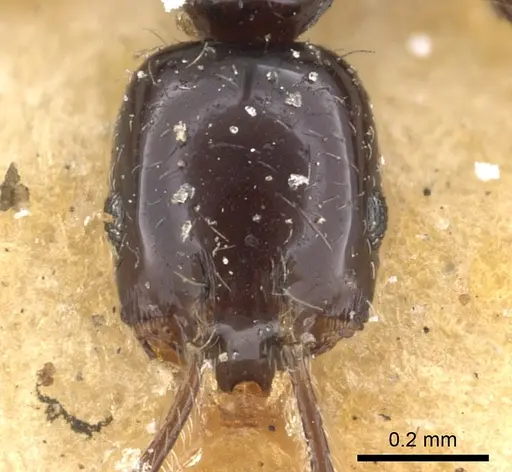
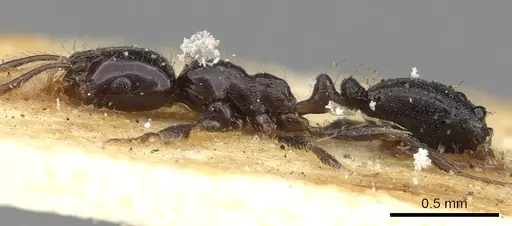
Monomorium carbonarium is one of the smallest ants you'll encounter, with workers measuring just 1.5-2.0mm [1]. They are dark brown to nearly black with a glossy, smooth appearance that makes them easy to identify [1]. This species has an incredibly wide distribution, native across most of the United States and Mexico, but also introduced to parts of Western Europe including the Azores, Madeira, France, Spain, and Portugal [2][3]. They thrive in open areas with exposed soil, from grasslands to forest edges, and are notorious for invading homes in search of sweets [1][4].
What makes this species particularly interesting is its queen system. American colonies are polygynous (multiple queens) with both winged and wingless queens, while European populations are almost entirely wingless and supercolonial [2]. These ants are tough survivors, they can tolerate extremely high temperatures (up to 55°C) and persist even when invasive fire ants move into their territory [5][6]. Their small size and glossy dark body make them distinctive, and they play important roles in their ecosystems as predators of small insects and tenders of aphids.
Quick Summary
- Difficulty: Easy
- Origin & Habitat: Native to North America (USA, Mexico). Introduced to Western Europe (Azores, Madeira, France, Spain, Portugal, Germany, Netherlands). Found from sea level to 2900m elevation in Mexico. Prefers open areas with exposed soil, grasslands, forest edges, yards, and disturbed areas [1][2].
- Colony Type: Polygynous colonies with multiple queens (typically 12-14,up to 76 recorded). Wingless (ergatoid) queens dominate in European populations, while both winged and wingless queens occur in North America. Supercolonial structures documented in Europe but not in native range [2][1].
- Colony: Optionally polygyne, Supercolonial
- Founding: Claustral
- Size & Growth:
- Queen: Polymorphic, winged queens larger than wingless ergatoid queens. Ergatoid queens significantly smaller [2].
- Worker: 1.5-2.0mm TL (approximately 0.47mg dry mass) [1][5].
- Colony: Up to 2000-3000 workers per colony [1][5].
- Growth: Moderate
- Development: Approximately 5-6 weeks (egg to larval: ~19-20 days, larval to pupal: ~15 days at warm temperatures) [7]. (Development is temperature-dependent. Larvae and pupae found throughout nest chambers. Three larval instars documented [1].)
- Antkeeping:
- Temperature: Thermophilic, keep at 20-25°C. They tolerate high temperatures (CTmax 55°C) and activity increases with temperature [5][8]. Room temperature is generally suitable.
- Humidity: Moderate humidity. Nests in soil require moist but not waterlogged substrate. Avoid overly dry conditions.
- Diapause: May experience reduced activity in winter in cooler climates, but documented as active March-September in temperate regions [9]. Not a strict hibernator.
- Nesting: Soil-nesting species. In captivity, they do well in test tubes with moist cotton, Y-tong nests, or plaster nests. Provide soil or sandy substrate for natural behavior. Nests are typically shallow (less than 10cm deep) [1].
- Behavior: Generally non-aggressive toward humans. Workers forage singly or in short trails, actively recruiting to food sources. Uses chemical interference competition and gaster flagging as defense [10][11]. Small size means excellent escape prevention is critical, they can squeeze through tiny gaps. Often enters homes and becomes a nuisance pest. Prefers protein baits (peanut butter, tuna) but also takes sugar sources and honeydew [12].
- Common Issues: escape prevention is critical due to tiny 1.5mm size, use fine mesh and tight-fitting barriers, colonies can become household pests if kept indoors, seal entry points, sensitive to habitat disturbance, may disappear from disturbed areas in captivity, supercolonial European populations may have different care requirements than native polygynous colonies, slow colony growth means beginners may lose patience, but they are resilient once established
Nuptial Flight Activity Analysis 286 observations
Flight Activity by Hour 286 observations
Monomorium carbonarium nuptial flight activity peaks around 11:00 during the late morning to early afternoon. Activity is spread across a 20-hour window (00:00–19:00). Times may be influenced by human observation patterns.
Housing and Nest Setup
Monomorium carbonarius is a tiny soil-nesting ant that does well in standard ant keeping setups. Test tubes work perfectly fine for founding colonies, use a water reservoir tube attached to the foraging area. For established colonies, Y-tong (AAC) nests or plaster nests with moisture chambers work well. Because they are so small (1.5-2.0mm), escape prevention must be excellent. Apply Fluon or similar barrier to the rim of any foraging area, and ensure all connections are tight. They prefer shallow nesting chambers rather than deep tunnels. A small container of moist soil or sand in the outworld allows them to exhibit natural nesting behavior if desired. Lighting is not critical, they do well in ambient room light. [1]
Feeding and Diet
These ants are omnivorous but show strong preferences for protein-rich foods. In captivity, they readily accept small insects like fruit flies, pinhead crickets, and mealworms. They have a documented preference for peanut butter and tuna in bait studies [12]. Sugar sources like honey water or sugar water are also accepted, and they will tend aphids if present. Feed small amounts every 2-3 days, removing uneaten food to prevent mold. Because they are so small, portion sizes should be tiny, a crumb of protein or a drop of sugar water is sufficient. They are active foragers with efficient recruitment, so food placed in the foraging area will quickly attract workers.
Temperature and Seasonal Care
Monomorium carbonarius is thermophilic, they thrive in warm conditions and activity increases with temperature [5]. Keep the nest area at 20-25°C (room temperature is typically fine). They can tolerate temperatures up to 55°C in the wild, but this doesn't mean you should push them. In cooler climates or winter, reduce feeding and expect slower activity. They are documented as active from March through September in temperate regions, with reduced activity in winter [9]. No formal hibernation is required, but you can reduce temperatures slightly (to around 15-18°C) during winter months if desired. Avoid sudden temperature swings.
Colony Structure and Queen Care
This is a polygynous species, colonies naturally have multiple queens (typically 12-14,sometimes up to 76) [1]. Unlike many ants, they don't have dominance fights between queens, multiple egg-laying queens coexist. In North America, colonies produce both winged (alate) and wingless (ergatoid) queens, while European populations are almost entirely wingless [2]. When keeping this species, you may receive a colony with multiple queens, this is normal and you should not attempt to separate them. Wingless queens mate within the nest (intranidal mating), which is why they spread so successfully as invasives [2]. Colonies can reach 2000-3000 workers.
Behavior and Defense
Workers are small but feisty when it comes to competition. They use chemical interference competition, releasing chemicals that disrupt other ants' foraging and communication [10]. They also perform gaster flagging, raising their abdomens and pointing their stingers upward as a defensive display [11]. Despite this, they are not aggressive toward humans and rarely sting. They are excellent foragers and quickly discover food sources, recruiting nestmates efficiently. They can persist in areas invaded by fire ants due to their tolerance of warm temperatures and chemical defenses [6]. In captivity, they are generally peaceful and fun to watch as they establish foraging trails.
Common Problems and Solutions
The biggest issue with this species is escape prevention, at 1.5mm, they can squeeze through incredibly small gaps. Always use fine mesh on any ventilation, apply Fluon to rim edges, and check all connections regularly. They can become household pests if colonies are kept indoors, so consider keeping them in a dedicated ant room or sealed enclosure. They are sensitive to habitat disturbance in the wild [13], so avoid moving the nest frequently once established. If your colony seems sluggish, try slightly increasing temperature. They are resilient ants that can survive fire ant invasions in the wild, so they are forgiving of minor care mistakes.
Frequently Asked Questions
How long does it take for Monomorium carbonarius to get first workers?
Expect first workers approximately 5-6 weeks after the queen lays eggs, at optimal warm temperatures. Development is temperature-dependent, cooler conditions will slow it down. The larval stage lasts about 19-20 days and the pupal stage about 15 days [7].
Can I keep multiple queens together in one colony?
Yes, this is a polygynous species by nature. Multiple egg-laying queens coexist in established colonies. You should not attempt to separate them or keep foundress queens apart, as they naturally form multi-queen colonies [1][2].
What do Monomorium carbonarius eat?
They are omnivorous but prefer protein-rich foods. Offer small insects (fruit flies, pinhead crickets, mealworms), peanut butter, tuna, or other protein baits. They also accept sugar water and honey. Remove uneaten food after 24-48 hours to prevent mold [12].
Are Monomorium carbonarius good for beginners?
Yes, they are considered easy to keep. They are resilient, tolerate a range of conditions, and can survive alongside invasive fire ants in the wild. The main challenge is their tiny size requiring excellent escape prevention. Once you address that, they are forgiving of minor care mistakes.
How big do Monomorium carbonarius colonies get?
Colonies can reach 2000-3000 workers [1]. This is moderate compared to some ants, but their small size means a 2000-worker colony is still quite impressive. Growth is moderate, expect several months to reach 100 workers.
Do they need hibernation or diapause?
Not strictly, they are active from March through September in temperate regions with reduced winter activity [9]. You can reduce temperatures slightly in winter (to 15-18°C) but formal hibernation is not required. They are thermophilic and prefer warm conditions year-round.
Why are my Monomorium carbonarius dying?
Common causes include: escape (check for tiny gaps), too dry conditions (keep substrate slightly moist), disturbance (avoid moving the nest frequently), or poor feeding (ensure protein is available). They are generally resilient, so check your basic parameters first. Wild-caught colonies may also have parasites.
What temperature do they need?
Keep them at 20-25°C (room temperature is typically fine). They are thermophilic and activity increases with temperature. They can tolerate up to 55°C in the wild but this doesn't mean you should keep them hot, room temperature is ideal [5].
When should I move them to a formicarium?
You can keep them in test tubes indefinitely if the water reservoir is maintained. Move to a larger nest (Y-tong, plaster, or naturalistic setup) when the colony reaches several hundred workers or when the test tube becomes cramped. They prefer shallow chambers scaled to their tiny size.
Are they invasive?
In their native North American range, no. However, they have been introduced to Western Europe (France, Spain, Portugal, Azores, Madeira, Germany, Netherlands) where they can become invasive and form supercolonies [2][3]. If you are in Europe, do not release them outdoors.
References

This caresheet is licensed under CC BY-SA 4.0 .
CASENT0104100
View on AntWeb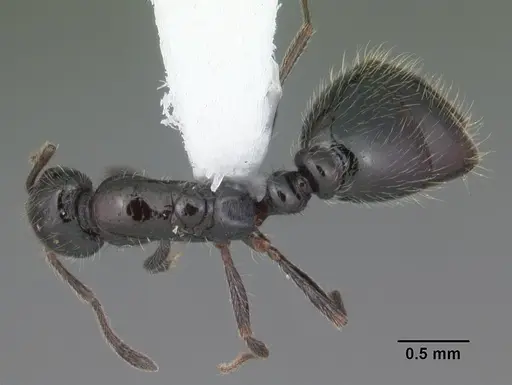
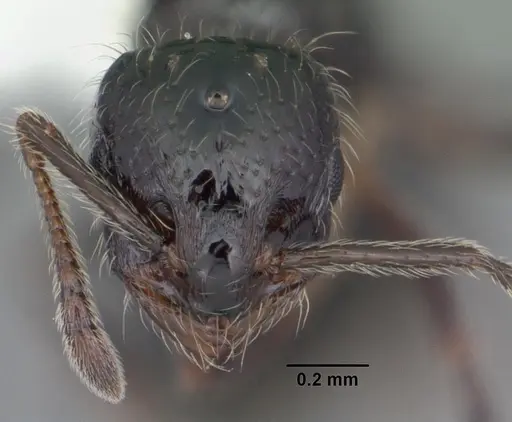
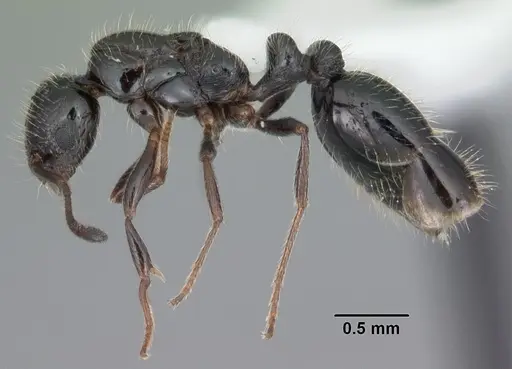
CASENT0104103
View on AntWeb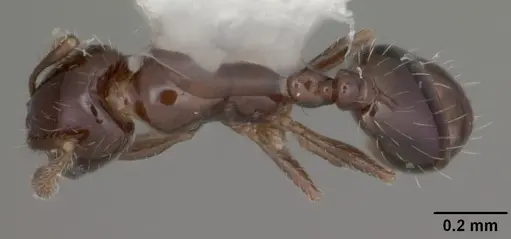
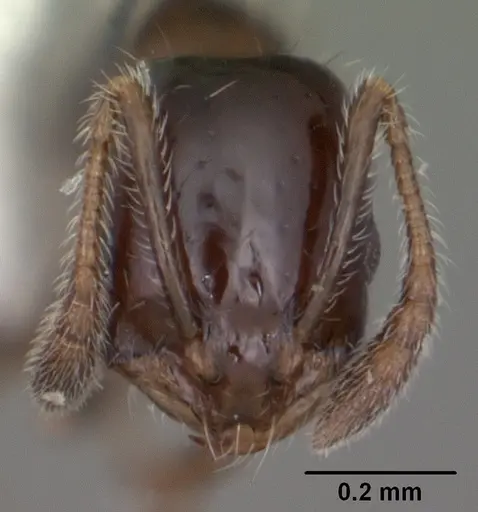
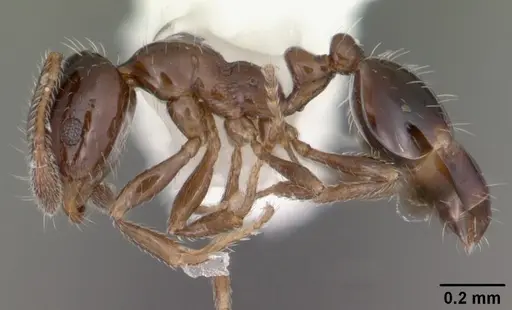
CASENT0104789
View on AntWeb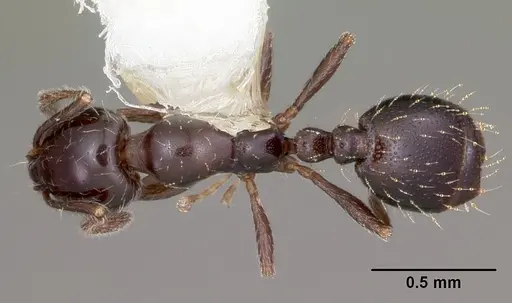
CASENT0104790
View on AntWeb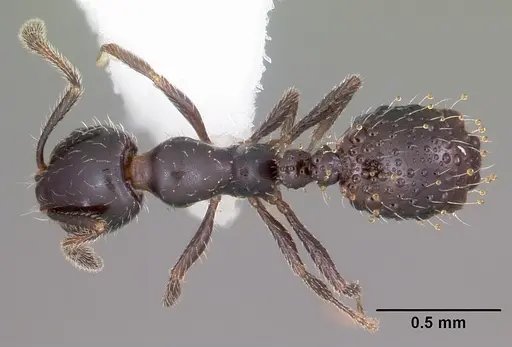
CASENT0104791
View on AntWeb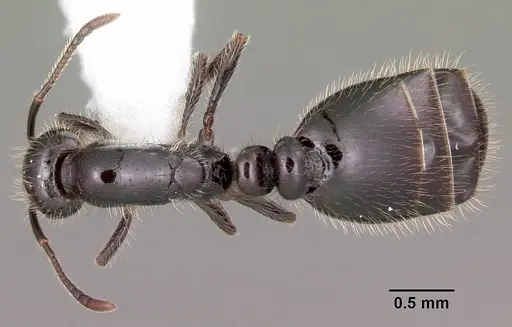
CASENT0173040
View on AntWeb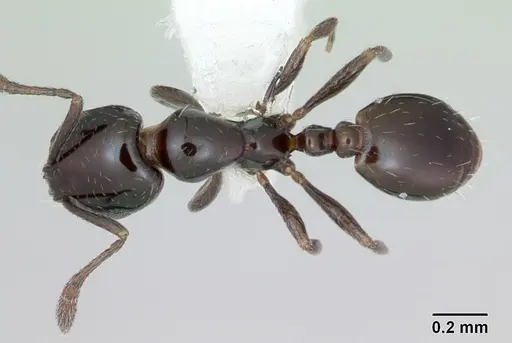
CASENT0246069
View on AntWeb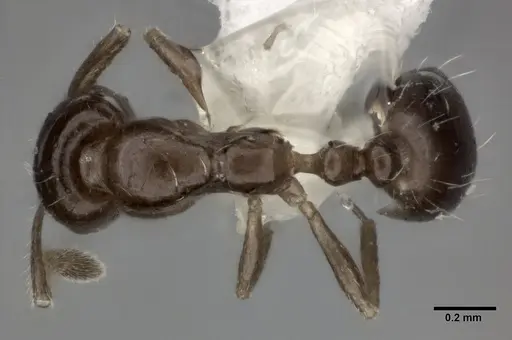
CASENT0902279
View on AntWeb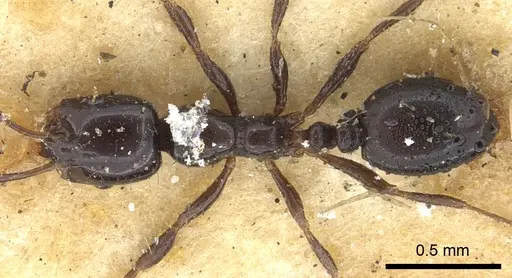
Literature
Loading...Loading products...