

Monomorium bicolor
- Scientific Name
- Monomorium bicolor
- Tribe
- Solenopsidini
- Subfamily
- Myrmicinae
- Author
- Emery, 1877
- Distribution
- Found in 21 countries
Monomorium bicolor Overview
Monomorium bicolor is an ant species of the genus Monomorium. It is primarily documented in 21 countries , including Burkina Faso, Côte d'Ivoire, Cameroon. Detailed taxonomic data and occurrence records can be further explored via authoritative databases such as AntWeb or the Global Biodiversity Information Facility (GBIF).
Monomorium bicolor
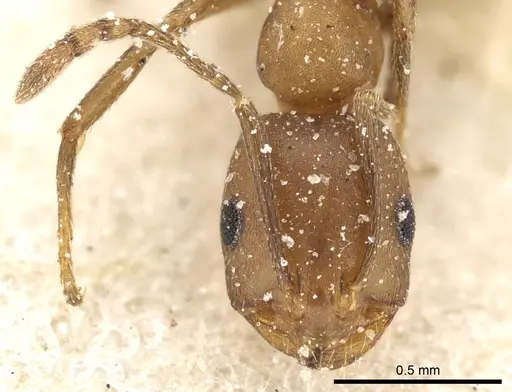
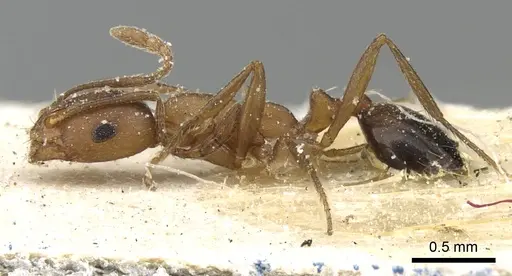
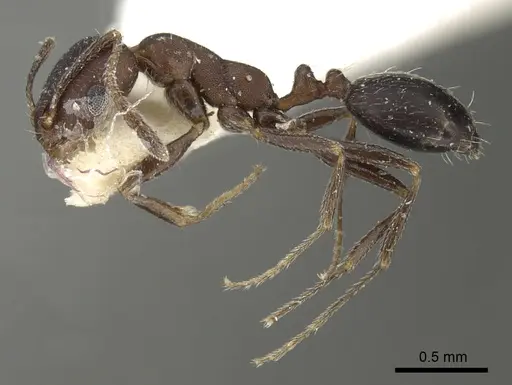
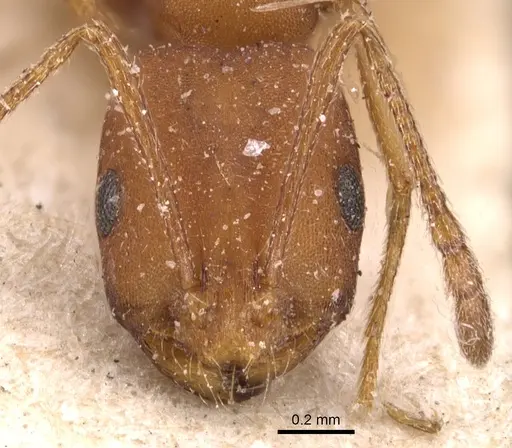
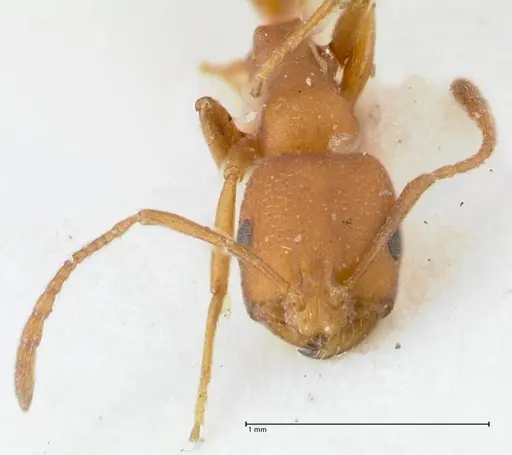
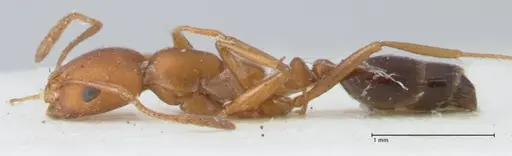
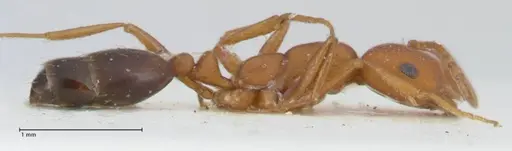
Monomorium bicolor is a small but striking ant species known for its distinctive two-tone coloring. Workers measure 3.2-3.9mm and feature bright orange to red heads and alitrunks (the middle body section) contrasting sharply with a dark blackish-brown to black gaster (the rear section) [1]. This bicolored appearance is so pronounced that some researchers have suggested the common name 'bicolored trailing ant' would be more appropriate than other Monomorium species [2]. The species belongs to the Monomorium salomonis species group, specifically the bicolor complex [3].
This ant is remarkably widespread across Africa and has also established populations in parts of the Middle East, Mediterranean, and even the Caribbean. It thrives in open savannahs and semi-arid zones but adapts to forested areas where there's direct sunlight, often appearing on forest paths [4][5]. The species is a general scavenger that quickly finds and exploits food sources, including hunting other insects and feeding on animal remains [6]. Colonies are polygynous, meaning they contain multiple queens working together [7][6].
Quick Summary
- Difficulty: Easy
- Origin & Habitat: Afrotropical region, native across sub-Saharan Africa from West Africa (Senegal, Ghana, Nigeria) through Central Africa (Cameroon, Democratic Republic of Congo) to East Africa (Kenya, Ethiopia, Eritrea) and into the Arabian Peninsula (Saudi Arabia, UAE, Oman). Also introduced to Dominican Republic, Canary Islands, and some Greek islands. Found in open savannahs, semi-arid zones, and open forest sites with direct sunlight [4][5][1].
- Colony Type: Polygynous, colonies contain multiple queens working together [7][6]. This is a notable trait as many ant species have single queens.
- Colony: Polygyne
- Founding: Claustral
- Size & Growth:
- Queen: Estimated 5-7mm based on genus patterns, queen size not specifically documented in primary literature
- Worker: 3.2-3.9mm [1]
- Colony: Colony size not precisely documented but polygynous colonies typically reach several hundred workers. In similar Monomorium species, colonies commonly reach 500-1000 workers.
- Growth: Moderate, based on typical Myrmicinae development patterns
- Development: 6-8 weeks estimated based on genus patterns for tropical Myrmicinae species (Development time is inferred from related species, no specific study found for this species. Tropical origin suggests relatively fast development at warm temperatures.)
- Antkeeping:
- Temperature: Keep at 24-28°C. This is a warm-adapted Afrotropical species that thrives in hot conditions. A heating cable on one side of the nest creates a suitable gradient [4][6].
- Humidity: Low to moderate, this species prefers dry to semi-arid conditions. Keep substrate relatively dry, not waterlogged. Allow portions of the nest to dry out completely between rehydrations [6].
- Diapause: Unknown, no specific data on hibernation requirements. Given its Afrotropical origin, it likely does not require a true diapause but may show reduced activity in cooler conditions [4].
- Nesting: In nature, nests in soil, often under small flat stones or in abandoned snail shells in sunny locations [6]. In captivity, a test tube setup works well for founding colonies. For established colonies, a Y-tong (AAC) nest or plaster nest with dry to moderately humid conditions suits them. Provide a small chamber setup as they prefer tight spaces.
- Behavior: Workers are nocturnal to crepuscular, they show highest activity from dusk until late at night [6]. They are general scavengers and predators, hunting small insects and feeding on food remains or animal corpses. Notably, their nests often contain corpses of other ant species (Camponotus or Pheidole) in the main chamber [6]. Workers are relatively small (3.2-3.9mm) so escape prevention should be moderate, they can squeeze through small gaps but are not as tiny as some other Monomorium species. They are not particularly aggressive toward keepers but will defend their nest if threatened.
- Common Issues: nocturnal activity means you may not see much movement during daytime hours, this is normal behavior, polygynous colonies can be sensitive to disturbance, handle gently when transferring, small size means they can escape through standard test tube cotton if pushed through, use proper barriers, colonies may decline if kept too humid, they prefer drier conditions than many tropical ants, introduced populations in some areas may have different behavior than native African colonies
Housing and Nest Setup
Monomorium bicolor is a small ant that nests in soil in the wild, often under stones or in abandoned snail shells in sunny, dry locations [6]. For captivity, a simple test tube setup works well for founding colonies. The test tube should have a water reservoir at one end with cotton separating it from the ants, keep this relatively small to avoid excessive humidity. Once the colony reaches 20-30 workers, you can consider moving them to a small formicarium or Y-tong nest. These ants prefer tight, enclosed spaces and do well in nests with small chambers. Avoid large, open areas as they prefer to stay clustered in smaller rooms. Because they are nocturnal, place the nest in an area with dim lighting or provide a dark cover so you can observe them during their active evening hours.
Feeding and Diet
In the wild, Monomorium bicolor is a general scavenger that quickly appears at food sources, particularly crushed insects [3]. They hunt small insects and also feed on food remains and animal corpses [6]. Their foraging activity peaks from dusk until late at night [6]. For captive care, offer small insects like fruit flies, small crickets, or mealworms as primary protein sources. They will also accept sugar water, honey, or diluted honey as an energy source. Since they are generalists, they typically accept most protein and sugar foods offered. Feed them small prey items 2-3 times per week, removing any uneaten food after 24 hours. Sugar water should be available constantly but can be refreshed every few days. The small size of workers means prey items should be appropriately sized, no larger than the ant's head.
Temperature and Seasonal Care
As an Afrotropical species, Monomorium bicolor prefers warm conditions. Keep the nest area at 24-28°C for optimal colony health and development [4]. A heating cable placed on one side of the nest creates a gentle temperature gradient that allows ants to regulate their own temperature by moving between warmer and cooler areas. Place the heating element on top of the nest material rather than underneath to avoid excessive drying. This species does not have documented diapause requirements, unlike temperate ants, they likely do not need a true hibernation period [4]. However, they may show reduced activity during cooler periods. If your room temperature drops below 20°C, consider using a small heat source. The species is associated with arid, sunny habitats in the wild, so they tolerate warmth well but are sensitive to cold.
Humidity and Water
Monomorium bicolor is an arid-adapted species that prefers relatively dry conditions. Keep the nest substrate on the dry side, slightly moist cotton in a test tube is sufficient for founding colonies, but avoid creating constantly wet or waterlogged conditions [6]. In established colonies, allow portions of the nest to dry out completely between water additions. The species naturally nests in sandy, well-drained soils in sunny locations [6]. When providing water, offer a shallow water dish with a cotton wick or small test tube water feeder. The ants will drink from these directly. Mist the outworld occasionally but avoid spraying directly into the nest. The key is balance, they need some moisture but are not a high-humidity species.
Behavior and Observation
One of the most interesting aspects of Monomorium bicolor is their nocturnal activity pattern. Workers show highest activity from dusk until late at night, making them more observable in evening hours than during the day [6]. During daylight hours, nest entrances are typically covered with soil [6]. They are generalist foragers and scavengers, quickly discovering and exploiting food sources. A peculiar behavior noted in wild colonies is the presence of dead Camponotus or Pheidole ants in the main chamber, this suggests they may raid or scavenge from other ant colonies [6]. Workers are relatively small but not extremely tiny, making them observable with the naked eye. They are not particularly aggressive but will defend the nest if disturbed. Colonies are polygynous, meaning you may see multiple queens, this is normal for this species and they coexist peacefully.
Colony Growth and Development
Monomorium bicolor colonies grow at a moderate pace. While specific development times are not documented, related tropical Myrmicinae species typically develop from egg to worker in 6-8 weeks under warm conditions. The polygynous colony structure means multiple queens contribute to egg production, which can accelerate colony growth once established. Founding colonies start with a single queen (or multiple in polygynous situations) sealed in a chamber. She lays eggs that develop through larval and pupal stages before emerging as first workers (nanitics). These initial workers are typically smaller than mature workers. As the colony grows, queen production of workers increases. Expect a founding colony to reach 20-30 workers within 3-4 months under good conditions, with faster growth thereafter. Colonies likely reach several hundred workers at maturity. [7][6]
Frequently Asked Questions
How long does it take for Monomorium bicolor to produce first workers?
Based on related tropical Monomorium species, expect first workers (nanitics) to emerge around 6-8 weeks after the queen lays eggs, assuming temperatures around 24-28°C. This timeline is an estimate as no specific study documents development time for this species.
Can I keep multiple queens together in one colony?
Yes, Monomorium bicolor is naturally polygynous, meaning colonies contain multiple queens that coexist peacefully [7][6]. Unlike many ant species where multiple queens fight, these queens work together. You can keep multiple foundress queens together, though it's not required.
What do Monomorium bicolor ants eat?
They are general scavengers that accept both protein and sugar foods. Offer small insects (fruit flies, small crickets, mealworms) as primary protein, and sugar water, honey, or diluted honey for carbohydrates [6]. They are nocturnal feeders, so offer food in the evening for best observation.
Do Monomorium bicolor ants need hibernation?
No, as an Afrotropical species, they do not require true hibernation [4]. They may show reduced activity in cooler conditions but do not need a cold diapause period. Keep them warm year-round (24-28°C) for best colony growth.
Are Monomorium bicolor good for beginners?
Yes, they are considered an easy species to keep. They are tolerant of various conditions, not extremely aggressive, and their polygynous nature makes colony establishment more robust. The main considerations are providing warm temperatures, keeping humidity relatively low, and being aware they are nocturnal.
Why are my Monomorium bicolor ants dying?
Common causes include: too high humidity (they prefer dry conditions), temperatures below 20°C, poor escape prevention allowing them to dry out or get lost, or feeding prey that is too large. Also ensure they have constant access to sugar water for energy. Check that the nest is not too wet or moldy.
When are Monomorium bicolor most active?
They are nocturnal to crepuscular, showing highest activity from dusk until late at night [6]. During the day, they remain inside the nest with entranceways sealed with soil. You will see the most foraging activity in the evening hours.
How big do Monomorium bicolor colonies get?
While exact maximums are not documented, polygynous colonies of this size typically reach several hundred workers. The multiple-queen structure supports steady growth over time.
What type of nest is best for Monomorium bicolor?
,
References

This caresheet is licensed under CC BY-SA 4.0 .
CASENT0073615
View on AntWeb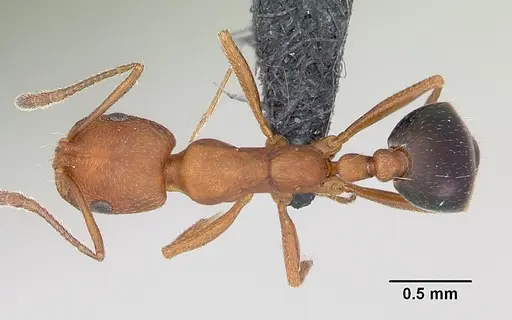
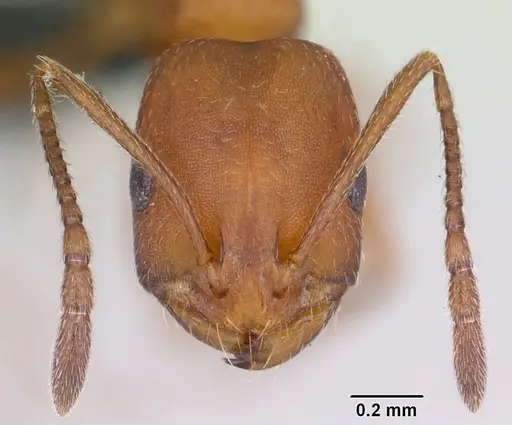
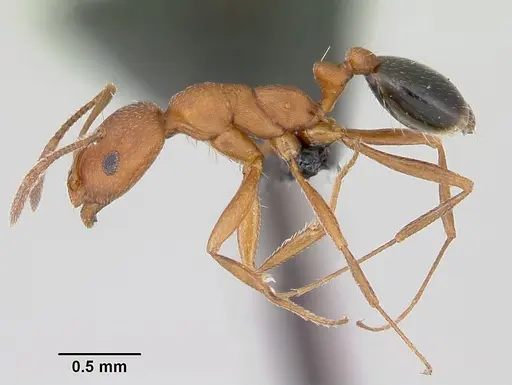
CASENT0178876
View on AntWeb
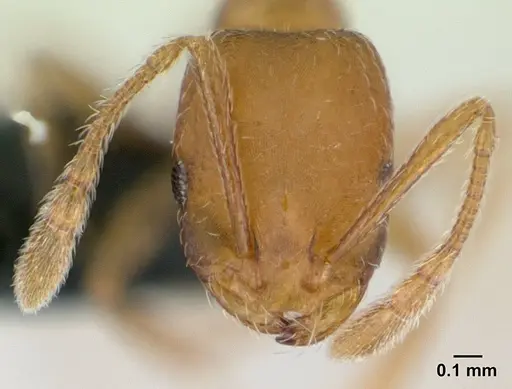
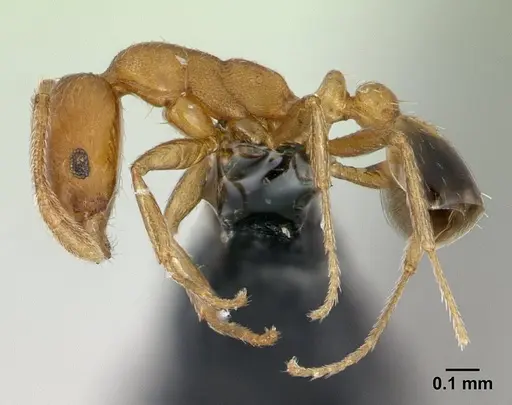
CASENT0249831
View on AntWeb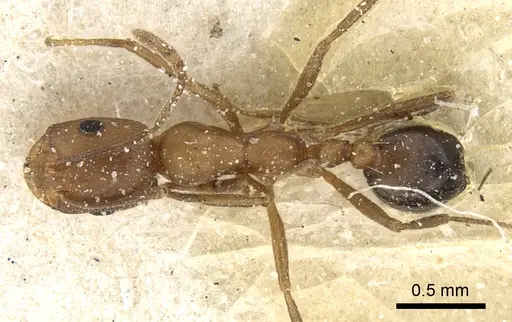
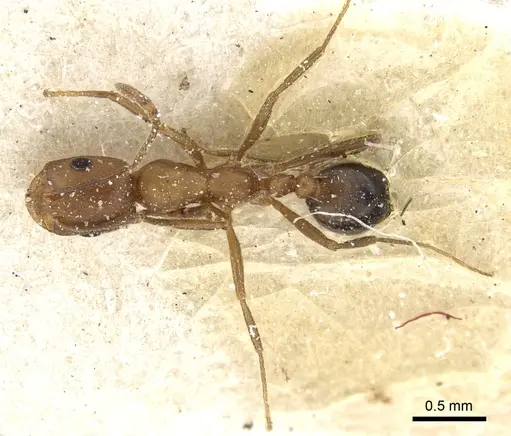
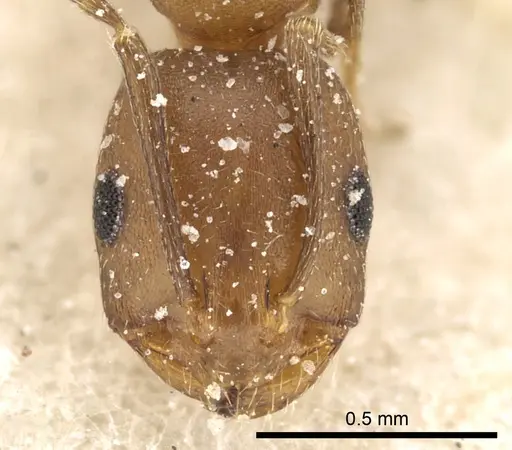
CASENT0249832
View on AntWeb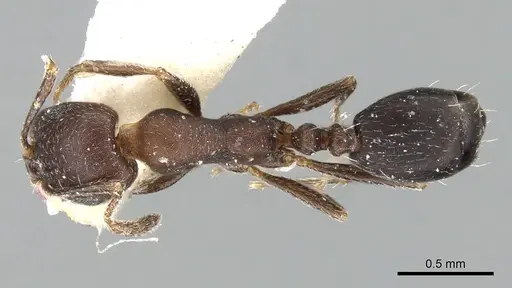

CASENT0904596
View on AntWeb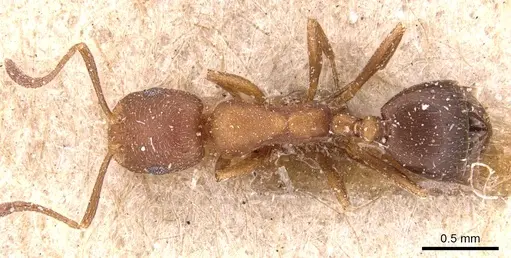
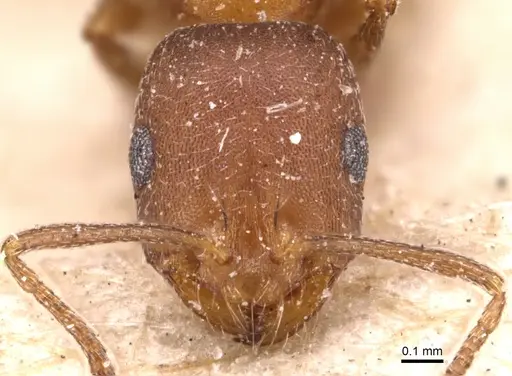
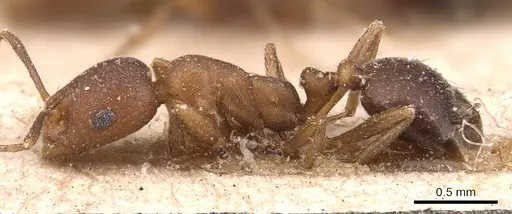
CASENT0904601
View on AntWeb

CASENT0913561
View on AntWeb


CASENT0913562
View on AntWeb
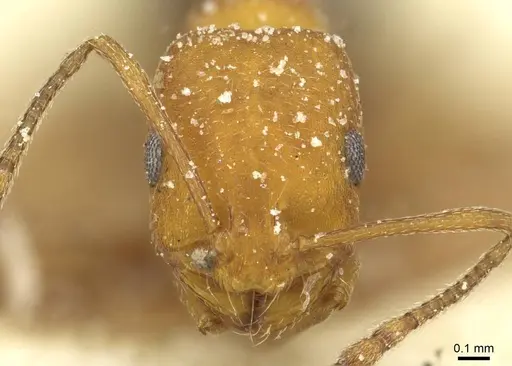

CASENT0913563
View on AntWeb
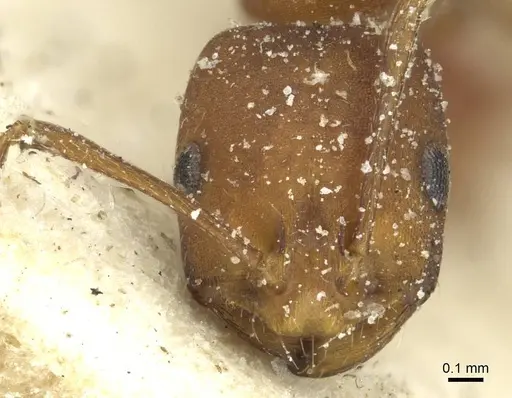

CASENT0919810
View on AntWeb


CASENT0922886
View on AntWeb
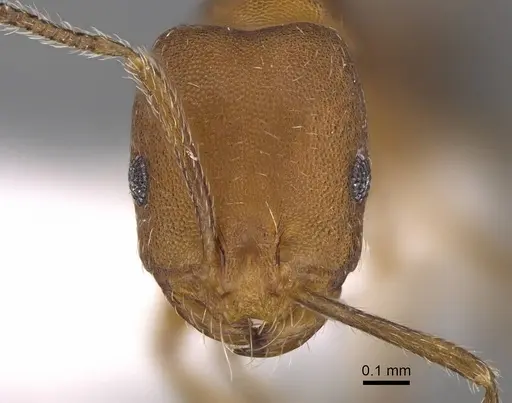

FOCOL1749
View on AntWeb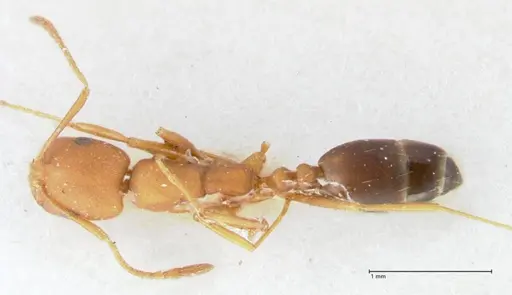
Literature
Loading...Loading products...