

Monomorium antipodum
- Scientific Name
- Monomorium antipodum
- Tribe
- Solenopsidini
- Subfamily
- Myrmicinae
- Author
- Forel, 1901
- Distribution
- Found in 2 countries
Monomorium antipodum Overview
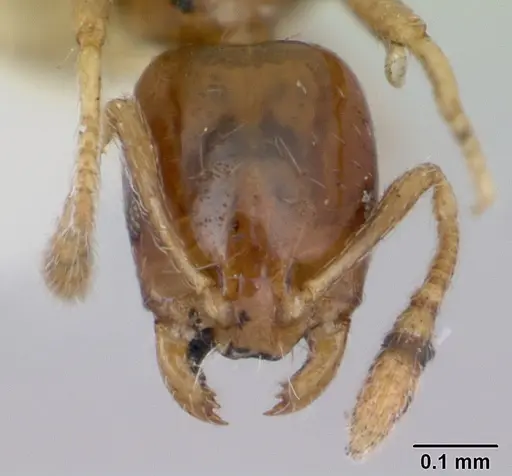
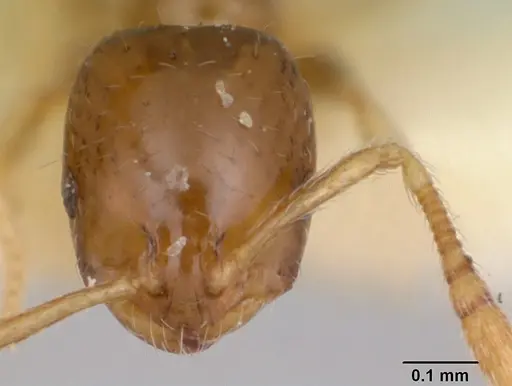
Monomorium antipodum is an ant species of the genus Monomorium. It is primarily documented in 2 countries , including Australia, New Zealand. Detailed taxonomic data and occurrence records can be further explored via authoritative databases such as AntWeb or the Global Biodiversity Information Facility (GBIF).
Monomorium antipodum
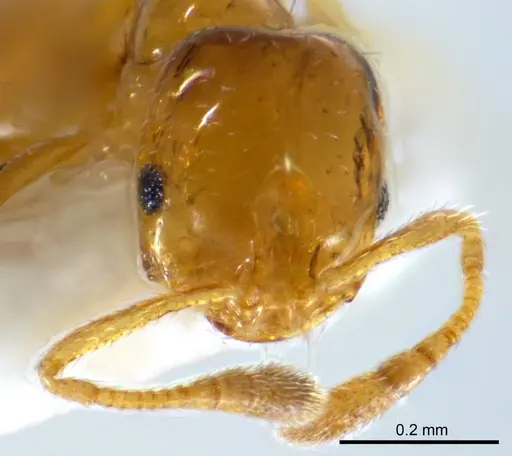
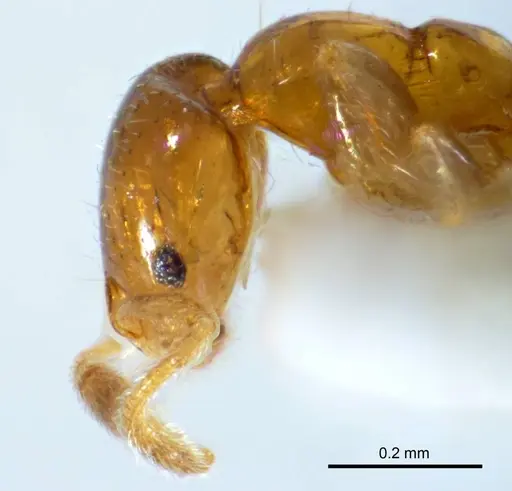
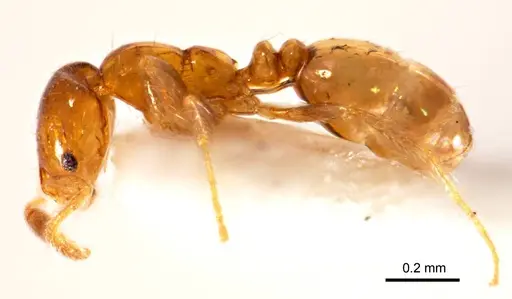
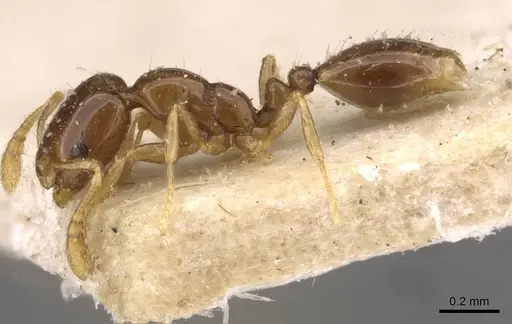
Monomorium antipodum is a tiny ant species endemic to New Zealand, meaning it's found nowhere else in the world. Workers are small and typically measure 2-3mm, with the characteristic Monomorium body shape featuring a two-segmented petiole (the narrow waist connection) and a smooth, glossy body surface. The species was first described by Forel in 1901 and has been confirmed as a valid species through modern genetic analysis, closely related to an eastern Australian population that was likely the source of its introduction to New Zealand [1][2]. This ant is part of the Myrmicinae subfamily and the Solenopsidini tribe, which includes many small, ground-nesting ant species.
Quick Summary
- Difficulty: Medium
- Origin & Habitat: New Zealand, endemic. This species is native to New Zealand and found throughout the main islands, with detection records in both forested and non-forested habitats. It appears to prefer natural areas and has shown declining detection rates in recent surveys, dropping from 7% of non-forested bait stations in 2005 to 0% in 2015,and from 12% to 4% in forest areas during the same period [3]. This decline may be linked to competition with invasive ant species like the Argentine ant.
- Colony Type: Colony structure is not well-documented in scientific literature. Based on typical Monomorium patterns, this species is likely monogyne (single queen colonies), though this has not been directly confirmed for M. antipodum specifically.
- Size & Growth:
- Queen: Estimated 4-5mm based on genus patterns, not directly measured for this species
- Worker: Estimated 2-3mm based on genus patterns, not directly measured for this species
- Colony: Unknown, likely under 500 workers based on typical Monomorium colony sizes
- Growth: Moderate, estimated based on related species
- Development: Estimated 6-8 weeks at optimal temperature based on genus patterns (Development timeline has not been directly studied for this species. Estimates are based on typical Monomorium development patterns.)
- Antkeeping:
- Temperature: Keep at room temperature, roughly 18-24°C. No specific thermal studies exist for this species, but related Monomorium species thrive in moderate temperatures. A gradient allowing workers to choose their preferred spot is ideal.
- Humidity: Moderate humidity is likely preferred, similar to other New Zealand native ants. Keep nest substrate slightly moist but not waterlogged. Natural forest floor conditions in New Zealand typically range from 50-70% relative humidity.
- Diapause: Likely yes, New Zealand experiences distinct seasons, and many native ants enter a winter rest period. However, specific diapause requirements have not been documented for this species.
- Nesting: Based on typical Monomorium nesting behavior, this species likely nests in soil, under stones, or in shallow rotting wood. In captivity, a test tube setup works well for founding colonies, with optional access to a small outworld for foraging.
- Behavior: This is a small, generally non-aggressive species. Workers are active foragers but due to their tiny size, they pose minimal sting risk to humans. They likely feed on honeydew from aphids and small insects, typical of the Monomorium genus. Escape prevention is important due to their small size, they can squeeze through very small gaps. They are not considered dangerous to humans.
- Common Issues: very small size makes escape prevention critical, use fine mesh barriers, limited scientific data means care requirements are estimated from genus patterns, declining wild populations may indicate sensitivity to habitat changes, competition with invasive ants is a concern in captivity if exposed, slow colony growth may frustrate beginners
Natural History and Distribution
Monomorium antipodum is endemic to New Zealand, making it a truly special species for antkeepers interested in native or unusual species. Genetic studies have confirmed it as a valid species closely related to an eastern Australian population, and researchers believe it was likely introduced from Australia to New Zealand [1]. The species has been recorded throughout the New Zealand islands, with particular detection in forest and non-forested habitats. However, concerning trends show significant population decline, detection rates dropped from 7% to 0% in non-forested areas between 2005 and 2015,and from 12% to 4% in forested areas during the same period [3]. This decline is likely linked to competition from invasive ant species, particularly the Argentine ant (Linepithema humile), which outcompetes native species for resources [4].
Housing and Nest Setup
Due to their small size, Monomorium antipodum requires careful attention to escape prevention. A standard test tube setup works well for founding colonies, the tube should be well-sealed with cotton or a proper stopper, and any connections to an outworld must use fine mesh that these tiny ants cannot squeeze through. For established colonies, a small formicarium with appropriately sized chambers works better than large, open spaces. Based on typical Monomorium nesting preferences, they likely prefer soil-based substrates that retain some moisture. A small water reservoir connected to the nest helps maintain appropriate humidity levels. The outworld should be simple and easy to clean, with minimal gaps and edges where these small ants could escape.
Feeding and Diet
Like most Monomorium species, M. antipodum likely has a typical ant diet consisting of honeydew, nectar, and small insects. In captivity, you can offer sugar water or honey as an energy source, along with small protein sources like fruit flies, pinhead crickets, or other appropriately sized live prey. Given their tiny size, prey items should be very small, flightless fruit flies are an excellent choice. Feed protein roughly twice weekly, and keep a sugar source available at all times. Remove any uneaten prey after 24-48 hours to prevent mold issues. The exact dietary preferences of this specific species have not been studied, so some experimentation may be needed to determine what your colony accepts best.
Temperature and Seasonal Care
No specific temperature requirements have been documented for this species, but being native to New Zealand's temperate climate, they likely prefer moderate temperatures in the range of 18-24°C. Room temperature (around 20-22°C) is likely suitable for keeping this species. New Zealand experiences distinct seasons, so a winter cooling period is probably beneficial, consider reducing temperatures to around 15°C for 2-3 months during winter to simulate natural seasonal changes. This cooling period may help trigger reproductive behavior in spring. Avoid extreme temperatures or sudden fluctuations, as this could stress the colony.
Colony Development and Growth
The colony development timeline for Monomorium antipodum has not been directly studied. Based on typical Monomorium genus patterns, you can expect the first workers (nanitics) to emerge roughly 6-8 weeks after the queen lays eggs, assuming optimal temperature conditions around 22-24°C. Initial colony growth is typically slow, with the queen alone caring for the first brood. Once workers emerge, growth typically accelerates as they take over foraging and brood care duties. Colony size likely maxes out at under 500 workers based on typical Monomorium colony sizes, though this is an estimate. Patience is key with this species, small colonies grow incrementally and rapid expansion should not be expected.
Frequently Asked Questions
How long does it take for Monomorium antipodum to produce first workers?
The exact timeline has not been documented for this species. Based on typical Monomorium genus patterns, expect first workers (nanitics) to emerge approximately 6-8 weeks after founding at optimal temperatures around 22-24°C. This is an estimate based on related species, as specific development studies are lacking.
What do Monomorium antipodum ants eat?
Like most Monomorium species, they likely accept honeydew, nectar, and small insects. In captivity, offer sugar water or honey for energy and small live prey like fruit flies or pinhead crickets for protein. Feed protein roughly twice weekly with sugar available at all times.
Are Monomorium antipodum ants dangerous?
No, they are not considered dangerous to humans. Workers are very small (estimated 2-3mm) and while they may be able to sting, their tiny size means they cannot penetrate human skin effectively. They are generally docile and non-aggressive.
Do Monomorium antipodum ants need hibernation?
Likely yes, being native to New Zealand with its distinct seasons, they probably benefit from a winter cooling period. Reduce temperatures to around 15°C for 2-3 months during winter. This is an inference based on the species' native range, not directly documented behavior.
Can I keep multiple Monomorium antipodum queens together?
This has not been studied for this specific species. Based on typical Monomorium patterns, they are likely monogyne (single queen colonies). Combining unrelated queens is not recommended as it often leads to fighting. If you capture a foundress, keep her alone until her first workers emerge.
How big do Monomorium antipodum colonies get?
Colony size has not been directly documented. Based on typical Monomorium genus patterns, colonies likely max out at under 500 workers. This is a small, relatively compact ant species.
What temperature should I keep Monomorium antipodum at?
Room temperature around 18-24°C is likely suitable. No specific thermal studies exist for this species, but being native to New Zealand's temperate climate, moderate room temperatures work well. A slight gradient allowing workers to choose their preferred spot is ideal.
Why are my Monomorium antipodum ants dying?
Without specific studies, common issues likely include: escape-related losses (their tiny size makes them expert escape artists), improper humidity (too dry or too wet), temperature stress from extremes, or poor nutrition. Ensure excellent escape prevention, maintain moderate humidity, and offer appropriate food. Wild-caught colonies may also carry parasites or diseases.
Is Monomorium antipodum a good species for beginners?
This species is rated as Medium difficulty. While not the most challenging species, the lack of specific care documentation and their small size (requiring excellent escape prevention) make it better suited for keepers who already have some experience with small ant species. Beginners may struggle with escape prevention and the slow initial colony growth.
References

This caresheet is licensed under CC BY-SA 4.0 .
ANTWEB1008673
View on AntWeb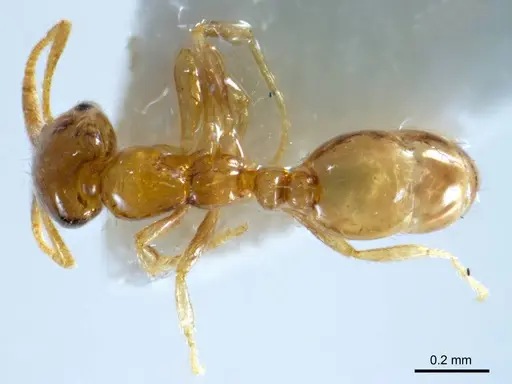
CASENT0172940
View on AntWeb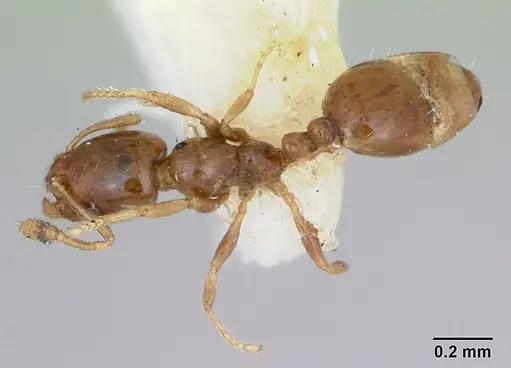

CASENT0172941
View on AntWeb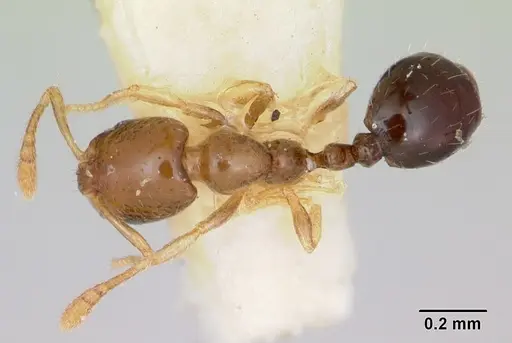
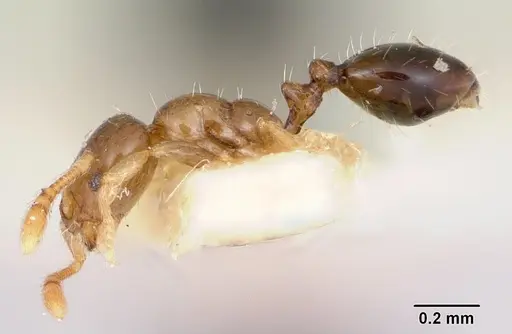
CASENT0172942
View on AntWeb
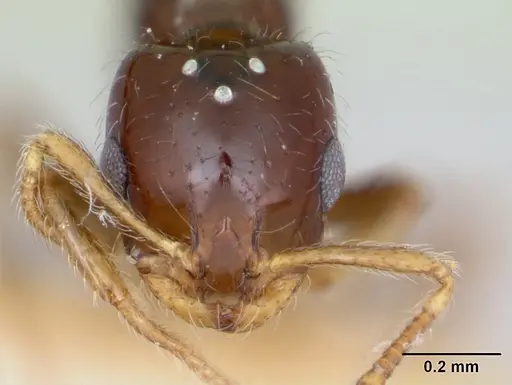
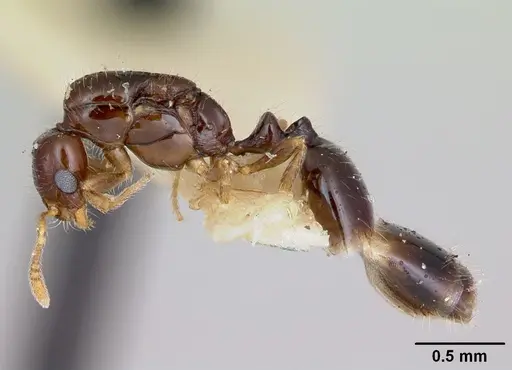
CASENT0908689
View on AntWeb
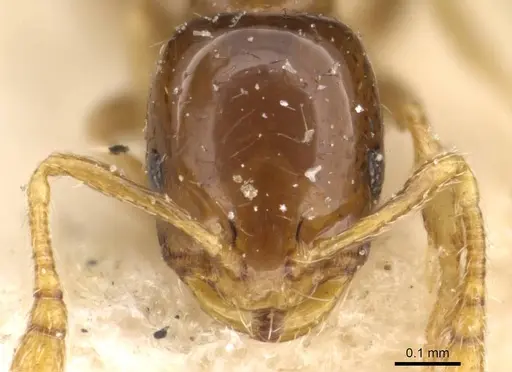
Literature
Loading...Loading products...