

Monomorium angustinode
- Scientific Name
- Monomorium angustinode
- Tribe
- Solenopsidini
- Subfamily
- Myrmicinae
- Author
- Forel, 1913
- Distribution
- Found in 1 countries
Monomorium angustinode Overview
Monomorium angustinode is an ant species of the genus Monomorium. It is primarily documented in 1 countries , including Cameroon. Detailed taxonomic data and occurrence records can be further explored via authoritative databases such as AntWeb or the Global Biodiversity Information Facility (GBIF).
Monomorium angustinode
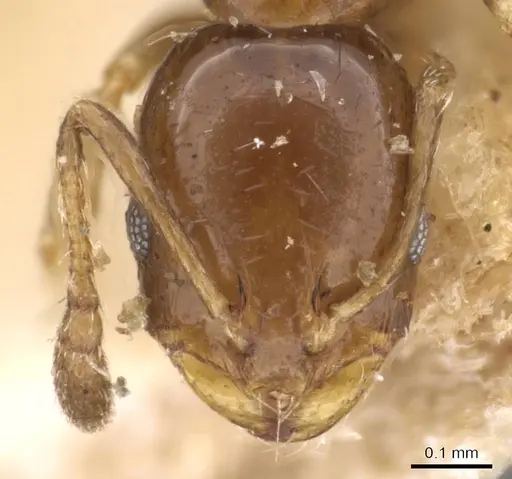
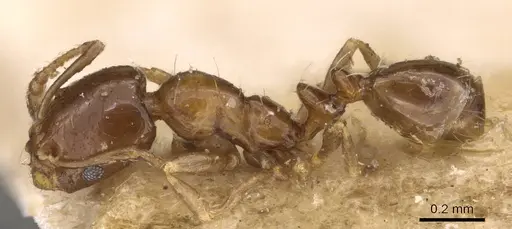
Monomorium angustinode is a tiny ant species native to Central Africa, found in the Democratic Republic of Congo and Gabon. Workers measure just 1.9-2.0mm, making them one of the smaller ant species you'll encounter. They belong to the Monomorium monomorium species group and are identified by their distinctive propodeum shape and spiracle structure. Their body is a light brownish yellow, with the head and gaster tending to be slightly darker than the alitrunk. This species remains poorly studied in the scientific literature, with essentially no published biology or ecology data available. [1]
Quick Summary
- Difficulty: Unknown
- Origin & Habitat: Democratic Republic of Congo and Gabon in Central Africa. The species has been collected in the Pongara National Park in Gabon, suggesting it inhabits tropical forest environments. [2][3]
- Colony Type: Unknown, colony structure (single queen vs multiple queens) has not been documented for this species. [1]
- Size & Growth:
- Queen: Unknown, queen size has not been described in available literature
- Worker: 1.9-2.0mm [1]
- Colony: Unknown, no colony size data available
- Growth: Unknown
- Development: Unconfirmed, no development data exists for this species. Based on typical Monomorium patterns from related species, expect 4-8 weeks at tropical temperatures. (This is an estimate based on genus-level data since no species-specific research exists.)
- Antkeeping:
- Temperature: Keep at 24-28°C, this matches typical tropical forest conditions where the species has been found in Gabon. A slight gradient allows workers to regulate their temperature.
- Humidity: Aim for 70-80% humidity, mimicking the humid tropical forest floor environment where they naturally occur. Keep the nest substrate consistently moist but not waterlogged.
- Diapause: No, as a tropical African species, they do not require hibernation. Maintain consistent temperatures year-round.
- Nesting: No specific natural nesting data exists. Based on related Monomorium species and the Gabon collection location, they likely nest in soil or under stones in humid forest floor microhabitats. A small test tube setup or Y-tong nest with moist substrate works well. The tiny worker size means chambers should be appropriately scaled.
- Behavior: No specific behavioral observations have been documented for this species. As a Monomorium species, they are likely generalist foragers that scavenge for small food items. Their tiny 2mm size means escape prevention is critical, they can squeeze through remarkably small gaps. Handle with care as their small size makes them fragile.
- Common Issues: escape prevention is critical due to their tiny 2mm size, use fine mesh barriers and tight-fitting lids, no published care information exists, you are essentially pioneering husbandry for this species, slow or absent colony growth is possible given the lack of documented captive breeding success, humidity control is important, too dry and colonies may fail, too wet and mold becomes an issue, test tube setups must be properly sized, these tiny ants need appropriately scaled water reservoirs
Housing and Setup
Given the complete lack of specific husbandry data for this species, you'll need to create conditions based on related Monomorium species and the known habitat. A small test tube setup works well for founding colonies, use a test tube with a small water reservoir sealed with a cotton plug. The tiny 2mm worker size means even standard test tube setups may need modification to prevent escapes through the cotton. For established colonies, a small Y-tong nest or acrylic formicarium with appropriately sized chambers works well. The nest should have moist substrate to maintain humidity around 70-80%. A small outworld allows for feeding space. Always use fine mesh for any ventilation, these tiny ants can escape through gaps that would not concern larger species.
Feeding and Diet
No specific dietary studies exist for Monomorium angustinode. Based on typical Monomorium genus behavior, they are likely generalist scavengers that accept small protein sources and sugar. Start with standard ant foods: a small drop of sugar water or honey, and tiny protein items like fruit flies, pinhead crickets, or mealworm pieces. Because of their tiny size, food items should be appropriately scaled, what seems small to you is still large to a 2mm ant. Remove uneaten food after 24-48 hours to prevent mold. Monitor carefully to see what they accept, as this species may have specific dietary needs not yet documented.
Temperature and Seasonal Care
This species comes from tropical Central Africa (Gabon and DRC), so maintain warm, stable temperatures year-round. Aim for 24-28°C during the active season. Avoid temperatures below 20°C as this could stress or kill the colony. No hibernation or diapause is required, these ants have evolved in an environment without cold winters. Room temperature in most homes (20-24°C) may be marginal, consider using a small heating cable or mat on one side of the nest to create a warm zone around 26°C. Monitor colony activity, if workers cluster together and show reduced activity, they may need more warmth.
Challenges and Considerations
The biggest challenge with Monomorium angustinode is the complete lack of documented captive care information. You are essentially pioneering husbandry for this species. This means you may encounter issues no one has documented, and growth rates may be different from related species. Be patient with founding colonies, without specific development data, it's unclear how quickly you can expect the first workers (nanitics). Document your observations carefully so the antkeeping community can learn from your experience. The tiny size also means these ants are fragile and can drown in water droplets easily, be very careful when watering the nest.
Frequently Asked Questions
How long does it take for Monomorium angustinode to raise first workers?
This is unconfirmed, no development data exists for this species. Based on typical Monomorium genus patterns, expect 4-8 weeks from egg to worker at tropical temperatures (around 26°C). This is an estimate only.
What do Monomorium angustinode ants eat?
No specific dietary data exists. Based on related Monomorium species, they likely accept small protein sources (fruit flies, tiny insects) and sugar (honey water, sugar water). Start with these basics and observe what they accept.
Do Monomorium angustinode ants need hibernation?
No, they are a tropical African species from Gabon and the DRC. They do not require hibernation or winter cooling. Keep them warm year-round at 24-28°C.
Are Monomorium angustinode good for beginners?
This is difficult to recommend for beginners precisely because no documented care information exists. If you have experience with other small Myrmicinae species and want to pioneer husbandry for a poorly studied species, this could be an interesting challenge. However, there are many better-documented species available.
How big do Monomorium angustinode colonies get?
Unknown, no colony size data has been published. Related Monomorium species typically reach a few hundred to a few thousand workers. Expect modest colony sizes based on the tiny worker size.
Can I keep multiple queens together?
Unknown, colony structure has not been documented for this species. Do not combine unrelated queens unless you are prepared to separate them if they fight.
What temperature is best for Monomorium angustinode?
Keep them at 24-28°C, mimicking their tropical African habitat. A slight temperature gradient allows the ants to choose their preferred zone. Avoid temperatures below 20°C.
Why are my Monomorium angustinode dying?
Without documented care information, it's hard to diagnose specific issues. Common problems include: escape through tiny gaps, drying out (need humidity 70-80%), temperature stress (too cold), drowning in water droplets, or mold from overwatering. Review all environmental parameters carefully.
When should I move them to a formicarium?
Wait until the colony is established with at least 20-30 workers. The tiny size means even small formicariums should have appropriately scaled chambers and passages. A Y-tong or acrylic nest designed for small species works well.
References

This caresheet is licensed under CC BY-SA 4.0 .
CASENT0902246
View on AntWeb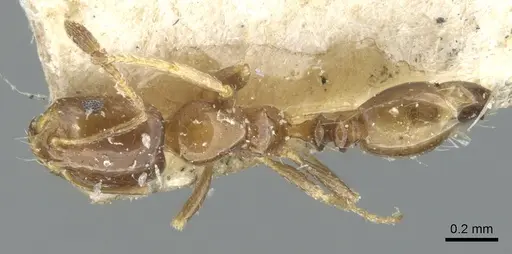
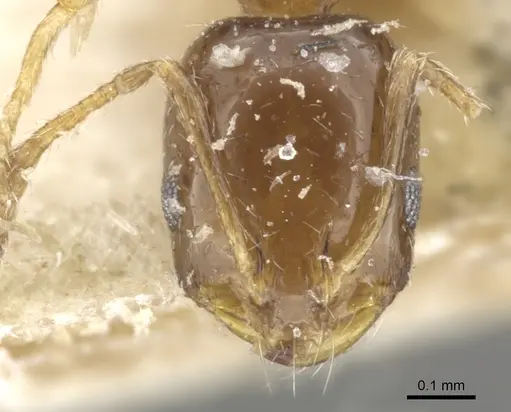
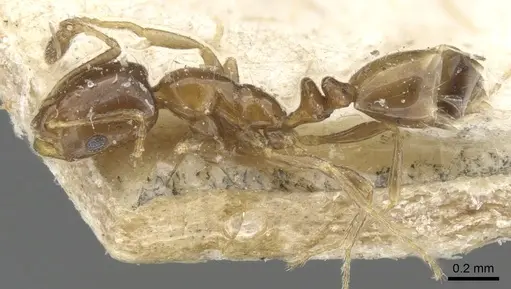
CASENT0908688
View on AntWeb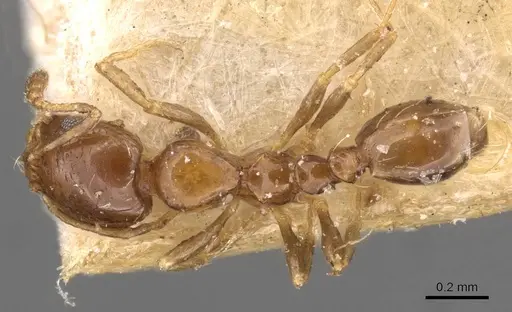
Literature
Loading...Loading products...