

Monomorium altinode
- Scientific Name
- Monomorium altinode
- Tribe
- Solenopsidini
- Subfamily
- Myrmicinae
- Author
- Santschi, 1910
- Distribution
- Found in 1 countries
Monomorium altinode Overview
Monomorium altinode is an ant species of the genus Monomorium. It is primarily documented in 1 countries , including Cameroon. Detailed taxonomic data and occurrence records can be further explored via authoritative databases such as AntWeb or the Global Biodiversity Information Facility (GBIF).
Monomorium altinode
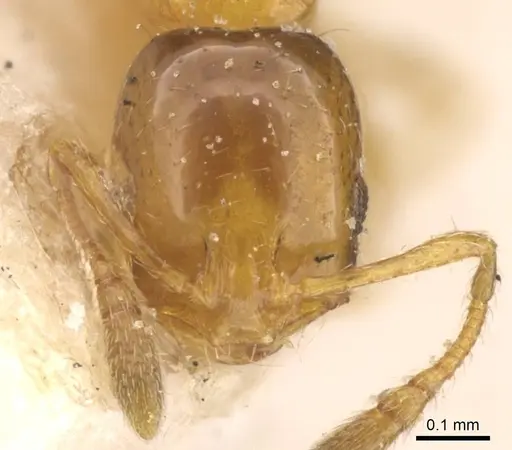
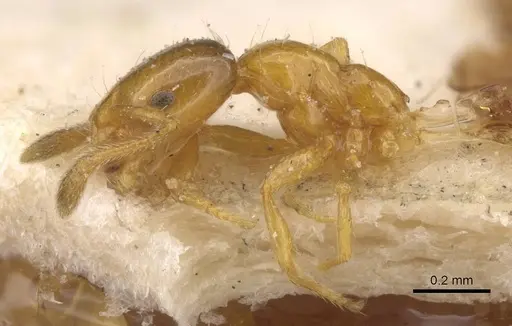
Monomorium altinode is a tiny yellow ant species native to Central Africa, found in the Congo Basin region including the Democratic Republic of Congo, Republic of Congo, and Gabon. Workers measure just 1.7mm in total length, making them one of the smaller ant species kept in captivity. This species belongs to the Monomorium monomorium species group and is closely related to several other African Monomorium species that share similar morphology. The workers have a distinctly convex promesonotal outline and carry five pairs of hairs on the promesonotum. One notable observation is that specimens have been collected from termite mounds, suggesting they may have a ecological relationship with termites in their natural habitat.
Quick Summary
- Difficulty: Medium
- Origin & Habitat: Central African forest zone, found in Congo, Democratic Republic of Congo, and Gabon. One specimen collected from a termite mound, suggesting association with termite structures [1].
- Colony Type: Colony structure is unconfirmed. Based on typical Monomorium patterns, likely single-queen colonies but this has not been directly documented for this species.
- Size & Growth:
- Queen: Undocumented, estimated 4-5mm based on genus patterns for small Monomorium species
- Worker: 1.7mm total length (TL) [1]
- Colony: Likely small colonies, typical for small Monomorium species, possibly 100-500 workers at maturity based on genus patterns
- Growth: Unknown, likely moderate based on small body size
- Development: Estimated 6-8 weeks at optimal temperature based on related Monomorium species (No direct development data exists for this species. Estimates based on genus-level patterns for small tropical ants.)
- Antkeeping:
- Temperature: Keep at 24-28°C. Being from Central Africa, they prefer warm conditions. A heating cable on one side of the nest creates a suitable gradient.
- Humidity: Moderate to high humidity. The Congo Basin is a humid environment, aim for 60-80% relative humidity. Keep the nest substrate consistently moist but not waterlogged.
- Diapause: Unlikely, being a tropical species from Central Africa, they probably do not require a hibernation period. However, slight seasonal slowdowns may occur during cooler months.
- Nesting: Given the association with termite mounds in the wild, a naturalistic setup with soil or a Y-tong/plaster nest works well. Small chambers suit their tiny size. Avoid dry, arid setups.
- Behavior: Temperament is likely similar to other small Monomorium, generally peaceful but may be defensive if threatened. They are tiny so escape prevention is critical, use fine mesh barriers. Foraging style is typical for small myrmicines, they likely scavenge and collect honeydew. Their small size means they can easily slip through standard test tube setups without proper barriers.
- Common Issues: tiny size means escapes are likely without fine mesh barriers, these ants can squeeze through the smallest gaps, limited data means care is based on genus patterns rather than species-specific research, small colony size makes them vulnerable to stress and disturbance, humidity control is important, too dry and they desiccate, too wet and mold becomes an issue, limited availability in the antkeeping hobby, wild-caught colonies may have parasites
Nest Preferences and Housing
Monomorium altinode is a tiny ant species that requires appropriately scaled housing. In the wild, one specimen has been recorded from a termite mound, suggesting they may nest in association with termite structures or in similar humid, protected environments. For captivity, a Y-tong (AAC) nest or plaster nest with small chambers works well. Test tube setups can work but require excellent escape prevention due to their minute size. The nest should maintain moderate to high humidity, these are forest floor ants from a humid tropical region. Provide a moisture reservoir or regular misting to maintain appropriate conditions. The outworld should be simple and easy to clean, with small prey items easily accessible to these tiny foragers. [1]
Feeding and Diet
Like other Monomorium species, these ants are likely omnivorous scavengers that collect honeydew from aphids and small insects. Feed them small protein sources such as fruit flies, pinhead crickets, or small mealworms. Due to their tiny size, prey items should be appropriately sized, springtails or small fruit flies work well. They will likely accept sugar sources such as honey water or sugar water, though the small size may limit acceptance. Offer protein twice weekly and sugar water constantly. Remove uneaten prey after 24-48 hours to prevent mold issues in the humid setup they require.
Temperature and Seasonal Care
Being from Central Africa (Congo, DRC, Gabon), Monomorium altinode prefers warm conditions. Keep the nest area at 24-28°C for optimal colony development and activity. A heating cable placed on one side of the nest creates a temperature gradient allowing the ants to self-regulate. Room temperature may be sufficient if your home stays in the low-to-mid 20s°C range. As a tropical species, they likely do not require a diapause period. However, slight reductions in activity during cooler months may occur naturally. Avoid temperatures below 20°C for extended periods as this could stress the colony. [1]
Behavior and Temperament
Monomorium altinode workers are tiny at just 1.7mm total length. They likely exhibit typical Monomorium behavior, generally peaceful but capable of defensive biting if their nest is threatened. Their small size makes them excellent escape artists, so escape prevention must be excellent. Use fine mesh (at least 0.5mm or smaller) on any ventilation holes, and ensure all connections are sealed. Workers are likely active foragers that search for small prey and honeydew. The colony will probably remain relatively small compared to larger ant species, which is typical for tiny Monomorium. Handle with care during any nest transfers as their small size makes them fragile. [1]
Colony Establishment
If you obtain a founding queen, she is likely claustral, she will seal herself in a small chamber and survive on stored body fat until her first workers emerge. Provide a small test tube setup with a water reservoir and keep it undisturbed in a warm, humid location. The first workers (nanitics) will be very tiny. Do not feed the founding queen until the first workers emerge, as she will not leave the nest to forage. Once workers are active, you can begin offering small food items. Growth will likely be moderate, small Monomorium species typically reach maturity within 1-2 years under good conditions.
Frequently Asked Questions
How long does it take for Monomorium altinode to produce first workers?
The exact timeline is unknown for this species, but based on related Monomorium species, expect 6-8 weeks from egg to first worker at optimal temperature (24-28°C). The founding queen will remain sealed in her chamber until her first workers emerge.
What do Monomorium altinode ants eat?
They likely accept small protein sources like fruit flies, springtails, or tiny insects. They probably also accept sugar water or honey. Due to their tiny size, prey items must be appropriately small. Offer protein twice weekly and sugar water constantly.
Are Monomorium altinode ants good for beginners?
This species is rated as Medium difficulty. While not the most challenging species, the limited available care information and their tiny size make them better suited for keepers with some experience. Their small size requires excellent escape prevention and careful attention to humidity.
How big do Monomorium altinode colonies get?
Colony size is not documented, but based on typical small Monomorium species, colonies likely reach 100-500 workers at maturity. They are not large colony formers.
Do Monomorium altinode ants need hibernation?
Unlikely, being from tropical Central Africa, they probably do not require a diapause period. They may show slightly reduced activity during cooler months but no formal hibernation is needed.
What temperature do Monomorium altinode ants need?
Keep them warm at 24-28°C. Being from the Congo Basin, they prefer tropical warmth. A heating cable on one side of the nest creates a suitable gradient.
Can I keep multiple queens together?
The colony structure is unconfirmed for this species. Combining unrelated queens has not been documented and is not recommended. Most Monomorium species establish single-queen colonies.
Why are my Monomorium altinode ants escaping?
Their tiny 1.7mm size means they can squeeze through the smallest gaps. Use fine mesh (0.5mm or smaller) on all ventilation, seal all connections thoroughly, and check for any gaps in your setup regularly.
When should I move Monomorium altinode to a formicarium?
Wait until the colony reaches at least 20-30 workers before considering a move. These ants do well in test tube setups even at mature sizes due to their small colony sizes. Only move if the test tube is severely moldy or the colony has outgrown the setup.
References

This caresheet is licensed under CC BY-SA 4.0 .
CASENT0913551
View on AntWeb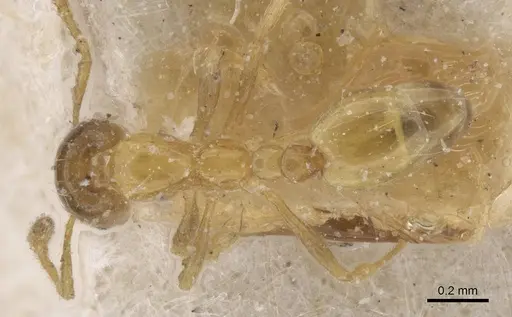
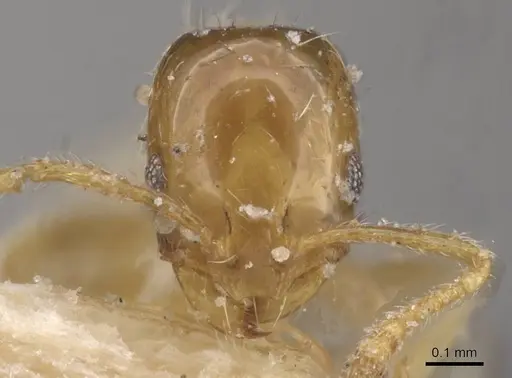
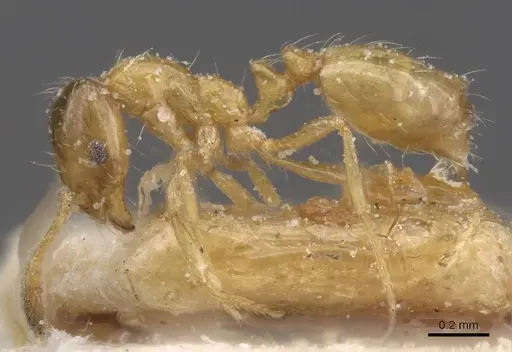
CASENT0913552
View on AntWeb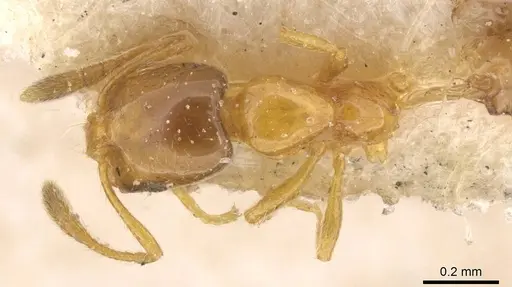
Literature
Loading...Loading products...