

Microdaceton tibialis
- Scientific Name
- Microdaceton tibialis
- Tribe
- Attini
- Subfamily
- Myrmicinae
- Author
- Weber, 1952
- Distribution
- Found in 8 countries
Microdaceton tibialis Overview
Microdaceton tibialis is an ant species of the genus Microdaceton. It is primarily documented in 8 countries , including Congo, Democratic Republic of the, Central African Republic. Detailed taxonomic data and occurrence records can be further explored via authoritative databases such as AntWeb or the Global Biodiversity Information Facility (GBIF).
Microdaceton tibialis
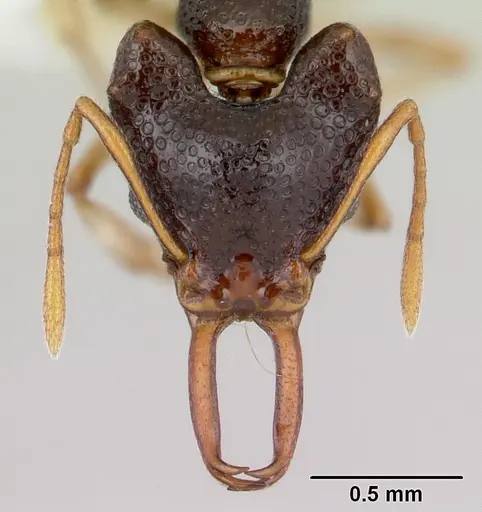
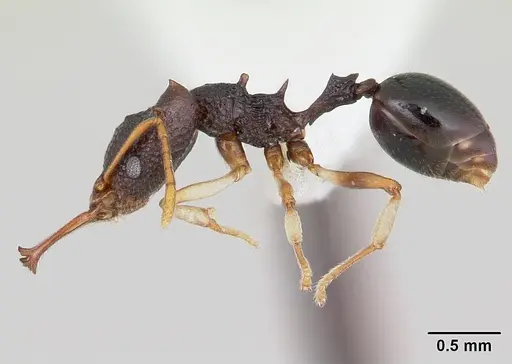
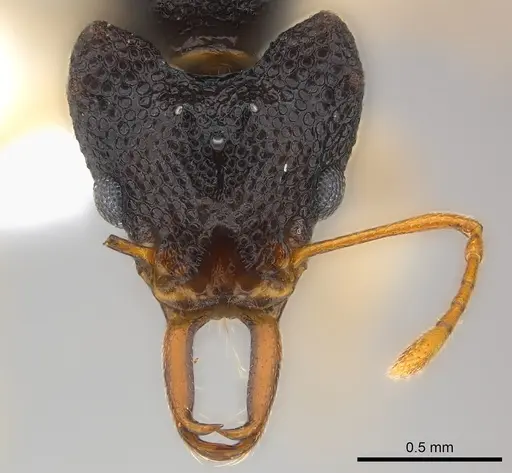
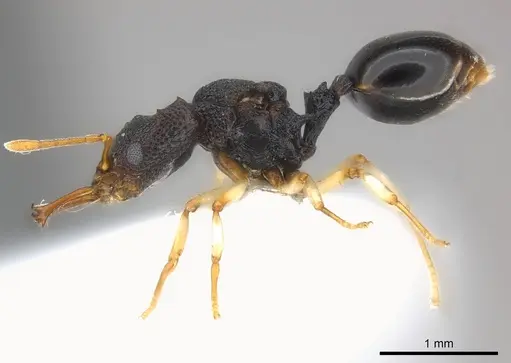
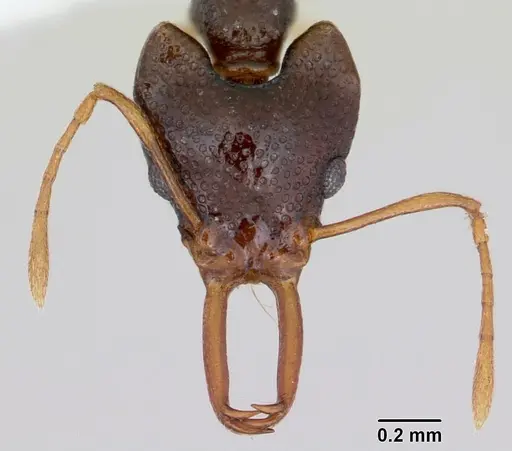
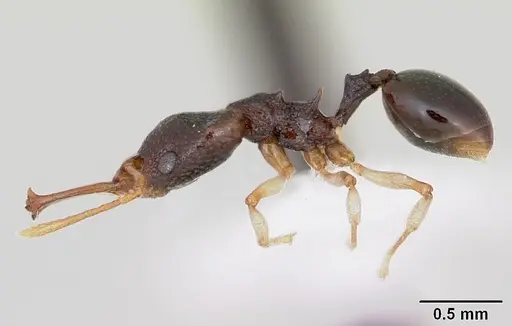
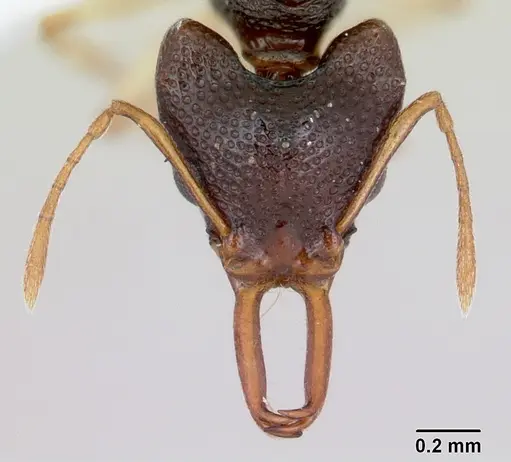
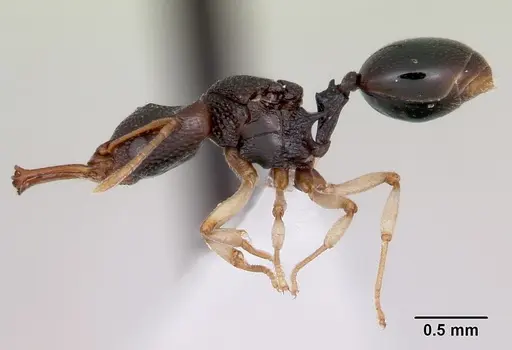
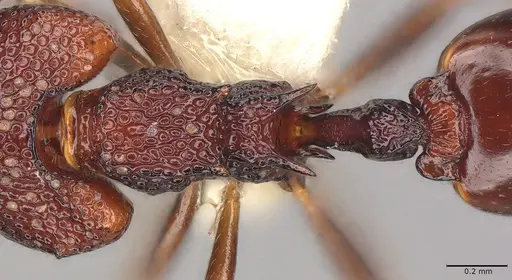
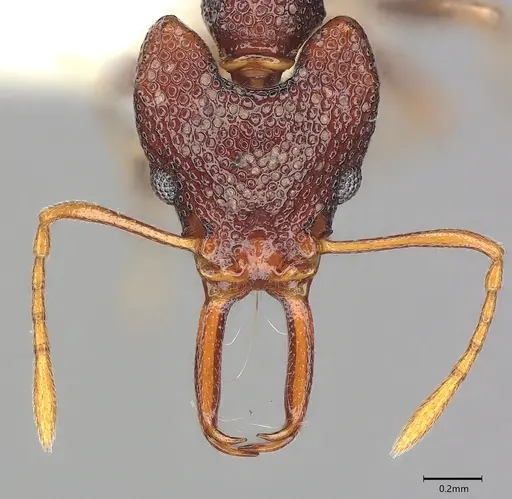
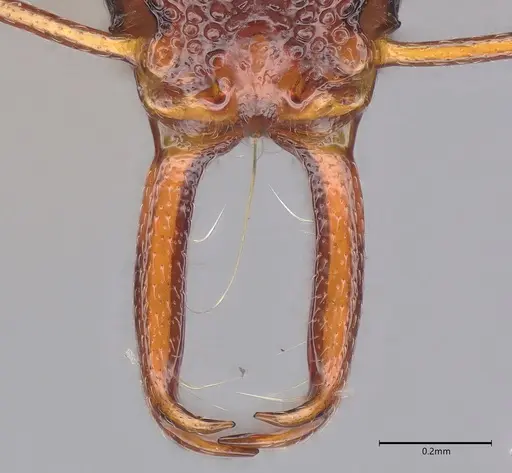
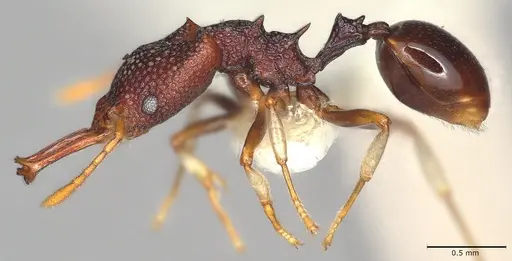
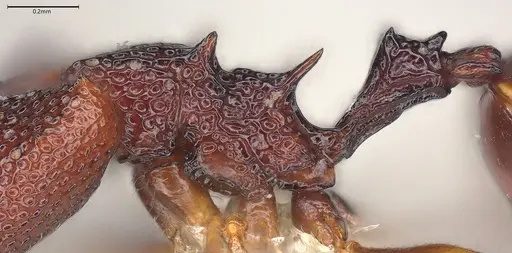
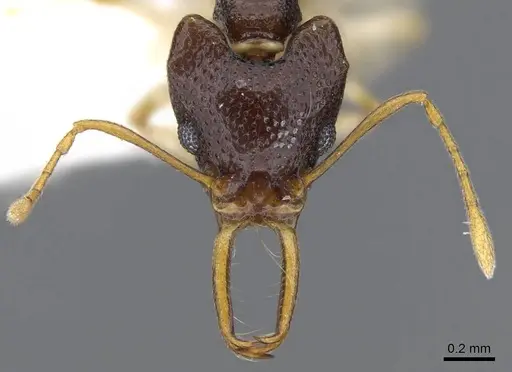
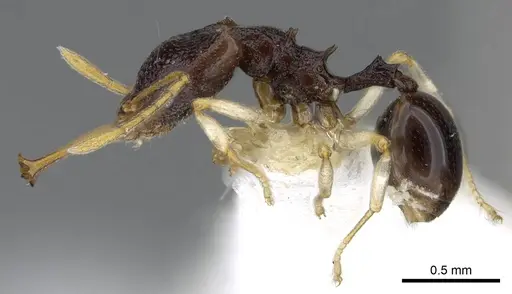
Microdaceton tibialis is a tiny predatory ant native to the rainforests of Central and West Africa. Workers measure just 3.2-4.0mm and are distinctively colored black to blackish brown, making them stand out from the paler dacetine ants like their close relative Microdaceton exornatum. They belong to the tribe Dacetonini (also called Dacetini), a group of small, fast-moving ants known for their specialized mandibles used to capture prey [1][2].
This species is forest-dependent, found primarily in leaf litter and rotting wood in lowland and mid-elevation rainforests across the Afrotropical region, including the Democratic Republic of Congo, Gabon, Ghana, Ivory Coast, Kenya, and Uganda [3][4]. They are rarely encountered and are considered a seldom-collected species, making them an unusual choice for antkeeping.
Quick Summary
- Difficulty: Hard
- Origin & Habitat: Rainforests of Central and West Africa (Democratic Republic of Congo, Gabon, Ghana, Ivory Coast, Kenya, Uganda). Found in leaf litter and rotting wood at elevations from 375m to 900m [1][5][3].
- Colony Type: Colony structure is unconfirmed. Based on related dacetine ants, likely single-queen colonies with relatively small worker populations.
- Size & Growth:
- Queen: Undocumented in available literature, estimated 4-5mm based on worker size and genus patterns
- Worker: 3.2-4.0mm [Bolton 2000]
- Colony: Likely small, under 100 workers based on typical dacetine colony sizes
- Growth: Unknown, likely moderate based on related species patterns
- Development: Estimated 6-8 weeks based on typical Myrmicinae development at tropical temperatures (Direct development data unavailable, estimate based on genus-level patterns of small Myrmicinae ants)
- Antkeeping:
- Temperature: Keep warm at 24-28°C. This is a tropical rainforest species that requires stable warmth [5][1].
- Humidity: High humidity required, aim for 70-85%. Keep the nest substrate consistently moist but not waterlogged, mimicking the damp leaf litter environment they inhabit in nature [3].
- Diapause: Unlikely, as a tropical species, they probably do not require a true diapause. However, they may show reduced activity during cooler periods.
- Nesting: Use a naturalistic setup with moist substrate (soil/peat mix) or a Y-tong/plaster nest with high humidity. They prefer tight, humid chambers typical of leaf-litter nesting ants. Provide access to a foraging area with small live prey.
- Behavior: These are active, predatory ants. Workers are fast-moving and will hunt small arthropods. They are likely nocturnal or crepuscular foragers based on typical dacetine behavior. Their small size (under 4mm) makes them excellent escape artists, use fine mesh and tight-fitting barriers. They are not aggressive toward humans and likely cannot sting effectively due to their tiny size. They probably form small, discreet colonies and may be shy compared to more visible ant species.
- Common Issues: escape prevention is critical due to their very small size, they can squeeze through standard barrier gaps, high humidity requirements can lead to mold if ventilation is poor, small colony size means they are vulnerable to disturbance, handle minimally, prey acceptance may be difficult, they likely require small live arthropods, rarely collected in the wild means captive colonies are extremely uncommon
Natural History and Distribution
Microdaceton tibialis is a rarely encountered ant species found throughout the rainforests of Central and West Africa. The species was originally described from the Democratic Republic of Congo (near Kisangani) and has since been recorded in Gabon, Ghana, Ivory Coast, Kenya, Sudan, and Uganda [6]. They inhabit leaf litter and rotting wood in lowland and mid-elevation forests, typically found at elevations between 375m and 900m [1][5]. This species is considered forest-dependent, meaning it requires intact rainforest habitat and is rarely found in disturbed areas [3]. The workers are entirely black to blackish brown, which distinguishes them from related species like M. exornatum that are yellow [Bolton 2000].
Housing and Nest Setup
This species requires a high-humidity setup that mimics the damp leaf litter environment of African rainforests. A naturalistic terrarium setup with a moist soil/peat substrate works well, keep the substrate damp but not waterlogged. Alternatively, a Y-tong or plaster nest with a water reservoir can provide the humidity they need. The nest chambers should be relatively small and tight, reflecting their tiny size. Provide a separate foraging area where you can offer live prey. Because they are so small (under 4mm), escape prevention must be excellent, use fine mesh on any openings and apply fluon or other barriers to all edges. A small water test tube should always be available in the outworld.
Feeding and Diet
As a member of the dacetine ant tribe, Microdaceton tibialis is likely a specialized predator. In the wild, they probably hunt small arthropods including springtails, mites, and other micro-arthropods found in leaf litter. In captivity, offer small live prey such as flightless fruit flies (Drosophila), pinhead crickets, and most importantly, live springtails. They are unlikely to accept sugar water or honey as their primary food source, protein from live prey is essential. Feed small amounts every 2-3 days and remove uneaten prey after 24 hours to prevent mold. Because they are so small, prey items should be appropriately sized, no larger than their head width.
Temperature and Humidity
As a tropical rainforest species, Microdaceton tibialis requires warm and humid conditions. Maintain temperatures between 24-28°C, use a heating cable or mat on one side of the nest if your room temperature is below this range. Humidity should be kept high at 70-85%. You can achieve this by keeping the nest substrate moist and using a water reservoir. Mist the outworld occasionally but avoid letting water pool in the nest. Good ventilation is important to prevent mold, but avoid excessive airflow that dries out the nest. A hygrometer near the nest helps monitor conditions. [1][5]
Colony Behavior and Dynamics
Based on related dacetine ants, this species likely forms small colonies with a single queen. Workers are fast-moving and actively hunt for prey rather than scavenging. They are probably nocturnal or crepuscular, avoiding the heat of midday in their natural rainforest habitat. Colonies are likely discreet and may not produce major foraging trails visible to keepers. The small colony size (likely under 100 workers) means the colony will be sensitive to disturbance, minimize handling and avoid frequent nest inspections. Workers probably have a lifespan of several months, with the queen living much longer.
Frequently Asked Questions
How long does it take for Microdaceton tibialis to produce first workers?
Direct data is unavailable, but based on typical Myrmicinae development at tropical temperatures (24-28°C), expect first workers in approximately 6-8 weeks after the queen lays eggs. The first workers (nanitics) will be smaller than mature workers.
What do Microdaceton tibialis ants eat?
They are predatory ants that likely hunt small arthropods. In captivity, offer live springtails, flightless fruit flies, and other tiny live prey. They probably do not accept sugar sources as a primary food, protein from live insects is essential.
Can I keep multiple queens together?
This has not been documented for this species. Based on typical dacetine behavior, single-queen colonies are most likely. Do not attempt to combine unrelated queens.
What temperature do they need?
Keep them warm at 24-28°C. This is a tropical rainforest species that requires stable warmth year-round.
How big do colonies get?
Based on typical dacetine patterns, colonies likely remain small, probably under 100 workers even at maturity. They are not a fast-growing species.
Are Microdaceton tibialis good for beginners?
No. This is an advanced species due to their small size (requiring excellent escape prevention), high humidity needs, specialized predatory diet requiring live prey, and rarity in the antkeeping hobby.
Do they need hibernation?
No. As a tropical species from Africa's rainforests, they do not require a diapause period. Simply maintain warm temperatures year-round.
Why are my ants dying?
Common causes include: low humidity (they need 70-85%), improper prey (they need live small arthropods, not dead insects or sugar), escape through tiny gaps, and temperature too low (below 24°C). Also ensure they are not being disturbed frequently.
When should I move them to a formicarium?
Wait until the colony has at least 20-30 workers before moving. Use a small formicarium or naturalistic setup with high humidity. Test tube setups are not ideal long-term due to their humidity requirements.
References

This caresheet is licensed under CC BY-SA 4.0 .
CASENT0005916
View on AntWeb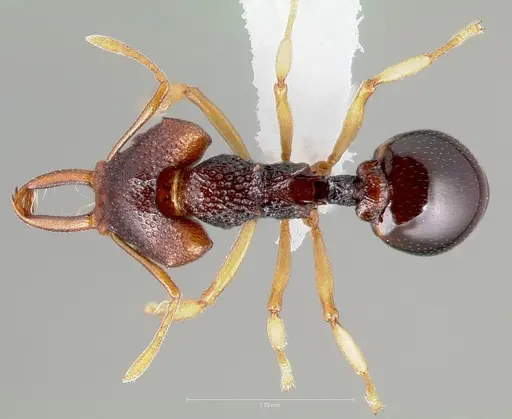
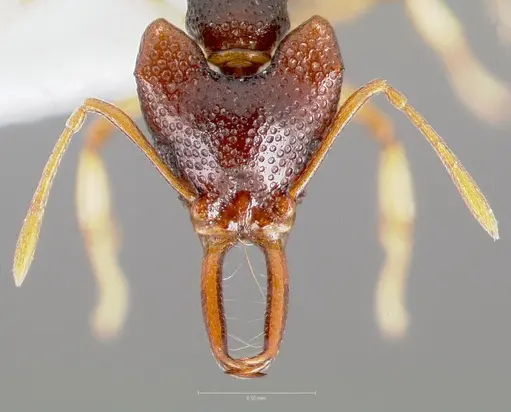
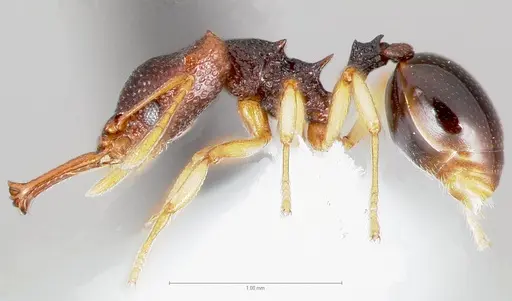
CASENT0178295
View on AntWeb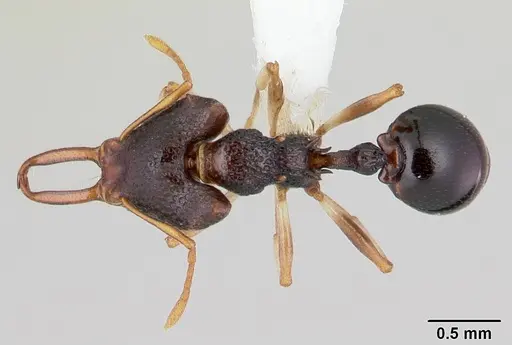
CASENT0217182
View on AntWeb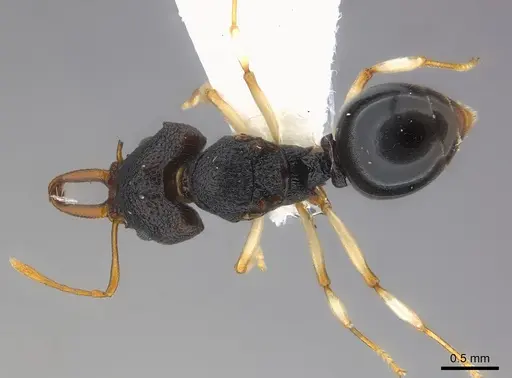
CASENT0402199
View on AntWeb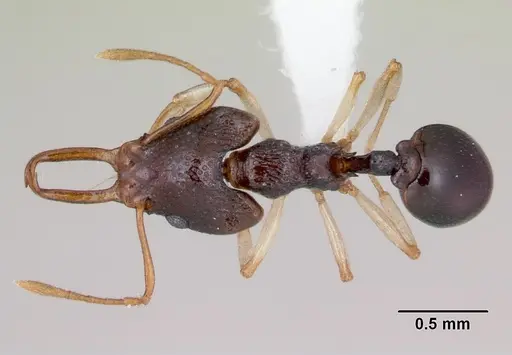
CASENT0402200
View on AntWeb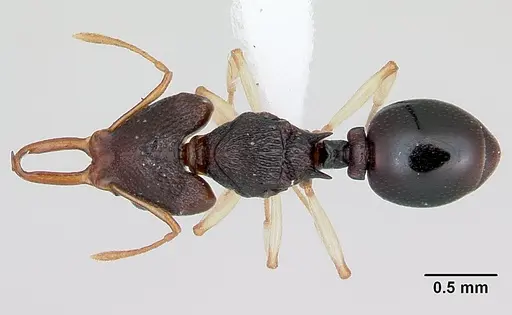
CASENT0810789
View on AntWeb
CASENT0914668
View on AntWeb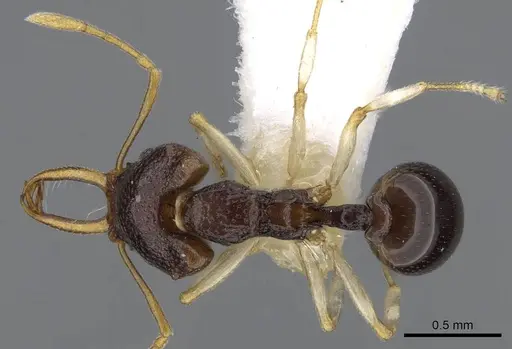
Literature
Loading...Loading products...