

Microdaceton exornatum
- Scientific Name
- Microdaceton exornatum
- Tribe
- Attini
- Subfamily
- Myrmicinae
- Author
- Santschi, 1913
- Distribution
- Found in 4 countries
Microdaceton exornatum Overview
Microdaceton exornatum is an ant species of the genus Microdaceton. It is primarily documented in 4 countries , including Malawi, Mozambique, Tanzania. Detailed taxonomic data and occurrence records can be further explored via authoritative databases such as AntWeb or the Global Biodiversity Information Facility (GBIF).
Microdaceton exornatum - "Trap-Jaw Ant (a type of Dacetine Ant)"
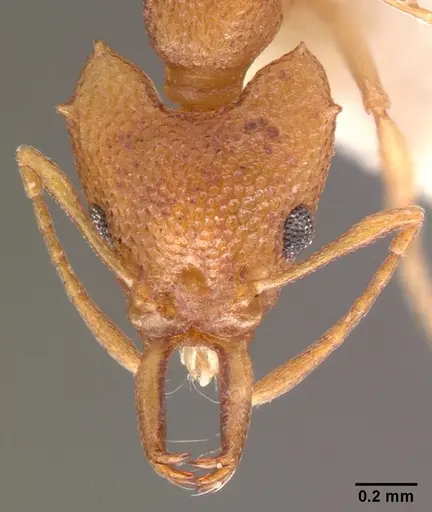
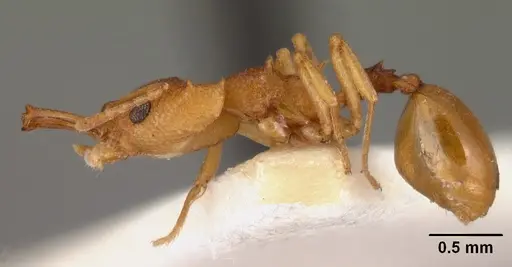
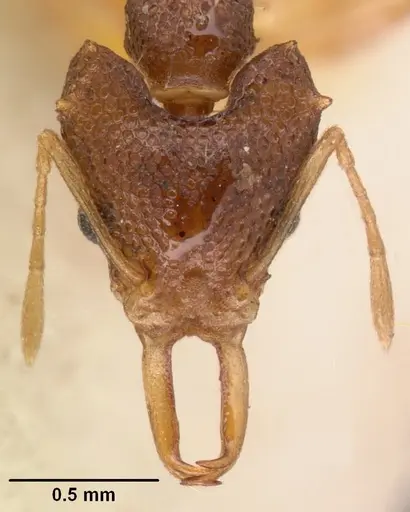
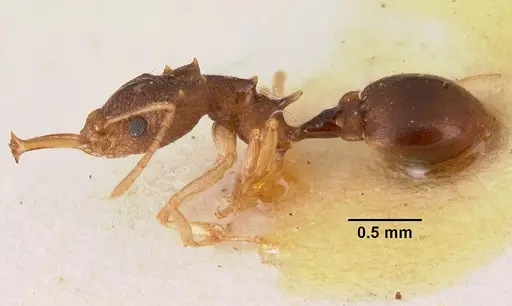
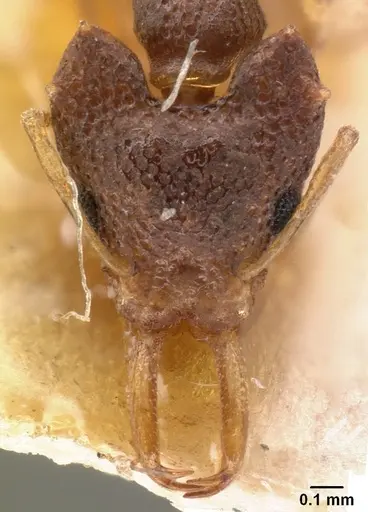
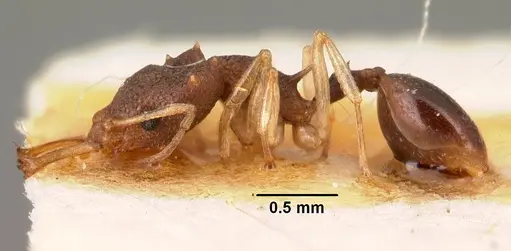
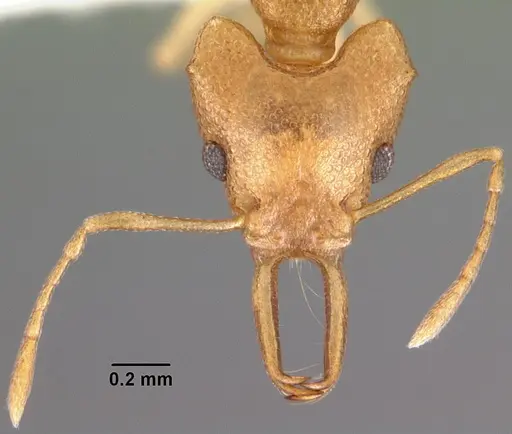
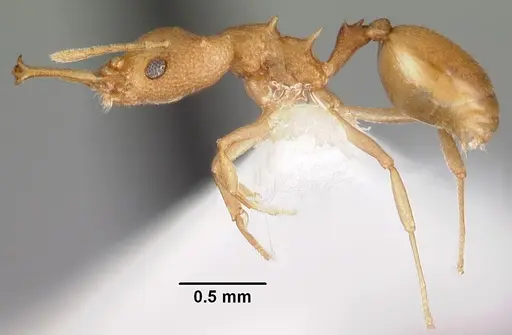
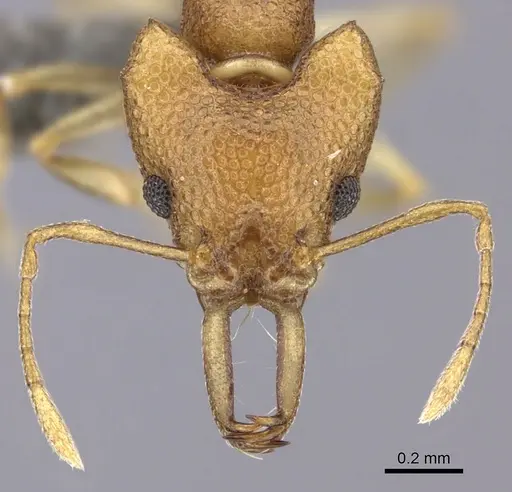
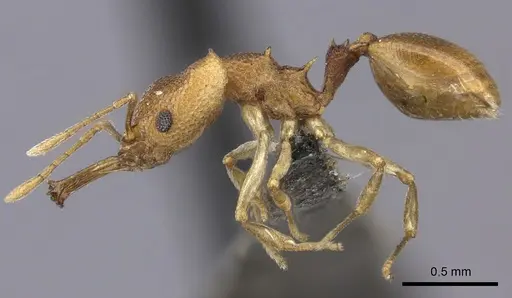
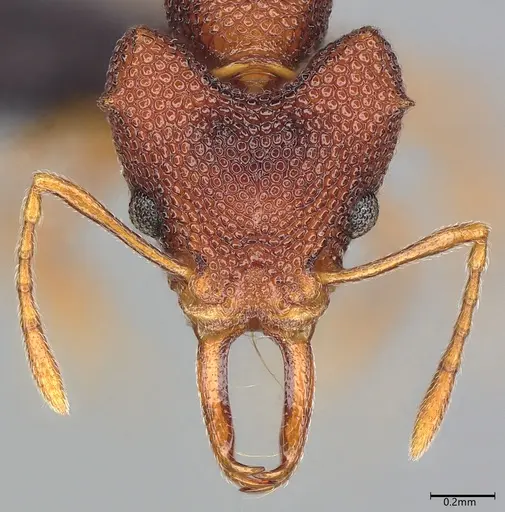
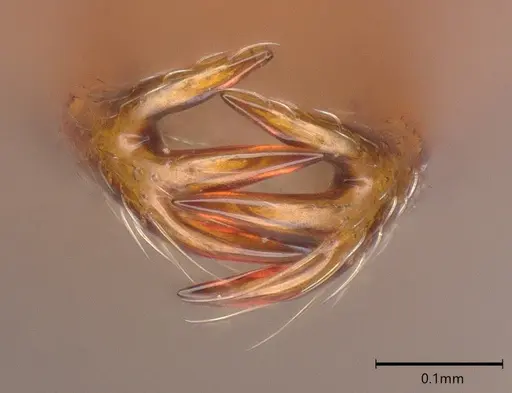
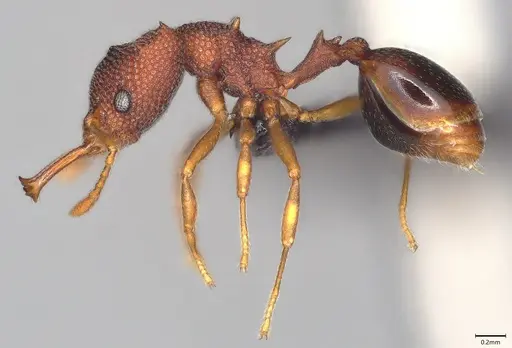
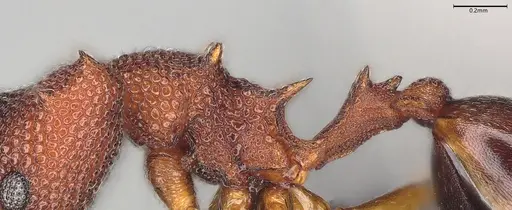
Microdaceton exornatum is a fascinating species of small, yellow trap-jaw ant belonging to the Myrmicinae subfamily. These ants are notable for their distinct mandibles, which are elongated and linear, ending in a fork of three long, spiny teeth that interlock when closed. Their bodies are typically yellow, with paler appendages. Workers measure around 3.0-4.0 mm in length. They also have conspicuous eyes and distinctive occipital lobes with tubercles. Unlike many ants, they lack standing hairs on their petiole, postpetiole, and first gastral tergite, having only minute, appressed pubescence. They are part of a small genus of four known species, all restricted to the Afrotropical region.
- Difficulty: Medium
- Origin & Habitat: Afrotropical region (Eastern and Southern Africa, including South Africa, Kenya, and Tanzania). in Hypogaeic (nesting underground) or in leaf litter environments within forests and savannas..
- Colony Type: Monogyne, claustral founding.
- Size & Growth:
- Queen: Not specified
- Worker: 3.0-4.0mm
- Colony: Small (hundreds). Slow growth.
- Antkeeping:
- Temperature: Maintain a temperature range of 24-28°C (75-82°F) for optimal development, mimicking their natural tropical and subtropical environment. Consistent temperatures are key for brood growth..
- Humidity: High humidity, around 70-90%, is crucial for this species, as they are typically found in moist leaf litter or subterranean nests. Ensure a good humidity gradient within the nest..
- Diapause: Not required. Not specified at Not specified.
- Nesting: Given their natural preference for leaf litter and subterranean nesting, suitable artificial nests include acrylic or Ytong formicaria with good moisture retention, or naturalistic setups with a deep substrate layer. Cork or natural wood inserts can also be beneficial..
- Behavior: Low (towards handler, but highly predatory towards prey) aggressiveness.
- Common Issues: Humidity fluctuations, Lack of suitable prey, Escape artists (due to small size), Mold in nest (due to high humidity requirements).
One of the most striking features of Microdaceton exornatum is their unique trap-jaw mandibles. These are not merely for show; they are kinetic, meaning they can snap shut rapidly, typical of predatory Dacetine ants. While their exact diet in captivity isn't extensively documented, other trap-jaw ants often specialize in small arthropods like springtails. Therefore, providing a variety of small live feeder insects is likely essential for their well-being and to observe their fascinating hunting behaviors. This specialized feeding mechanism makes them a captivating species to observe for any dedicated ant keeper.
Despite being considered 'fairly common' in their natural range, little is widely known about the specific biology of Microdaceton exornatum. This means that keeping them might involve a bit of experimentation and keen observation to dial in the perfect conditions. It's an opportunity for experienced ant keepers to contribute to our understanding of these enigmatic ants. Documenting your observations on their foraging habits, colony growth, and preferred environmental parameters would be incredibly valuable to the antkeeping community.
As these ants are small and likely nest in leaf litter or underground, creating a formicarium that mimics these conditions is vital. A naturalistic setup with a generous layer of moist substrate, such as a mix of sand and loam, would likely be well-received. Ensuring proper ventilation while maintaining high humidity can be a delicate balance, so consider nests with dedicated hydration systems. Their small size also means they might be escape artists, so secure enclosures are a must to prevent your precious colony from disappearing into your home.
Unlike many ant species, Microdaceton exornatum workers are noted for lacking standing hairs on certain body parts, instead having minute, appressed pubescence. This subtle physical characteristic sets them apart and can be a point of interest for macro photography enthusiasts. Observing these finer details under magnification can offer a deeper appreciation for the unique morphology of this species. Paying attention to these small distinctions can help in identifying and understanding your colony better.
Frequently Asked Questions
What kind of enclosure is best for Microdaceton exornatum?
For Microdaceton exornatum, a formicarium that replicates their natural leaf litter or subterranean nesting environment is ideal. Think acrylic or Ytong nests with excellent moisture retention. A naturalistic setup featuring a deep, moist substrate mix of sand and loam would also be a fantastic choice. The key is to provide a good humidity gradient and secure the setup, as these tiny ants can be quite adept at escaping.
What do Microdaceton exornatum eat?
While specific dietary details for Microdaceton exornatum in captivity are sparse, their trap-jaw mandibles strongly suggest they are predatory. Focus on offering a variety of tiny live feeder insects, such as small springtails, fruit flies, or other minute arthropods. Supplement with a small amount of sugar water or honey solution to provide carbohydrates.
Are Microdaceton exornatum difficult to keep?
Microdaceton exornatum is rated as 'Medium' difficulty. This isn't because they're inherently fragile, but rather due to the limited information available on their specific care requirements. You'll need to be observant and willing to fine-tune conditions like humidity and diet. They’re a great choice for keepers looking for a rewarding challenge and to contribute to the antkeeping knowledge base.
Do Microdaceton exornatum sting?
No, Microdaceton exornatum are not known to sting. Their primary defense and hunting mechanism relies on their specialized trap-jaw mandibles, which are used to snap at prey rather than for stinging.
What is the typical colony size for Microdaceton exornatum?
Microdaceton exornatum colonies are generally considered small, likely reaching up to hundreds of individuals. They won't form massive supercolonies, making them a more manageable species for many ant keepers interested in observing unique ant behaviors.
How fast do Microdaceton exornatum colonies grow?
Colony growth for Microdaceton exornatum is typically slow. Patience is key when keeping these ants, as their colony will expand gradually. Consistent care and proper feeding will help ensure steady, albeit slow, development of the brood and increase in worker numbers.
Do Microdaceton exornatum need diapause?
No, Microdaceton exornatum do not require diapause. They originate from tropical and subtropical regions of Africa, where temperatures are consistently warm year-round, so a cooling period is not necessary for their life cycle.
How big do Microdaceton exornatum workers get?
Microdaceton exornatum workers are quite small, typically measuring between 3.0 and 4.0 mm in length. This diminutive size contributes to their ability to navigate and thrive within leaf litter environments.
What is unique about Microdaceton exornatum?
The most unique feature of Microdaceton exornatum is undoubtedly their trap-jaw mandibles. These highly specialized mouthparts can snap shut at incredible speeds, used for catching fast-moving prey. Additionally, their yellow coloration and the lack of standing hairs on certain body segments make them visually distinct among ant species.
Where can I find Microdaceton exornatum for sale?
Finding Microdaceton exornatum for sale can be challenging due to their specialized care and less common presence in the antkeeping hobby. You might have to search dedicated exotic ant retailers or look for private breeders. Availability can vary, so keeping an eye on antkeeping forums or specialized shops is your best bet.

This caresheet is licensed under CC BY-SA 4.0 .
CASENT0101453
View on AntWeb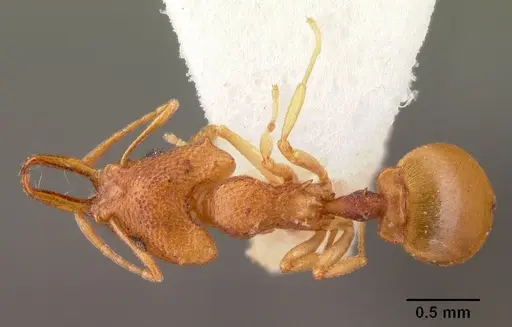
CASENT0101457
View on AntWeb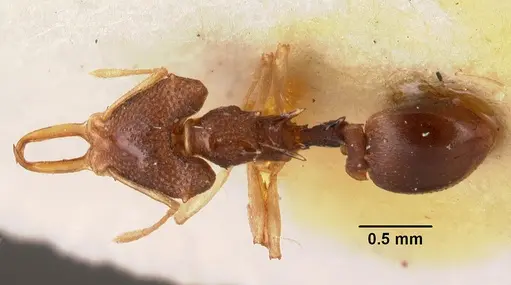
CASENT0101459
View on AntWeb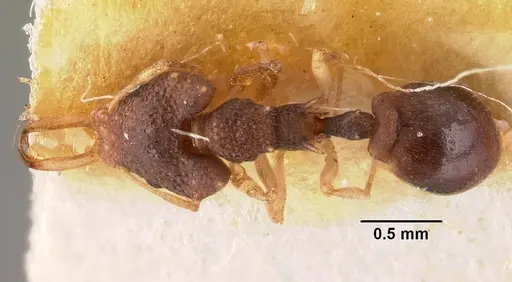
CASENT0102250
View on AntWeb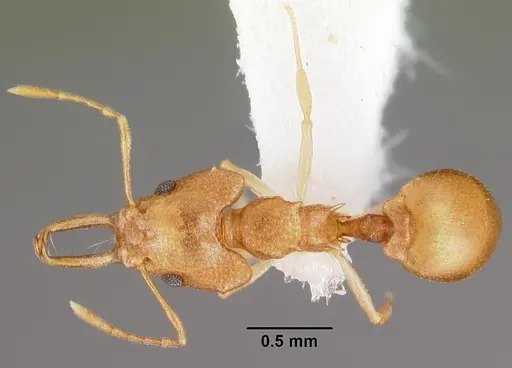
CASENT0235521
View on AntWeb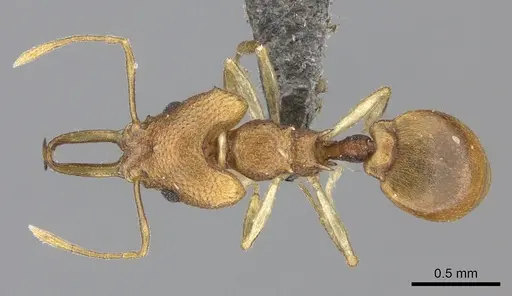
CASENT0395869
View on AntWeb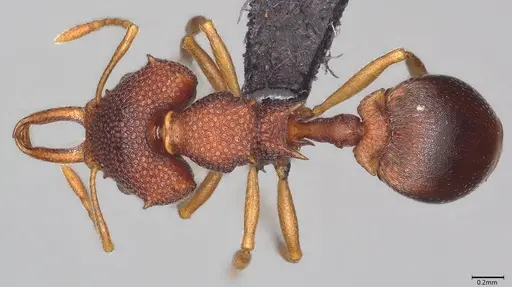
CASENT0781343
View on AntWeb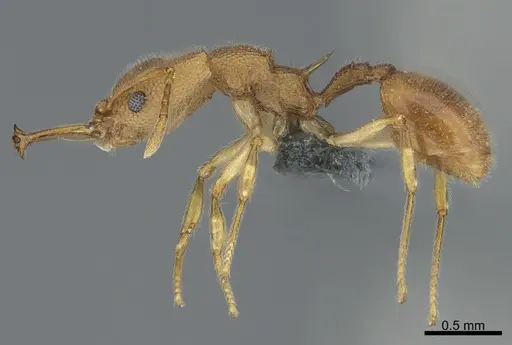
Literature
Loading...Loading products...