

Messor tropicorum
- Scientific Name
- Messor tropicorum
- Tribe
- Stenammini
- Subfamily
- Myrmicinae
- Author
- Wheeler, 1922
- Distribution
- Found in 1 countries
Messor tropicorum Overview
Messor tropicorum is an ant species of the genus Messor. It is primarily documented in 1 countries , including Namibia. Detailed taxonomic data and occurrence records can be further explored via authoritative databases such as AntWeb or the Global Biodiversity Information Facility (GBIF).
Messor tropicorum
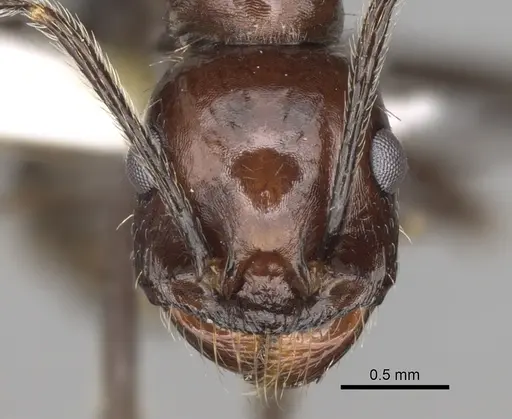
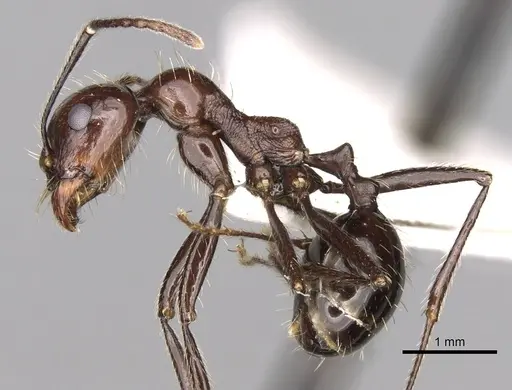
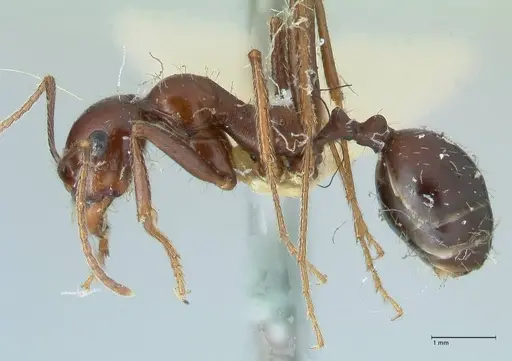
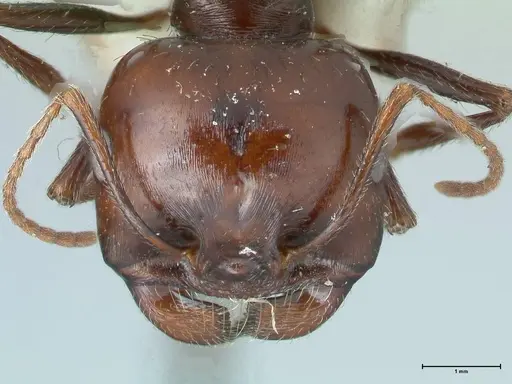
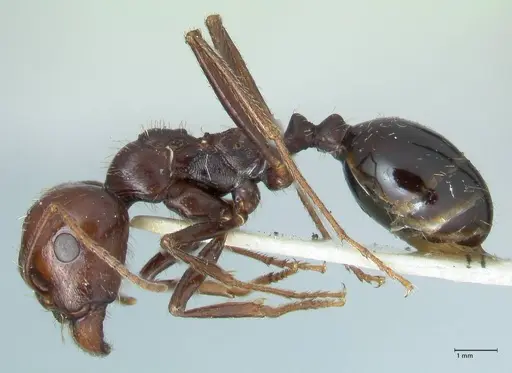
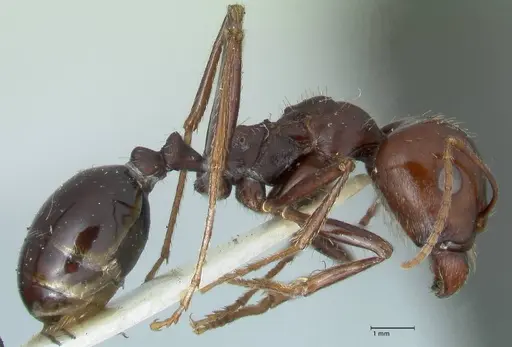
Messor tropicorum is a medium to large harvester ant native to the Afrotropical region, specifically found in Angola and Namibia. Workers measure 3.0-3.8mm in head width and feature a distinctive raised welt or tumulus on the clypeus (the area just above the mouth), a key identification feature that becomes less pronounced in smaller workers. Their head and alitrunk are reddish brown while the gaster (abdomen) is darker. These ants have conspicuous standing hairs covering their head and body. As a Messor species, they are seed-harvesting ants that collect and process seeds as their primary food source. The species was originally described in 1922 and was later elevated from synonymy with Messor capensis, with two former subspecies (laevifrons and nigriventris) now recognized as the same species[1].
Quick Summary
- Difficulty: Medium
- Origin & Habitat: Native to the Afrotropical region, specifically Angola and Namibia. They inhabit dry to semi-arid habitats typical of southwestern Africa [2][1].
- Colony Type: Unknown, only worker caste has been described in scientific literature. No queens or reproductive castes have been documented, making colony structure unconfirmed. Based on typical Messor genus patterns, likely single-queen (monogyne) colonies.
- Size & Growth:
- Queen: Undescribed, no queen measurements exist in the scientific literature
- Worker: 3.0-3.8mm head width (HW 3.00-3.84mm)
- Colony: Unknown, no colony size data available
- Growth: Estimated moderate based on related Messor species
- Development: Estimated 6-10 weeks at optimal temperature based on genus-level data from related Messor species (Direct development data for this species does not exist. Estimates based on typical Messor genus patterns.)
- Antkeeping:
- Temperature: As a tropical African species from Angola and Namibia, keep them warm at 24-28°C. Provide a temperature gradient allowing workers to self-regulate. Room temperature in the low-to-mid 20s°C is likely suitable [2].
- Humidity: Prefer dry to moderate conditions. Messor species typically inhabit arid to semi-arid regions. Keep nest substrate relatively dry with occasional moisture zones. Avoid overly damp conditions that can cause mold.
- Diapause: Unknown for this specific species. Tropical African ants may not require true hibernation, but may show reduced activity during cooler periods. Monitor colony behavior and reduce feeding if activity decreases.
- Nesting: In nature, Messor species typically nest in soil, often creating underground chambers. In captivity, standard formicariums with soil or sand substrates work well. Provide a dry nesting area with access to a humid foraging area. Test tubes with cotton barriers can work for founding colonies.
- Behavior: Typical harvester ant behavior, workers actively forage for seeds and store them in the nest. They are generally non-aggressive toward keepers but will defend their nest and food stores. Workers are medium-sized and capable of biting, though they are not particularly aggressive. Escape risk is moderate, standard barrier methods like Fluon or talc barriers should prevent escapes. Larger workers can grip surfaces well, so ensure lid security.
- Common Issues: No queen data exists, wild-caught colonies may not have queens or may be difficult to establish, Seed-harvesting behavior requires proper seed storage management to prevent mold in the nest, Limited scientific data means care recommendations are largely inferred from genus patterns, Dry habitat requirements can conflict with maintaining hydration for the colony, Colony founding may be difficult without documented queen behavior
Identification and Appearance
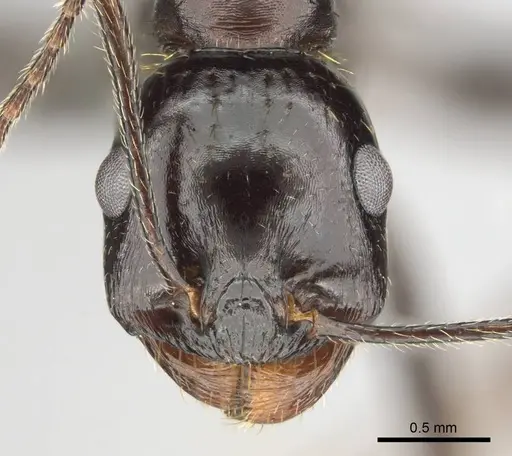
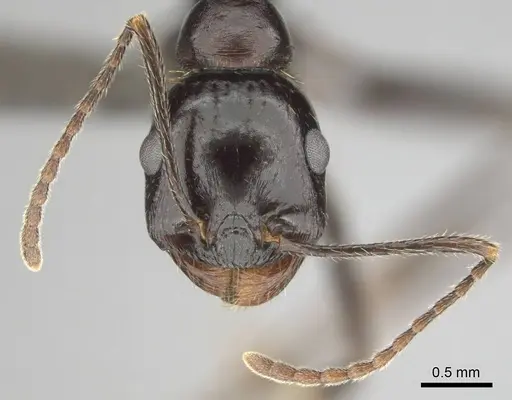
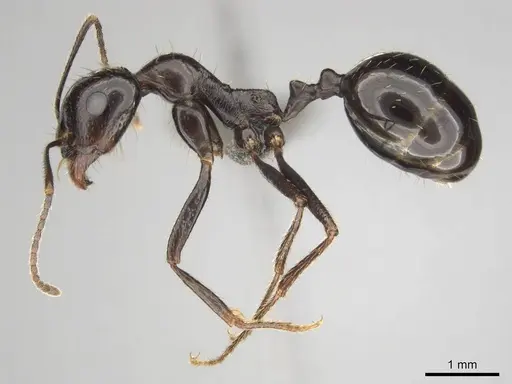
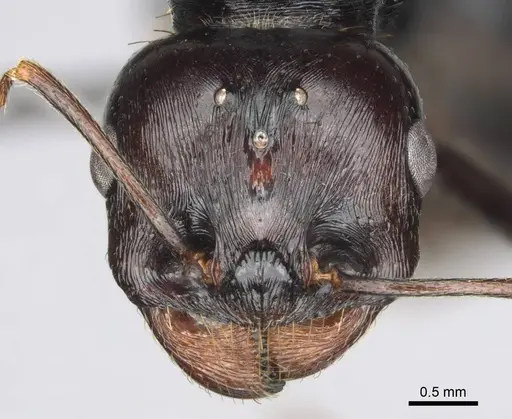
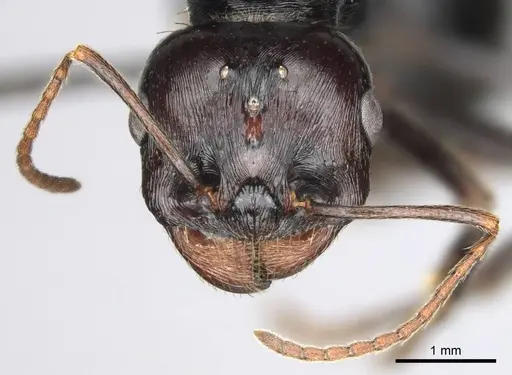
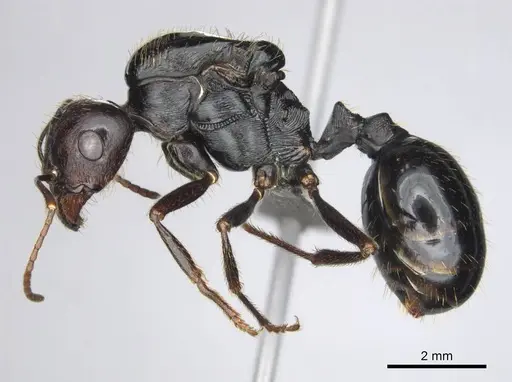
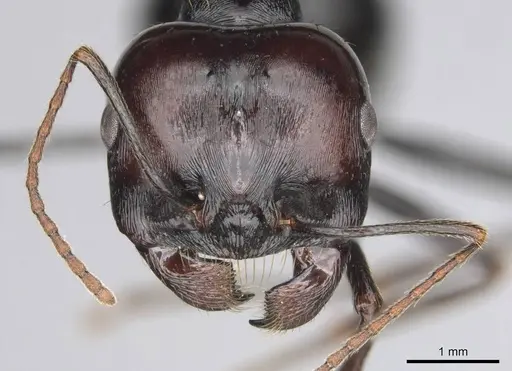
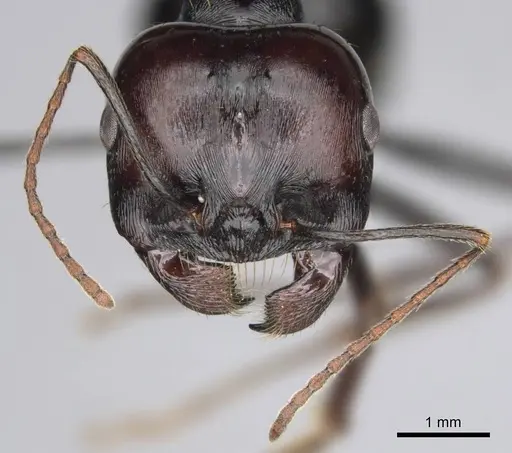
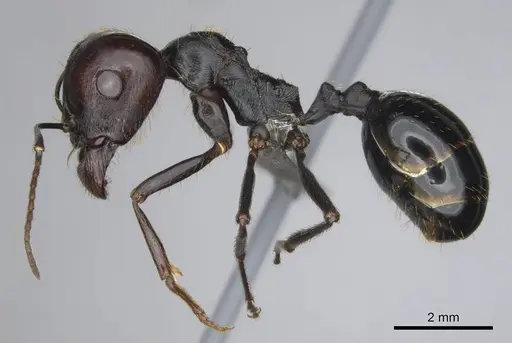
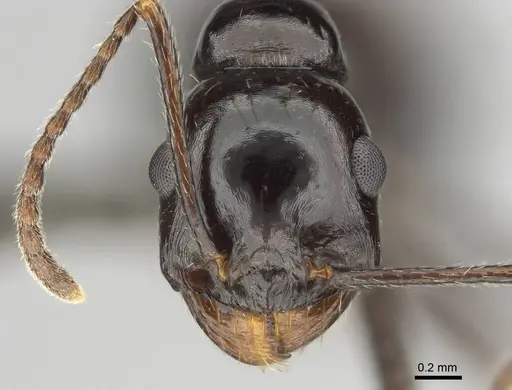
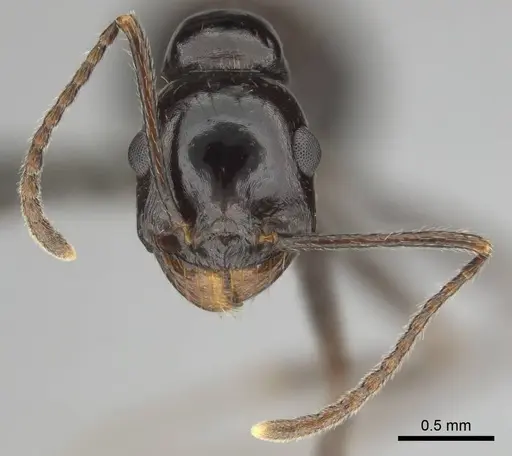
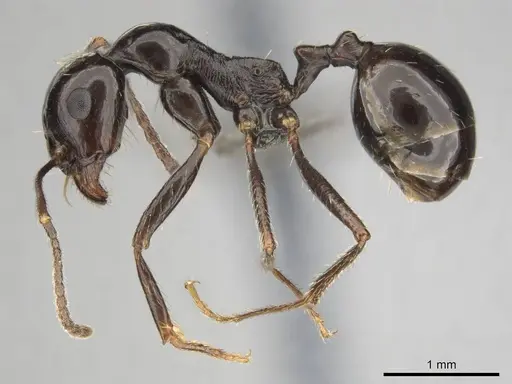
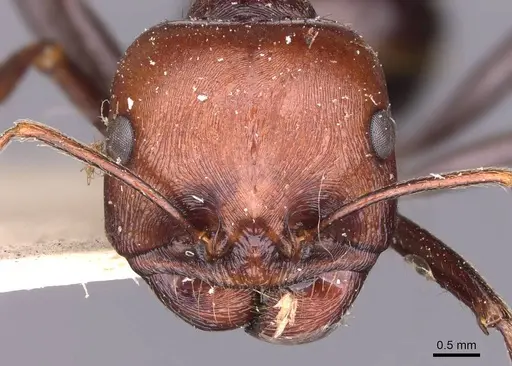
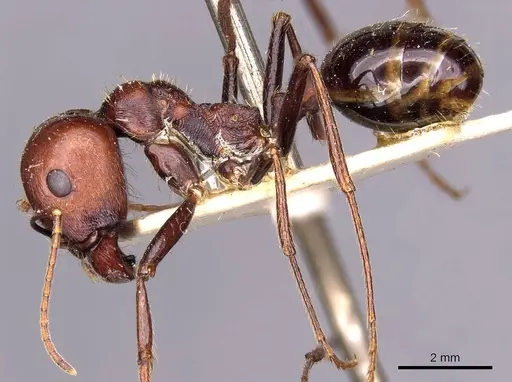
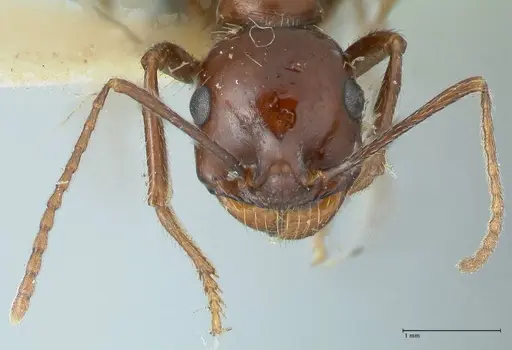
Messor tropicorum workers are medium to large ants measuring 3.0-3.8mm in head width. The most distinctive identification feature is the raised welt or tumulus located posteromedially on the clypeus, this appears as a noticeable bump between the frontal lobes. This feature is most prominent in larger workers and becomes less pronounced or absent in smaller workers. The eyes are relatively large, approaching the lower size limit seen in the related Messor denticornis. The propodeum (the section behind the waist) is relatively short and high, and may be armed with a pair of short triangular teeth or simply round into the declivity. Body coloration shows the head and alitrunk as reddish brown with a darker gaster. All dorsal surfaces bear numerous conspicuous standing hairs. The dorsal surface of the head features fine longitudinal rugulae (grooves), and the alitrunk has rugulose to rugose sculpturing.
Distribution and Habitat
This species is known only from the Afrotropical region, specifically from Angola and Namibia. The type locality is Mossamedes in Angola. Specimens have been collected from multiple locations in Namibia including Usakos, Grootfontein, and Walvis Bay. The region is characterized by arid to semi-arid conditions with low annual rainfall. As a tropical species from this region, they are adapted to warmer temperatures and drier conditions compared to temperate ant species [2][1].
Feeding and Diet
As a Messor species, Messor tropicorum is a seed-harvesting ant. In the wild, these ants collect seeds from grasses and other plants, storing them in their nests for food. They process seeds by crushing them to access the nutritional contents. In captivity, offer a variety of seeds, grass seeds, millet, sunflower seeds (cracked open), and commercial ant seed mixes work well. They also accept protein sources like small insects (fruit flies, small crickets, mealworms). Fresh water should always be available. Avoid overly moist seeds as they can mold in the nest. Many keepers report that Messor species readily accept seeds and can thrive on seed-based diets alone, though offering occasional protein helps support brood development.
Nesting Requirements
Messor species typically nest in soil, creating underground tunnel systems with chambers for brood rearing and seed storage. In captivity, they do well in formicariums filled with sandy or soil-based substrates that allow them to dig and create their own tunnels. The nesting area should be kept relatively dry, while the foraging area can have a water source. For founding colonies, a simple test tube setup with a cotton barrier and water reservoir works, though you may need to provide a small dish of seeds in the foraging area. As the colony grows, they benefit from moving to a larger formicarium with proper drainage and a deeper substrate layer for nesting. Messor tropicorum's larger worker size means they need appropriately sized tunnels and chambers.
Temperature and Seasonal Care
Being a tropical African species from Angola and Namibia, Messor tropicorum prefers warmer temperatures in the range of 24-28°C. They can likely tolerate brief periods outside this range but prolonged cool temperatures should be avoided. A temperature gradient in the setup allows workers to choose their preferred zone. Unlike temperate species, they likely do not require a true hibernation period, though they may show reduced activity during cooler periods or seasonal changes. Room temperature in the low-to-mid 20s°C should be suitable for keeping these ants healthy and active. Monitor colony behavior, if workers become less active and cluster together, consider whether the temperature needs adjustment. [2]
Known Limitations in Care Information
Messor tropicorum is a poorly documented species in scientific literature. Critically, only the worker caste has been described, no queens, males, or colony structure has been documented. This means several key aspects of their biology remain unknown: colony size in the wild, exact colony structure (single queen vs. multiple queen), founding behavior, and precise development timeline. What we know about their care is largely inferred from typical Messor genus behavior and from related species. This makes them a more challenging species for beginners who benefit from species with well-documented care requirements. If you obtain a colony, careful observation and documentation of their behavior would contribute valuable information to the antkeeping community. [1]
Frequently Asked Questions
How long does it take for Messor tropicorum to go from egg to worker?
Exact development time is unknown for this species. Based on typical Messor genus patterns, estimate 6-10 weeks at optimal temperature (around 24-28°C). The first workers (nanitics) will be smaller than mature workers and may take longer to develop than subsequent broods.
What do Messor tropicorum ants eat?
As seed-harvesting ants, their primary food is seeds. Offer a variety of grass seeds, millet, cracked sunflower seeds, and commercial ant seed mixes. They also accept protein sources like small insects (fruit flies, small crickets, mealworms). Fresh water should always be available.
Can I keep Messor tropicorum in a test tube?
Test tubes work for founding colonies, but Messor tropicorum is a medium to large species that will need more space quickly. Once the colony reaches 10-20 workers, consider moving them to a formicarium with a proper soil substrate for nesting and seed storage.
Do Messor tropicorum ants sting?
Messor species can bite but are not known for painful stings. They are generally docile toward keepers and focus on their seed-harvesting activities rather than aggression. They will defend their nest if threatened.
What temperature do Messor tropicorum ants need?
Keep them warm at 24-28°C. As a tropical African species from Angola and Namibia, they prefer warmer conditions. A temperature gradient allowing them to self-regulate is ideal.
How big do Messor tropicorum colonies get?
Colony size is unknown, no scientific data exists on maximum colony size for this species. Based on related Messor species, colonies likely reach several hundred to a few thousand workers over several years.
Is Messor tropicorum good for beginners?
This species is not ideal for complete beginners due to limited documented care information. The lack of queen description and colony structure data means much of their care must be inferred from genus patterns. However, experienced antkeepers familiar with other Messor species should find them manageable.
Do Messor tropicorum need hibernation?
Probably not. As a tropical African species, they likely do not require a true hibernation period. They may show reduced activity during cooler periods, but this is different from the deep dormancy seen in temperate species.
Where is Messor tropicorum found?
They are native to the Afrotropical region, specifically Angola and Namibia in southwestern Africa.
Why are there no queens available for Messor tropicorum?
Only the worker caste has been scientifically described for this species. No queens or males have been documented in the scientific literature, which is unusual. This makes it difficult to establish captive colonies from wild-caught queens. Most available colonies likely come from limited wild collections or are misidentified.
References

This caresheet is licensed under CC BY-SA 4.0 .
CASENT0281587
View on AntWeb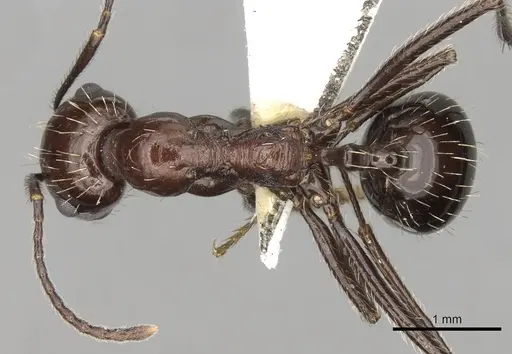
CASENT0813036
View on AntWeb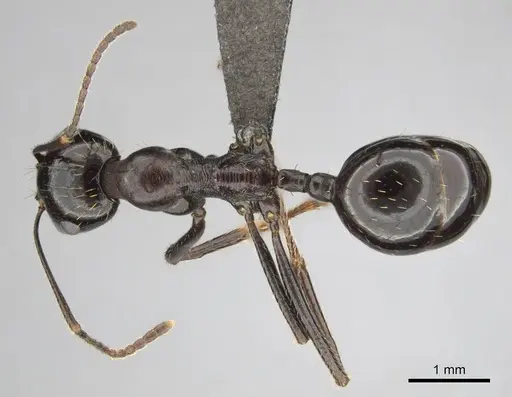
CASENT0813037
View on AntWeb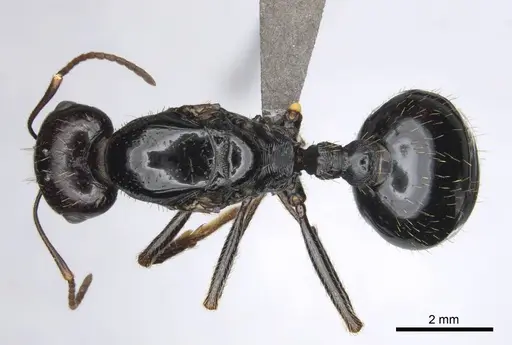
CASENT0813038
View on AntWeb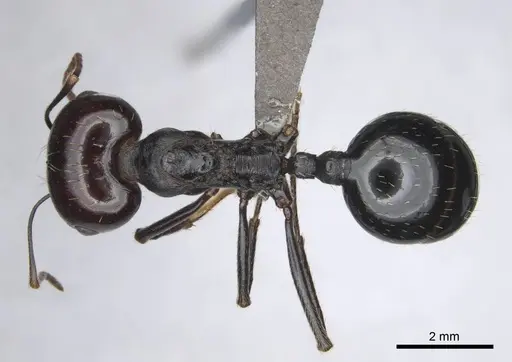
CASENT0813039
View on AntWeb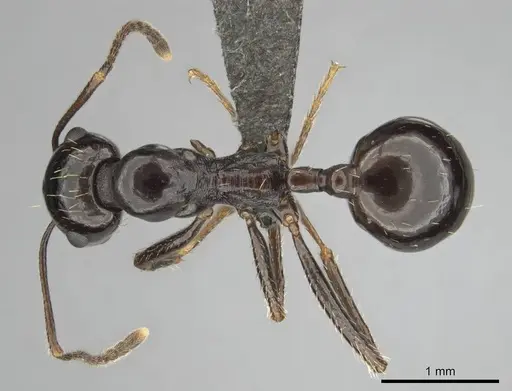
CASENT0907717
View on AntWeb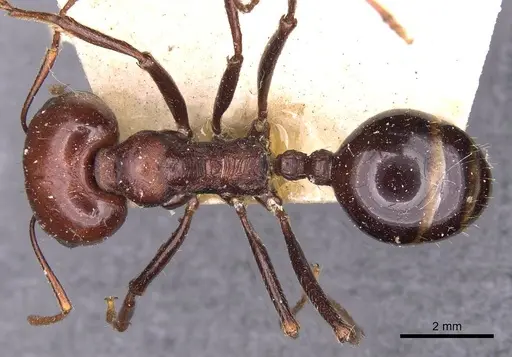
FOCOL1280
View on AntWeb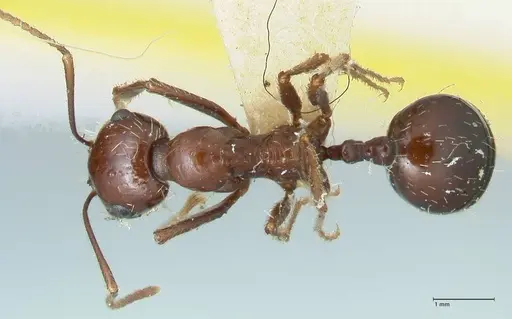
FOCOL1281
View on AntWeb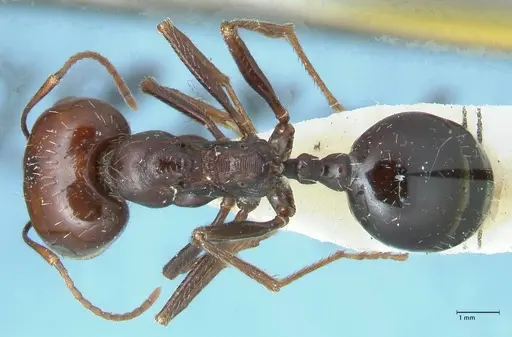
Literature
Loading...Loading products...