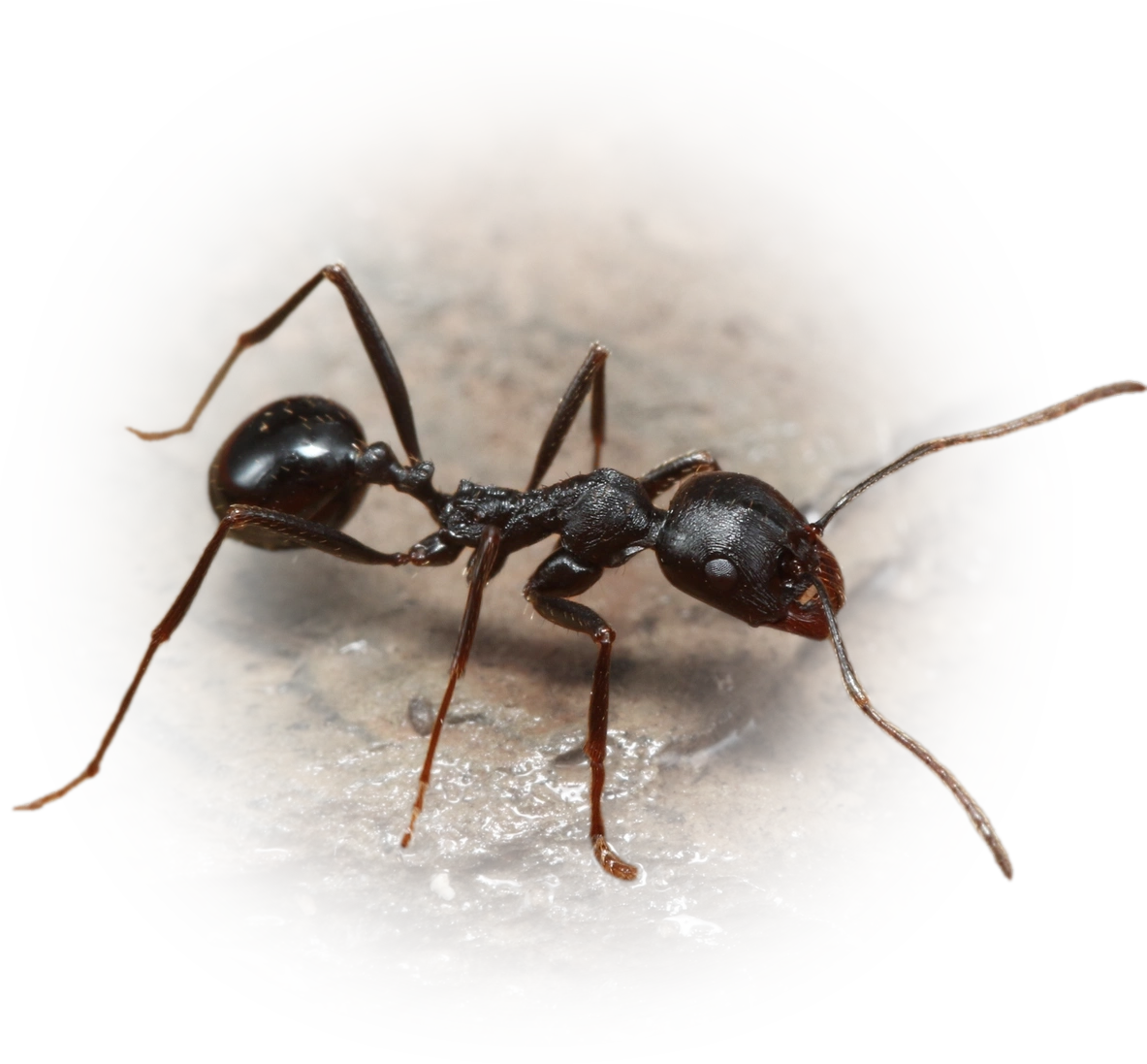

Messor capensis
- Scientific Name
- Messor capensis
- Tribe
- Stenammini
- Subfamily
- Myrmicinae
- Author
- Mayr, 1862
- Common Name
- Cape Harvester Ant
- Distribution
- Found in 3 countries
Messor capensis Overview
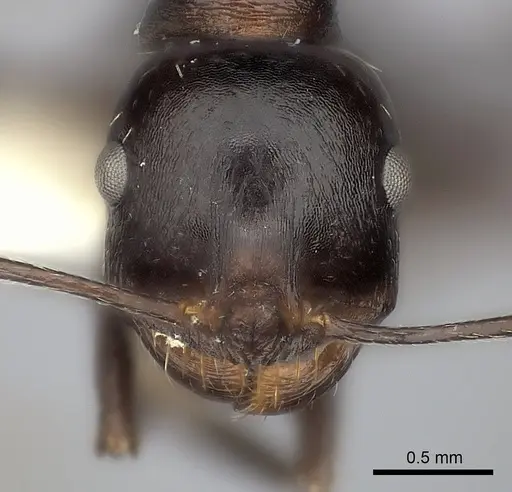
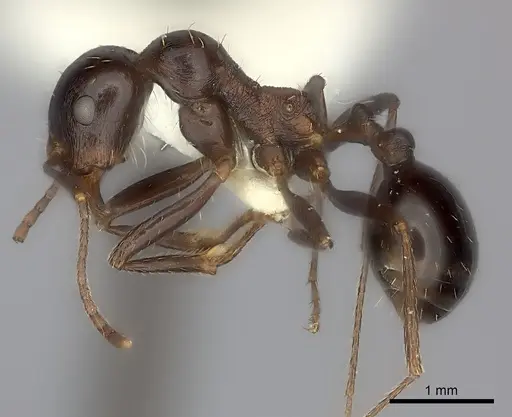
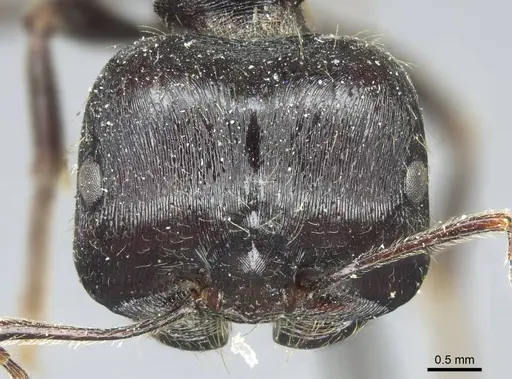
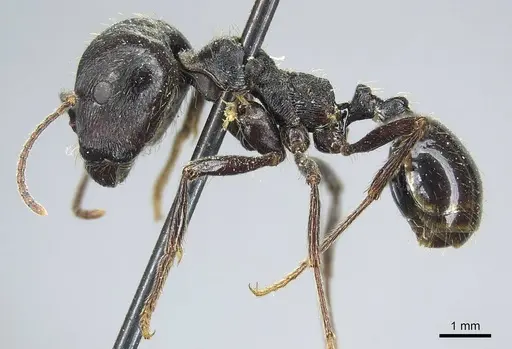
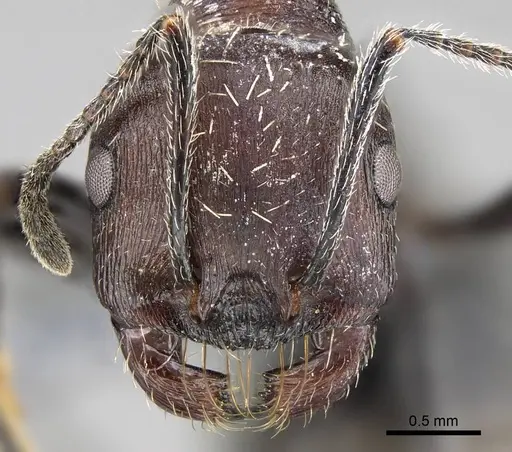
Messor capensis (commonly known as the Cape Harvester Ant) is an ant species of the genus Messor. It is primarily documented in 3 countries , including Botswana, Namibia, South Africa. Detailed taxonomic data and occurrence records can be further explored via authoritative databases such as AntWeb or the Global Biodiversity Information Facility (GBIF).
Messor capensis - "Cape Harvester Ant"
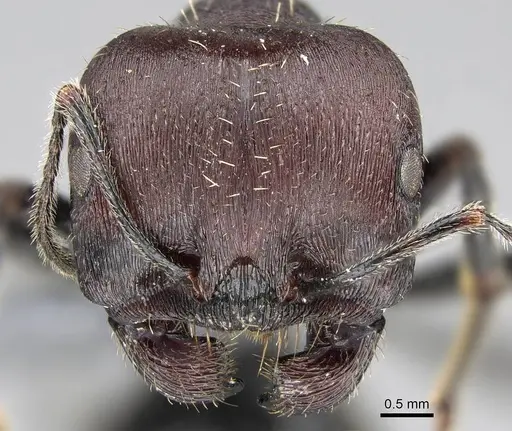
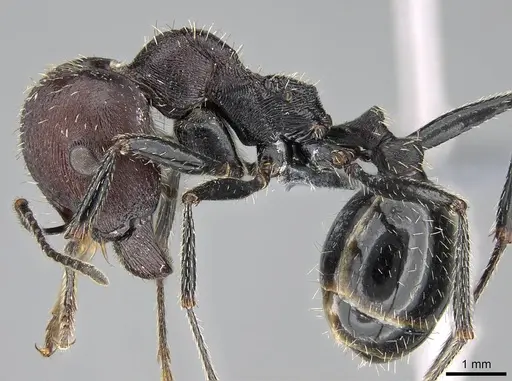
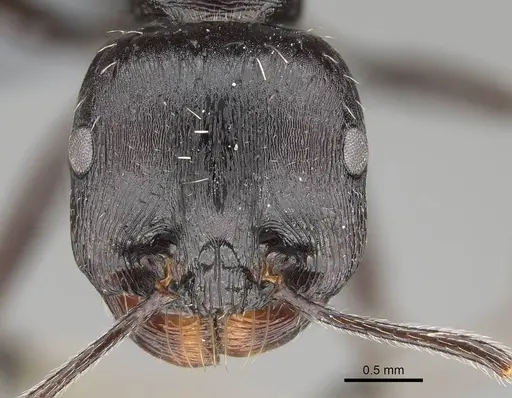
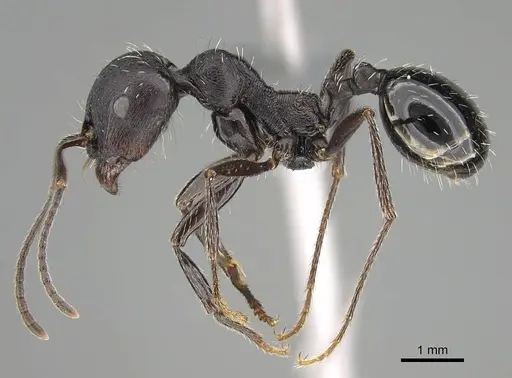
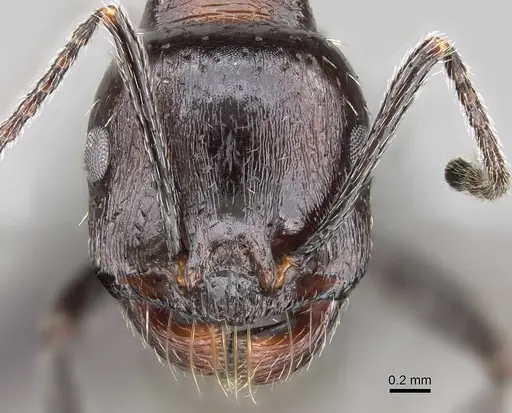
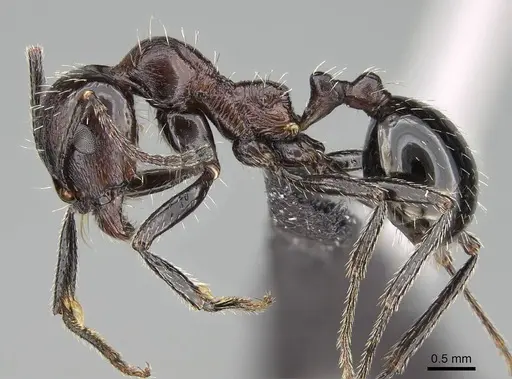
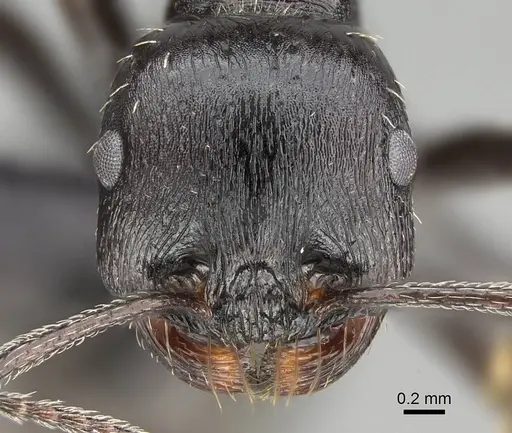
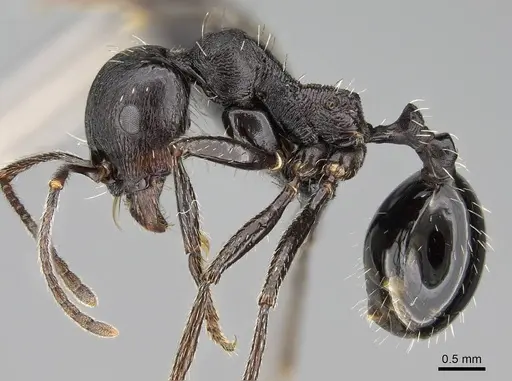
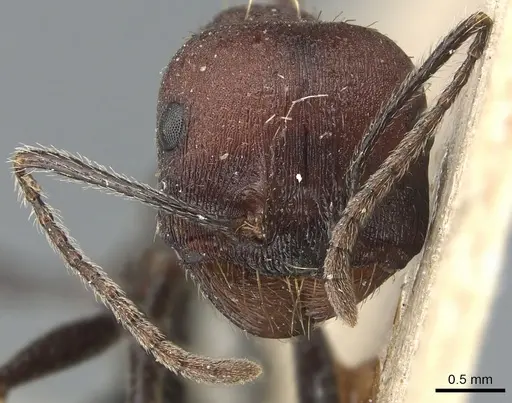
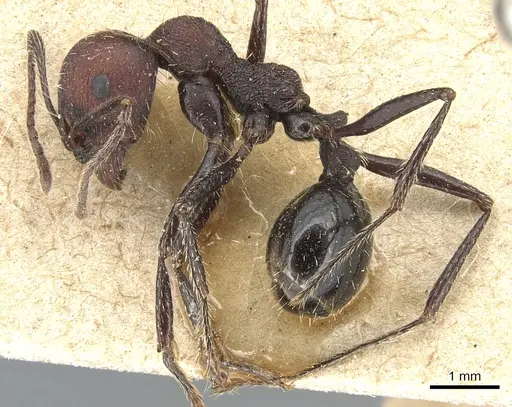
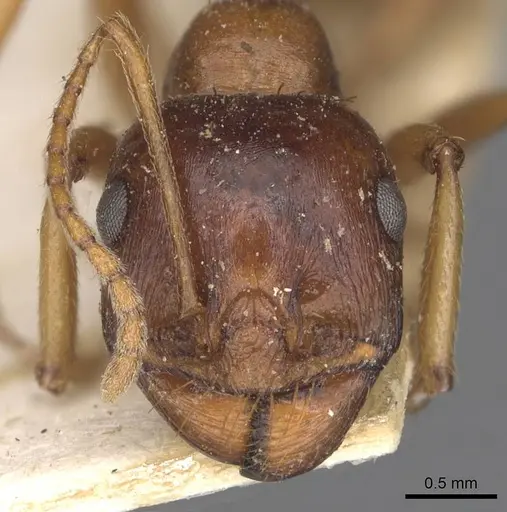
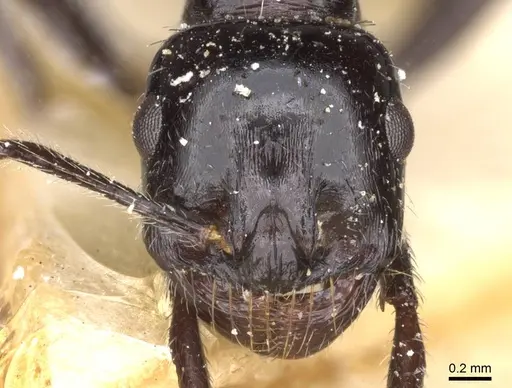
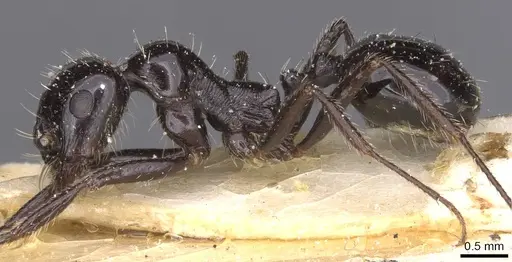
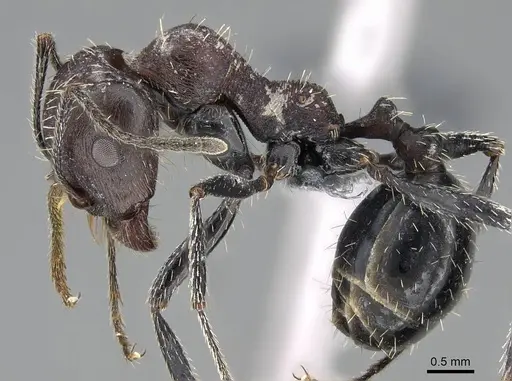
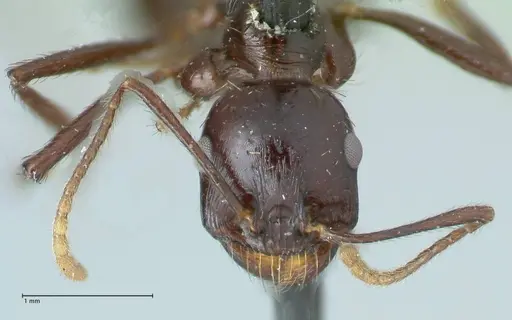
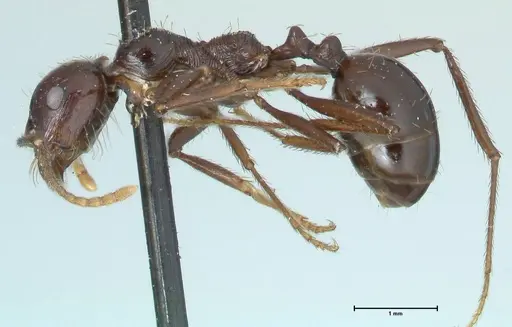
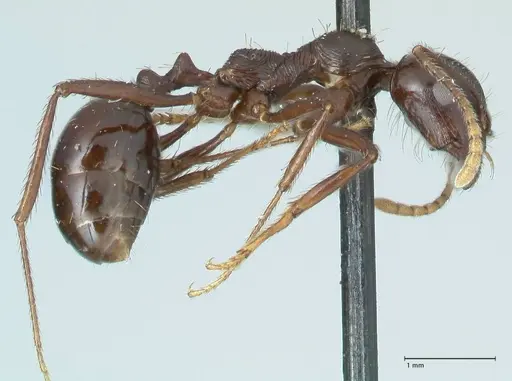
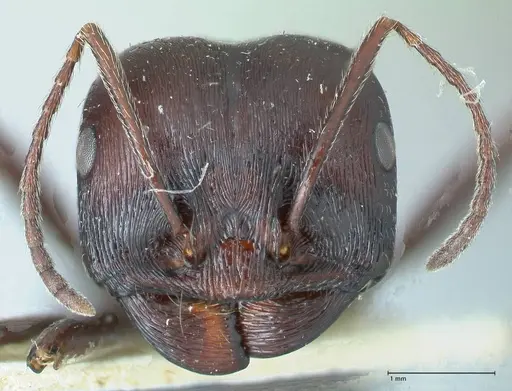
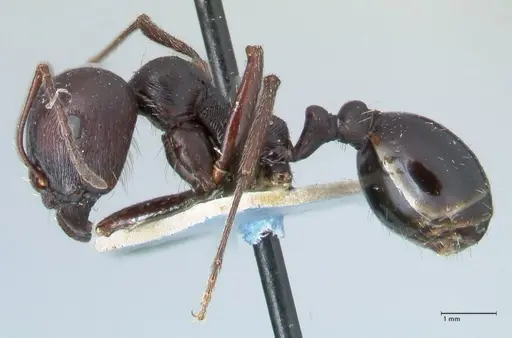
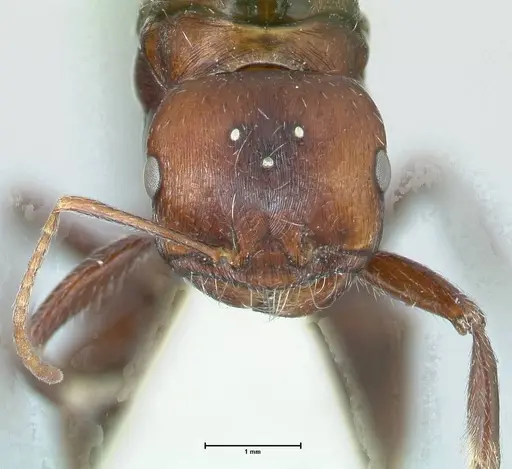
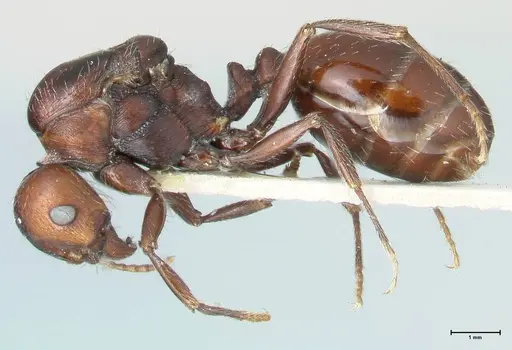
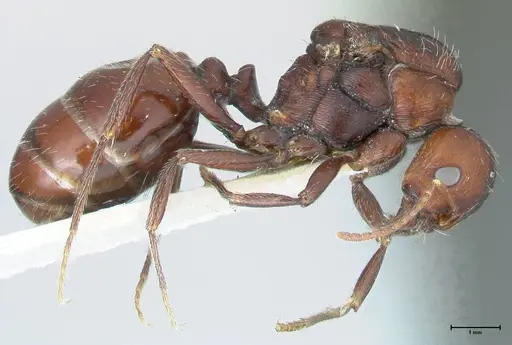
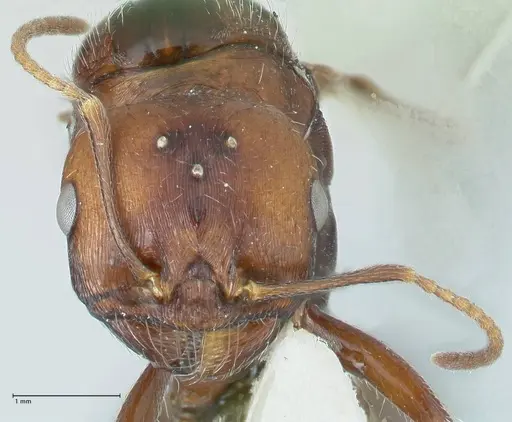
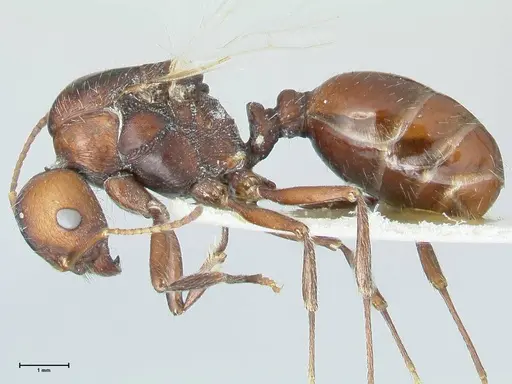
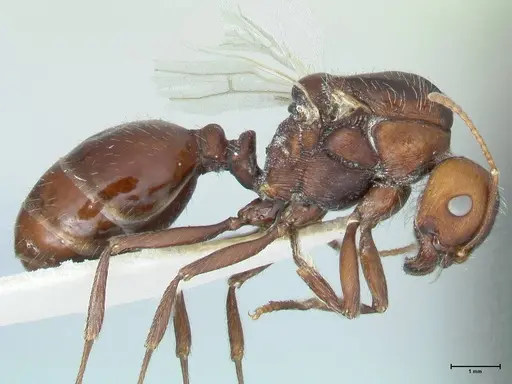
Messor capensis is a medium to large harvester ant native to southern Africa, ranging from Botswana and Namibia through South Africa to Zimbabwe. Workers measure 2.35-3.40mm in head width and display a black to dark reddish-brown coloration. These ants are famous for their seed-harvesting behavior, they collect and store seeds in underground granaries where seeds can remain viable for years, even surviving periodic fires. Colonies establish multiple trunk trails extending nearly 10 meters from the nest entrance to foraging areas. This species plays an important ecological role as seed dispersers in the arid and semi-arid regions they inhabit [1][2][3].
Quick Summary
- Difficulty: Easy
- Origin & Habitat: Southern Africa (Botswana, Namibia, South Africa, Zimbabwe), arid and semi-arid regions including the Karoo and Western Cape. They nest in soil and are adapted to hot, dry conditions [1].
- Colony Type: Single-queen (monogyne) colonies. Queens are claustral, they seal themselves in a chamber and raise their first workers using stored body fat [1].
- Colony: Monogyne
- Founding: Claustral
- Size & Growth:
- Queen: Approximately 6-8mm (estimated based on genus Messor patterns)
- Worker: 2.35-3.40mm head width
- Colony: Colonies can reach several thousand workers based on typical Messor growth patterns
- Growth: Moderate
- Development: 6-10 weeks (estimated based on genus Messor development patterns) (Development time is temperature-dependent, warmer conditions within acceptable range accelerate development)
- Antkeeping:
- Temperature: Keep at 24-30°C. These ants are adapted to hot African conditions and thrive in warmth. A heating cable on one side of the nest creates a temperature gradient allowing ants to regulate their own temperature [1].
- Humidity: Low to moderate, keep nest substrate relatively dry. These are arid-region ants that prefer dry conditions. Provide a water source separately rather than high humidity [1].
- Diapause: No, being from southern Africa, they do not require true hibernation. However, they may reduce activity during cooler winter months if room temperature drops significantly [1].
- Nesting: Test tubes work well for founding colonies. Established colonies do well in Y-tong (AAC) nests, plaster nests, or naturalistic setups with dry to moderately moist substrate. They prefer compact chambers over large open spaces [1].
- Behavior: These ants are docile and not aggressive toward keepers. Workers forage for seeds along established trunk trails, they are social foragers using chemical trails rather than solitary foragers. Major workers (larger soldiers) can crack larger seeds. They are not known for stinging and pose no danger to humans. Escape risk is moderate, use standard barrier methods [2][4].
- Common Issues: seed storage can lead to mold if substrate becomes too moist, keep nesting area dry, colonies may become inactive if temperatures drop below 20°C for extended periods, wild-caught colonies may carry parasites that can devastate captive colonies, overfeeding can lead to mold problems in dry-nesting species
Nest Preferences
Messor capensis naturally nests in soil in arid and semi-arid regions of southern Africa. In captivity, they adapt well to various nest types. Test tubes work perfectly for founding colonies, the queen seals herself in a chamber and raises her first nanitic workers. Once the colony reaches 20-30 workers, you can move them to a Y-tong (AAC) nest, plaster formicarium, or naturalistic setup. These ants prefer dry conditions, so avoid setups that retain excessive moisture. Provide a small outworld connected to the nest where foragers can deposit seeds. The nest should have chambers scaled to colony size, compact chambers work better than large open spaces [1].
Feeding and Diet
As true harvester ants, Messor capensis primarily eats seeds. In the wild, they collect seeds from various plant species and store them in underground granaries where they can remain viable for years. In captivity, offer a variety of seeds, grass seeds, bird seed mixes, and commercially available ant seeds work well. They also accept small amounts of protein like crushed insects or mealworms. Major workers can crack larger seeds with their powerful mandibles. Provide a shallow dish or feeding area in the outworld for seed storage. Remove any uneaten seeds that show signs of mold to prevent issues. They do not need sugar water as their primary energy source, seeds provide carbohydrates and nutrients [2][4].
Temperature and Care
These ants come from hot African regions and require warm conditions to thrive. Keep the nest area at 24-30°C for optimal brood development. A heating cable placed on top of the nest (never underneath to avoid drying issues) creates a gentle warmth gradient. Room temperature of 22-24°C is acceptable, but activity may decrease below this range. They do not require hibernation or diapause since they are adapted to southern Africa's climate. However, if your room temperature drops significantly in winter, expect reduced activity, this is normal and they will resume normal activity when warmed. Avoid temperatures above 35°C as this can stress the colony [1].
Foraging Behavior
Messor capensis uses trunk trail foraging, established paths that lead from the nest to foraging areas. In the wild, colonies maintain 4-8 trunk trails extending nearly 10 meters from the nest entrance. Workers follow chemical trails laid down by foragers to locate seed sources. This social foraging strategy means you will see organized lines of workers moving to and from food sources. In captivity, provide an outworld space where this foraging behavior can be observed. The presence of major workers (larger-headed workers) helps process larger seeds that minor workers cannot crack. This species is not aggressive and poses no threat to keepers [2][4].
Growth and Development
Colony growth follows typical Messor patterns. The claustral queen seals herself in a chamber and lays eggs within a few days of mating. She raises the first workers (nanitics) entirely on her own, using stored fat reserves. These first workers are typically smaller than normal workers. Once nanitics emerge (typically 6-10 weeks depending on temperature), the colony enters a growth phase. Major workers begin appearing as the colony expands, these larger workers specialize in seed processing. Growth rate is moderate, expect several months before you have a substantial colony. Colonies can live for many years with a healthy queen producing workers continuously [1].
Frequently Asked Questions
Can I keep Messor capensis in a test tube?
Yes, test tubes work perfectly for founding colonies. The queen will seal herself in a chamber and raise her first workers alone. Once the colony reaches 20-30 workers, consider moving them to a larger nest like a Y-tong or plaster formicarium.
How long until first workers with Messor capensis?
Expect first workers (nanitics) to emerge in 6-10 weeks after the queen lays eggs, depending on temperature. Warmer conditions within the 24-30°C range speed up development.
What do Messor capensis eat?
They are seed harvesters, offer various seeds like grass seeds, bird seed mixes, or commercial ant seeds. They also accept small protein sources like crushed insects or mealworms. Seeds are their primary food, they do not need sugar water.
Do Messor capensis ants sting?
No, they are not known for stinging and pose no danger to humans. They are docile harvester ants that focus on seed collection.
Are Messor capensis good for beginners?
Yes, they are considered easy to keep. They are forgiving of minor care mistakes, do not require hibernation, and are docile. Their seed-based diet is simple to provide.
Do Messor capensis need hibernation?
No, they do not require hibernation. Being from southern Africa, they are adapted to year-round warm conditions. They may reduce activity in cooler temperatures but will remain active if kept warm.
When should I move Messor capensis to a formicarium?
Move them once the colony reaches 20-30 workers or when the test tube becomes crowded. A Y-tong nest or plaster formicarium with an attached outworld works well for their foraging behavior.
How big do Messor capensis colonies get?
Colonies can reach several thousand workers over several years. The presence of major workers (larger soldiers) increases as the colony grows.
Why are my Messor capensis not foraging?
Check temperature first, they are less active below 22°C. Also ensure they have seeds available in the outworld. If the colony is small, they may simply be staying in the nest. New colonies often remain quiet until established.
References

This caresheet is licensed under CC BY-SA 4.0 .
CASENT0217867
View on AntWeb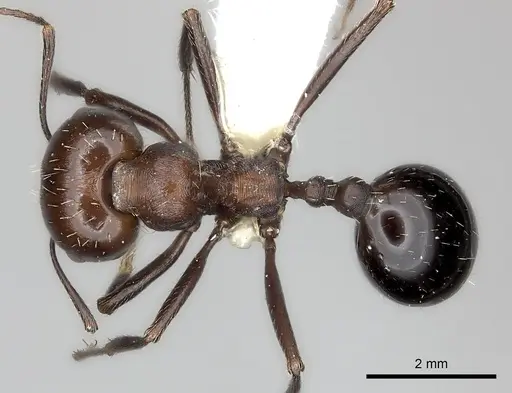
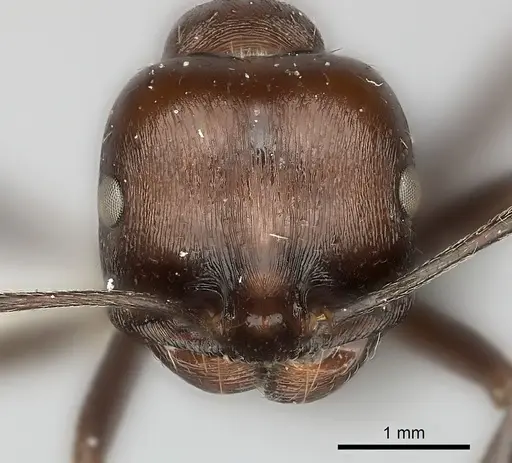
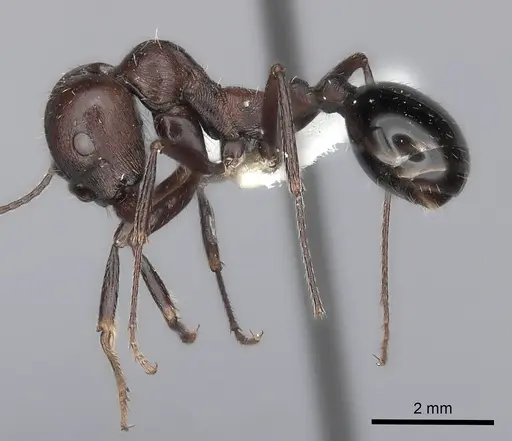
CASENT0217868
View on AntWeb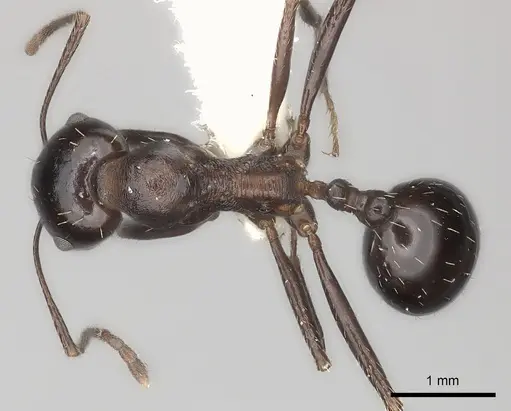
CASENT0258780
View on AntWeb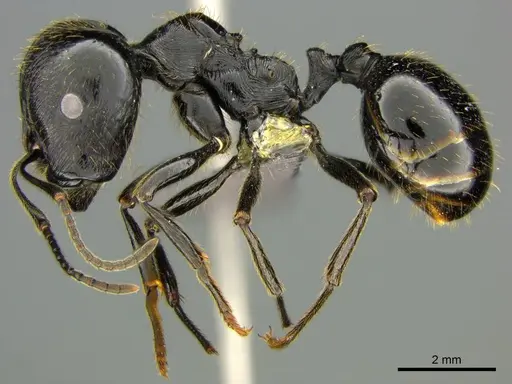
CASENT0785801
View on AntWeb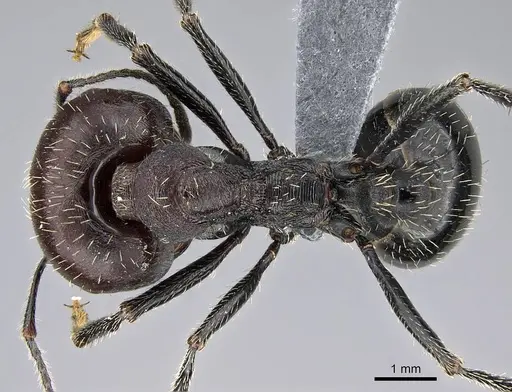
CASENT0787948
View on AntWeb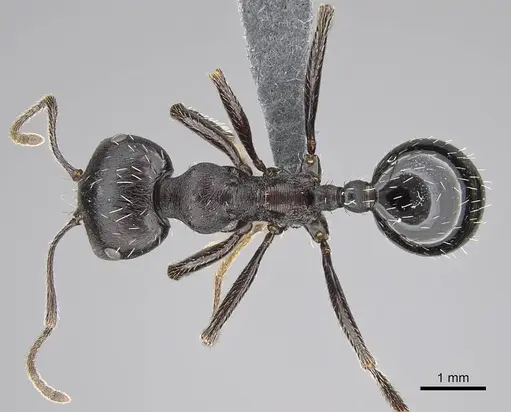
CASENT0822226
View on AntWeb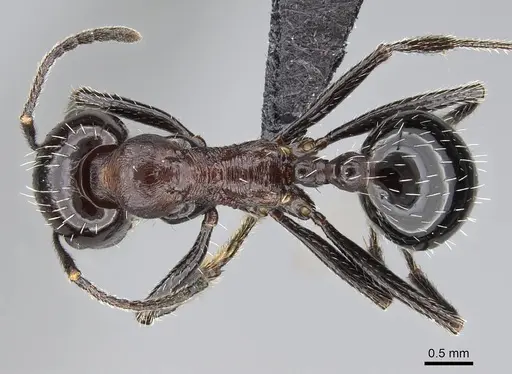
CASENT0822232
View on AntWeb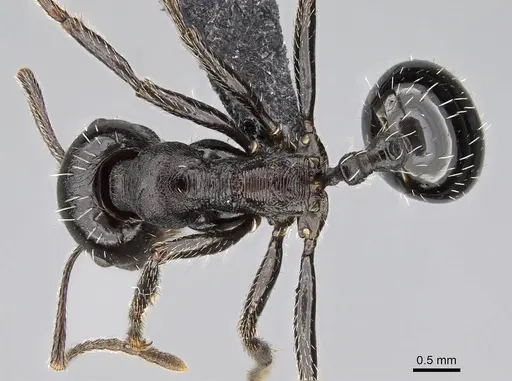
CASENT0822233
View on AntWeb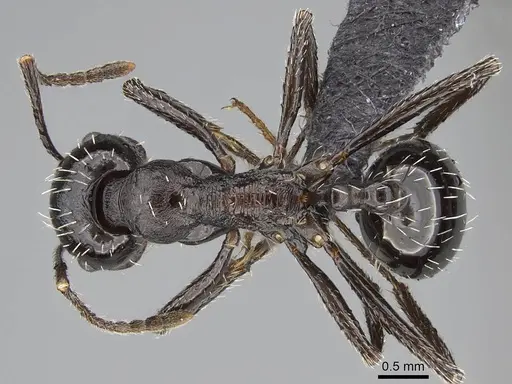
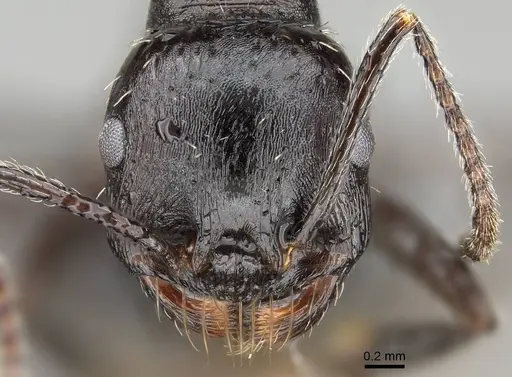
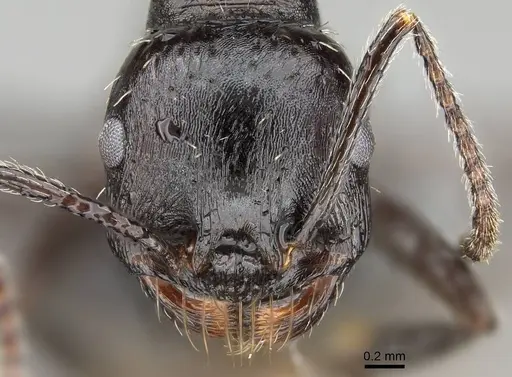
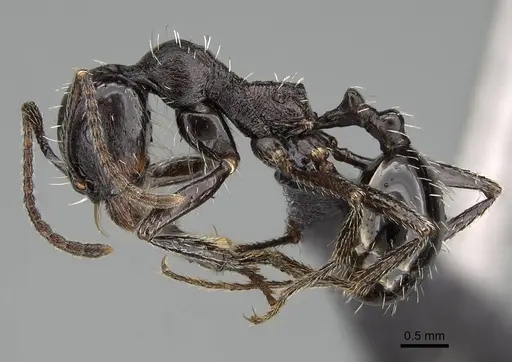
CASENT0900466
View on AntWeb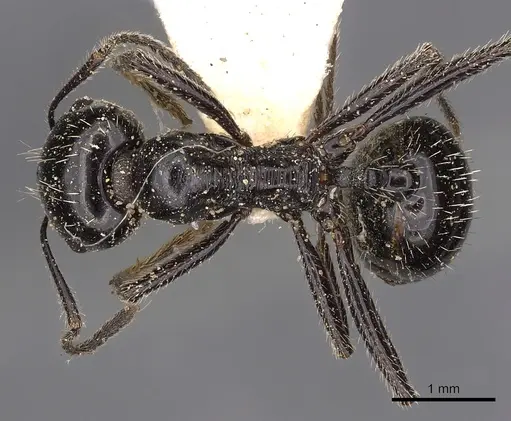
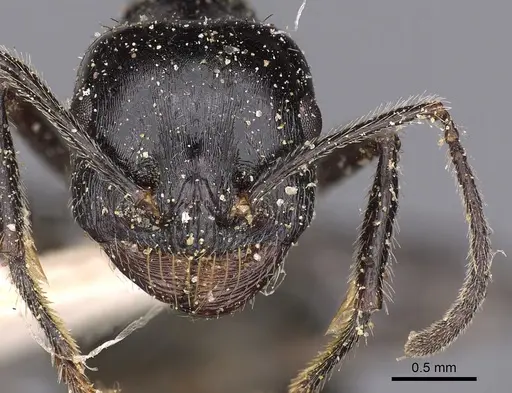
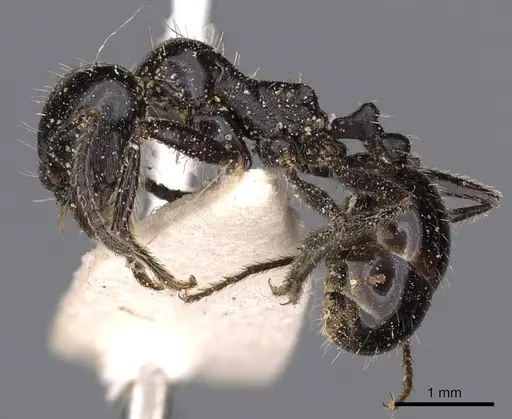
CASENT0904139
View on AntWeb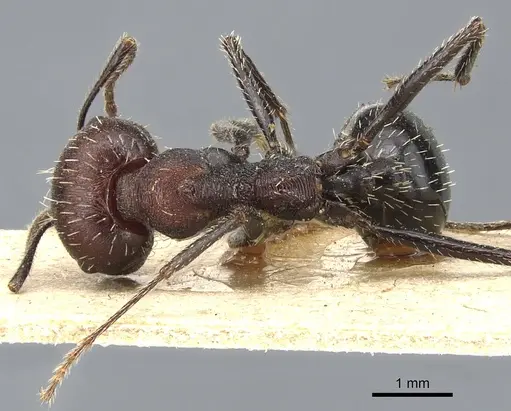
CASENT0907742
View on AntWeb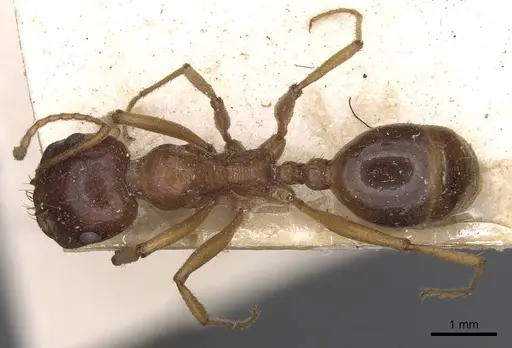
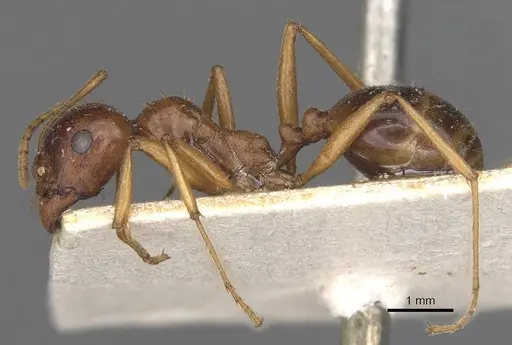
CASENT0913166
View on AntWeb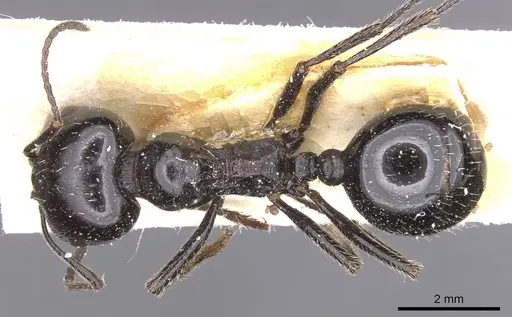
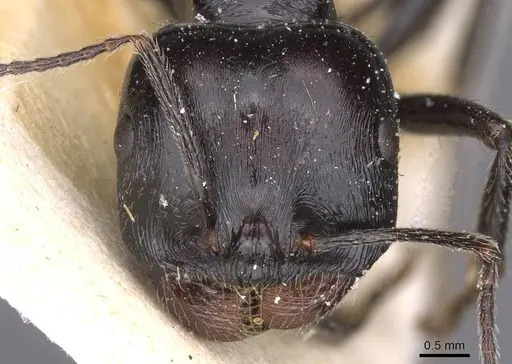
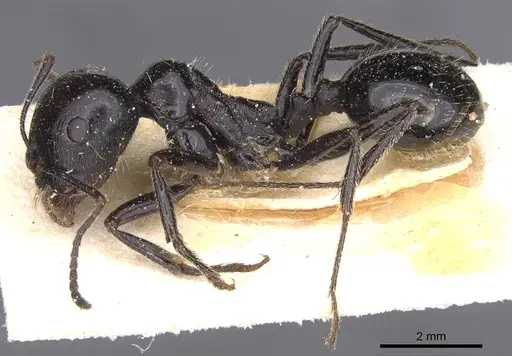
CASENT0913167
View on AntWeb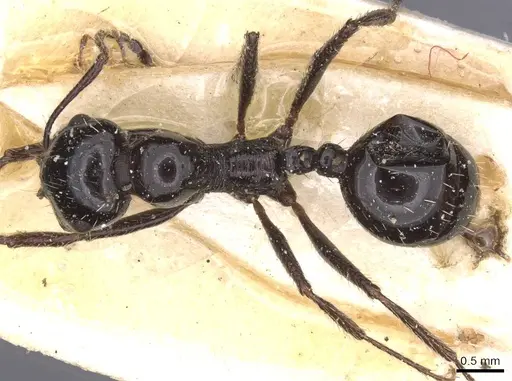
CASENT0916075
View on AntWeb
CASENT0922312
View on AntWeb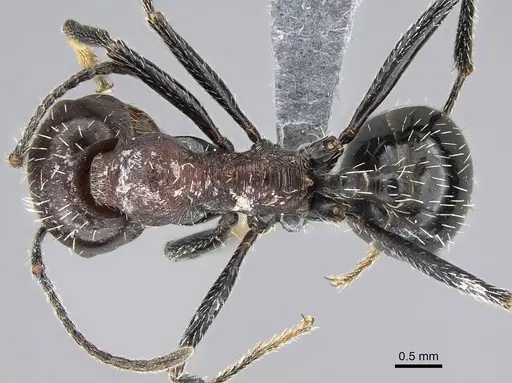
FOCOL1259
View on AntWeb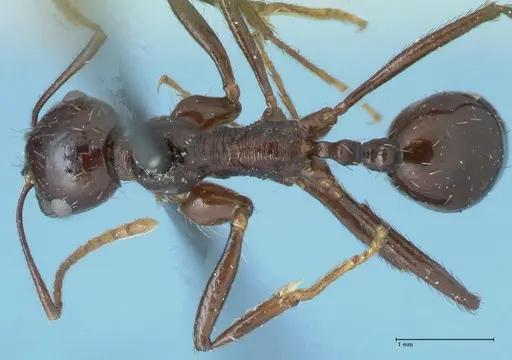
FOCOL1260
View on AntWeb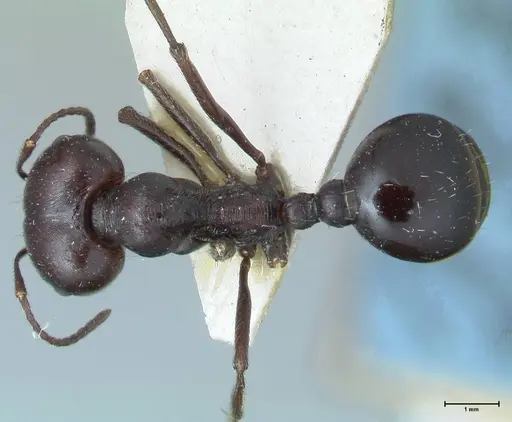
FOCOL1269
View on AntWeb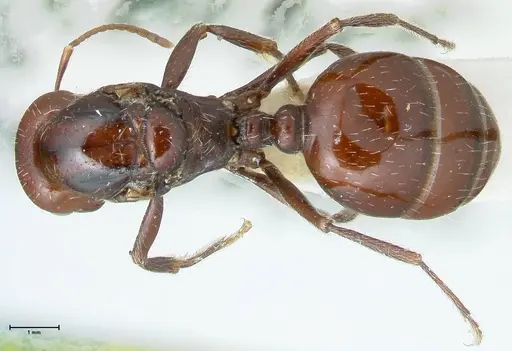
FOCOL1270
View on AntWeb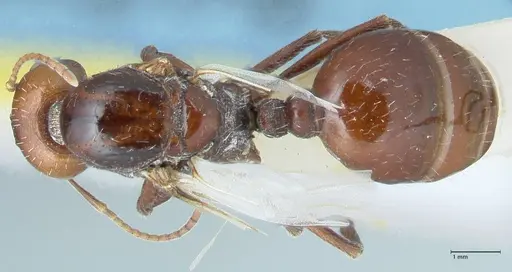
Literature
Loading...Loading products...