

Messor syriacus
- Scientific Name
- Messor syriacus
- Tribe
- Stenammini
- Subfamily
- Myrmicinae
- Author
- Tohmé, 1969
- Common Name
- Syrian Harvester Ant
- Distribution
- Found in 3 countries
Messor syriacus Overview
Messor syriacus (commonly known as the Syrian Harvester Ant) is an ant species of the genus Messor. It is primarily documented in 3 countries , including Cyprus, Iran, Islamic Republic of. Detailed taxonomic data and occurrence records can be further explored via authoritative databases such as AntWeb or the Global Biodiversity Information Facility (GBIF).
Messor syriacus - "Syrian Harvester Ant"
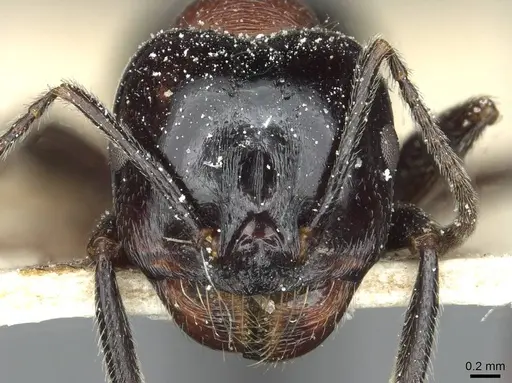
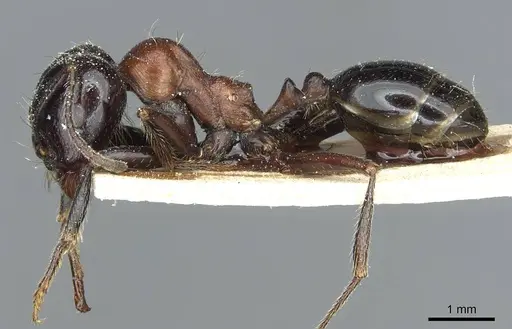
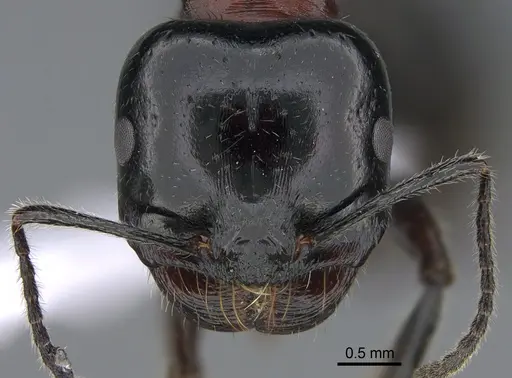
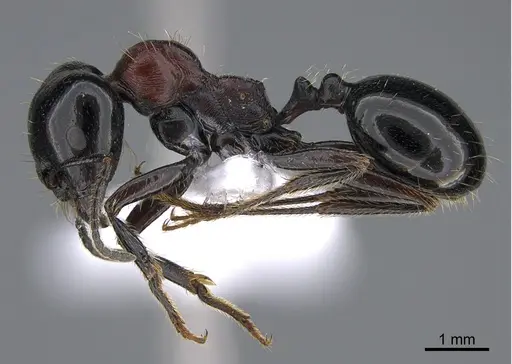
Messor syriacus is a small harvester ant native to the Middle East and eastern Mediterranean. Workers measure 1-2.2mm in head width, with majors being larger than minors [1]. They have a distinctive bicolored appearance: typically black head and gaster with a reddish mesosoma, though color variation exists, some specimens show mixed red, brown, and black on the mesosoma [1]. This species belongs to the Messor instabilis group, characterized by their smooth shiny heads and relatively sparse body hairs. They have large eyes and a well-developed psammophore (specialized hairs for carrying sand grains). Unlike some related species, the propodeum is rounded rather than sharply angled. This is a thermophilous (warmth-loving) species found from sea level to around 400m altitude, preferring sunny open areas like dirt roadsides, dry riverbanks, and gravel areas [1].
Quick Summary
- Difficulty: Easy
- Origin & Habitat: Middle East and eastern Mediterranean, found in Syria, Turkey, Iran, Iraq, Israel, Lebanon, Saudi Arabia, and Cyprus. Nests directly in the ground in sunny, dry to moderately damp areas like dirt roadsides, salt lake coasts, dry riverbanks, maquis, and pine forests with Mediterranean bushes [1][2].
- Colony Type: Single-queen colonies (monogyne). Colony structure is not extensively documented but typical for Messor genus.
- Colony: Monogyne
- Founding: Claustral
- Size & Growth:
- Queen: Not specifically documented for this species, Messor queens are typically 7-12mm. Estimated 8-10mm based on genus patterns.
- Worker: Major workers: 2.0-2.4mm head width (HL 1.92-2.23mm). Minor workers: ~1.0mm head width (HL 1.13mm) [1]
- Colony: Not directly documented, Messor colonies typically reach several thousand workers. Estimated 2000-5000 based on genus patterns.
- Growth: Moderate, typical for Messor genus
- Development: Estimated 6-10 weeks at optimal temperature based on related Messor species. First workers (nanitics) typically smaller than normal workers. (Development time is temperature-dependent, warmer conditions speed development. Messor species typically have claustral founding where queen seals herself in and raises first brood alone.)
- Antkeeping:
- Temperature: Keep at 22-28°C. This is a thermophilous species from warm Mediterranean climates, they thrive in the low-to-mid 20s°C range. A gentle gradient allowing workers to choose their preferred temperature is ideal [1].
- Humidity: Low to moderate. Prefers dry to moderately damp conditions matching their natural habitat of sunny, open areas. Keep substrate lightly moist but allow it to dry between waterings, avoid constant saturation. Provide a dry area in the outworld for seed storage.
- Diapause: Yes, recommend a winter rest period of 8-12 weeks at 10-15°C. This matches their temperate/Middle Eastern origin where winters are cooler but not extreme.
- Nesting: Ground-nesting species. A naturalistic setup with digging medium (sand/soil mix) works best. Provide deep substrate (at least 5-10cm) for nest chambers. Test tubes can work for founding colonies but they'll need to move to a formicarium with soil for long-term success.
- Behavior: Generally docile and non-aggressive. Workers are active foragers that collect seeds and grains, they're classic harvester ants. They may venture moderate distances from the nest to forage. Workers have a functional stinger but are too small to cause significant pain to humans. Escape risk is moderate, use standard barrier methods. They store seeds in the nest, creating granaries. Unlike some Messor species, they haven't been observed in urban areas, suggesting they prefer natural habitats [1].
- Common Issues: seed storage mold, keep granary areas dry and well-ventilated, founding colony failure, queens are claustral but need quiet, dark location during founding, overwatering can drown colonies, they prefer drier conditions, slow initial growth, claustral founding means 4-8 weeks without any workers, don't disturb, escape through small gaps, use fluon or barrier tape despite moderate size
Housing and Nesting
Messor syriacus nests directly in the ground in nature, so a naturalistic setup works best. Use a mix of sand and soil (roughly 50/50 or more sand) as the digging medium, at least 5-10cm deep to allow them to create proper nest chambers. The substrate should be lightly moist but able to hold its shape when tunnels are dug. For founding colonies in test tubes, transfer to a formicarium with soil once the first workers emerge. Provide a water tube and a dry outworld area where they can process and store seeds. Unlike some Messor species, they don't do well in overly humid conditions, ensure good ventilation and allow the substrate surface to dry between waterings. [1]
Feeding and Diet
As harvester ants, Messor syriacus primarily collects and stores seeds. Offer a variety of seeds including grass seeds, millet, poppy seeds, and other small seeds. They also accept protein sources like small insects (fruit flies, pinhead crickets, mealworms). Sugar water or honey can be offered occasionally but seeds should be the staple food. Workers will crack seeds open to access the nutritious endosperm inside, this is their primary food source in the wild. Provide a dry area in the outworld for seed storage to prevent mold. Remove any uneaten seeds that show signs of mold to protect the colony. [1]
Temperature and Seasonal Care
This is a thermophilous species that thrives in warm conditions. Keep the nest area at 22-28°C, with a gentle gradient allowing workers to regulate their own temperature. They naturally occur in Mediterranean climates with hot summers and mild winters. In captivity, they do well at room temperature (around 22-24°C) without additional heating in most homes. During winter, provide an 8-12 week diapause period at 10-15°C, this mimics their natural seasonal cycle and helps maintain colony health. Reduce feeding during diapause and keep the nest slightly cooler. Do not cool below 5°C or warm above 30°C. [1]
Behavior and Colony Dynamics
Messor syriacus workers are active foragers that venture out to collect seeds and small insects. They form moderate-sized colonies that can grow to several thousand workers over several years. The colony will establish granaries where they store seeds for later consumption. Workers are relatively docile and focus on their foraging tasks rather than defending aggressively. Major workers (larger ants with bigger heads) help crack harder seeds and may assist with colony defense, while minors handle most foraging and brood care. The queen is claustral, she seals herself in a chamber during founding and raises the first brood alone without leaving to forage. This means founding colonies need complete darkness and minimal disturbance for 4-8 weeks until the first workers emerge. [1]
Frequently Asked Questions
How long does it take for Messor syriacus to raise first workers?
Expect 6-10 weeks from egg to first worker at room temperature. The exact time depends on temperature, warmer conditions speed development. During claustral founding, the queen seals herself in and you should not disturb the colony until workers appear.
Can I keep Messor syriacus in a test tube?
Test tubes work for founding colonies but you'll need to move them to a formicarium with soil once the colony grows. They nest in the ground and need substrate for tunneling. A naturalistic setup with a sand/soil mix is ideal for long-term keeping.
Do Messor syriacus ants sting?
They have a stinger but it's too small to penetrate human skin effectively. They're considered non-aggressive and pose no danger to keepers.
What do Messor syriacus eat?
They are seed harvesters, offer a variety of small seeds (grass seeds, millet, poppy seeds). They also accept small insects for protein. Seeds should be the staple diet.
Do Messor syriacus need hibernation?
Yes, provide an 8-12 week winter rest at 10-15°C. This matches their natural seasonal cycle in the Mediterranean region. Reduce feeding during this period.
Are Messor syriacus good for beginners?
Yes, they're a good beginner species. They're docile, easy to feed (seeds last longer than insects), and tolerate a range of conditions. The main challenges are providing proper nesting substrate and waiting through the claustral founding period.
How big do Messor syriacus colonies get?
Based on genus patterns, colonies likely reach several thousand workers over 2-4 years. They grow moderately fast once established.
Why are my Messor syriacus dying during founding?
Common causes include disturbance (queen needs complete darkness and quiet), too much moisture, or temperatures outside the 22-28°C range. Don't check the colony too often during claustral founding, queens often abandon or eat their brood if stressed.
Can I keep multiple Messor syriacus queens together?
Not recommended. Messor is typically single-queen (monogyne). Combining unrelated queens hasn't been documented for this species and likely results in fighting.
When should I move my Messor syriacus to a formicarium?
Transfer from test tube to formicarium once you see 10-20 workers. The colony needs soil or digging medium to create proper nest chambers. Moving too early stresses the queen, waiting too long in a small test tube can stunt growth.
References

This caresheet is licensed under CC BY-SA 4.0 .
CASENT0913178
View on AntWeb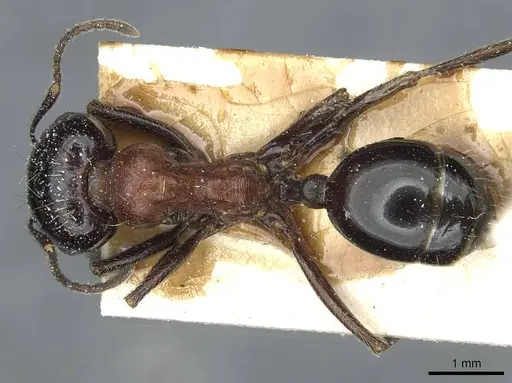
CASENT0923728
View on AntWeb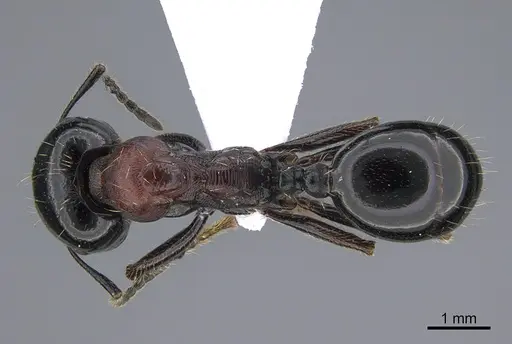
Literature
Loading...Loading products...