

Messor instabilis
- Scientific Name
- Messor instabilis
- Tribe
- Stenammini
- Subfamily
- Myrmicinae
- Author
- Smith, 1858
- Distribution
- Found in 2 countries
Messor instabilis Overview
Messor instabilis is an ant species of the genus Messor. It is primarily documented in 2 countries , including India, Pakistan. Detailed taxonomic data and occurrence records can be further explored via authoritative databases such as AntWeb or the Global Biodiversity Information Facility (GBIF).
Messor instabilis
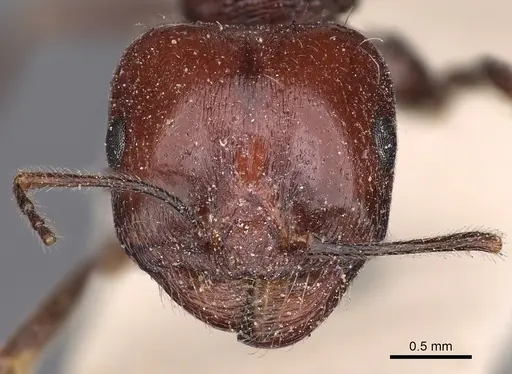
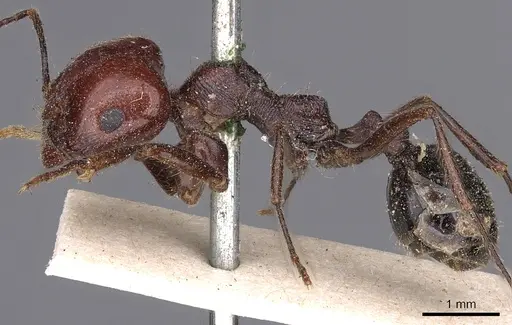
Messor instabilis is a medium-sized harvester ant native to South Asia and the Middle East. Workers measure 4-9mm with a distinctive appearance: the head and mesosoma are dark shining red, while the gaster is black. The antennae scapes and tarsi are pale. Major workers have a coarsely striated thorax, while minors are smoother and more polished. Queens are larger at 11-12.5mm and nearly black. This species is a confirmed seed harvester that collects and stores seeds in underground granaries, and has been observed tending aphids for honeydew in the wild [1]. They inhabit areas with permeable soil and sparse vegetation, from lowland agricultural fields to forested mountain slopes up to 3800 feet elevation.
Quick Summary
- Difficulty: Easy
- Origin & Habitat: Native to India, Pakistan, Afghanistan, and Israel. Found across the Himalayan region and into the eastern Mediterranean. In the wild, they nest under stones in forest areas, in soil galleries, and at the base of vegetation near water sources [1]. They require permeable soil and avoid clay, humus-rich, and heavily shaded areas [2].
- Colony Type: Single-queen colonies (monogyne). This follows typical Messor genus patterns where colonies establish with one founding queen.
- Colony: Monogyne
- Founding: Claustral
- Size & Growth:
- Queen: 11-12.5mm [3]
- Worker: 4-9mm [3]
- Colony: Colony size reaches several thousand workers based on typical Messor patterns
- Growth: Moderate
- Development: 6-10 weeks (estimated based on typical Messor genus development) (Development time is estimated from related Messor species. Growth is moderate, faster in warm summer months, slower during winter.)
- Antkeeping:
- Temperature: Keep at 24-28°C. They are adapted to warm temperate to subtropical conditions and tolerate the mid-to-high 20s well. A heating cable on one side of the nest creates a useful gradient.
- Humidity: Low to moderate. These ants naturally inhabit drier areas with permeable soil. Keep the nest substrate dry to moderately moist, avoid damp, humid conditions that cause mold in seed stores.
- Diapause: Yes. This species is not found during winter months in the wild [4]. Keep colonies cool (around 15-18°C) for 2-3 months during winter to simulate natural dormancy.
- Nesting: Use a naturalistic setup with a sand or sandy-soil mixture, or a Y-tong/plaster nest with chambers scaled to their size. The substrate must be permeable to allow for seed storage granaries. Avoid clay-heavy or overly compact substrates.
- Behavior: Workers are active foragers that harvest seeds and collect honeydew from aphids. They are not particularly aggressive but will defend the nest. Workers are moderate-sized (4-9mm), escape prevention should include standard mesh barriers but they are not extreme escape artists like tiny ants. They show seasonal activity patterns, being most active in spring through autumn and less active in winter.
- Common Issues: seed stores can mold if humidity is too high, keep nesting area relatively dry, colonies may become sluggish or stop brood development during winter if not given a proper diapause period, wild-caught colonies may carry parasites that can devastate captive colonies, permeable soil requirement means test tube setups may not provide ideal conditions for seed storage, overheating can be fatal, avoid temperatures above 32°C
Nest Preferences and Setup
Messor instabilis naturally nests under stones and in soil, preferring permeable substrates like sandy soil where they can create seed storage chambers [2]. In captivity, a naturalistic setup with a sand or sandy-loam mixture works well, or you can use a Y-tong/plaster formicarium with appropriately sized chambers. The key requirement is that the substrate allows water to drain through, these ants avoid clay and humus-rich soils. Provide a layer of fine sand mixed with some soil for workers to dig in and create their granaries. Outworld space should include areas for seed storage and foraging. A water tube should be provided, but the nest itself can be kept relatively dry.
Feeding and Diet
As confirmed seed harvesters, these ants primarily collect and store seeds. In captivity, offer a variety of seeds, grass seeds, millet, chia, and similar small seeds are readily accepted. They also forage for protein and will take small insects like fruit flies, small mealworms, or cricket pieces. Workers have been observed tending aphids in the wild and collecting honeydew [1], so occasional sugar water or honey offerings are appreciated. Seeds should be provided in a dry dish in the outworld, the ants will transport them to storage chambers. Protein should be offered 2-3 times per week, with seeds always available. Remove uneaten seeds periodically to prevent mold.
Temperature and Seasonal Care
Keep nesting areas at 24-28°C for optimal brood development. A heating cable on one side of the nest creates a temperature gradient that allows ants to regulate their own conditions. These ants are active from spring through autumn and enter dormancy during winter. In the wild, they are not found during winter months [4]. During the cold season (roughly November to February in the Northern Hemisphere), reduce temperatures to 15-18°C to provide a proper diapause period. This simulates their natural cycle and helps maintain colony health. Do not feed heavily during diapause, reduce food offerings and expect reduced activity.
Behavior and Foraging
Workers are active foragers that search for seeds and protein across the outworld. They exhibit typical Messor harvesting behavior, carrying seeds back to nest storage chambers. Colonies expand their foraging range as they grow. Workers are moderately aggressive when defending the nest but are not particularly dangerous to humans, they may bite if provoked but have no potent sting. The species shows clear seasonal patterns: peak activity in summer and rainy seasons, reduced activity in autumn, and no activity in winter [4]. This correlates with their need for a winter diapause period.
Colony Growth and Development
A newly mated queen will seal herself in a claustral chamber and raise her first brood using stored fat reserves. The first workers (nanitics) are typically smaller than mature workers. Based on typical Messor development patterns, expect first workers within 6-10 weeks under warm conditions. Colony growth is moderate, faster during warm months when foragers are active, slower during winter dormancy. Mature colonies can reach several thousand workers. Major workers develop as the colony grows, with larger heads and more robust mandibles for seed processing. The queen can live for many years, with documented lifespans of 15-20+ years in some Messor species.
Escape Prevention
Workers are 4-9mm in size, making them moderate-sized ants. Standard escape prevention measures work well, use fluon on container edges, ensure lids fit tightly, and use fine mesh on any ventilation. They are not extreme escape artists like tiny ants (under 3mm), but they are active foragers and will explore any gaps. Check connections between nest and outworld regularly, and ensure any tubing is securely attached. A barrier of fluon or petroleum jelly around the rim of the outworld container provides reliable protection.
Frequently Asked Questions
How long does it take for Messor instabilis to raise first workers?
Expect first workers (nanitics) in 6-10 weeks after the queen lays her first eggs, assuming temperatures around 24-28°C. This is based on typical Messor genus development patterns, as specific timing for this species has not been documented.
Do Messor instabilis ants need hibernation?
Yes, they require a winter diapause. In the wild, this species is not found during winter months [4]. Keep colonies at 15-18°C for 2-3 months during winter (roughly November-February). Reduce feeding during this period and expect minimal activity.
What do Messor instabilis eat?
They are seed harvesters, offer a variety of small seeds like grass seeds, millet, or chia. They also need protein from small insects (fruit flies, small mealworms, cricket pieces) offered 2-3 times weekly. Occasional sugar water or honey is accepted since they also collect honeydew in the wild [1].
Can I keep multiple Messor instabilis queens together?
This species is monogyne, single-queen colonies. Do not combine unrelated foundress queens, as they will fight to the death. Only one queen per colony should be kept.
What size colony do Messor instabilis form?
Mature colonies can reach several thousand workers. Workers range from 4-9mm, with majors developing as the colony grows. Queens are 11-12.5mm.
Are Messor instabilis good for beginners?
Yes, they are considered easy to keep. They are not demanding in terms of humidity (prefer drier conditions), accept a wide variety of foods, and have straightforward temperature requirements. The main considerations are providing proper winter diapause and ensuring their seed-storage setup has permeable substrate.
Do Messor instabilis ants sting?
They can bite if provoked but are not considered dangerous to humans. They lack a potent sting that would cause significant pain. Handle with standard antkeeping precautions, avoid letting them walk on bare skin where they might pinch.
What type of nest is best for Messor instabilis?
A naturalistic setup with sandy soil allows them to create natural seed storage chambers. Y-tong or plaster nests with appropriately sized chambers also work well. The key is using permeable substrate, avoid clay-heavy or compact soils that don't drain well [2].
Why are my Messor instabilis not active in winter?
This is normal, they enter winter dormancy (diapause) when temperatures drop. If you are not providing a cool period, reduce temperatures to 15-18°C for 2-3 months. This mimics their natural seasonal cycle and is essential for long-term colony health.
How often should I feed Messor instabilis?
Keep seeds available at all times, they store these in nest chambers. Offer protein (small insects) 2-3 times per week. Remove uneaten protein after 24-48 hours to prevent mold. Sugar water or honey can be offered weekly as a supplement.
Where is Messor instabilis found in the wild?
They range from India and Pakistan across to Israel. Their center of origin appears to be the Himalayas [2]. They prefer areas with permeable soil and sparse vegetation, avoiding clay soils and heavily shaded areas [2].
When should I move my colony to a formicarium?
Move them when the colony reaches roughly 50-100 workers and the test tube setup becomes crowded. Messor ants need space for seed storage, so ensure the formicarium includes chamber space for granaries. A gradual transition with the test tube connected to the formicarium works best.
References

This caresheet is licensed under CC BY-SA 4.0 .
CASENT0900485
View on AntWeb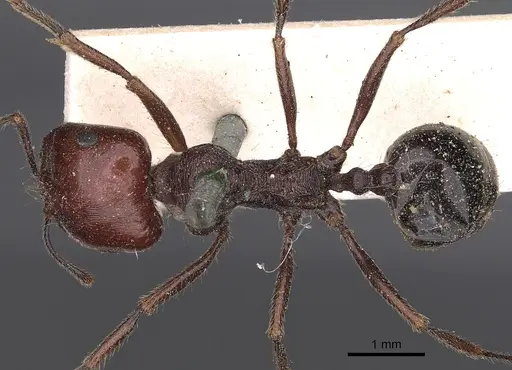
Literature
Loading...Loading products...