

Messor sultanus
- Scientific Name
- Messor sultanus
- Tribe
- Stenammini
- Subfamily
- Myrmicinae
- Author
- Santschi, 1917
- Distribution
- Found in 1 countries
Messor sultanus Overview
Messor sultanus is an ant species of the genus Messor. It is primarily documented in 1 countries , including Syrian Arab Republic. Detailed taxonomic data and occurrence records can be further explored via authoritative databases such as AntWeb or the Global Biodiversity Information Facility (GBIF).
Messor sultanus
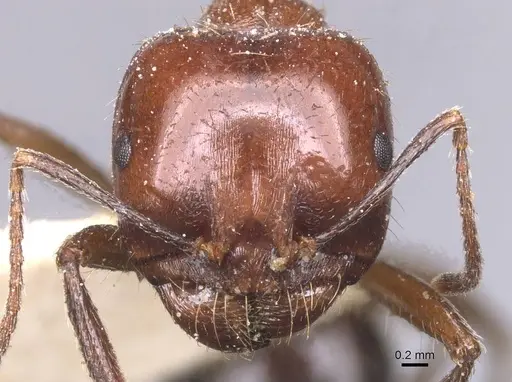
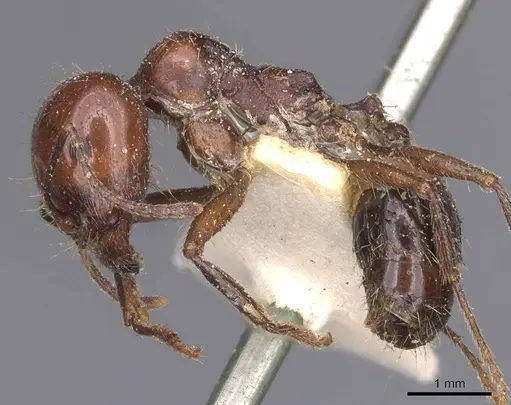
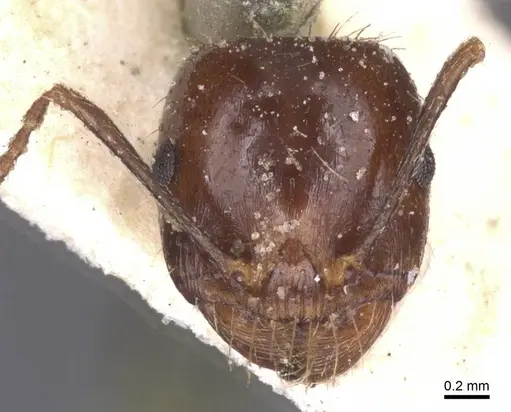
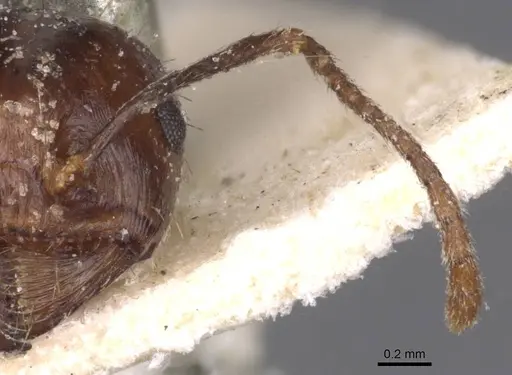
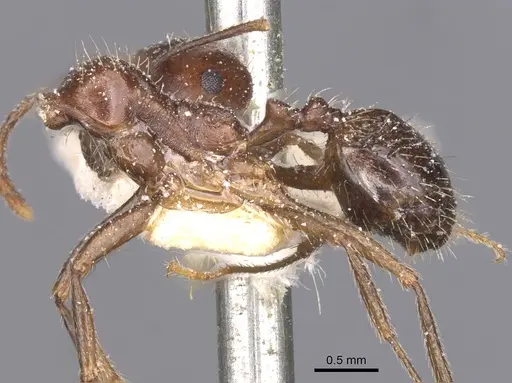
Messor sultanus is a medium-sized harvester ant native to the eastern Mediterranean region, found across Israel, Turkey, Iran, Lebanon, and surrounding areas [1][2]. Workers measure 4-8mm with the characteristic large, angular heads that define the genus, major workers have especially robust mandibles for cracking seeds [3]. The species was originally described as a variety of Messor barbarus but was elevated to full species status based on morphological and distributional differences. Unlike many ants, Messor species are primarily seed-eaters, they harvest and store seeds as their primary food source, making them fascinating for antkeepers interested in granivorous species.
Quick Summary
- Difficulty: Easy
- Origin & Habitat: Eastern Mediterranean region, found in Israel (Coastal Plain, Judean Hills, northern Negev), Turkey, Iran, and Lebanon [2][1]. In Iran, they have been collected from rice fields and surrounding grasslands [4]. They prefer warm, dry to semi-arid habitats with open ground for foraging.
- Colony Type: Monogyne, single queen colonies. Queens establish nests alone after mating flights.
- Colony: Monogyne
- Founding: Claustral
- Size & Growth:
- Queen: Estimated 10-14mm based on genus patterns
- Worker: 4-8mm (polymorphic, minor workers 4-5mm, major workers 7-8mm)
- Colony: Estimated 1,000-5,000 workers based on genus patterns
- Growth: Moderate
- Development: Estimated 8-12 weeks at optimal temperature based on genus patterns (Development time varies with temperature, warmer conditions speed development)
- Antkeeping:
- Temperature: Keep at 24-28°C, they thrive in warm conditions matching their Mediterranean origin. A heating cable on one side of the nest creates a gradient.
- Humidity: Low to moderate, these are dryland ants. Keep nest substrate dry to slightly moist, with a dry foraging area. Avoid damp conditions.
- Diapause: Yes, they benefit from a winter rest period of 8-12 weeks at 10-15°C
- Nesting: Y-tong (AAC) nests work well, they prefer dry chambers. Naturalistic setups with sand or soil substrates also work. Avoid overly humid conditions.
- Behavior: Generally peaceful but can be defensive when their nest is threatened. Workers are active foragers that venture out to collect seeds and protein. They are not aggressive toward humans and rarely sting. Major workers use their powerful mandibles for seed processing rather than defense. Escape risk is moderate, standard barriers work well for their size.
- Common Issues: seed storage can lead to mold if substrate stays too damp, colonies may decline if not given enough protein during growth phases, winter diapause is important, skipping it can weaken colonies over time, major workers can get stuck in water tubes if reservoirs are too large, slow founding phase causes some keepers to overcheck the queen, disturbing the nest
Housing and Nest Setup
Messor sultanus does well in Y-tong (AAC) nests or naturalistic setups with a sand/soil mix. These ants prefer dry conditions, the nest chambers should be relatively dry with only a small water reservoir for humidity control. For naturalistic setups, use a substrate that holds its shape when tunnels are dug. Test tube setups work for founding colonies but monitor for mold. Provide a connection to an outworld with a foraging area. Escape prevention is straightforward for this species, standard barriers work well since workers are a comfortable size to monitor.
Feeding and Diet
As granivorous ants, Messor sultanus primarily eats seeds, they will collect and store seeds in their nest, cracking them open with their major workers' powerful mandibles. Offer a variety of seeds: grass seeds, millet, sunflower seeds (cracked open), and commercial ant seed mixes. They also need protein, offer small insects like fruit flies, mealworms, or crickets. Unlike many ants, they do not need sugar water or honey. Fresh water should always be available. Remove uneaten seeds periodically to prevent mold.
Temperature and Seasonal Care
Keep your colony at 24-28°C for optimal growth and activity. A heating cable placed on one side of the nest creates a temperature gradient that lets ants choose their comfort zone. During winter (roughly November to March in the Northern Hemisphere), reduce temperature to 10-15°C for a diapause period. This winter rest is important for colony health and helps trigger reproduction in spring. Do not feed during deep diapause but keep a small water source available.
Colony Development
A claustral queen will seal herself in a chamber and survive on stored fat reserves while raising her first brood. The first workers (nanitics) are smaller than mature workers but will begin foraging once they emerge. Growth is moderate, expect 6-12 months to reach 50-100 workers under good conditions. Colonies are polymorphic, meaning you'll see both small minor workers and large major workers (soldiers) as the colony grows. Major workers develop later and have specialized heads for seed processing.
Behavior and Temperament
Messor sultanus is a calm species that focuses on seed collection and storage. Workers are active foragers that will venture out to gather seeds and small prey. They are not particularly aggressive but major workers can deliver a nip with their powerful mandibles if threatened. The colony maintains organized seed stores in chambers away from the brood area. They are fascinating to watch as major workers crack seeds and pass them to minor workers for processing.
Frequently Asked Questions
Can I keep Messor sultanus in a test tube?
Yes, test tubes work for founding colonies. Use a small water reservoir and monitor for mold. Transfer to a larger nest (Y-tong or naturalistic) once the colony reaches 50+ workers.
What do Messor sultanus eat?
They are seed-eaters, offer grass seeds, millet, cracked sunflower seeds, and small insects for protein. They do not need sugar sources.
How long until first workers?
Expect first workers (nanitics) in 4-8 weeks after the queen lays eggs, depending on temperature. Full colony development takes 6-12 months to reach 50-100 workers.
Do Messor sultanus need hibernation?
Yes, they benefit from a winter diapause. Keep them at 10-15°C for 8-12 weeks during winter. This helps maintain colony health and can trigger spring reproduction.
Are Messor sultanus good for beginners?
Yes, they are beginner-friendly. They are calm, don't require sugar, and have straightforward temperature needs. The main challenges are providing proper seed diet and managing winter diapause.
How big do Messor sultanus colonies get?
Colonies typically reach 1,000-5,000 workers over several years. The presence of large major workers indicates a mature colony.
Do Messor sultanus ants sting?
They can bite with their mandibles but rarely sting. Major workers may nip if threatened, but they are not aggressive toward humans.
When should I move them to a formicarium?
Move from test tube to a proper nest when the colony reaches 30-50 workers or the test tube becomes crowded. Y-tong nests work well for this species.
Can I keep multiple Messor sultanus queens together?
No, this is a monogyne species, colonies should have only one queen. Introducing additional queens will result in fighting.
Why are my Messor sultanus dying?
Common causes include: too much moisture (they prefer dry conditions), insufficient protein in their diet, disturbing the queen during founding, or skipping winter diapause. Check that seeds are fresh and remove mold promptly.
References

This caresheet is licensed under CC BY-SA 4.0 .
CASENT0913217
View on AntWeb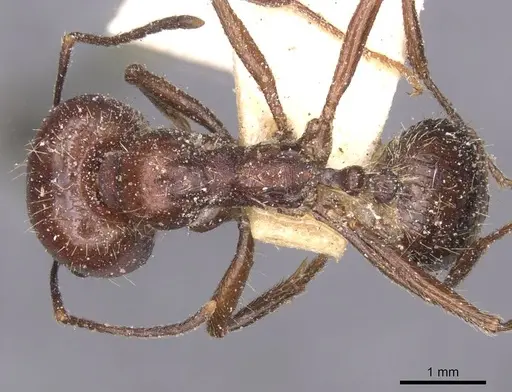
CASENT0913218
View on AntWeb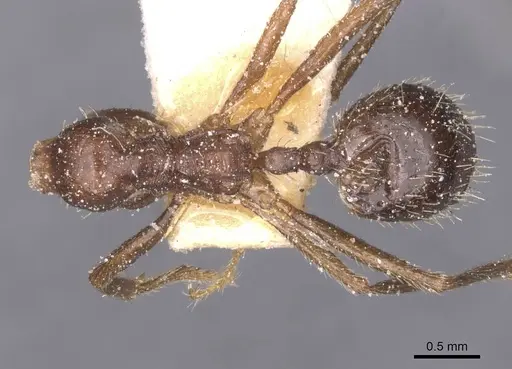
Literature
Loading...Loading products...