

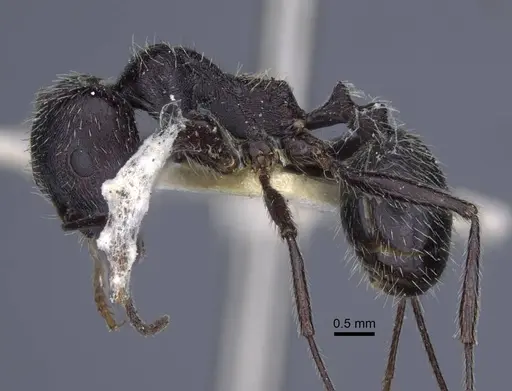
Messor reticuliventris
- Scientific Name
- Messor reticuliventris
- Tribe
- Stenammini
- Subfamily
- Myrmicinae
- Author
- Karavaiev, 1911
- Distribution
- Found in 1 countries
Messor reticuliventris Overview
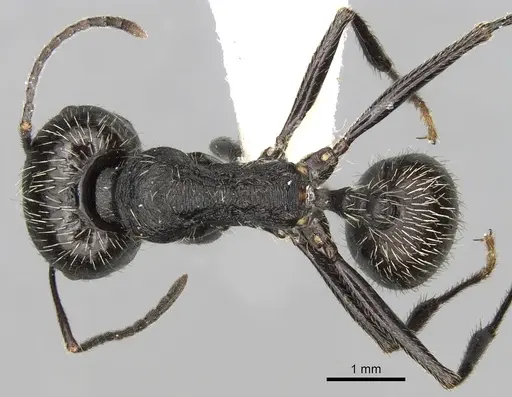
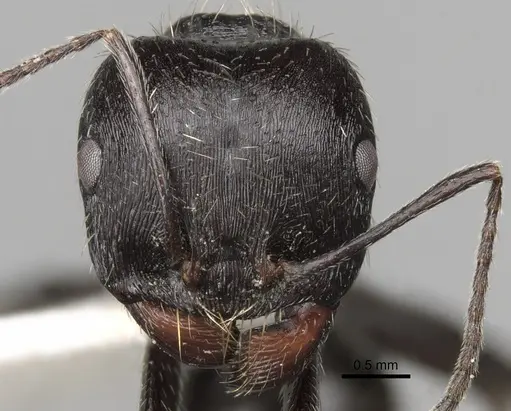
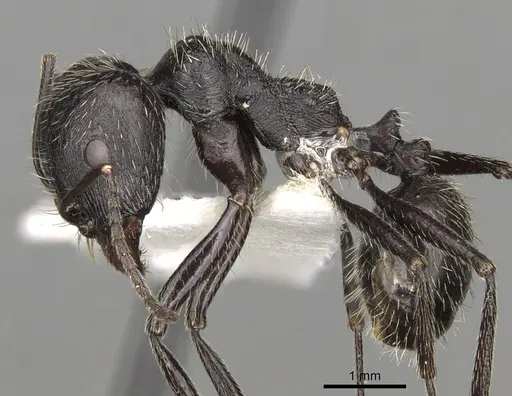
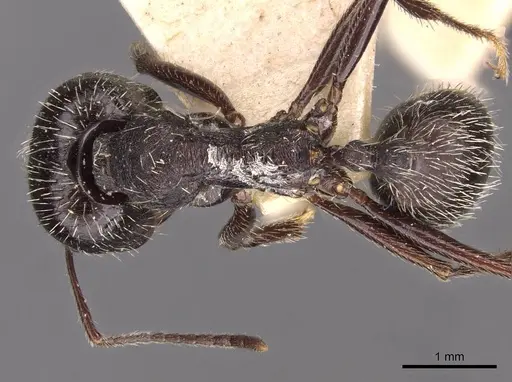
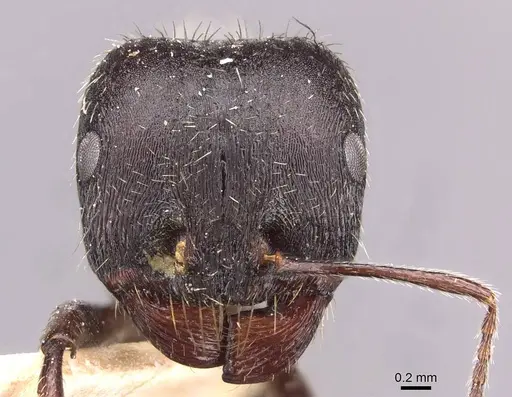
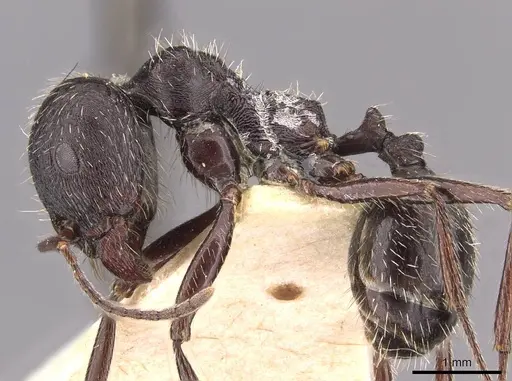
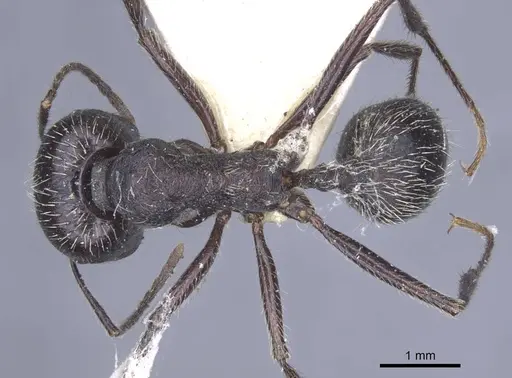
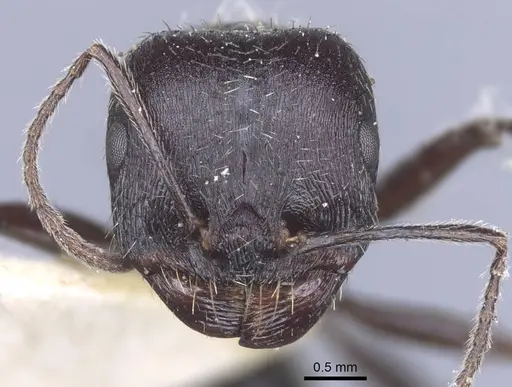
Messor reticuliventris is an ant species of the genus Messor. It is primarily documented in 1 countries , including Afghanistan. Detailed taxonomic data and occurrence records can be further explored via authoritative databases such as AntWeb or the Global Biodiversity Information Facility (GBIF).
Messor reticuliventris
Messor reticuliventris is a medium-sized harvester ant species native to Central Asia, found across Turkmenistan, Afghanistan, Pakistan, and Kazakhstan [1]. Workers are polymorphic, meaning they come in different sizes, a common trait in the Messor genus where major workers have large, powerful mandibles for seed processing. The species was originally described as a subspecies of Messor barbarus in 1910 before being elevated to full species status in 1961 [1]. As a harvester ant, this species collects and stores seeds as its primary food source, making it an interesting species for keepers interested in observing granary behavior.
Quick Summary
- Difficulty: Medium
- Origin & Habitat: Central Asia, found in Turkmenistan, Afghanistan, Pakistan, and Kazakhstan. Inhabits dry steppe and semi-arid regions typical of the Palaearctic [1].
- Colony Type: Single-queen colonies (monogyne) based on typical Messor genus patterns. Polygyny has not been documented for this species.
- Colony: Monogyne
- Founding: Claustral
- Size & Growth:
- Queen: Estimated 10-14mm based on genus Messor patterns
- Worker: 4-12mm polymorphic (minor workers 4-6mm, major workers 10-12mm) based on genus typical
- Colony: Likely several thousand workers at maturity based on genus patterns
- Growth: Moderate
- Development: Estimated 8-12 weeks at optimal temperature based on related Messor species (Development time is temperature-dependent, warmer conditions within safe range accelerate development)
- Antkeeping:
- Temperature: Keep at 22-26°C. Provide a temperature gradient so ants can self-regulate. Central Asian species can tolerate some cooling but prefer warmer conditions.
- Humidity: Low to moderate, aim for 40-60% humidity. These are dry-adapted ants from steppe regions. Allow the nest to dry out between waterings rather than keeping it constantly moist.
- Diapause: Yes, this temperate species requires a winter dormancy period. Reduce temperature to 10-15°C for 3-4 months during winter months (roughly November-February in the Northern Hemisphere).
- Nesting: Ground-nesting species that prefers dry conditions. Y-tong (AAC) nests or plaster nests work well. Provide a sand or soil mixture in the outworld for them to sort and store seeds. Avoid overly humid nest conditions.
- Behavior: Generally calm temperament but major workers will defend the colony with their powerful mandibles if threatened. They are seed harvesters and spend considerable time collecting and processing seeds in the outworld. Workers are polymorphic, smaller workers handle brood care and interior tasks while larger majors crack seeds and defend the nest. Escape risk is moderate, use standard barrier methods but they are not particularly adept climbers.
- Common Issues: seed storage can mold if humidity is too high, keep nesting area dry, winter dormancy is essential for this temperate species, skipping diapause can weaken colonies, polymorphic workers mean slower early growth, beginners may lose patience, major workers have strong mandibles and can deliver a pinch if handled roughly, wild-caught colonies may carry parasites that affect captive health
Housing and Nest Setup
Messor reticuliventris does well in Y-tong (AAC) nests or plaster formicaria. These ants prefer dry nesting conditions, so avoid setups that retain excessive moisture. In the outworld, provide a deep layer of sand or soil (at least 2-3cm) where they can sort and store their seeds, this is where their natural harvesting behavior shines. A water test tube with a cotton wick should be provided for drinking water, but the nest itself should remain relatively dry. Standard escape prevention with fluon on container edges works well, though these ants are not particularly strong climbers compared to some species.
Feeding and Diet
As a harvester ant, Messor reticuliventris primarily eats seeds. Provide a variety of seeds including grass seeds, millet, and bird seed mixes. They will also accept protein sources like small insects (fruit flies, small crickets, mealworms) especially when raising brood. Sugar water or honey can be offered occasionally but seeds should form the bulk of their diet. Major workers have specialized mandibles designed for cracking seeds open, so provide seeds small enough for them to process. Remove any uneaten seeds that show signs of mold to prevent colony health issues.
Temperature and Seasonal Care
Maintain temperatures between 22-26°C during the active season. A temperature gradient allows ants to choose their preferred spot. During winter (roughly November through February in the Northern Hemisphere), gradually reduce temperature to 10-15°C to induce dormancy. This diapause period is essential for the health of temperate species like M. reticuliventris, skipping winter rest can lead to colony decline. Resume normal temperatures gradually in spring to trigger renewed activity and brood production.
Colony Development
Founding queens are claustral, they seal themselves in a chamber and raise the first brood without leaving to forage. The first workers (nanitics) are smaller than normal workers but will begin seed-harvesting behavior quickly. Growth is moderate, expect the first major workers to appear as the colony reaches several hundred individuals. Colonies grow faster when fed a balanced diet of seeds and protein. A mature colony may contain several thousand polymorphic workers with distinct size castes.
Frequently Asked Questions
How long does it take for Messor reticuliventris to produce first workers?
First workers typically appear 8-12 weeks after the queen lays eggs, depending on temperature. Warmer conditions within the safe range (22-26°C) speed up development.
What do Messor reticuliventris ants eat?
They are seed-eating harvester ants. Offer a variety of small seeds (millet, grass seeds, bird seed mix) plus occasional protein sources like small insects. Seeds should make up the majority of their diet.
Do Messor reticuliventris ants need hibernation?
Yes, this temperate Central Asian species requires a winter dormancy period. Reduce temperatures to 10-15°C for 3-4 months during winter.
How big do Messor reticuliventris colonies get?
Mature colonies can reach several thousand workers. They are polymorphic, meaning workers come in different sizes with larger majors having powerful mandibles.
Are Messor reticuliventris good for beginners?
They are moderate difficulty. The main challenges are providing proper dry nesting conditions, ensuring winter dormancy, and being patient through the relatively slow early growth phase.
Can I keep multiple Messor reticuliventris queens together?
This species is monogyne (single-queen). Combining unrelated foundress queens is not recommended as they will likely fight.
What size nest do I need for Messor reticuliventris?
Start with a small setup (test tube or small formicarium) for the founding queen. Move to a larger Y-tong or plaster nest as the colony grows to several hundred workers. Provide a sand-filled outworld for seed-sorting behavior.
Do Messor reticuliventris ants sting?
They do not have a potent sting. Major workers can deliver a pinch with their mandibles if handled roughly, but they are not considered dangerous to humans.
Why are my ants not eating seeds?
Ensure seeds are small enough for workers to process. Also verify the colony has workers mature enough to handle seed-cracking, very young colonies may prefer protein initially.
When should I move my colony to a formicarium?
Move to a larger nest when the colony reaches 50-100 workers and the test tube setup becomes crowded. Provide a sand area in the outworld for natural seed-sorting behavior.
References

This caresheet is licensed under CC BY-SA 4.0 .
Literature
Loading...Loading products...