

Messor orientalis
- Scientific Name
- Messor orientalis
- Tribe
- Stenammini
- Subfamily
- Myrmicinae
- Author
- Emery, 1898
- Common Name
- Oriental Harvester Ant
- Distribution
- Found in 4 countries
Messor orientalis Overview
Messor orientalis (commonly known as the Oriental Harvester Ant) is an ant species of the genus Messor. It is primarily documented in 4 countries , including Cyprus, Greece, Syrian Arab Republic. Detailed taxonomic data and occurrence records can be further explored via authoritative databases such as AntWeb or the Global Biodiversity Information Facility (GBIF).
Messor orientalis - "Oriental Harvester Ant"
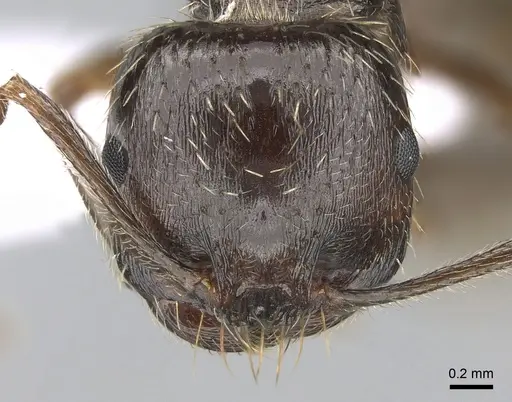
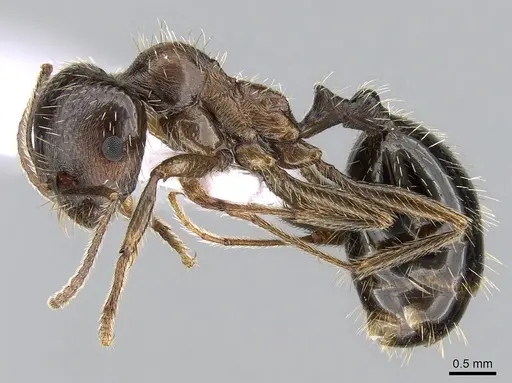
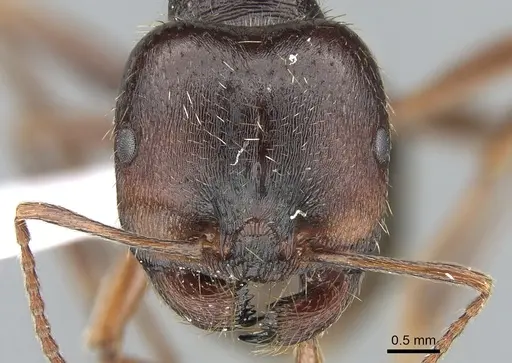
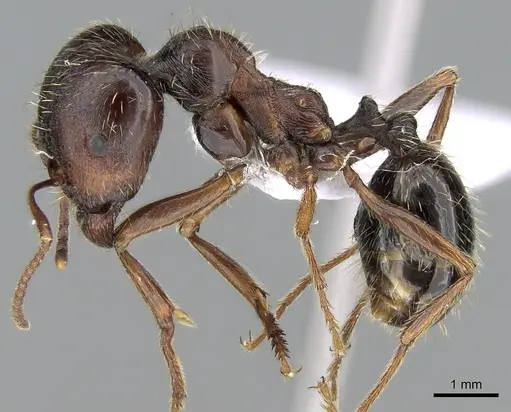
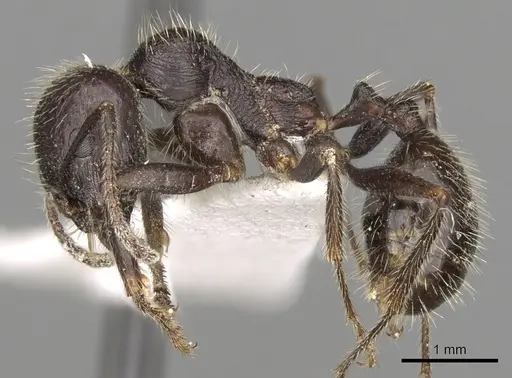
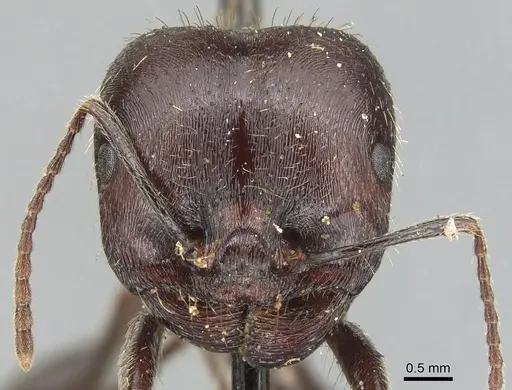
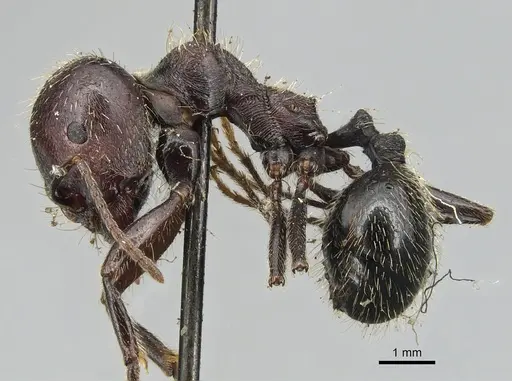
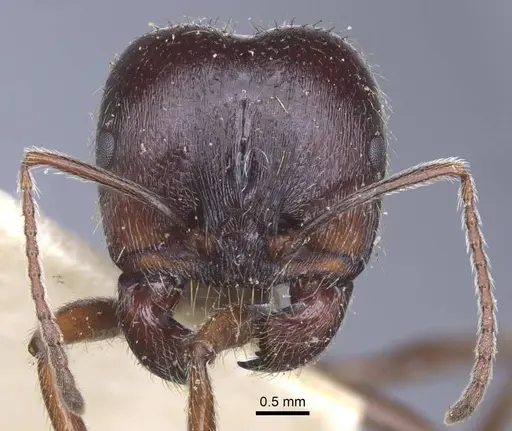
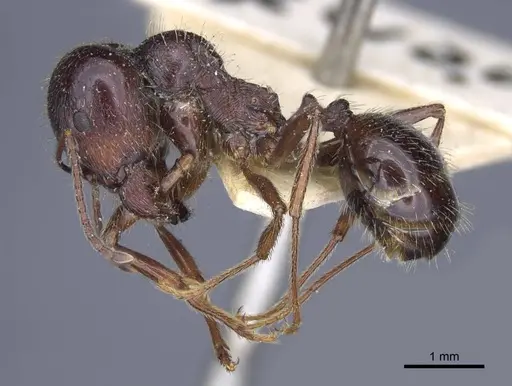
Messor orientalis is a medium-sized harvester ant belonging to the Messor structor species-group. Major workers measure 7-8mm with a distinctly sculpted head featuring longitudinal striations that arch posterolaterally, while minor workers are smaller at 3-4mm. Their coloration ranges from yellow to reddish-brown or dark brown, with the gaster typically darker than the mesosoma. This species is widespread across the eastern Mediterranean, Middle East, and Central Asia, found in countries including Cyprus, Greece, Turkey, Iran, and China [1][2].
What makes M. orientalis stand out is its dual role as both a seed harvester and an aphid farmer. These ants actively collect and store seeds in their nests, and they're the exclusive attendant of Chaitophorus israeliticus aphids, protecting them in exchange for honeydew [3][4]. This thermophilic species thrives in warm, sunny open areas from sea level up to 1325m altitude, demonstrating remarkable adaptability to both coastal and mountainous habitats [1].
Quick Summary
- Difficulty: Easy
- Origin & Habitat: Eastern Mediterranean to Central Asia, found in Cyprus, Greece, Turkey, Iran, Iraq, Israel, Afghanistan, and China. Prefers sunny open areas like seashores, gravel riverbanks, pastures, grasslands, and agricultural fields, but also tolerates less sunny habitats like phrygana and pine forests with bushes [1][2].
- Colony Type: Single-queen colonies (monogyne). Queens are claustral, they seal themselves in to raise their first workers alone using stored fat reserves.
- Colony: Monogyne
- Founding: Claustral
- Size & Growth:
- Queen: Approximately 8-10mm (estimated based on genus patterns)
- Worker: Major workers: 7-8mm, Minor workers: 3-4mm [1]
- Colony: Likely reaches several thousand workers based on typical Messor colony growth patterns
- Growth: Moderate
- Development: Approximately 8-12 weeks at optimal temperature (estimated based on related Messor species) (Development time is temperature-dependent, warmer conditions within safe range accelerate development)
- Antkeeping:
- Temperature: Keep at 24-28°C. As a thermophilic species, they prefer warm conditions. A heating cable on one side of the nest creates a gradient allowing workers to self-regulate [1].
- Humidity: Low to moderate. These ants naturally inhabit dry to semi-dry sunny areas. Keep nest substrate moderately dry with a small water tube for humidity. Avoid overly damp conditions.
- Diapause: Yes, a winter rest period is recommended. Reduce temperature to 10-15°C for 2-3 months during winter months (November-February in the Northern Hemisphere).
- Nesting: Naturalistic setup with direct soil access works best since they nest in the ground. A formicarium with a soil chamber or a Y-tong nest with a dirt insert allows them to create their own tunnels. Ensure the nest area remains dry and warm.
- Behavior: These ants are generally peaceful but can become defensive when their nest is disturbed. Workers are active foragers that collect seeds and tend aphids for honeydew. They're not aggressive toward humans and rarely bite. Major workers have a distinctly angulate propodeum with small denticles, giving them a somewhat spiky appearance. Escape risk is low, they're medium-sized ants that can't squeeze through typical formicarium barriers. Workers create moderate foraging trails but don't build the well-trodden paths seen in some ant species [1].
- Common Issues: overheating, being thermophilic doesn't mean they tolerate extreme heat, keep below 32°C, mold in nest, avoid excessive moisture since they prefer dry conditions, aphid dependency, if keeping them as aphid farmers, ensure a stable aphid source or provide alternative sugar, slow founding, claustral queens seal themselves in for months, beginners may assume the colony is dead, seed storage confusion, new keepers sometimes think stored seeds are mold problems
Housing and Nest Setup
Messor orientalis nests directly in the ground in the wild, so a naturalistic setup with a soil chamber works best. You can use a formicarium with a dirt insert, a Y-tong nest with soil, or even a simple tank with a soil layer. The key is giving them enough depth (at least 5-10cm) to create their nest chambers. Since they're thermophilic, place the nest in a warm area of your setup. A small water tube should be provided for humidity, but don't overdo it, these ants prefer dry conditions. The outworld can be decorated with sand, small stones, and plants to mimic their natural sunny habitat. Make sure the escape prevention is adequate, though these medium-sized ants aren't particularly prone to escaping like tiny species are. [1]
Feeding and Diet
As harvester ants, M. orientalis primarily collects and stores seeds. In captivity, offer a variety of seeds, grass seeds, sunflower seeds (cracked), and commercial ant seed mixes work well. They'll crack the seeds open and consume the nutritious insides. Beyond seeds, they also need protein. Offer small insects like fruit flies, small crickets, or mealworms twice weekly. These ants also tend aphids for honeydew in the wild, so offering sugar water or honey water occasionally is beneficial. The actinomycetes found on these ants suggest they may have some natural antifungal associations with stored seeds, the seeds they store are less likely to mold, which is an interesting symbiotic adaptation [5]. Feed seeds constantly available, and supplement with protein and occasional sugar.
Temperature and Seasonal Care
Being a thermophilic species, Messor orientalis thrives at warm temperatures. Keep the nest area at 24-28°C for optimal colony development. A heating cable placed on one side of the nest creates a temperature gradient, letting workers move to their preferred zone. In winter, they benefit from a diapause period. Reduce temperatures to 10-15°C for 2-3 months, typically from late November through February. During this time, reduce feeding significantly, the colony will be less active. This winter rest mimics their natural seasonal cycle and helps maintain colony health long-term. Don't skip the diapause, as it can affect queen fertility and colony longevity. [1]
Colony Founding
Like most Messor species, M. orientalis is claustral. A newly mated queen will seal herself into a small underground chamber and remain there, living entirely on her stored fat reserves, while she lays eggs and raises the first brood of workers (nanitics). This founding phase can take 4-8 weeks or longer depending on temperature. During this time, the queen needs complete darkness and should not be disturbed. Once the first workers emerge (nanitics, typically smaller than normal workers), they will begin foraging to support the growing colony. It's common for new antkeepers to worry about a seemingly 'dead' queen during this phase, but as long as the queen is alive and sealed, this is normal behavior. Do not open the founding tube until at least 4 weeks after the first workers appear.
Behavior and Foraging
Messor orientalis workers are active foragers that collect seeds and hunt for small insects. Unlike some ant species that create obvious foraging trails, these ants tend to spread out while foraging, covering moderate areas around the nest without forming the well-trodden paths seen in some other species [1]. They're known to tend aphids, particularly Chaitophorus israeliticus, protecting these aphids in exchange for honeydew, this is a mutualistic relationship where both species benefit [3]. Workers are not particularly aggressive but will defend their nest if threatened. The major workers have a distinctly angulate propodeum that can appear somewhat spiky. In captivity, you'll see workers actively collecting and storing seeds in nest chambers, which is fascinating behavior to observe.
Frequently Asked Questions
Can I keep Messor orientalis in a test tube?
Test tubes work for founding colonies, but you'll need to move them to a larger setup with soil once the colony reaches 20-30 workers. They nest in the ground naturally, so a formicarium with a dirt chamber is ideal for established colonies.
How long does it take for the first workers to emerge?
Expect 6-10 weeks from egg to first worker at room temperature (around 24°C). The queen seals herself in during claustral founding and may not be visible for months. Be patient, disturbing the founding chamber can kill the colony.
Do Messor orientalis ants sting?
They have a stinger but rarely use it against humans. They're not considered dangerous. The major workers can give a mild bite if handled roughly, but they're generally docile.
What do Messor orientalis eat?
They primarily eat seeds (harvester ants) but need protein from small insects. They also occasionally feed on honeydew from aphids. Offer seeds constantly, protein (insects) twice weekly, and occasional sugar water or honey.
Do they need hibernation?
Yes, a winter diapause is recommended. Reduce temperatures to 10-15°C for 2-3 months during winter. This helps maintain colony health and supports long-term queen fertility.
Are Messor orientalis good for beginners?
Yes, they're considered easy to keep. They're forgiving of minor care mistakes, don't require high humidity, and are widely available. Their seed-harvesting behavior is also interesting to observe.
How big do colonies get?
Based on typical Messor species, colonies likely reach several thousand workers over several years. The major workers can reach 7-8mm, making them a medium-sized ant species.
When should I move them to a formicarium?
Move the colony when it reaches 20-30 workers and the test tube setup becomes crowded. A naturalistic setup with soil is best since they naturally nest in the ground.
Why are my ants storing so many seeds?
This is completely normal! Harvester ants collect and store seeds as a food source. The seeds are kept in special nest chambers. Interestingly, research shows seeds stored by these ants are less likely to mold due to symbiotic actinomycetes on their bodies [5].
Can I keep multiple queens together?
No. Messor orientalis is monogyne, colonies have a single queen. Combining unrelated queens typically results in fighting. Only one queen per colony.
References

This caresheet is licensed under CC BY-SA 4.0 .
CASENT0281206
View on AntWeb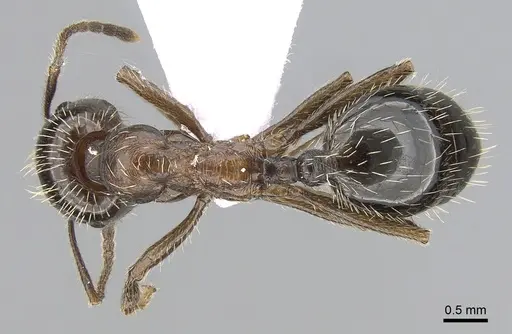
CASENT0281207
View on AntWeb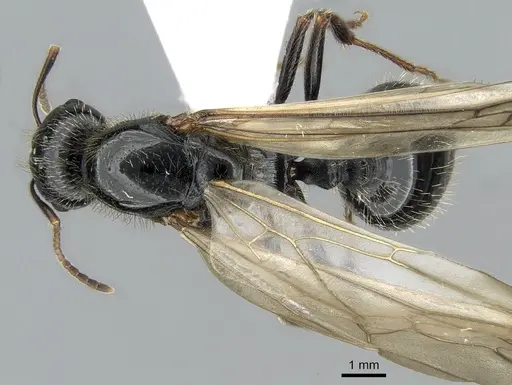
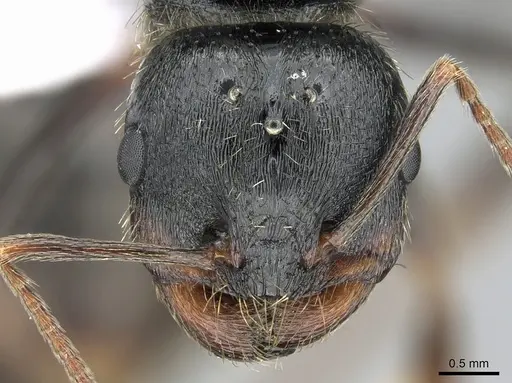
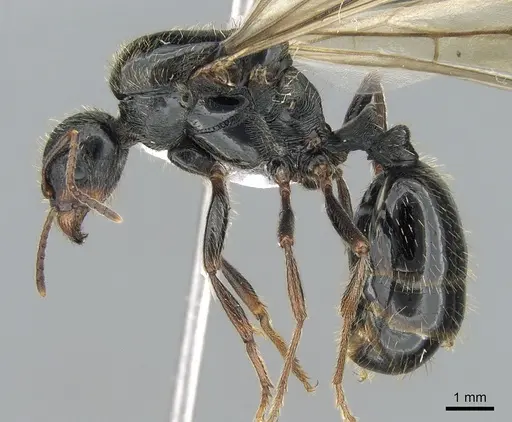
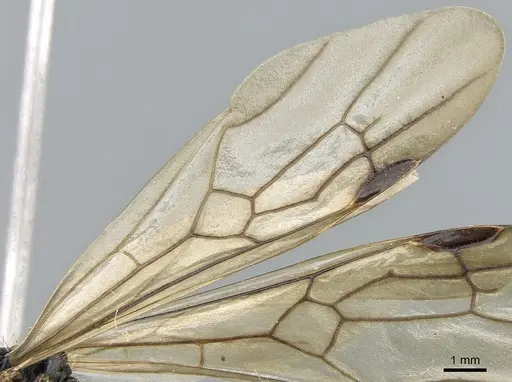
CASENT0281208
View on AntWeb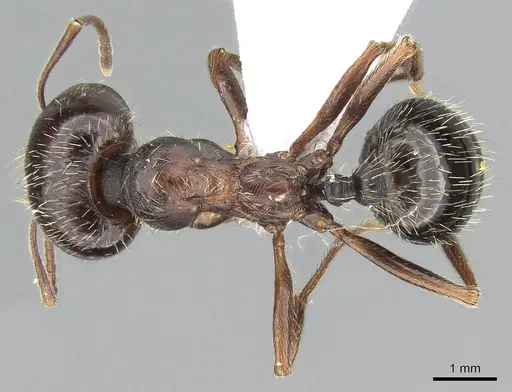
CASENT0281591
View on AntWeb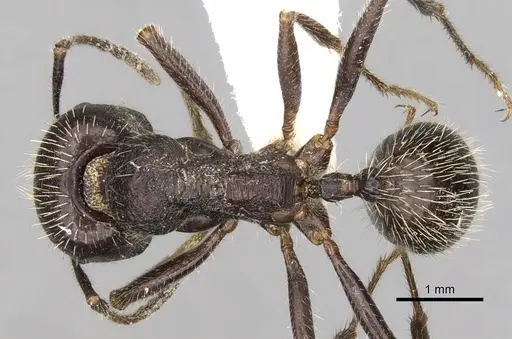
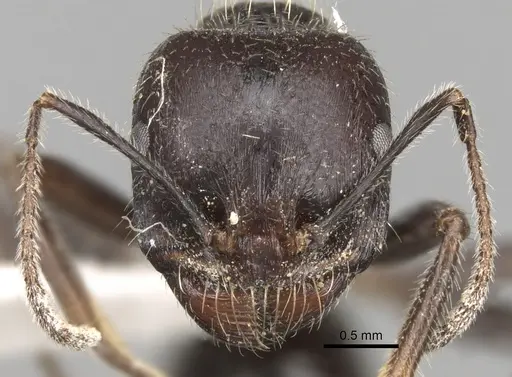
CASENT0904132
View on AntWeb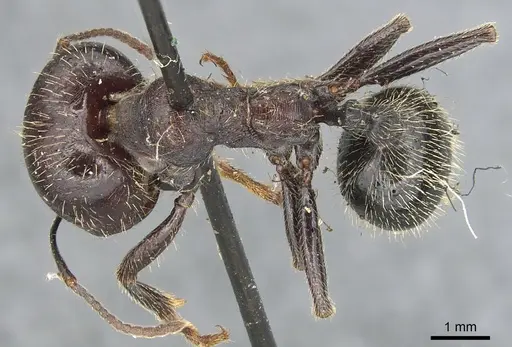
CASENT0913209
View on AntWeb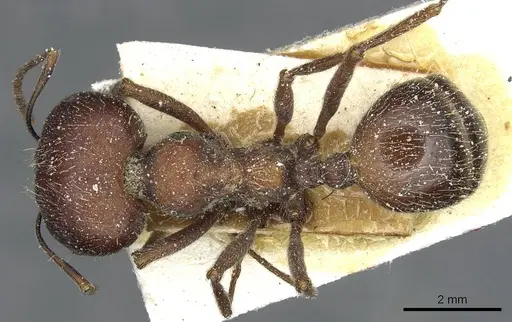
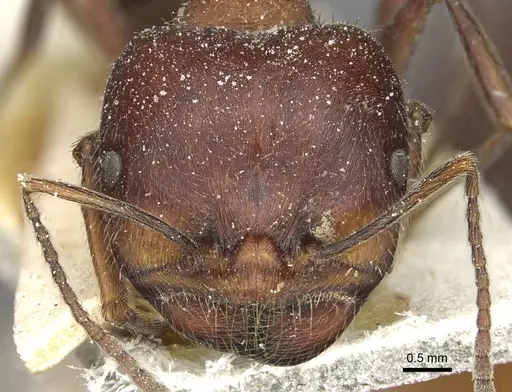
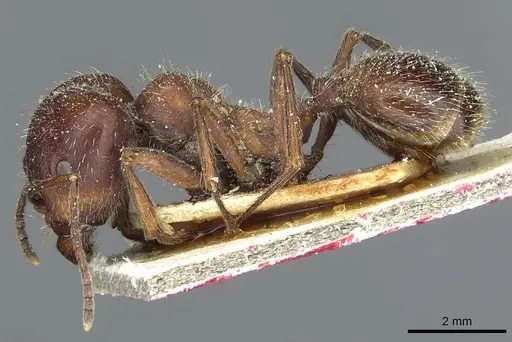
CASENT0916941
View on AntWeb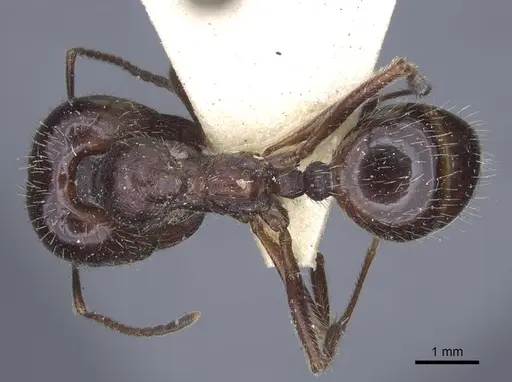
Literature
Loading...Loading products...