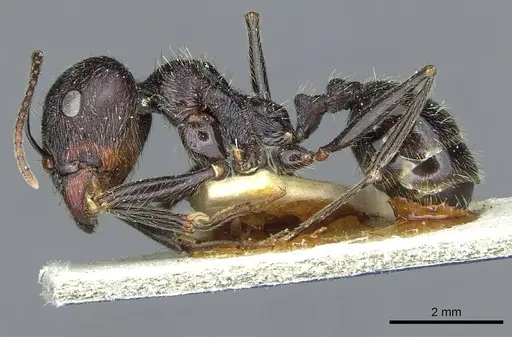
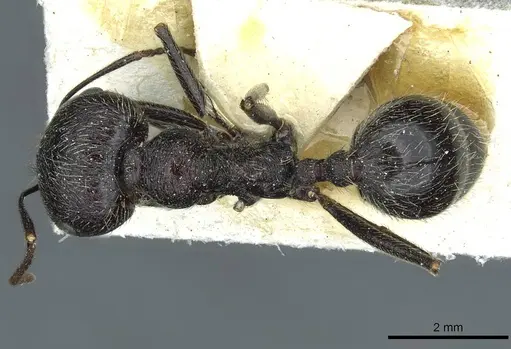
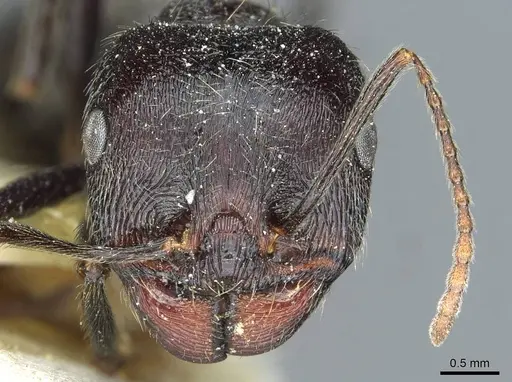
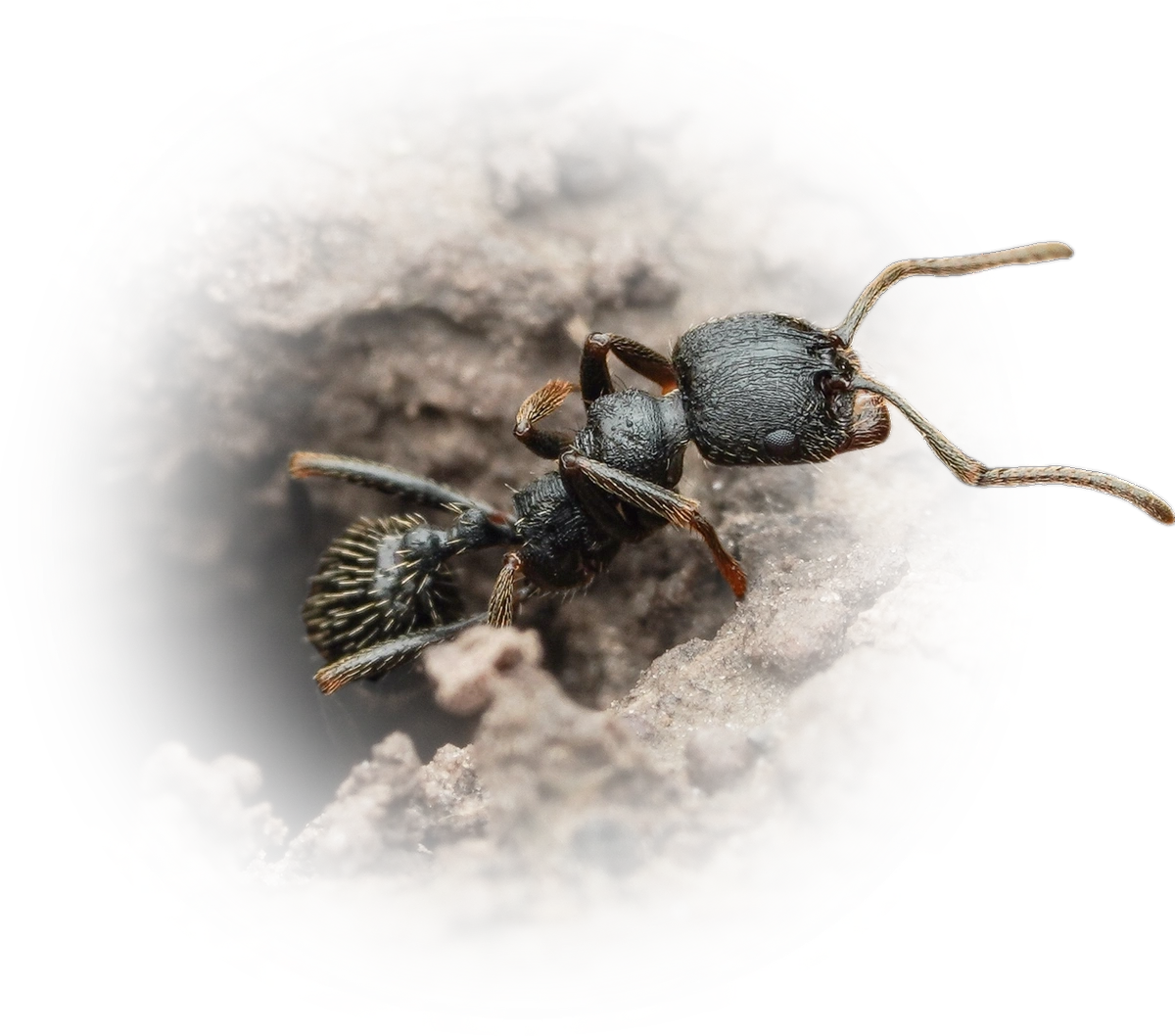
Messor melancholicus - "Melancholic Harvester Ant"
Messor melancholicus is a fascinating harvester ant species, known for its polymorphic workers, meaning they come in various sizes within the same colony. These ants are primarily granivorous, focusing their diet on seeds. They are equipped with tough, shining cuticles and are often observed moving slowly as they transport seeds. Their colonies are subterranean and can be found in open fields and near roadsides. Like other Messor species, they are adept at creating intricate granaries within their nests to store seeds, preventing germination. This species is found in the Palaearctic region, including countries like Armenia, Azerbaijan, Georgia, Iran, Kazakhstan, and Turkey.
- Difficulty: Easy
- Origin & Habitat: Palaearctic Region (Armenia, Azerbaijan, Georgia, Iran, Kazakhstan, Turkey) in Open fields, grasslands, semi-deserts, deserts, and near roadsides, often nesting under rocks and in sandy/loamy soils..
- Colony Type: Monogyne (single queen), claustral (queen seals herself in) founding.
- Size & Growth:
- Queen: 10-11mm
- Worker: 4-11mm
- Colony: Large (tens of thousands). Medium to Fast. Colonies can reach thousands of workers in a few years, growing exponentially with optimal conditions. growth.
- Antkeeping:
- Temperature: Maintain a temperature range of 22-26°C for the nest, with the outworld between 20-28°C. Messor species generally thrive in warm environments and good growth is seen around 24°C..
- Humidity: Provide a humidity gradient within the nest. The brood chambers should be kept at 50-70% humidity, while seed storage areas need to be drier, around 10-50%, to prevent germination and mold..
- Diapause: Required. 4-5 months at 10-15°C.
- Nesting: Messor melancholicus, like other Messor species, prefers nests with distinct dry areas for seed storage and humid areas for brood development. Acrylic, plaster, or Ytong (aerated concrete) formicariums are suitable, though Ytong can be chewed through by larger workers over time. Glass nests with a Digfix insert are highly recommended for optimal viewing and security..
- Behavior: Low (towards handler, food or other ants) aggressiveness.
- Common Issues: Mold in nest (due to excessive humidity in seed storage areas), Mites (can be introduced via unsterilized feeder insects or mold), Colony stalling (often due to stress or insufficient heating/feeding), Seed germination (if seed chambers are too humid), Queen stress (especially during founding stage, leading to brood consumption).
Messor melancholicus are harvester ants, which means their primary diet consists of seeds, making up 80-90% of their food intake. They are incredibly industrious, collecting and storing seeds in specialized chambers within their nests, often referred to as granaries. These seeds are then processed into 'ant bread' to feed the colony, especially the developing brood. It's crucial to offer a variety of small seeds like millet, flax, chia, and poppy seeds to ensure they receive a balanced diet of proteins, carbohydrates, and fats.
While seeds form the bulk of their diet, Messor melancholicus, particularly larger colonies, greatly benefit from protein supplements, especially for queen egg production and larval development. Small, freshly killed insects such as mealworms, crickets, or fruit flies can be offered. It's also important to provide constant access to fresh water, as they require a significant amount for 'ant bread' production. Sugar sources, like honey water or ant jelly, can be provided occasionally for additional carbohydrates, though some colonies may not readily consume them.
Messor ants, including Messor melancholicus, are known for being quite sensitive to disturbances, especially during their founding stage. Minimizing vibrations, noise, and light exposure is crucial to reduce stress on the queen and young colony. Queens can be particularly prone to stress and may even consume their brood if overly disturbed. Patience is key with this species; allow them to settle in a dark, quiet environment, and only check on them around feeding times once every 2-4 weeks.
One of the most impressive aspects of keeping Messor melancholicus is observing their polymorphic worker castes. As the colony grows, you'll witness the emergence of different sizes of workers, from smaller minors to larger majors, sometimes referred to as 'soldiers.' These majors possess powerful mandibles specifically adapted for crushing and opening tough seeds, making them vital to the colony's food processing. The development of these specialized castes is a fascinating display of ant behavior and colony organization.
While Messor melancholicus doesn't strictly hibernate in all regions they inhabit, a diapause period is highly recommended for their long-term health and to stimulate brood production after winter. A cooler period of 4-5 months between 10-15°C from late October to early March is ideal. During diapause, feeding should be minimal, but continuous access to water is essential. Gradually adjusting temperatures when transitioning into and out of diapause will help prevent stress.
Frequently Asked Questions
Are Messor melancholicus good for beginner ant keepers?
Absolutely! Messor melancholicus, like many other Messor species, is often recommended for ant-keeping beginners. They're quite resilient and forgiving of minor mistakes, making them a great choice to start your ant-keeping journey. Their unique seed-harvesting behavior and distinct polymorphic workers also offer a truly captivating observation experience, adding to the enjoyment for novice keepers.
What's the best diet for Messor melancholicus colonies?
The core of a Messor melancholicus colony's diet is seeds, so a diverse mix of small seeds like chia, poppy, millet, and flax is essential. Think of it as their primary food source, much like a staple diet. Supplementing with protein from freshly killed insects such as mealworms or crickets is also highly beneficial for the queen and the growing brood, boosting their development significantly. Don't forget constant access to fresh water; it's crucial for them to create their 'ant bread' from the seeds.
Do Messor melancholicus need hibernation?
While not all Messor species strictly hibernate in every part of their natural range, a diapause period is strongly recommended for Messor melancholicus. This cool-down phase, typically from late October to early March at temperatures between 10-15°C, revitalizes the queen and encourages a surge in brood production when warmer temperatures return. It's a key factor for the long-term health and vibrancy of your colony.
What kind of nest is best for Messor melancholicus?
For Messor melancholicus, you'll want a formicarium that allows for a humidity gradient – a slightly humid area for the brood and a drier zone for seed storage to prevent mold and germination. Acrylic or plaster nests work well, but many experienced keepers prefer glass nests with a 'Digfix' insert. This material is less prone to being chewed through by the powerful major workers and offers excellent visibility into their fascinating underground activities. Be sure to include a sandy or loamy substrate in the outworld to mimic their natural foraging environment.
How large can a Messor melancholicus colony get?
Messor melancholicus colonies can grow to impressive sizes, potentially reaching tens of thousands of workers. With consistent care, proper heating, and a steady food supply, these colonies can expand exponentially within a few years. The presence of various worker sizes, from tiny minors to large majors, becomes much more pronounced as the colony matures, adding to the visual appeal of a thriving colony.
Are Messor melancholicus ants aggressive?
Generally, Messor melancholicus are considered to have low aggression towards handlers. They are not known for stinging, and if they feel threatened, their primary defense is usually to retreat or, in the case of larger workers, to use their strong mandibles defensively. However, like all ants, they can become defensive if their nest is disturbed directly. Their aggression is typically directed towards food sources or rival ant species in the wild.
How often should I feed my Messor melancholicus colony?
For a newly founding colony with just a queen and nanitics (first workers), feed very sparingly, perhaps a tiny amount of crushed seeds and a drop of honey water once every 14-28 days, if at all, as the queen primarily sustains herself from her wing muscles during this claustral phase. Once the colony grows and has a decent number of workers, you should provide seeds regularly, ensuring a constant supply in their dry storage area, and offer protein (insects) and fresh water a few times a week. Always remove any uneaten food to prevent mold.
What's the difference between minor, media, and major workers in Messor melancholicus?
Messor melancholicus workers exhibit polymorphism, meaning they come in different sizes, each with specialized roles. Minor workers are the smallest, often handling general nest duties and foraging for smaller seeds. Media workers are intermediate in size, assisting with seed processing and other tasks. Major workers, often called 'soldiers,' are the largest with impressively robust heads and powerful mandibles, specifically designed for cracking open the toughest seeds and defending the colony. This division of labor is a hallmark of the Messor genus.
How long does it take for a Messor melancholicus egg to become a worker?
The development cycle from egg to adult worker for Messor melancholicus typically takes about 6-8 weeks, though this can vary slightly depending on the temperature. Keeping the nest within the recommended temperature range (22-26°C) will help ensure steady and healthy brood development.
Why is it important to keep the seed storage area dry?
Keeping the seed storage area dry, ideally between 10-50% humidity, is absolutely crucial for Messor melancholicus colonies. If the humidity is too high, the seeds will absorb moisture and can sprout or grow mold, which is detrimental to the colony's health and food supply. Messor ants are experts at managing their granaries, and providing the right humidity gradient in your setup allows them to do this effectively.
Can Messor melancholicus chew through Ytong?
Yes, while Ytong (aerated concrete) is a popular nesting material for many ant species due to its moisture retention properties, the robust major workers of Messor species, including Messor melancholicus, can eventually chew through it with their powerful mandibles. For long-term setups and to prevent escapes, glass nests with a 'Digfix' insert or other hard materials are generally considered a safer and more durable option.
What are common issues faced when keeping Messor melancholicus?
Some common challenges when keeping Messor melancholicus include mold growth in the nest if humidity is too high in seed storage areas, mites being introduced via unsterilized feeder insects, and colony stalling due to inadequate heating or feeding. Queen stress, particularly in the early stages, can lead to the queen consuming her own brood. Ensuring proper humidity gradients, sterilizing feeder insects, providing consistent temperatures, and minimizing disturbances are key to avoiding these issues.
Do Messor melancholicus produce 'ant bread'?
Yes, Messor melancholicus, like all harvester ants in the Messor genus, are well-known for producing 'ant bread'. They chew and process the collected seeds, mixing them with their saliva to create a paste. This 'ant bread' is a vital food source for the entire colony, especially the developing larvae and the queen. It's a fascinating behavior to observe in your formicarium!