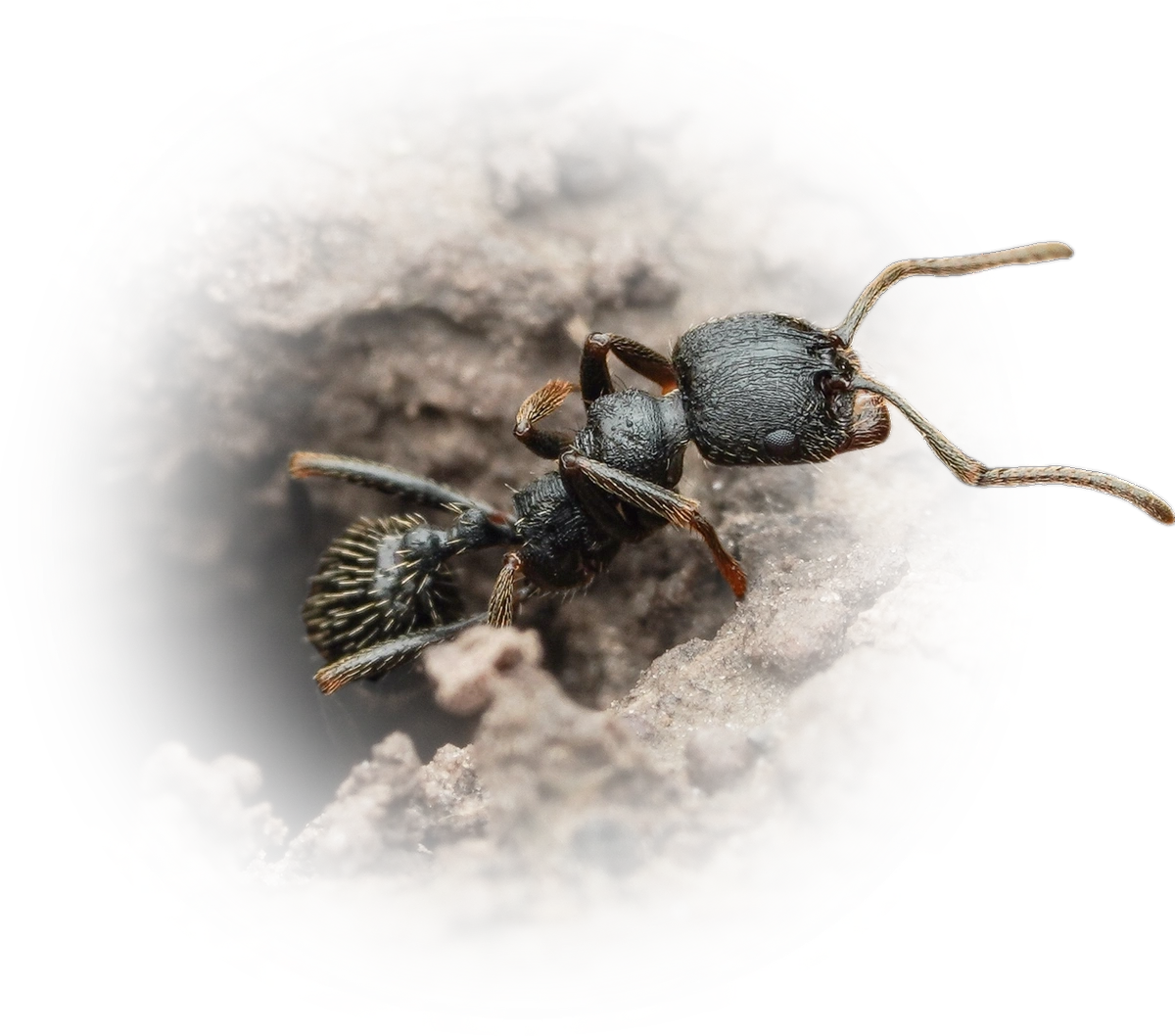

Messor aciculatus
- Scientific Name
- Messor aciculatus
- Tribe
- Stenammini
- Subfamily
- Myrmicinae
- Author
- Smith, 1874
- Distribution
- Found in 4 countries
Messor aciculatus Overview
Messor aciculatus is an ant species of the genus Messor. It is primarily documented in 4 countries , including China, Japan, Korea. Detailed taxonomic data and occurrence records can be further explored via authoritative databases such as AntWeb or the Global Biodiversity Information Facility (GBIF).
Messor aciculatus
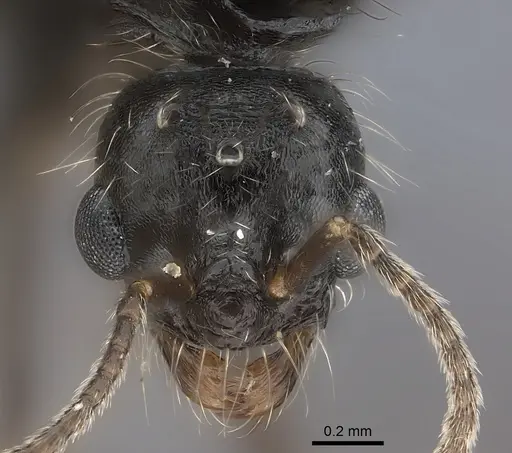
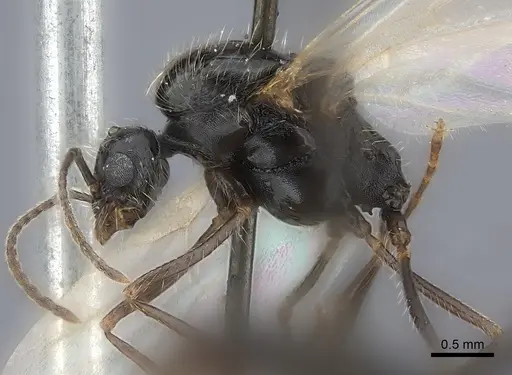
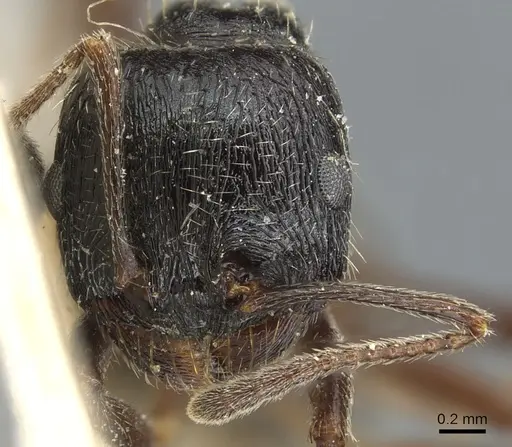
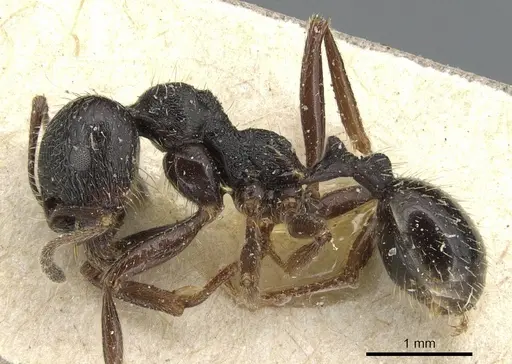
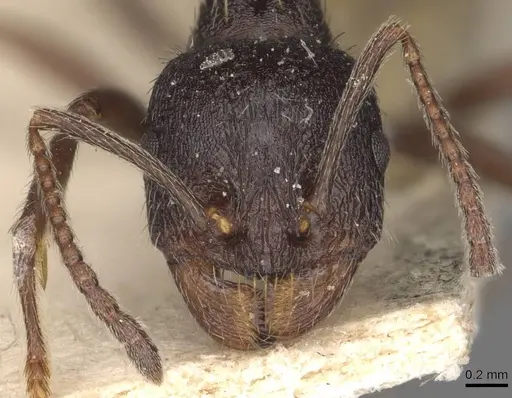
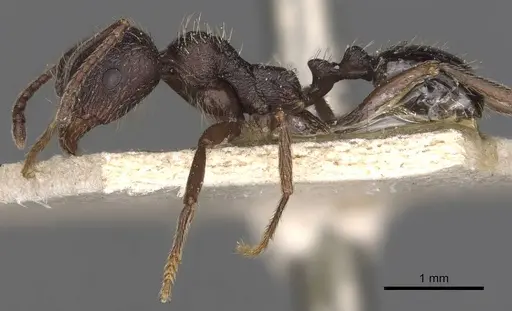
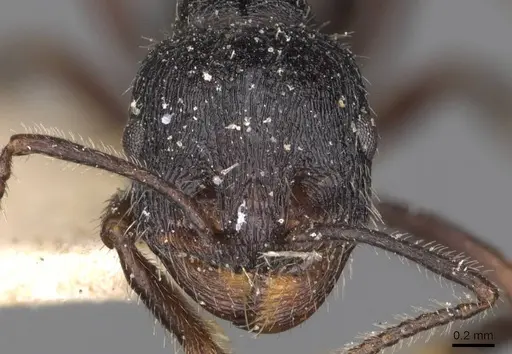
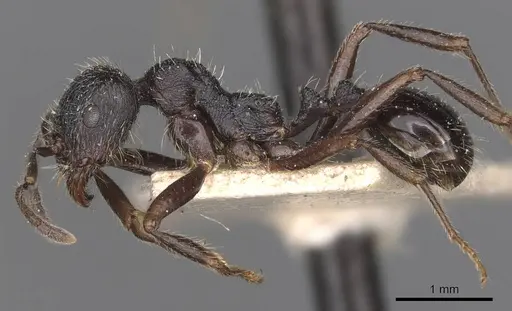
Messor aciculatus is a medium-sized harvester ant native to East Asia, ranging from Japan through Korea, China, and Mongolia. Workers measure 5-6mm and are mostly black with reddish-brown mandibles, antennae, and legs. Their body is covered in distinctive needle-like white hairs. This species is a classic seed-harvester, collecting grass seeds in autumn and storing them in underground chambers. Nests can reach 4 meters deep with multiple chambers connected by vertical shafts. What makes them fascinating is their foraging behavior, each worker shows strong site fidelity, returning to the same areas to search for food. They also exhibit intraspecific kleptoparasitism, where colonies will raid other colonies' nests for stored seeds.
Quick Summary
- Difficulty: Medium
- Origin & Habitat: Native to Japan, Korea, China, Mongolia, and Russia's Far East. Found in open grasslands, bare areas near standing grasses, and agricultural land. Nests are built in open ground with entrances at the surface leading to deep vertical shafts [1].
- Colony Type: Monogyne, single queen colonies. Colonies can grow quite large with many workers.
- Colony: Monogyne
- Founding: Claustral
- Size & Growth:
- Queen: 12.7mm [2]
- Worker: 5.4-5.6mm [2][3]
- Colony: Large colonies with deep nest systems, total nest depth can reach 4 meters with numerous chambers [1]
- Growth: Moderate
- Development: Estimated 6-10 weeks based on genus patterns (Three larval instars documented [1]. Development is typical for Myrmicinae harvester ants.)
- Antkeeping:
- Temperature: Keep around 22-26°C. This is a temperate species adapted to seasonal climates, they can tolerate cooler temperatures and remain active in winter when soil temperature exceeds 4-5°C [4][5].
- Humidity: Moderate humidity. Nest chambers should have some moisture but avoid waterlogging. Provide a water tube and allow them to manage humidity within the nest.
- Diapause: Yes, this species is winter-active in Japan, meaning they remain active through winter months when temperatures are above 4-5°C [1]. They do not enter full diapause but reduce activity in cold periods.
- Nesting: Deep nests are essential, they naturally build chambers reaching 4 meters deep. In captivity, provide a formicarium with vertical space and multiple chambers. They do well in plaster or acrylic nests with room for expansion. Keep nest areas darker to encourage chamber use.
- Behavior: Generally peaceful but can be territorial. Workers forage individually with strong site fidelity, each returns to the same areas repeatedly. They harvest seeds primarily from grasses (Poaceae family) and show summer inactivity, becoming most active in autumn. They are known to engage in intraspecific kleptoparasitism, raiding other colonies for stored seeds [6]. Escape risk is moderate, use standard barrier methods.
- Common Issues: colonies may fail if nest space is insufficient, they naturally dig deep with many chambers, summer inactivity is normal, don't assume colony is dying when they slow down in hot months, intraspecific aggression means introduced queens or workers from other colonies will be attacked, seed storage can attract mold if humidity is too high, balance moisture carefully, wild-caught colonies may have parasites that affect survival in captivity
Nest Preferences and Housing
Messor aciculatus naturally builds deep nests reaching 4 meters underground with multiple chambers connected by vertical shafts. In captivity, they need vertical space to express this natural behavior. A plaster or acrylic formicarium works well, with multiple chambers at different levels. Keep the nest relatively dark, these ants prefer dimmer conditions and will use chambers more readily when not exposed to bright light. They do best with a foraging area that allows seed collection and storage. Because they collect and store seeds, provide a dry area in the outworld where they can organize their harvest. Test tube setups work for founding colonies but be prepared to move them to deeper housing as the colony grows. [2][1]
Feeding and Diet
As a harvester ant, Messor aciculatus primarily collects and stores seeds, especially from grasses (Poaceae family). In captivity, offer a variety of seeds, grass seeds, millet, flax, and other small seeds are readily accepted. They will also consume protein sources like small insects. Research shows they are attracted to sweet baits like honey, though they primarily focus on seed-harvesting in autumn. Provide a constant water source. During summer when they show reduced activity, feeding can be less frequent. In autumn when they're most active, they will aggressively collect and store seeds for winter. Remove any moldy seeds promptly to prevent colony health issues. [1]
Temperature and Seasonal Care
This species is unusual among ants, they are winter-active in Japan, meaning they remain active throughout the year rather than entering full diapause. They become active when soil temperatures exceed 4-5°C, which means in captivity they may stay active even in winter if kept warm enough. Keep temperatures in the 22-26°C range for optimal colony development. They show summer inactivity during the hottest months, which is completely normal, don't overfeed or worry if workers seem less active in mid-summer. The key is providing a temperature gradient so they can choose their preferred zone. A heating cable on one side of the nest can help create this gradient. Their tolerance for cooler temperatures makes them more flexible than many tropical species. [4][5][1]
Behavior and Colony Dynamics
Messor aciculatus has fascinating foraging behavior, each worker shows strong individual site tenacity, returning repeatedly to search the same areas. They forage individually rather than in groups, which is typical for the Messor genus. Perhaps their most interesting behavior is intraspecific kleptoparasitism, colonies will raid other colonies' nests to steal stored seeds [6]. This means introducing workers from different colonies will result in aggression. Keep colony members together and don't attempt to combine colonies. Workers are not particularly aggressive toward humans but can bite if threatened. Their moderate size means they can be handled with care but are not ideal for frequent manipulation.
Growth and Development
Colony development follows typical Myrmicinae patterns. Queens areclaustral, they seal themselves in a chamber and raise the first brood alone using stored fat reserves. The larval stage has three instars (growth stages) as documented in research [1]. First workers (nanitics) will be smaller than mature workers. Growth rate is moderate, expect several months before the first workers emerge, then steady growth through the first year. Mature colonies can become quite large with extensive chamber networks. The deep nesting instinct means they will continue digging and expanding their nest if given the space, so plan for colony expansion when setting up housing.
Frequently Asked Questions
How long does it take for Messor aciculatus to produce first workers?
Expect 6-10 weeks from egg to first worker at room temperature. This is typical for the Messor genus. The queen will seal herself in and raise the first brood alone.
Can I keep multiple Messor aciculatus queens together?
No, this is a monogyne (single-queen) species. Multiple queens will fight. Only introduce a queen to a colony during the initial founding stage.
What do Messor aciculatus ants eat?
They are seed harvesters, offer grass seeds, millet, flax, and similar small seeds. They also accept small insects for protein. Sweet baits like honey water are occasionally taken but seeds should form the bulk of their diet.
Do Messor aciculatus ants need hibernation?
They are winter-active and don't enter full diapause. In Japan, they remain active when soil temperatures exceed 4-5°C. You can reduce feeding in winter but don't force a cold dormancy, they are adapted to year-round activity in mild climates.
Are Messor aciculatus good for beginners?
They are medium difficulty. Their seed-harvesting behavior is interesting to watch, and they are more temperature-tolerant than many species. However, their deep-nesting instinct requires proper housing, and their summer dormancy period can worry beginners who don't expect it.
How big do Messor aciculatus colonies get?
Large, in the wild, nests can reach 4 meters deep with numerous chambers. Expect thousands of workers in mature colonies. Plan housing accordingly.
Why is my Messor aciculatus colony not active in summer?
This is normal, they show summer inactivity during hot months and are most active in autumn when collecting seeds. Reduced activity in summer is not a problem.
Do Messor aciculatus ants sting?
They can bite but are not considered dangerous to humans. Their moderate size and peaceful nature make them safe to keep.
When do Messor aciculatus nuptial flights occur?
Winged sexuals fly from April to May in their native range [1]. This is when mating occurs and new colonies are founded.
References

This caresheet is licensed under CC BY-SA 4.0 .
CASENT0217860
View on AntWeb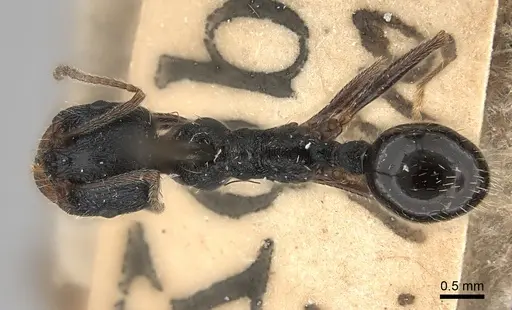
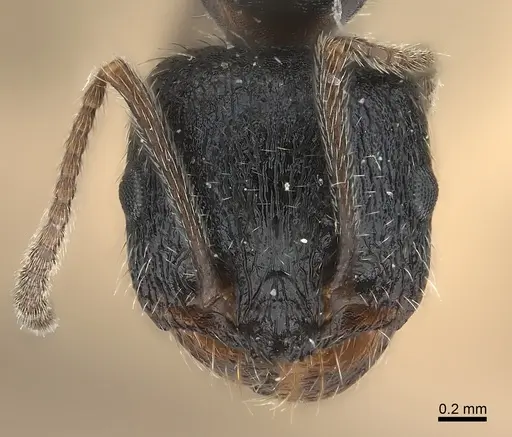
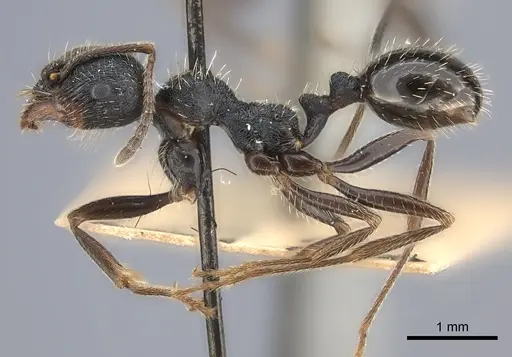
CASENT0217861
View on AntWeb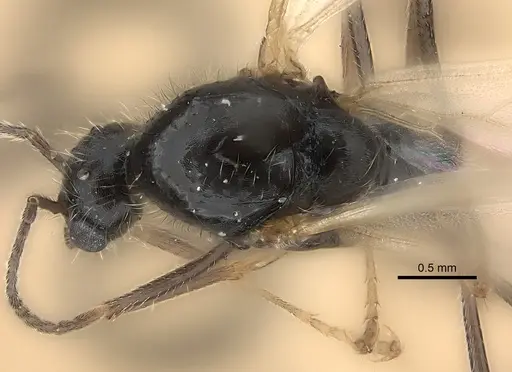
CASENT0900469
View on AntWeb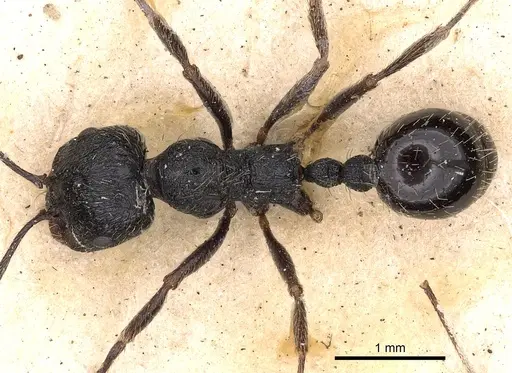
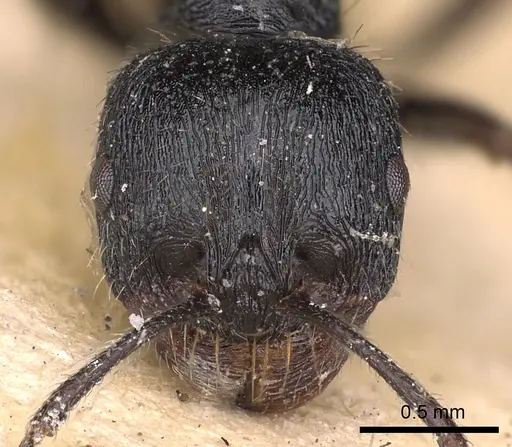
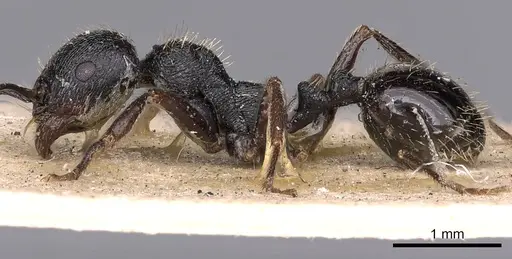
CASENT0904141
View on AntWeb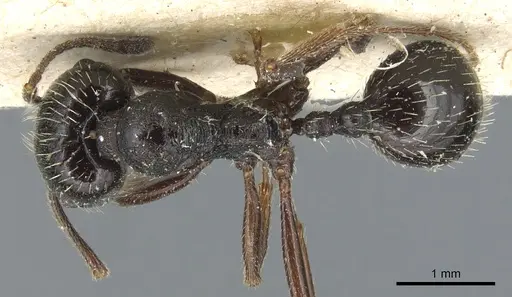
CASENT0907743
View on AntWeb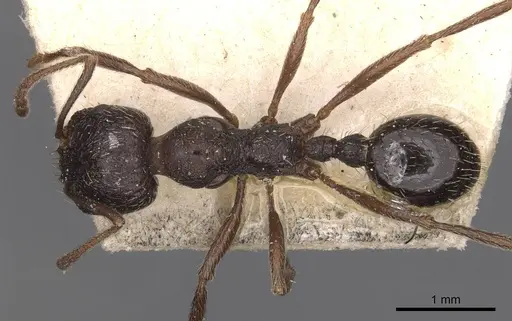
CASENT0907744
View on AntWeb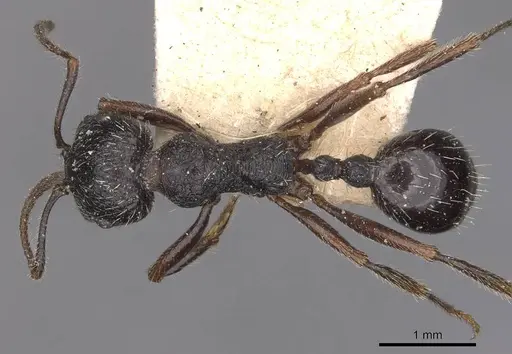
Literature
Loading...Loading products...