

Messor marocanus
- Scientific Name
- Messor marocanus
- Tribe
- Stenammini
- Subfamily
- Myrmicinae
- Author
- Santschi, 1927
- Distribution
- Found in 3 countries
Messor marocanus Overview
Messor marocanus is an ant species of the genus Messor. It is primarily documented in 3 countries , including Spain, Morocco, Portugal. Detailed taxonomic data and occurrence records can be further explored via authoritative databases such as AntWeb or the Global Biodiversity Information Facility (GBIF).
Messor marocanus
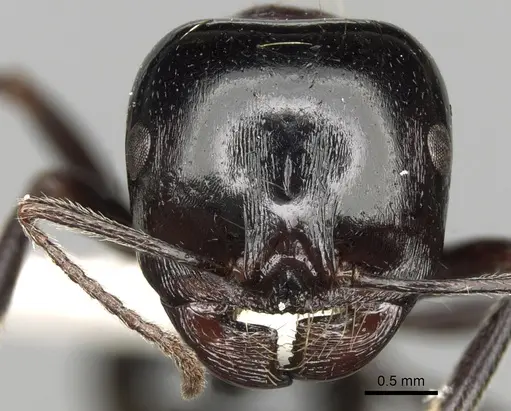
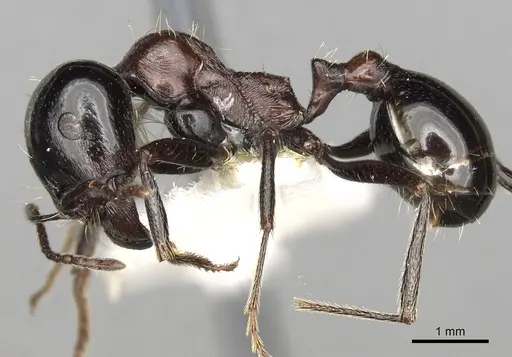
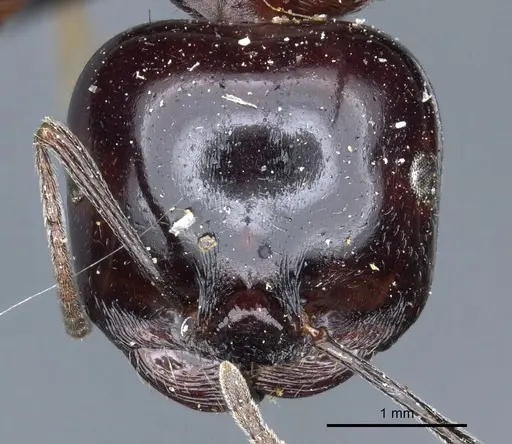
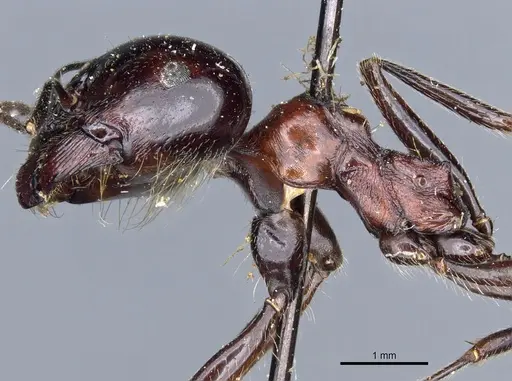
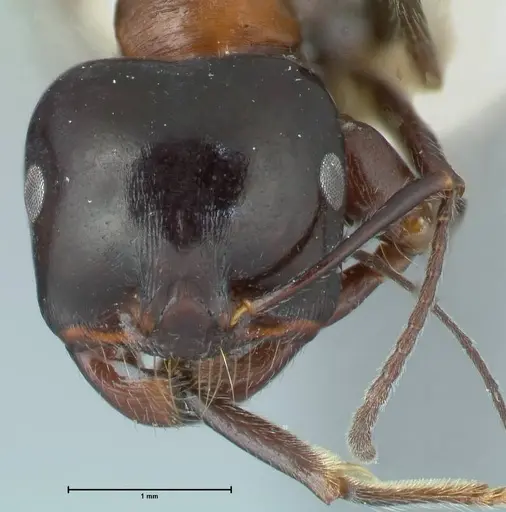
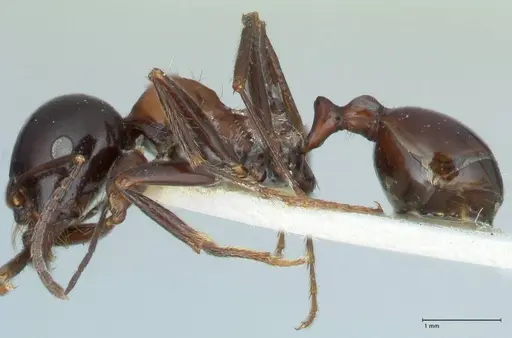
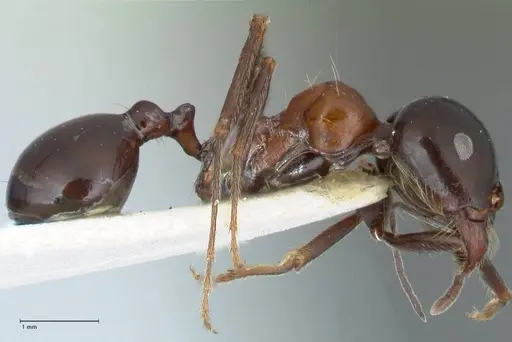
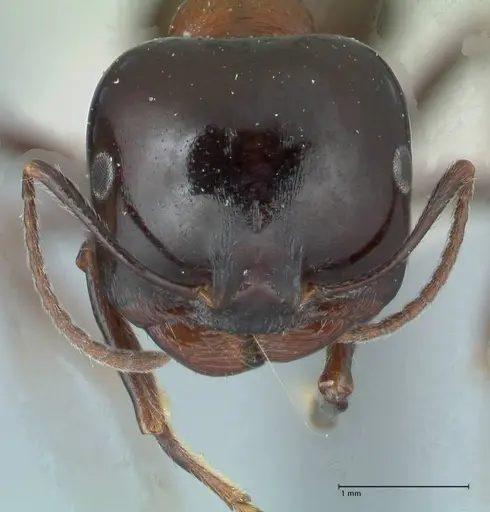
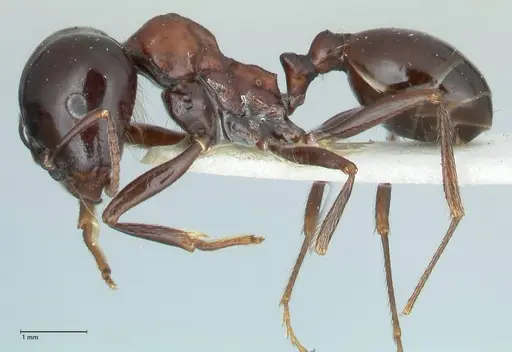
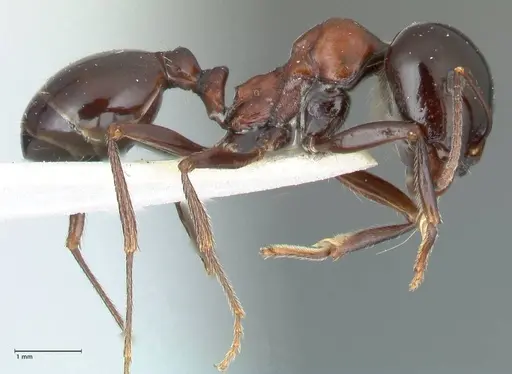
Messor marocanus is a medium-sized harvester ant native to the Ibero-Moroccan region, found across Morocco, Portugal, Spain, and Gibraltar. Workers display a striking color pattern with a black head and gaster contrasting against a reddish-orange mesosoma (middle body section), making them visually distinctive among Iberian Messor species. Queens are robust at 4.50-4.58mm in alate (body) length with large wings, featuring a black body with red to dark brown antennae and legs. This species has a well-developed psammophore, specialized hairs around the mouth that help them move sand particles, an adaptation to their sandy habitat preferences [1][2]. They are seed-eating specialists that form long foraging trails to collect seeds, playing an important ecological role in their native Mediterranean habitats.
Quick Summary
- Difficulty: Easy
- Origin & Habitat: Ibero-Moroccan endemic, found across Morocco (from ocean to Atlas foothills), Portugal, Spain, and Gibraltar. Inhabits Atlantic coastal sandy environments and compact, hard soils [1][3][4].
- Colony Type: Monogyne (single-queen colonies), typical for the genus. Queens are claustral, sealing themselves in to raise first workers alone.
- Colony: Monogyne
- Founding: Claustral
- Size & Growth:
- Queen: 4.50-4.58mm alate length (body), head width 2.28-2.43mm [2]
- Worker: Estimated 4-7mm based on genus typical size
- Colony: Likely several thousand workers at maturity based on related Messor species
- Growth: Moderate, seed-eating ants typically grow steadily once established
- Development: Estimated 8-12 weeks at optimal temperature based on genus patterns (Development time typical for temperate Messor species, claustral founding takes several months before first workers emerge)
- Antkeeping:
- Temperature: Keep at 20-26°C. They tolerate a range from cool (15°C) to warm (28°C) conditions, reflecting their Mediterranean distribution [5]. Room temperature is often suitable.
- Humidity: Low to moderate. Native to arid to semi-arid Mediterranean regions with sandy soils. Keep nest substrate dry to slightly moist, avoid damp conditions.
- Diapause: Yes, as a Mediterranean species from temperate latitudes, they benefit from a cool winter rest period (diapause) around 10-15°C for 2-3 months.
- Nesting: Prefers dry, sandy nest conditions. Y-tong (AAC) nests work well, or a naturalistic setup with sand-based substrate. Their psammophore adaptation means they handle sandy substrates well.
- Behavior: Generally docile and non-aggressive. As seed-eating foragers, they form organized foraging columns to collect seeds and other food items. They are daytime active and will establish clear trails to food sources. Workers are medium-sized and can deliver a mild sting if provoked, though they are not particularly aggressive. They are escape artists due to their moderate size, ensure secure barriers. They are known to inhabit compact, hard soils and are adapted to coexist with antlion predators by avoiding their pit traps [6].
- Common Issues: seed storage can mold if humidity too high, keep nesting area dry, colonies may escape if barriers not secure, check for small gaps regularly, slow founding phase, new keepers may lose patience during claustral period, invasive Argentine ant (Linepithema humile) competes with them in Doñana, keep wild-caught colonies away from native habitats, spiders from the Zodarion genus specifically prey on them, avoid introducing wild spiders near colonies
Housing and Nest Setup
Messor marocanus does well in Y-tong (AAC) nests or naturalistic setups with sandy substrates. Their well-developed psammophore (specialized hairs for moving sand) means they handle sandy environments particularly well, this is an adaptation to their native Atlantic coastal sandy habitats [1]. Use a dry to slightly moist sand-based substrate in the outworld. A test tube setup works for founding colonies, but transfer to a proper nest once the colony reaches 20-30 workers. Because they are seed-eaters, provide them with a foraging area where they can collect and process seeds. Escape prevention is important, while not the smallest ants, they are agile and will find gaps in lids. Use standard barrier methods like fluon on test tube rims.
Feeding and Diet
As harvester ants, Messor marocanus are primarily seed-eaters. They collect seeds and store them in the nest as food reserves. In captivity, offer a variety of seeds, grass seeds, dandelion seeds, and commercial ant seed mixes work well. They also accept protein sources like small insects (fruit flies, small mealworms) and will scavenge dead insects. A study on their foraging behavior showed they process around 9.5 seeds per minute when foraging from concentrated piles, demonstrating efficient seed collection [5]. They are generalist feeders when it comes to seeds but prefer clumped seed distributions over scattered ones, this reflects their natural foraging strategy where they form columns to food sources [5]. Provide a constant supply of seeds and occasional protein. Sugar water is not typically necessary as they get carbohydrates from seeds.
Temperature and Seasonal Care
Messor marocanus adapts well to room temperature (20-26°C), reflecting their Mediterranean distribution across Morocco, Portugal, Spain, and Gibraltar [4]. They can tolerate cooler temperatures down to around 15°C and warmer conditions up to 28°C. During winter, provide a diapause (winter rest) period of 2-3 months at 10-15°C to simulate their natural seasonal cycle. This rest period helps maintain colony health and triggers reproductive behavior in spring. In summer, ensure they have access to fresh water and avoid overheating the nest. Their native range includes both Atlantic coastal areas and inland regions, so they are relatively adaptable to temperature variations.
Colony Development and Growth
Like other Messor species, M. marocanus has claustral founding, the queen seals herself in a chamber and raises the first workers alone using stored body fat. This founding phase takes several months before the first workers (nanitics) emerge. Colonies grow moderately once established, with seed-eating ants typically reaching several thousand workers over several years. The queen is robust at 4.50-4.58mm alate length with distinctive black coloration contrasting with reddish antennae [2]. Workers are polymorphic, major workers develop larger heads for seed processing. Growth rate depends on food availability and temperature, warmer conditions within their tolerance range speed development. Expect 8-12 weeks from egg to first worker at optimal temperature.
Behavior and Foraging
These ants form distinct foraging columns to food sources, especially seeds. Studies show they are efficient foragers, processing nearly 10 seeds per minute from concentrated food piles [5]. They prefer clumped seed distributions and will establish trails between the nest and food sources up to 60cm away. Unlike some ant species, they do not exhibit rescue behavior for imperiled nestmates, instead, they focus on safer foraging strategies and nesting in compact soils that prevent antlion pit construction [6][7]. They are docile toward keepers and rarely aggressive, but workers can deliver a mild sting if threatened. Their poison gland contains anabasine and tridecane compounds [8].
Frequently Asked Questions
How long does it take for Messor marocanus to raise first workers?
Claustral founding takes several months. Expect 8-12 weeks from egg to first worker at optimal temperature, but the full founding phase (queen sealed in until nanitics emerge) typically takes 2-4 months depending on temperature.
What do Messor marocanus eat?
They are seed-eaters, offer grass seeds, dandelion seeds, or commercial ant seed mixes. They also accept small insects like fruit flies or small mealworms for protein. Seeds should always be available, protein can be offered weekly.
Do Messor marocanus ants sting?
Yes, they can sting, but they are not particularly aggressive. The sting is mild and similar to other small ants, most keepers experience little to no pain from their sting.
What temperature do Messor marocanus need?
Room temperature (20-26°C) is ideal. They tolerate a range from about 15°C to 28°C. A winter diapause at 10-15°C for 2-3 months is recommended for colony health.
Are Messor Marocanus good for beginners?
Yes, they are considered easy to keep. They are docile, adaptable to room temperature, and straightforward to feed. The main challenges are their slow founding phase and ensuring proper escape prevention.
How big do Messor Marocanus colonies get?
At maturity, colonies likely reach several thousand workers based on related Messor species. This takes several years from founding.
Do Messor Marocanus need hibernation?
Yes, a diapause (winter rest) of 2-3 months at 10-15°C is recommended. This simulates their natural Mediterranean seasonal cycle and helps maintain colony health.
Can I keep multiple Messor Marocanus queens together?
No, this is a monogyne (single-queen) species. Multiple queens will fight. Only keep one queen per colony.
Why are my Messor Marocanus dying?
Common causes include: too high humidity (they prefer dry conditions), poor escape prevention, or stress during the slow founding phase. Check that seeds are not molding in the nest and that the colony is not being disturbed during claustral founding.
References

This caresheet is licensed under CC BY-SA 4.0 .
CASENT0281606
View on AntWeb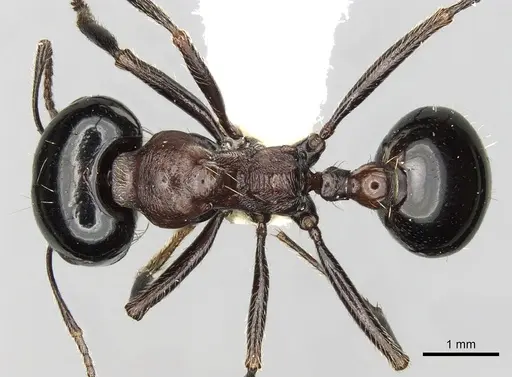
CASENT0904123
View on AntWeb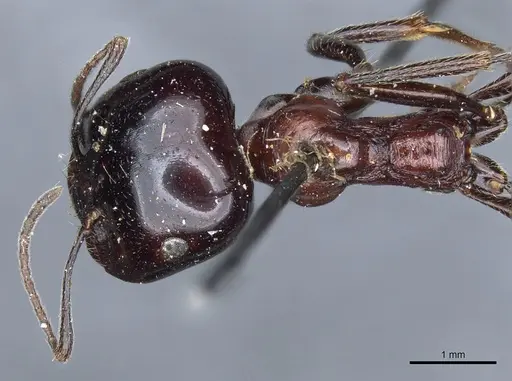
FOCOL1245
View on AntWeb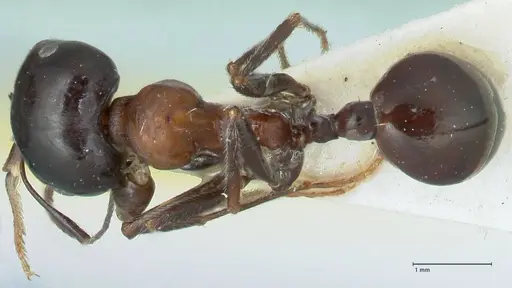
FOCOL1246
View on AntWeb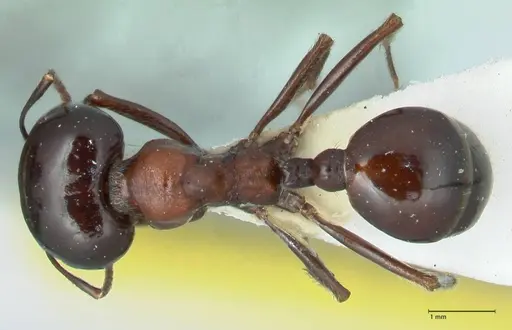
Literature
Loading...Loading products...