

Messor hellenius
- Scientific Name
- Messor hellenius
- Tribe
- Stenammini
- Subfamily
- Myrmicinae
- Author
- Agosti & Collingwood, 1987
- Common Name
- Hellenic Harvester Ant
- Distribution
- Found in 2 countries
Messor hellenius Overview
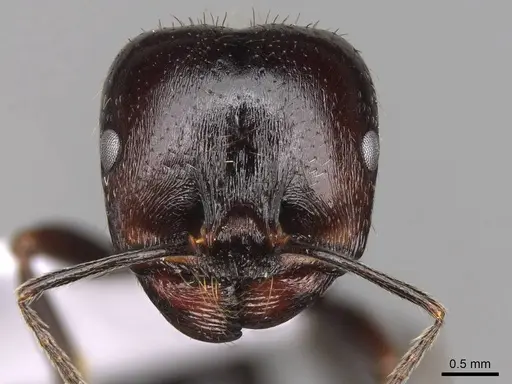
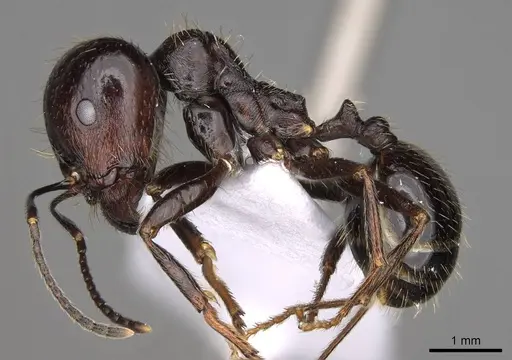
Messor hellenius (commonly known as the Hellenic Harvester Ant) is an ant species of the genus Messor. It is primarily documented in 2 countries , including Greece, Türkiye. Detailed taxonomic data and occurrence records can be further explored via authoritative databases such as AntWeb or the Global Biodiversity Information Facility (GBIF).
Messor hellenius - "Hellenic Harvester Ant"
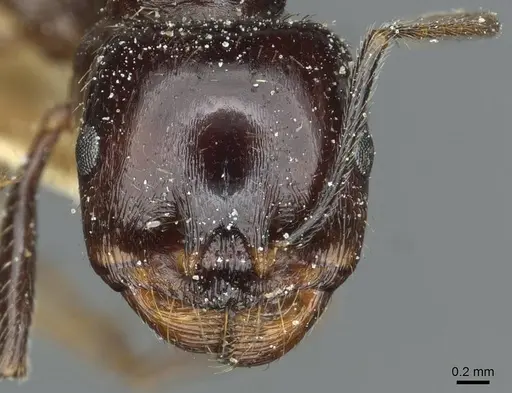
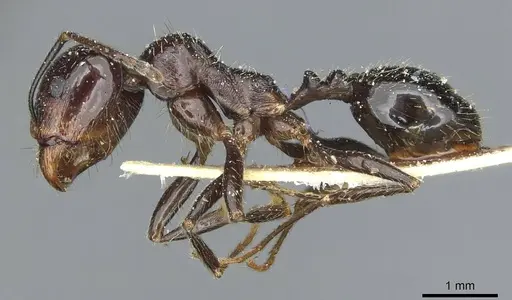
Messor hellenius is a medium-sized harvester ant endemic to Greece, the western coast of Anatolia, and European Turkey. Workers measure around 4-8mm with a robust, dark reddish-brown to black coloration typical of the genus. Queens are significantly larger at 8-12mm. This species belongs to the structor group and is known for its seed-collecting behavior, characteristic of all Messor ants. It is common throughout mainland Greece but rare on the islands, preferring warm, dry mediterranean habitats with limestone outcrops and sparse shrubland [1]. The species was formally described in 1987,with earlier records often confused with the similar Messor capitatus [2].
Quick Summary
- Difficulty: Easy
- Origin & Habitat: Mediterranean Greece, western Anatolia, and European Turkey. Found in dry shrubland (phrygana), pastures with limestone rocks, and stream valleys. Elevations range from near sea level to 950m [3][1].
- Colony Type: Monogyne, single queen colonies. Queens are claustral founders who seal themselves in to raise their first workers alone.
- Colony: Monogyne
- Founding: Claustral
- Size & Growth:
- Queen: 8-12mm estimated based on genus Messor patterns
- Worker: 4-8mm [4]
- Colony: Likely several thousand workers based on typical Messor colony sizes
- Growth: Moderate
- Development: 6-10 weeks estimated based on typical Messor development (Development time is temperature-dependent, warmer conditions within acceptable range speeds development)
- Antkeeping:
- Temperature: Keep at 22-28°C. As a Mediterranean species, they prefer warm conditions but can tolerate room temperature. Provide a gentle gradient if possible [1].
- Humidity: Low to moderate. These are dry-country ants, keep nest substrate relatively dry, similar to their natural limestone habitat. A small water tube is sufficient.
- Diapause: Yes, a winter rest period of 2-3 months at 10-15°C is recommended for long-term colony health, mimicking their natural mediterranean seasonal cycle.
- Nesting: Soil-nesting species. In captivity, a naturalistic setup with compact soil or a Y-tong/plaster nest works well. They do well with a dry to semi-dry nest chamber.
- Behavior: Temperament is generally calm, these are not aggressive ants. Workers are active foragers that collect seeds and tend to aphids for honeydew. They are moderate escape artists, standard barrier methods work well. Major workers have larger heads for seed processing.
- Common Issues: colonies may decline if kept too humid, their mediterranean habitat is naturally dry, seed storage can attract mold if humidity is too high in the nest area, foundating queens are vulnerable to disturbance, give them complete peace during claustral founding, large colonies need space for seed storage chambers
Nest Preferences and Housing
Messor hellenius is a soil-nesting species that naturally excavates chambers in compact soil, often under stones or in areas with limestone substrate. In captivity, they adapt well to various nest types. A Y-tong (acrylic) nest with compact soil or a plaster nest with dry chambers works well. Naturalistic setups with a soil layer and decorative stones also suit them. The key is providing dry to semi-dry conditions, these are ants from dry mediterranean habitats. Avoid overly humid conditions that can cause mold in seed storage areas. A test tube setup works for founding colonies, but transfer to a proper nest once the colony reaches 20-30 workers. [1]
Feeding and Diet
As harvester ants, Messor hellenius primarily collects and stores seeds. In captivity, offer a variety of seeds, grass seeds, sunflower seeds, and commercial ant diets work well. Major workers have specialized large heads for seed processing (milling). They also need protein, offer small insects like fruit flies, small crickets, or mealworms. Occasional sugar water or honey can supplement their diet, though seeds should form the bulk of their food. Remove uneaten seeds periodically to prevent mold. A constant water source is essential. [4]
Temperature and Seasonal Care
This is a thermophilous (warmth-loving) species from the Mediterranean. Keep nest temperatures between 22-28°C. Room temperature is often suitable, but a heating cable on one side of the nest can provide a gradient if your home is cool. They occur from sea level to nearly 1000m elevation in Greece, showing adaptability to temperature ranges. In winter, provide a diapause (hibernation) period of 2-3 months at 10-15°C. This mimics their natural seasonal cycle and helps maintain colony health long-term. Reduce feeding during diapause and keep them in a cool, dark location. [1][3]
Behavior and Colony Dynamics
Messor hellenius forms single-queen colonies that can grow quite large. Workers are active foragers that venture out to collect seeds and tend aphid colonies for honeydew, a common behavior in harvester ants. The colony will have both minor and major workers, majors develop as the colony grows and handle seed processing. They are not particularly aggressive and pose no threat to keepers. Standard escape prevention works well, though they are more active and may explore more than some species. Colonies develop relatively quickly once established, with major workers typically appearing when the colony reaches several hundred individuals. [2][1]
Frequently Asked Questions
How long does it take for Messor hellenius to raise first workers?
Expect first workers (nanitics) in 6-10 weeks after the queen lays eggs, assuming temperatures around 25°C. This is typical for Messor species. The queen will remain sealed in her founding chamber until the first workers emerge.
What do Messor hellenius ants eat?
They are harvester ants, seeds form their primary food. Offer grass seeds, sunflower seeds, and similar small seeds. They also need protein from small insects like fruit flies, small crickets, or mealworms. Occasional honey or sugar water is accepted but not required.
Do Messor hellenius ants sting?
Messor ants have a stinger but are not aggressive and rarely sting. They are considered docile and safe to handle. Even if they do sting, their small size and mild venom make it barely noticeable.
Can I keep multiple Messor hellenius queens together?
No, this is a monogyne (single-queen) species. Multiple unrelated queens will fight. Only keep one queen per colony. If you find a queen in the wild during nuptial flights, house her alone for founding.
Do Messor hellenius need hibernation?
Yes, a winter diapause of 2-3 months at 10-15°C is recommended. This mimics their natural Mediterranean seasonal cycle and helps maintain long-term colony health. Reduce feeding during this period.
What humidity level do Messor hellenius need?
Keep them relatively dry, these are Mediterranean ants from dry habitats. The nest substrate should be dry to semi-dry. A small water tube provides drinking water. Avoid high humidity that causes mold in seed storage areas.
Are Messor hellenius good for beginners?
Yes, they are considered easy to keep. They are forgiving of minor temperature and humidity variations, not aggressive, and their seed-based diet is easy to provide. They are a good choice for someone new to antkeeping.
When should I move my Messor hellenius to a formicarium?
Keep them in a test tube setup for founding. Once the colony reaches 20-30 workers and you see seed storage beginning, consider moving them to a proper nest. A Y-tong or plaster nest with dry chambers works well.
How big do Messor hellenius colonies get?
Based on typical Messor species, colonies can reach several thousand workers over several years. They are not supercolonial but can become quite substantial in size.
What temperature is ideal for Messor hellenius?
Keep nest temperatures between 22-28°C. They prefer warm conditions and are thermophilous. Room temperature is often suitable, but a slight warmth can accelerate growth.
References

This caresheet is licensed under CC BY-SA 4.0 .
CASENT0913186
View on AntWeb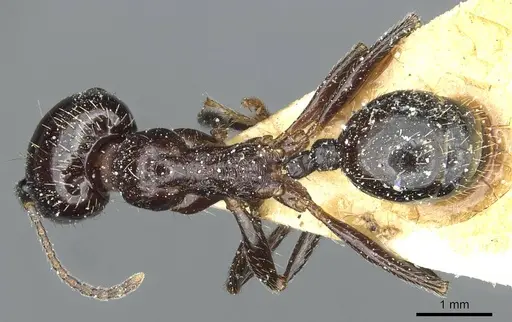
CASENT0914583
View on AntWeb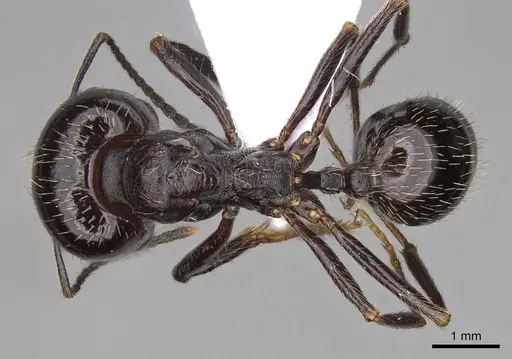
Literature
Loading...Loading products...