
Messor capitatus shows a September to November flight window. Peak activity occurs in October, with nuptial flights distributed across 3 months.
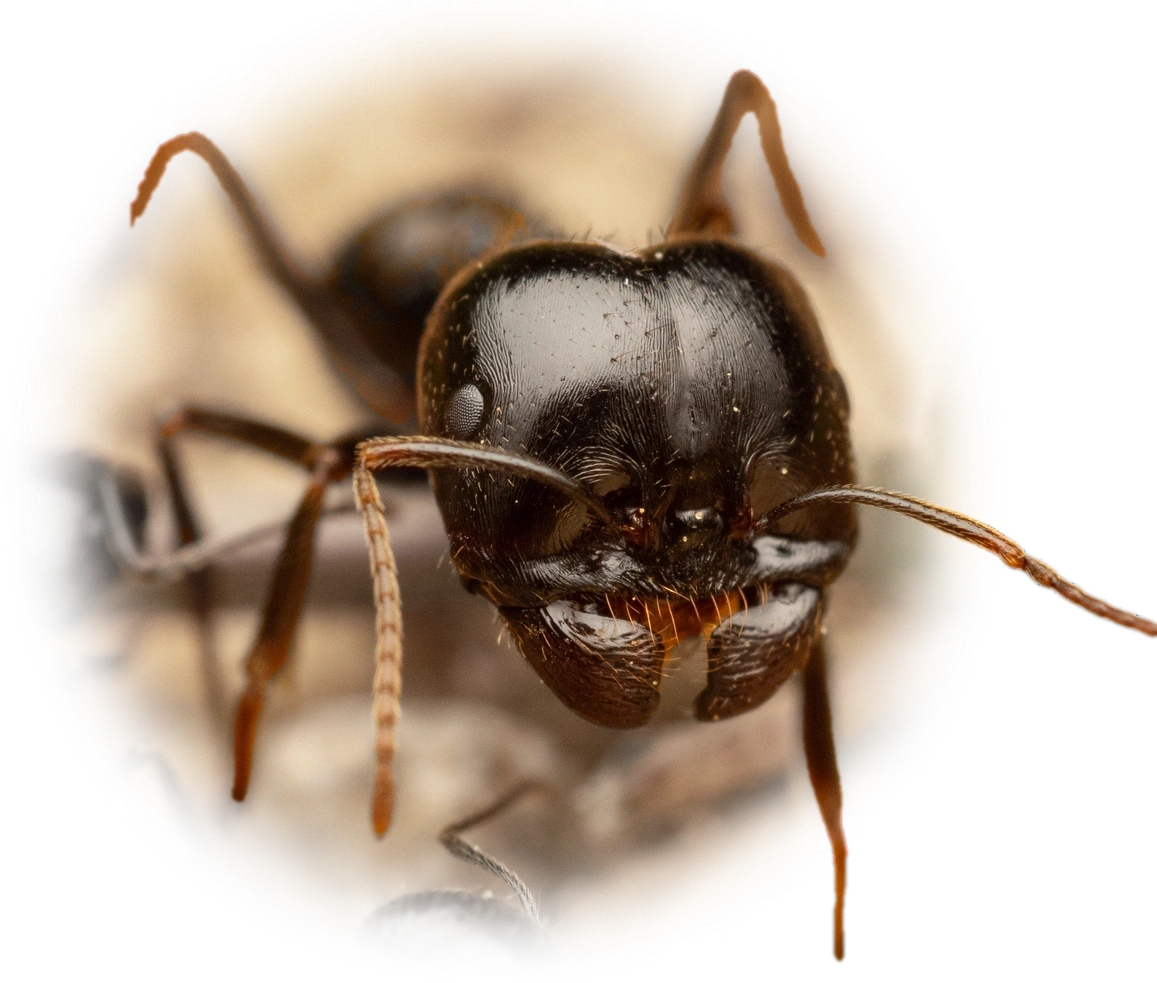
Messor capitatus
- Scientific Name
- Messor capitatus
- Tribe
- Stenammini
- Subfamily
- Myrmicinae
- Author
- Latreille, 1798
- Common Name
- European Seed Harvesting Ant
- Distribution
- Found in 7 countries
- Nuptial Flight
- from September to November, peaking in October
AI Identifiable
try →
Messor capitatus Overview
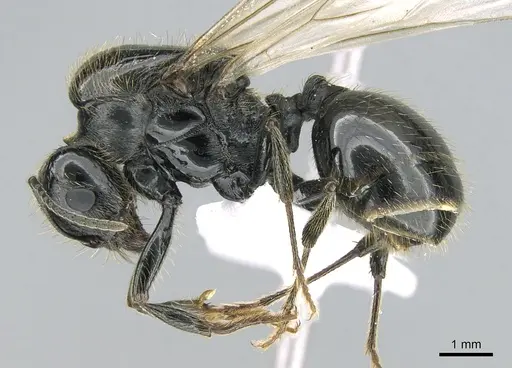
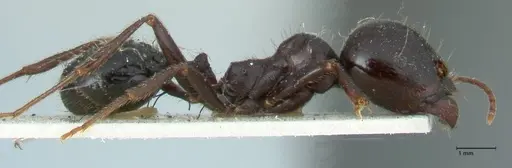
Messor capitatus (commonly known as the European Seed Harvesting Ant) is an ant species of the genus Messor. It is primarily documented in 7 countries , including Algeria, Spain, France. Detailed taxonomic data and occurrence records can be further explored via authoritative databases such as AntWeb or the Global Biodiversity Information Facility (GBIF).
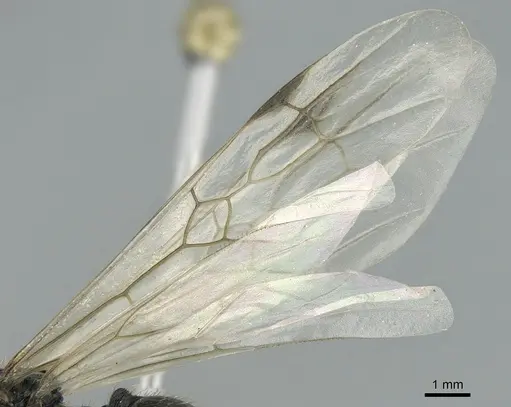
The nuptial flight of Messor capitatus is a significant biological event, typically occurring from September to November, peaking in October. During this time, winged queens and males leave the nest to mate and establish new colonies.
Messor capitatus - "European Seed Harvesting Ant"
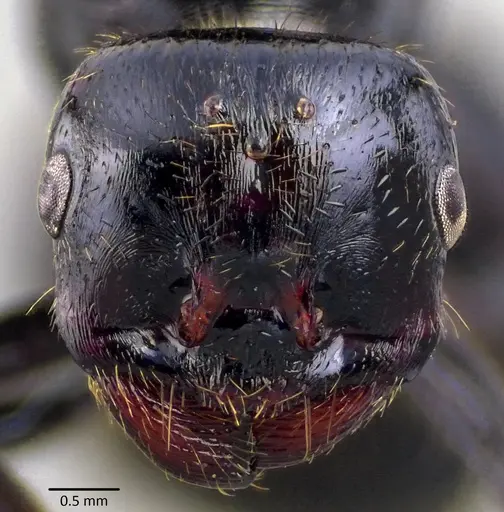
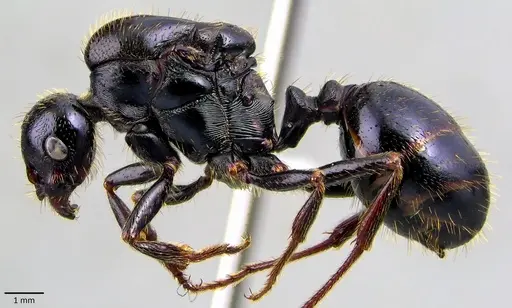
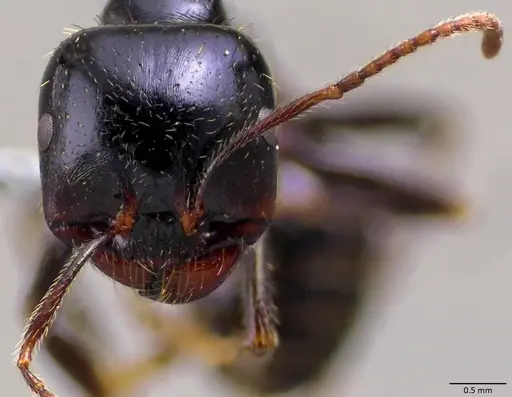
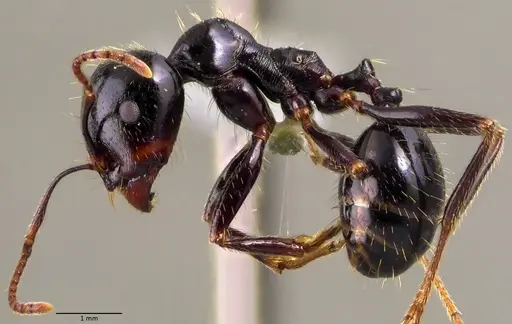
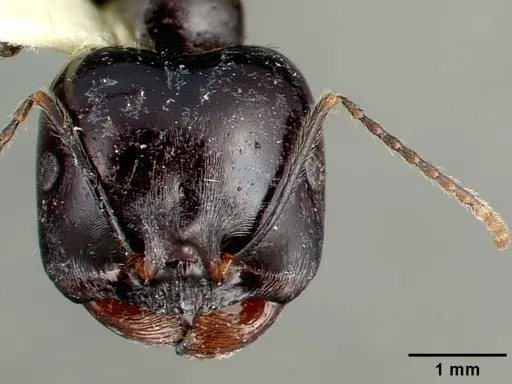
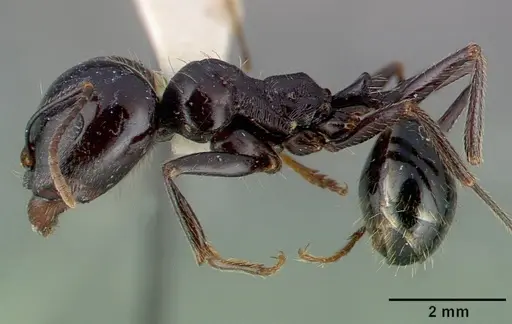
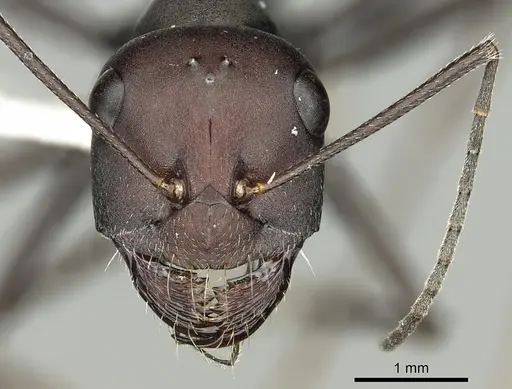
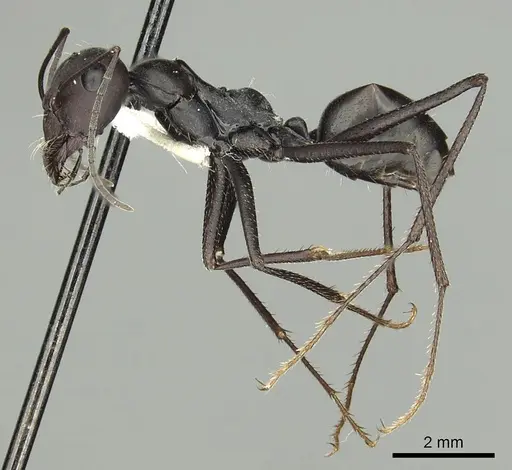
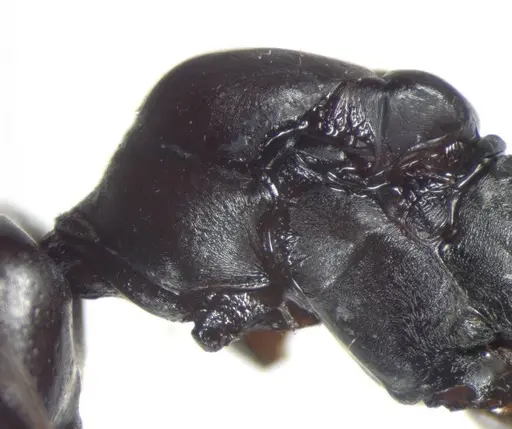
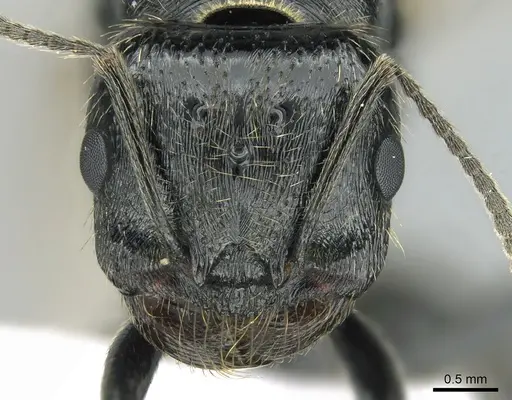
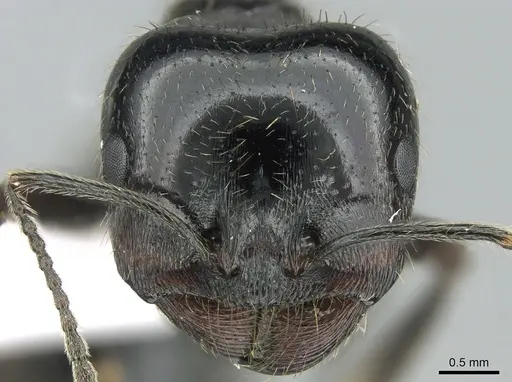
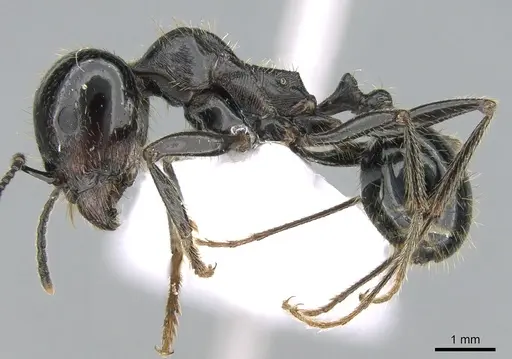
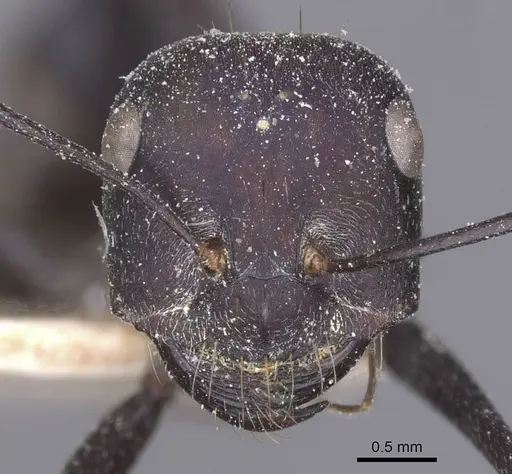
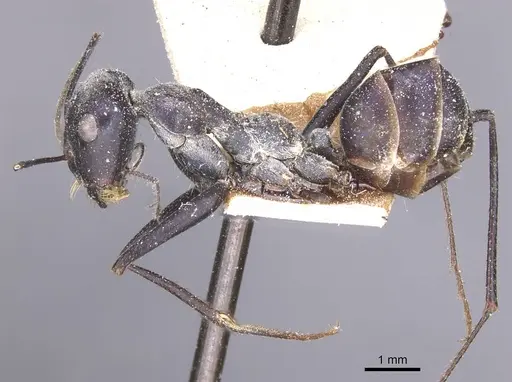
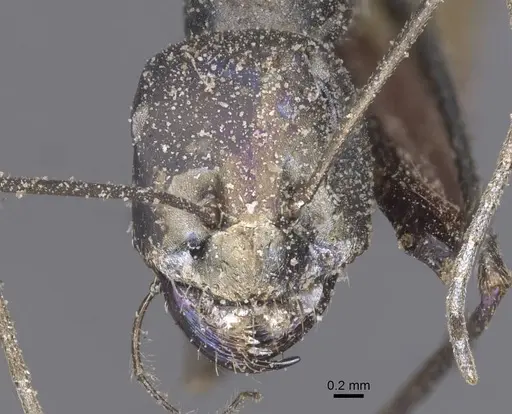
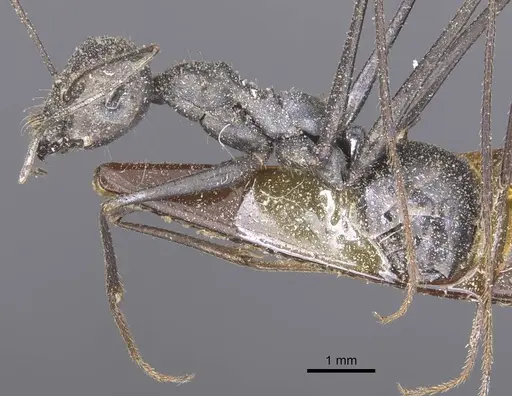
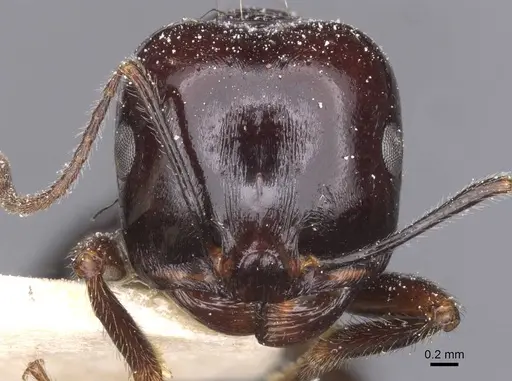
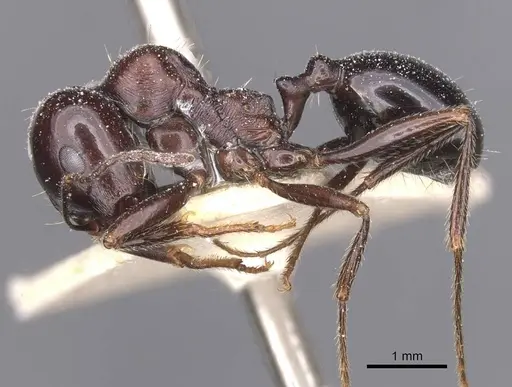
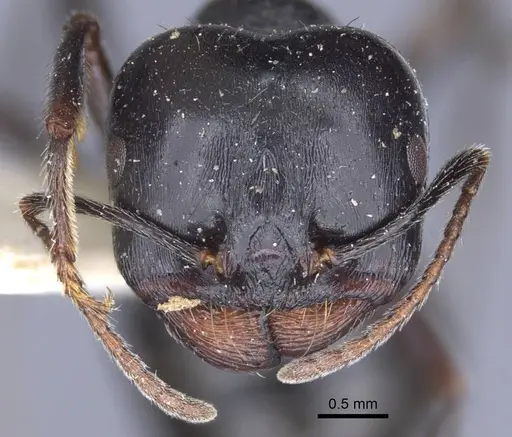
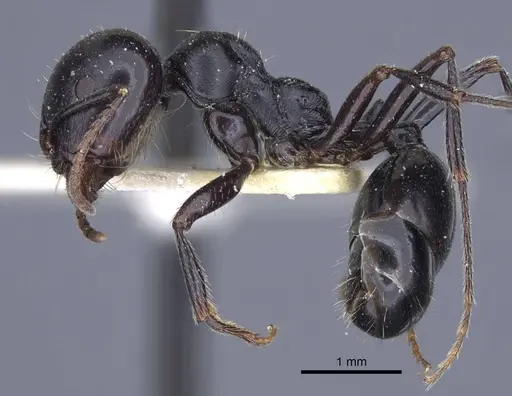
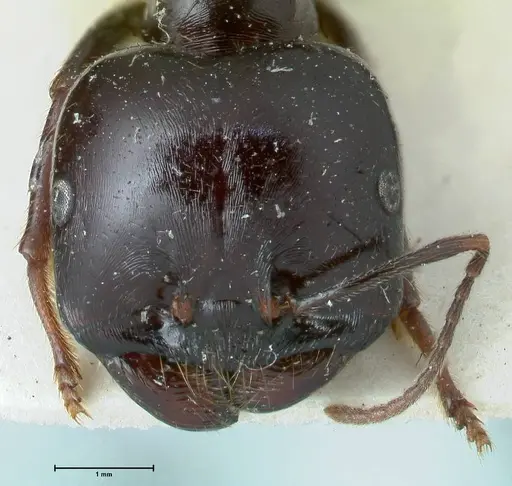
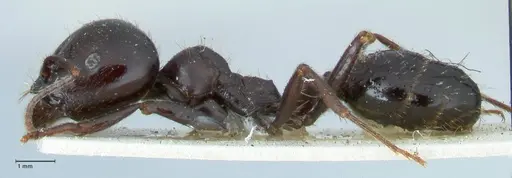
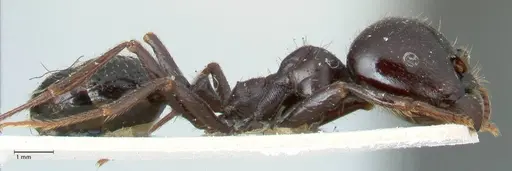
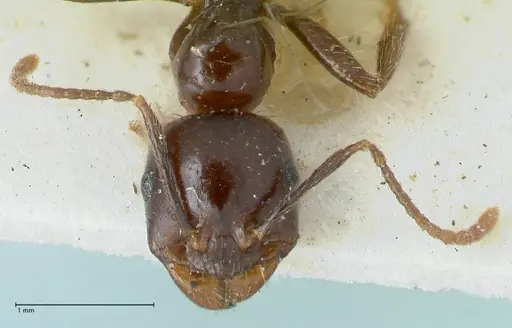
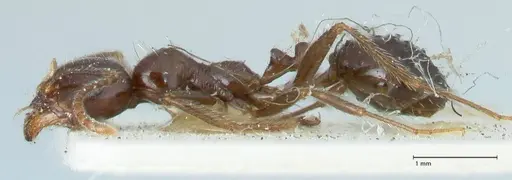
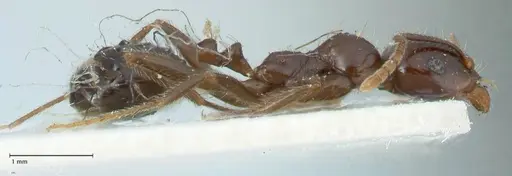
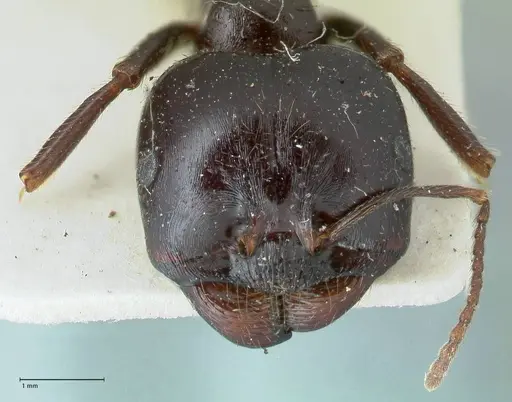
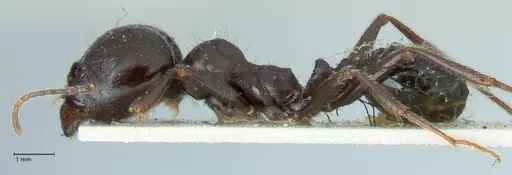
Messor capitatus is a large, highly polymorphic harvester ant native to the western Mediterranean region. Workers range from 3-13mm in length, with major workers developing massively enlarged heads for seed processing. The species is entirely granivorous, feeding almost exclusively on seeds which they store in granaries within their nests. Colonies are monogynous (single queen) but uniquely, workers can reproduce via thelytokous parthenogenesis when the queen is absent, a rare trait among ants. This species constructs extensive ground nests under stones in open, sunny, dry habitats across southern Europe and North Africa. They are aggressive defenders of food resources and territory, ranking among the more dominant Mediterranean ant species.
Quick Summary
- Difficulty: Medium
- Origin & Habitat: Western Mediterranean region including France, Spain, Italy, Portugal, Greece, Croatia, Slovenia, and North Africa. Found in open, sunny, dry habitats from sea level to about 1500m elevation [1][2].
- Colony Type: Monogynous (single queen per colony) with documented thelytokous worker reproduction, workers can produce female offspring parthenogenetically when queenless [3][4]. Colonies contain several hundred to a few thousand workers [5].
- Colony: Monogyne
- Founding: Claustral
- Size & Growth:
- Queen: Larger than workers, queens always have black head [6]. Estimated 11mm+ based on related species.
- Worker: 3-13mm, highly polymorphic with major workers having massively enlarged heads [7][8]
- Colony: Several hundred to a few thousand workers [5]
- Growth: Moderate, development from egg to worker takes approximately 55 days [4]
- Development: Approximately 8 weeks (55 ± 2.8 days) at room temperature [4][9] (Workers are deuterotokous, can produce both females and males parthenogenetically, switching from female to male production after prolonged queenless conditions [9])
- Antkeeping:
- Temperature: Keep at 22-26°C. This species has a maximum activity temperature of 22°C and critical thermal maximum of 44°C [10][7]. They are active from spring through autumn with peak foraging in October.
- Humidity: Dry to moderate humidity. Prefer dry, sunny conditions typical of Mediterranean habitats. Keep nest area relatively dry with occasional moisture for brood development.
- Diapause: Yes, native to temperate Mediterranean regions with cold winters. Provide a cool period around 10-15°C during winter months (November-February) [11].
- Nesting: Ground-nesting species that naturally nests under stones or in soil. In captivity, use a naturalistic setup with a digging chamber or Y-tong nest with chambers sized for their large majors. Provide access to an outworld for foraging.
- Behavior: Highly aggressive in interspecific interactions, ranking among the most dominant Mediterranean ant species [12]. Forages individually about 90% of the time but can form trunk trails to food sources [13][14]. Major workers specialize in carrying large seeds, colonies with majors can transport seeds 20-30mm while those without are limited to seeds under 15mm [8]. Workers release a defensive milky-white fluid from the anal region when threatened [15]. Active year-round with peak activity from June to October [12].
Nuptial Flight Activity Analysis 77 observations
Flight Activity by Hour 77 observations
Messor capitatus nuptial flight activity peaks around 15:00 during the afternoon. Activity is spread across a 16-hour window (07:00–22:00). A secondary activity peak occurs around 13:00. Times may be influenced by human observation patterns.
Housing and Nest Setup
Messor capitatus is a ground-nesting species that naturally establishes nests under stones or in open soil. For captive care, provide a naturalistic setup with a deep soil chamber for nesting and an outworld for foraging. A Y-tong (acrylic) nest with appropriately sized chambers also works well, ensure chambers are large enough to accommodate their polymorphic workers, especially the majors with enlarged heads. Because they are seed-harvesters, they need space to store seeds in granaries within the nest. Use a substrate mixture of sandy soil and clay to allow for tunnel construction. Escape prevention is important but not critical, they are large ants and standard barriers work well, though minors may squeeze through small gaps. [15]
Feeding and Diet
As strict granivores, Messor capitatus feeds almost exclusively on seeds. Offer a variety of grass seeds, wildflower seeds, and small grains. They show preferences for certain seed sizes, major workers can handle larger seeds (20-30mm) while minor workers are limited to smaller seeds under 15mm [8]. In captivity, provide a seed mix suitable to their size range. They may occasionally accept small insects or protein, but seeds should form the bulk of their diet. Provide a constant supply of seeds in the outworld, they will store excess in nest granaries. Fresh water should always be available.
Temperature and Seasonal Care
Maintain temperatures between 22-26°C during the active season. This species has a maximum activity temperature of 22°C, the lowest among dominant Mediterranean ants, meaning they are most active in cooler parts of the day and season [10][7]. Peak foraging occurs in October, with reduced activity in summer midday heat. During winter (roughly November-February), provide a cool diapause period at 10-15°C to simulate Mediterranean winter conditions. They are active year-round in the wild but reduce foraging during cold months. Heating on one side of the nest creates a temperature gradient they can choose from.
Colony Dynamics and Worker Reproduction
One of the most fascinating aspects of Messor capitatus is their thelytokous worker reproduction. When a colony loses its queen, workers can produce female offspring via parthenogenesis, a rare trait among ants [4][3]. Studies show 78% of workers develop functional ovaries in queenless colonies. Workers begin laying eggs about 25-33 days after becoming queenless, and these eggs develop into workers in approximately 55 days. After about 10 months of queenless conditions, colonies switch to producing males. This means your colony can potentially survive queen loss, though it will no longer produce new queens. The colony structure is monogynous with a single reproductive queen.
Foraging Behavior
Messor capitatus employs flexible foraging strategies, they primarily forage individually (about 90% of foragers work alone) but can form trunk trails when food sources are abundant [13][14]. Workers create narrow trails less than 10cm wide, with seed depots along the trails. They deposit colony-specific secretions around nest entrances to mark territory. The highly polymorphic worker caste means larger majors can harvest larger seeds than minors alone, colonies without major workers are significantly limited in seed size collection [8]. They are diurnal in spring and extend activity into twilight/nocturnal periods during summer [11].
Growth and Development
Colony growth is moderate. Eggs develop into workers in approximately 55 days under standard conditions [4]. The colony grows through a combination of queen reproduction and, uniquely, worker thelytoky when queenless. Colonies can reach several thousand workers over several years. The highly polymorphic worker caste develops through diphasic allometry, there are two growth phases with a critical point around 7.3mm body length, allowing efficient production of major workers [8]. Brood is present in nests year-round in Mediterranean populations.
Defense and Temperament
This species is notably aggressive in interspecific interactions, ranking as the second most aggressive species in individual tests [12]. They defend food resources vigorously and will attack other ant species. When threatened, workers release a defensive milky-white fluid from their anal region, this secretion appears to play a role in nest construction and defense [15]. They are less aggressive in intraspecific (same-species) interactions. For antkeepers, this means careful consideration when housing with other ant species, Messor capitatus will likely dominate and may attack weaker species.
Frequently Asked Questions
How long does it take for Messor capitatus to go from egg to worker?
Approximately 8 weeks (55 ± 2.8 days) from egg to adult worker at room temperature [4].
Can Messor capitatus workers reproduce without a queen?
Yes. This species exhibits thelytokous parthenogenesis, workers can produce female offspring parthenogenetically when the queen is absent. About 78% of workers develop functional ovaries in queenless colonies, with egg-laying starting 25-33 days after becoming queenless [4][3].
What do Messor capitatus ants eat?
They are strict granivores, feeding almost exclusively on seeds. Provide a variety of grass and wildflower seeds. Major workers can handle larger seeds (20-30mm) while minor workers are limited to smaller seeds under 15mm [8]. Seeds should be the primary food source.
Do Messor capitatus ants need hibernation?
Yes, they benefit from a cool winter period. In their native Mediterranean habitat, they experience cold winters. Provide a diapause period around 10-15°C from November to February [11].
How big do Messor capitatus colonies get?
Colonies can reach several hundred to a few thousand workers [5]. Growth is moderate, taking several years to reach maximum size.
Are Messor capitatus good for beginners?
They are intermediate in difficulty. They require more space than small ants due to their seed-harvesting behavior and large colony size. Their aggressive temperament also requires careful housing. However, their seed-based diet is straightforward to provide.
What temperature is best for Messor capitatus?
Keep them at 22-26°C during the active season. They have a maximum activity temperature of 22°C, meaning they are most active at the cooler end of this range [10]. Provide a temperature gradient so they can choose their preferred spot.
Can I keep multiple Messor capitatus queens together?
No. This species is monogynous, colonies have a single queen. Combining unrelated queens has not been documented and would likely result in fighting [3].
Do Messor capitatus ants sting?
They do not have a painful sting like some ants. Their main defense is releasing a milky-white fluid from the anal region when threatened [15]. They may bite with mandibles but this is not particularly significant for keepers.
When do Messor capitatus nuptial flights occur?
In Sardinia, sexual forms appear in nests beginning in October with swarming around mid-October [16]. Timing likely varies by location within their Mediterranean range.
References

This caresheet is licensed under CC BY-SA 4.0 .
ANTWEB1041822
View on AntWeb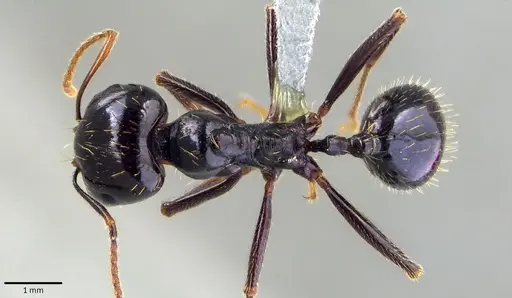
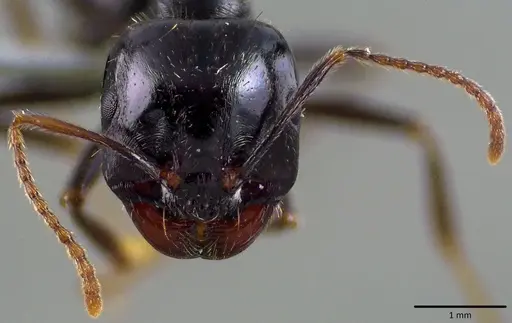
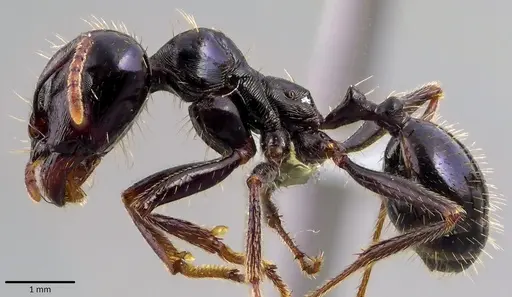
ANTWEB1041868
View on AntWeb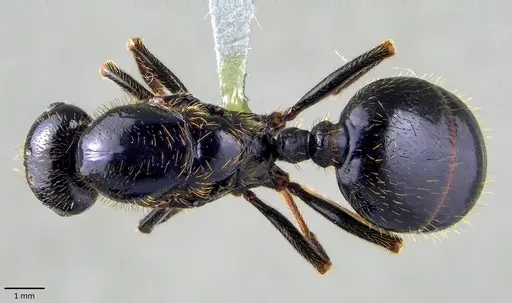
ANTWEB1060051
View on AntWeb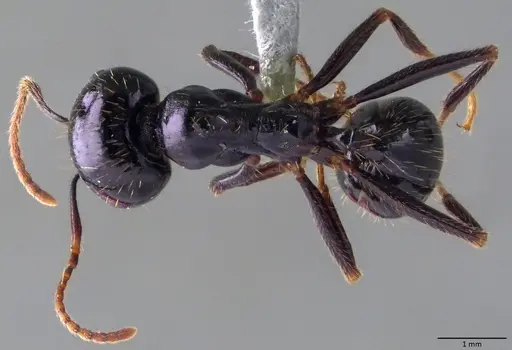
CASENT0010645
View on AntWeb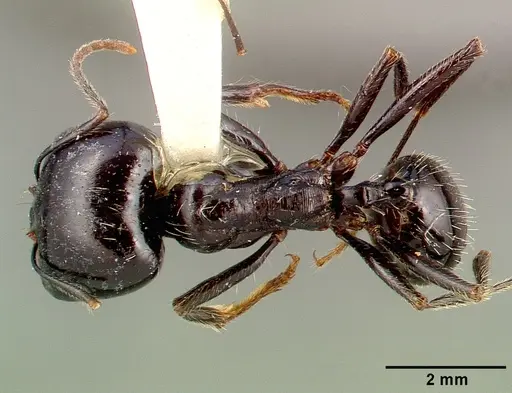
CASENT0280330
View on AntWeb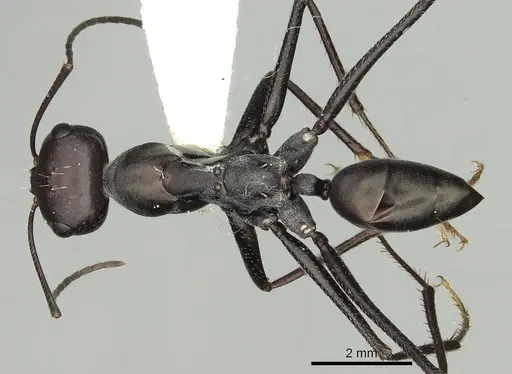
CASENT0823298
View on AntWeb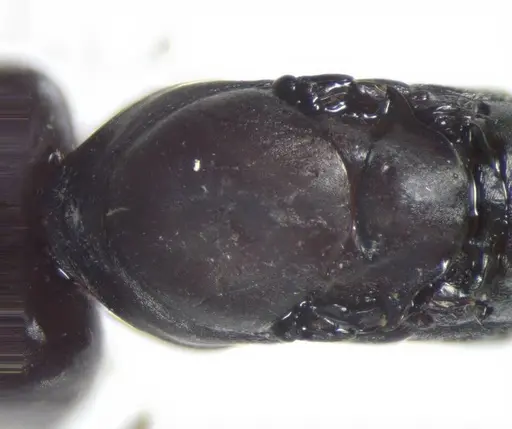
CASENT0906119
View on AntWeb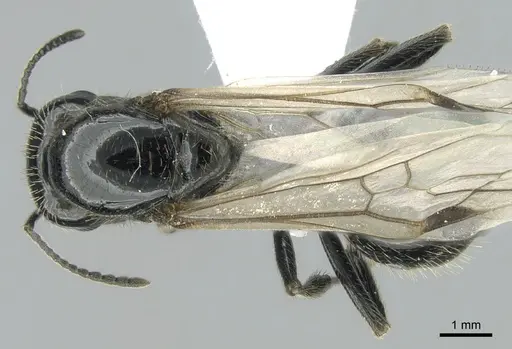
CASENT0906120
View on AntWeb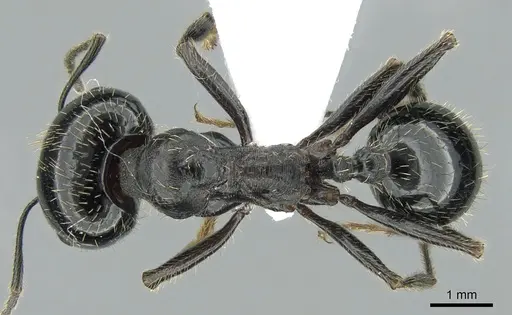
CASENT0912212
View on AntWeb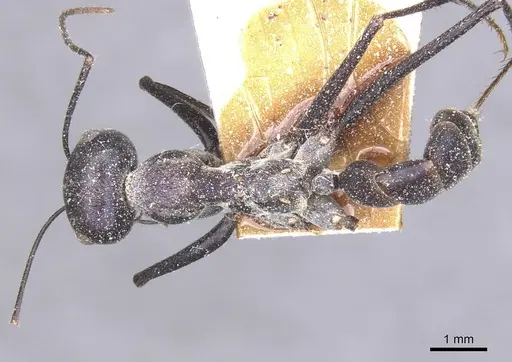
CASENT0912213
View on AntWeb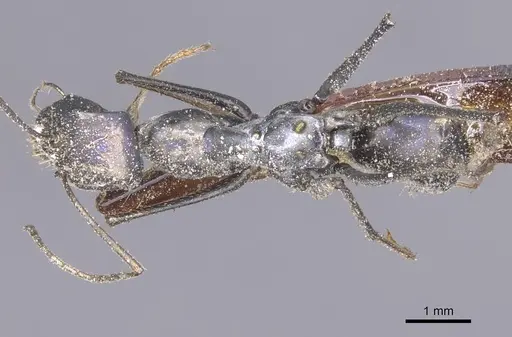
CASENT0913224
View on AntWeb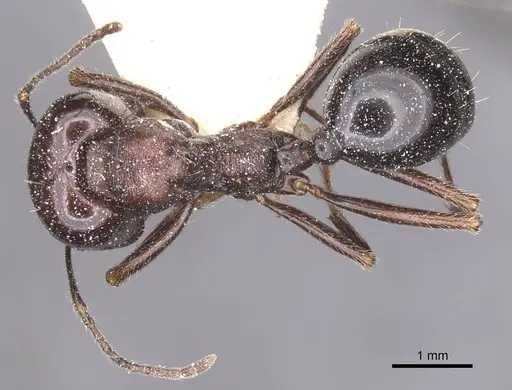
CASENT0916931
View on AntWeb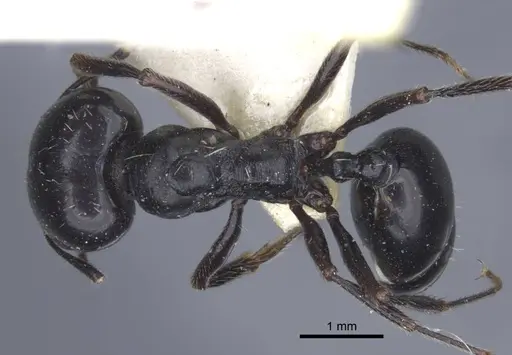
FOCOL1248
View on AntWeb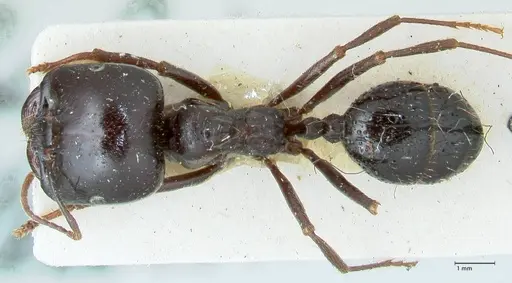
FOCOL1249
View on AntWeb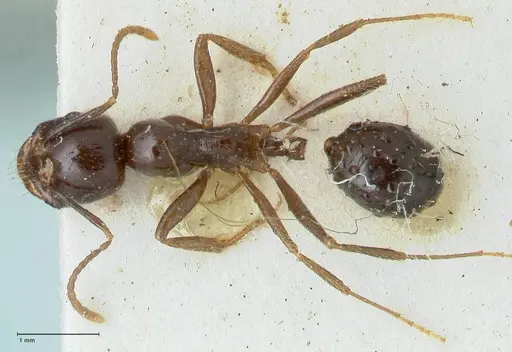
FOCOL1250
View on AntWeb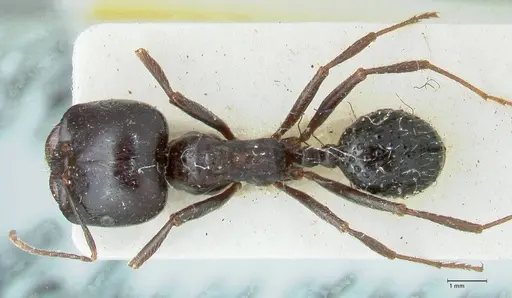
Literature
Loading...Loading products...