

Messor hebraeus
- Scientific Name
- Messor hebraeus
- Tribe
- Stenammini
- Subfamily
- Myrmicinae
- Author
- Santschi, 1927
- Distribution
- Found in 2 countries
Messor hebraeus Overview
Messor hebraeus is an ant species of the genus Messor. It is primarily documented in 2 countries , including Israel, Syrian Arab Republic. Detailed taxonomic data and occurrence records can be further explored via authoritative databases such as AntWeb or the Global Biodiversity Information Facility (GBIF).
Messor hebraeus
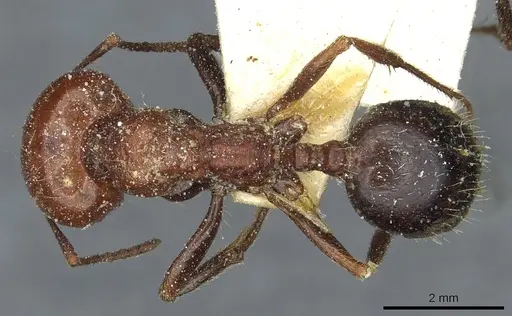
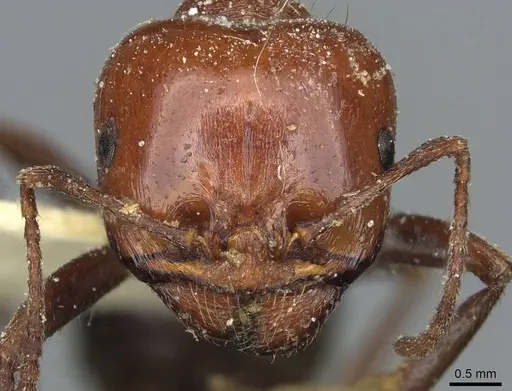
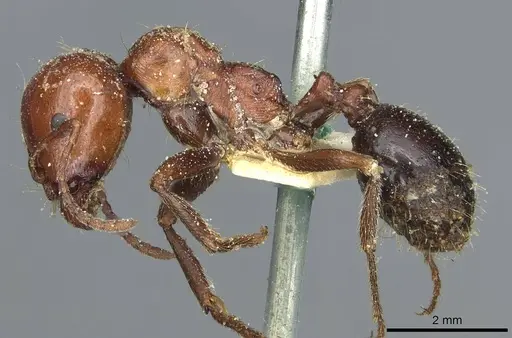
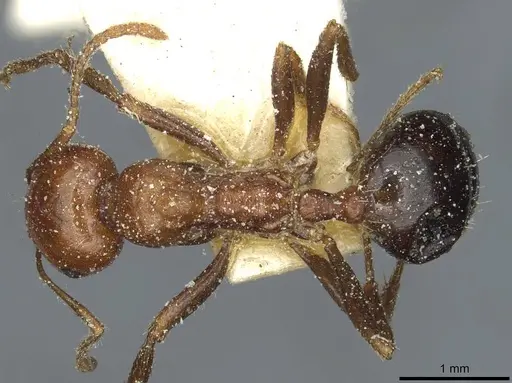
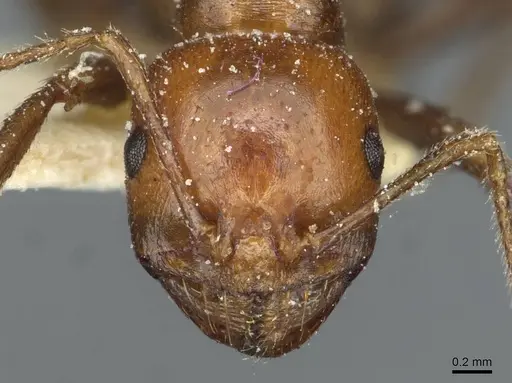
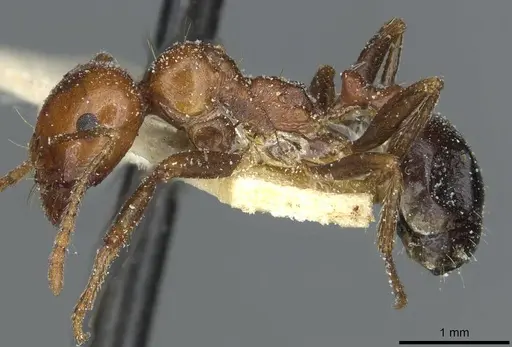
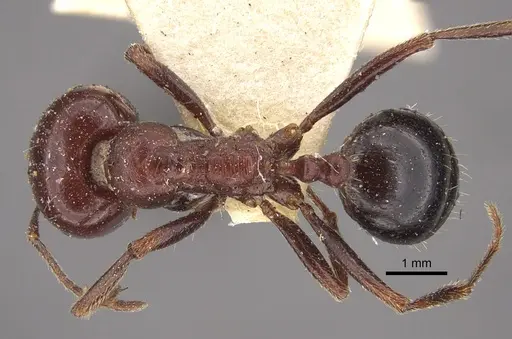
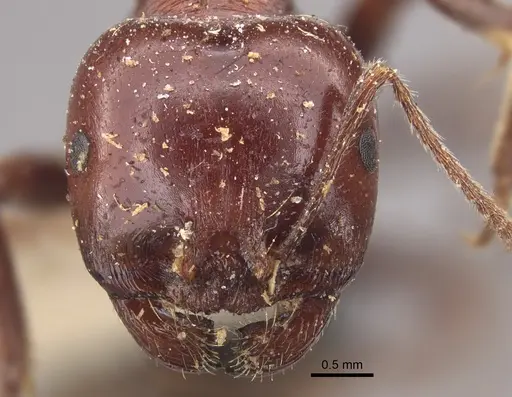
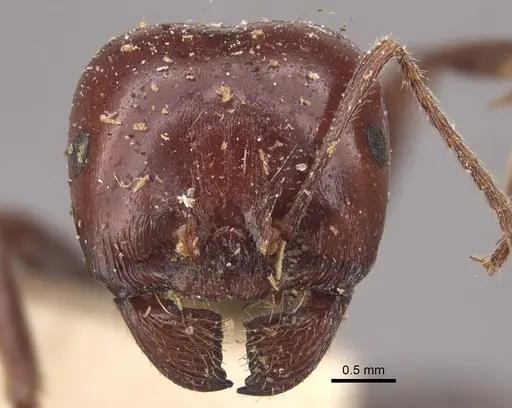
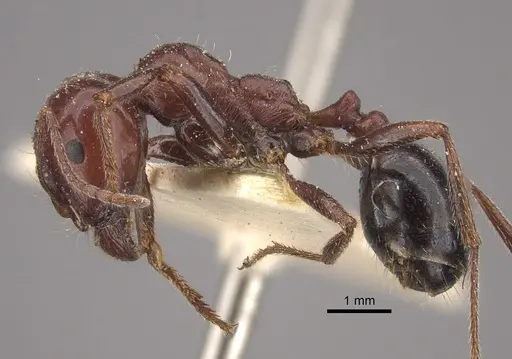
Messor hebraeus is a medium-sized harvester ant species native to the Eastern Mediterranean region. Workers are polymorphic, meaning they come in different sizes, major workers have large, powerful mandibles for cracking seeds, while minor workers are smaller and handle brood care and foraging. The species has a complex taxonomic history, originally described as a variety of Messor semirufus before being recognized as a distinct species. These ants are characteristic of the instabilis species group and were once considered synonymous with M. semirufus [1].
What makes M. hebraeus interesting is its role as a seed-harvesting ant in Mediterranean ecosystems. Like other Messor species, they collect and store seeds in their nests, playing an important role in seed dispersal and ecosystem dynamics. They inhabit areas across Israel, Lebanon, Syria, and have recently been documented in Iran [2]. Their distribution spans various Israeli regions from the Lower Galilee to the Judean Hills, showing adaptability to different microhabitats within Mediterranean climates [3].
Quick Summary
- Difficulty: Easy
- Origin & Habitat: Eastern Mediterranean region, Israel, Lebanon, Syria, and Iran. Found in parkland ground in moderate rainfall areas, and across various Israeli habitats including hill-mountain associations, forest slopes, and batha vegetation zones [2][4][3].
- Colony Type: Likely monogyne (single queen colony) based on typical Messor genus patterns, though colony structure has not been specifically documented for this species.
- Colony: Monogyne
- Founding: Claustral
- Size & Growth:
- Queen: Estimated 12-15mm based on typical Messor genus size range
- Worker: Major workers 6-10mm, minor workers 4-6mm, typical for polymorphic Messor species
- Colony: Likely reaches several thousand workers based on genus patterns
- Growth: Moderate, typical for seed-harvesting ants
- Development: Estimated 8-12 weeks at optimal temperature based on related Messor species (Development time inferred from genus-level data, actual timeline may vary with temperature and conditions)
- Antkeeping:
- Temperature: Keep at 22-26°C (room temperature to low warmth). These are Mediterranean ants that prefer warm conditions but can tolerate typical room temperatures. A heating cable on one side of the nest creates a gradient for them to choose their preferred spot.
- Humidity: Moderate humidity around 50-60%. Keep nest substrate dry to slightly moist, Messor species prefer drier conditions than many tropical ants. Provide a water tube for drinking access.
- Diapause: Yes, these temperate-climate ants require winter hibernation. Reduce temperature to 10-15°C for 2-3 months during winter (November-February in Northern Hemisphere).
- Nesting: Ground-nesting species that prefers dry to moderately moist substrate. Y-tong (AAC) nests, plaster nests, or naturalistic setups with sand/soil mix work well. Avoid overly damp conditions.
- Behavior: Generally calm and non-aggressive for a Messor species. Workers are active foragers that search for seeds and other plant matter. Major workers use their powerful mandibles to crack seeds open. They are not known for stinging and pose no danger to keepers. Escape risk is moderate, standard barrier methods like Fluon on test tube rims work well. They are diurnal, actively foraging during daylight hours.
- Common Issues: colonies may decline if kept too damp, ensure nest substrate dries between waterings, winter hibernation is essential for long-term colony health, skipping diapause can weaken colonies, seed storage behavior means they may ignore fresh seeds if their granaries are full, slow initial growth during founding phase can worry beginners, be patient, major workers can be large enough to escape through standard test tube cotton if gaps exist
Nest Preferences and Housing
Messor hebraeus is a ground-nesting species that naturally excavates chambers in soil. In captivity, they adapt well to various nest types. Y-tong (acrylic) nests work excellently, the smooth walls help maintain appropriate humidity and allow you to observe colony activity. Plaster nests are another good option, though you should ensure the plaster doesn't stay too wet. naturalistic setups with a sand-soil mixture allow for natural digging behavior but make observation harder. For founding colonies, a simple test tube setup works fine, place the tube in a dark area and wait for the queen to seal herself in her chamber. Once workers emerge (after 4-8 weeks), you can connect the test tube to a foraging area. The key is providing dry to moderately moist conditions, these ants come from Mediterranean climates and prefer drier nests than many other ant species. [2][4]
Feeding and Diet
As a harvester ant, M. hebraeus is primarily granivorous, they collect and store seeds. In captivity, offer a variety of seeds: grass seeds, millet, chia, and commercial ant seed mixes work well. Major workers will crack larger seeds with their powerful mandibles. They also accept protein sources like small insects (dead or crushed mealworms, crickets) and can occasionally take sugar water or honey as an energy boost, though seeds should form the bulk of their diet. Fresh seeds should be offered regularly, but remove any that become moldy. The foraging workers will store excess seeds in nest chambers, this is natural behavior. A constant water source (via test tube water reservoir) is essential.
Temperature and Seasonal Care
These Mediterranean ants thrive at warm temperatures in the 22-26°C range. Room temperature is often suitable, but a small heating cable on one side of the nest can encourage activity and faster brood development during summer months. Create a temperature gradient so workers can choose their preferred spot. During winter (roughly November through February in the Northern Hemisphere), reduce temperatures to 10-15°C to provide proper hibernation. This diapause period is important for colony health, it allows the queen to rest and helps synchronize the colony's annual cycle. Do not feed heavily during hibernation and keep water available but minimal. Return to warm conditions gradually in spring. [2][3]
Behavior and Colony Dynamics
Messor hebraeus colonies grow through polygynous reproduction initially but are typically monogyne (single queen) in mature colonies. The colony will produce alates (reproductive ants), winged males and queens, during the appropriate season. Workers are polymorphic: minor workers handle brood care and basic tasks, while major workers specialize in seed cracking and nest defense. The species is not aggressive toward keepers and rarely stings. Workers forage actively during the day, searching for seeds and occasionally small insects. The colony will establish granaries where they store seeds for later consumption, this is normal behavior and not a sign of problems. Major workers can live for several years, while the queen may live for 15+ years in ideal conditions. [1]
Frequently Asked Questions
How long does it take for Messor hebraeus to produce first workers?
First workers (nanitics) typically appear 8-12 weeks after the queen lays eggs, depending on temperature. Warmer temperatures (24-26°C) speed development, while cooler conditions slow it down. The queen will remain sealed in her chamber until workers emerge.
What do Messor hebraeus ants eat?
They are primarily seed-eating ants. Offer various seeds like grass seeds, millet, and commercial ant seed mixes. They also accept protein sources like dead insects and occasionally sugar water. Seeds should make up the majority of their diet.
Do Messor hebraeus ants need hibernation?
Yes, they require a winter rest period. Reduce temperatures to 10-15°C for 2-3 months during winter. This diapause is essential for long-term colony health and helps synchronize their annual cycle.
Can I keep Messor hebraeus in a test tube?
Yes, test tubes work well for founding colonies. Use a standard test tube with a water reservoir sealed with cotton. Once the colony reaches 20-30 workers, consider connecting it to a foraging area or moving to a proper nest.
Are Messor hebraeus ants aggressive or dangerous?
No, they are not dangerous to keepers. They are calm harvester ants that focus on collecting seeds rather than defending against threats. They may bite if threatened, but their bite is not harmful to humans.
How big do Messor hebraeus colonies get?
Based on typical Messor patterns, mature colonies likely reach several thousand workers. The queen can live 15+ years, and colonies grow progressively each year after the initial founding phase.
What temperature is ideal for Messor hebraeus?
Keep them at 22-26°C. Room temperature is usually suitable. A slight temperature gradient allowing workers to choose warmer or cooler areas is ideal. Avoid temperatures below 15°C except during hibernation.
Why is my Messor hebraeus colony declining?
Common causes include: too much moisture (keep nest dry), skipping hibernation, poor seed quality, or stress from disturbance. Ensure proper conditions and avoid overhandling the colony. Check that seeds are fresh and not moldy.
When should I move my colony to a formicarium?
Move to a proper nest (Y-tong, plaster, or naturalistic) when the test tube becomes crowded or when you see 30+ workers. Make sure the new nest has appropriate humidity and escape prevention.
Do Messor hebraeus queens need to mate during nuptial flights?
Yes, like most ants, queens mate during nuptial flights. If you plan to propagate colonies, you'll need to catch newly mated queens after their flight or obtain an already-mated queen from another keeper.
References

This caresheet is licensed under CC BY-SA 4.0 .
Literature
Loading...Loading products...