

Messor semirufus
- Scientific Name
- Messor semirufus
- Tribe
- Stenammini
- Subfamily
- Myrmicinae
- Author
- André, 1883
- Distribution
- Found in 6 countries
Messor semirufus Overview
Messor semirufus is an ant species of the genus Messor. It is primarily documented in 6 countries , including Afghanistan, Eritrea, Israel. Detailed taxonomic data and occurrence records can be further explored via authoritative databases such as AntWeb or the Global Biodiversity Information Facility (GBIF).
Messor semirufus
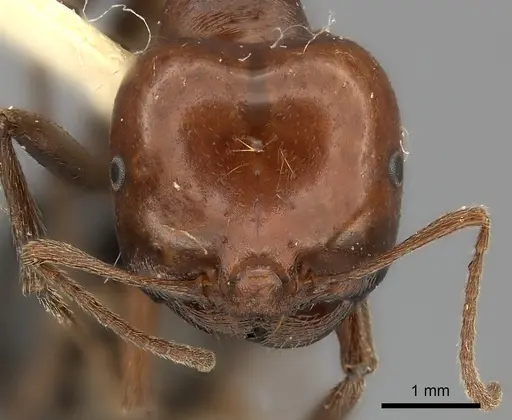
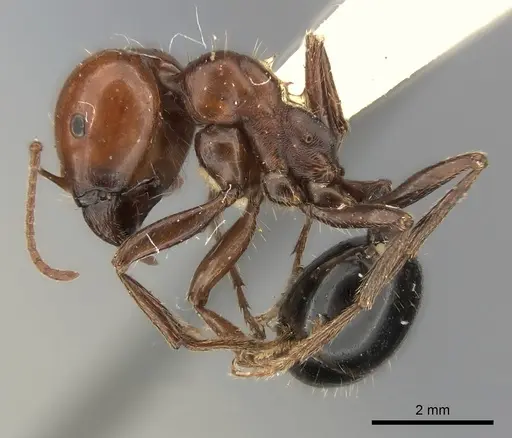
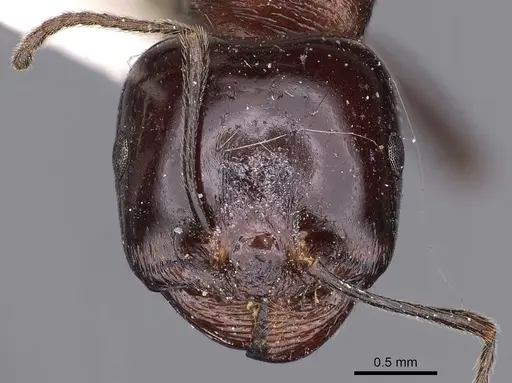
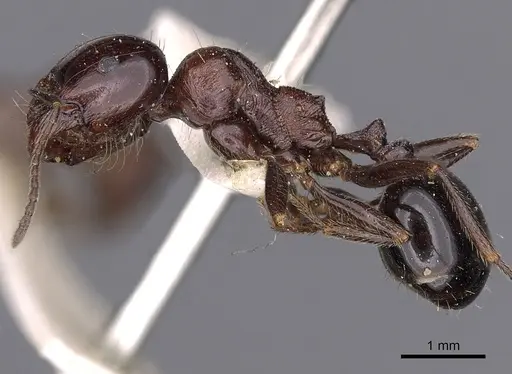
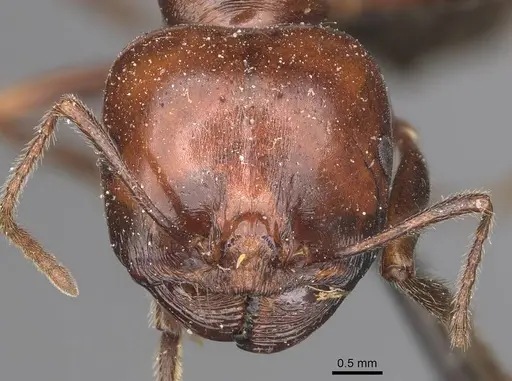
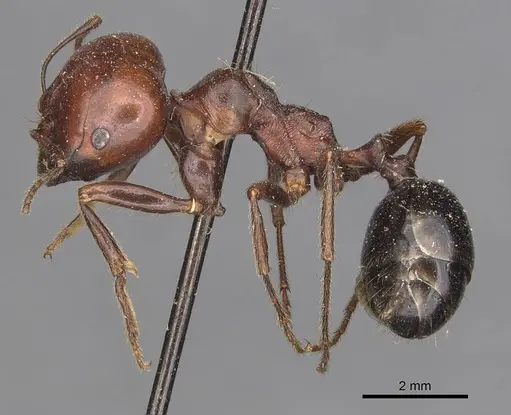
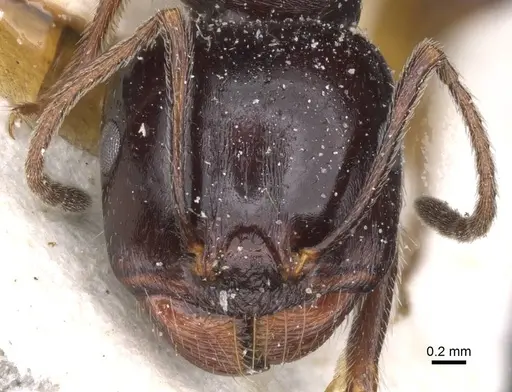
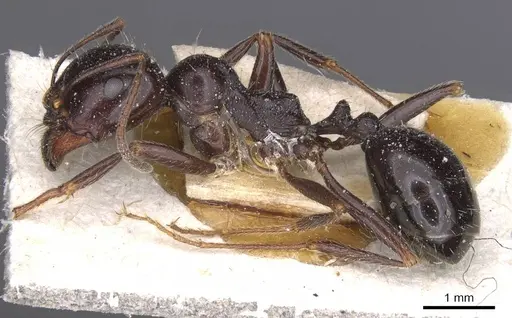
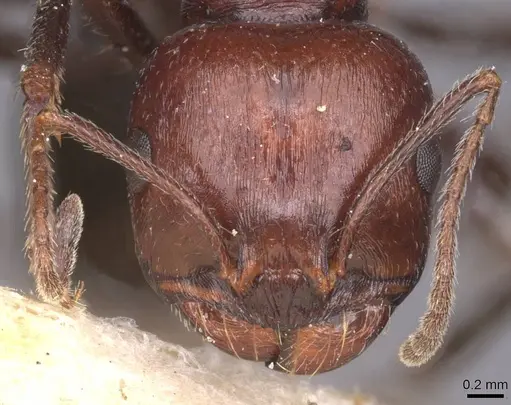
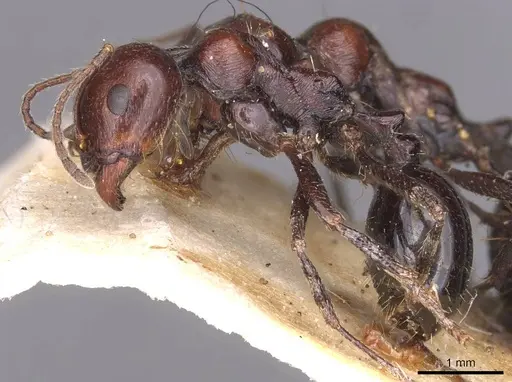
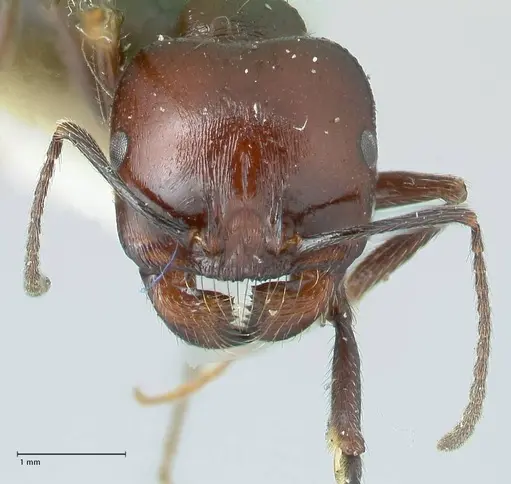
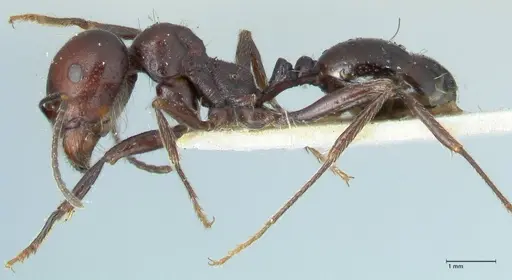
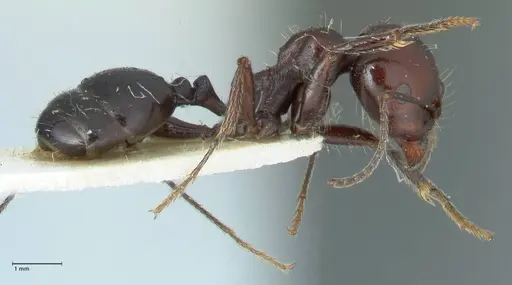
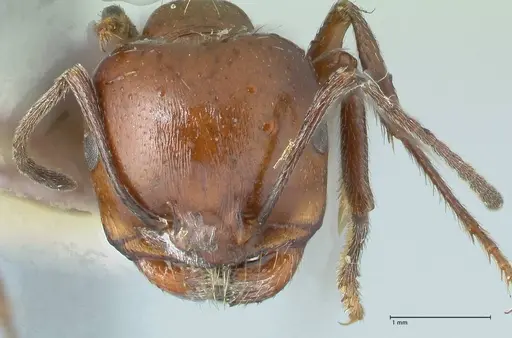
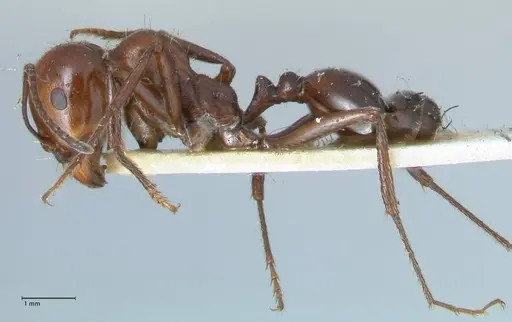
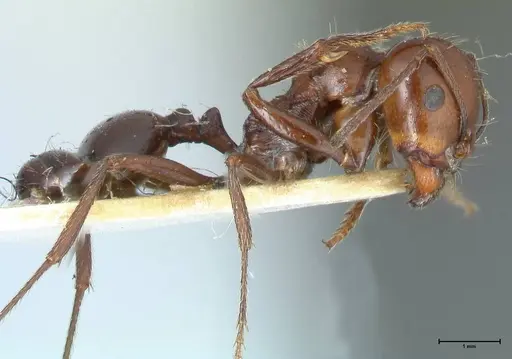
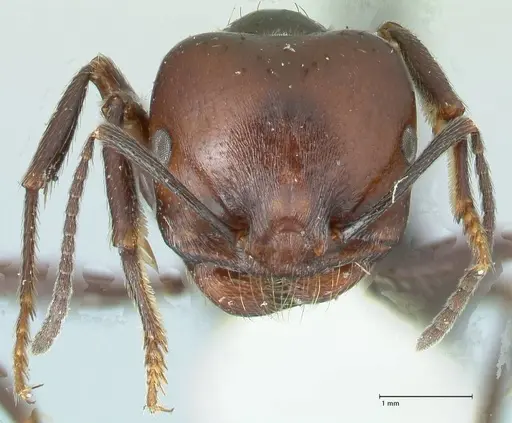
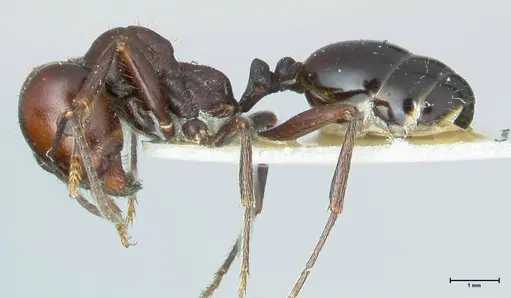
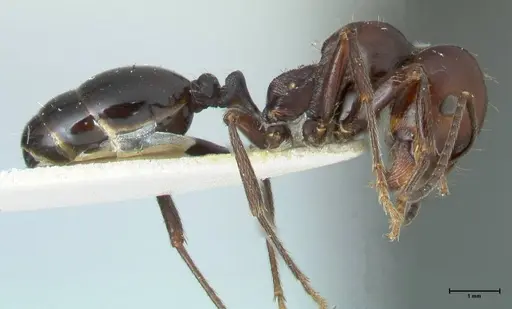
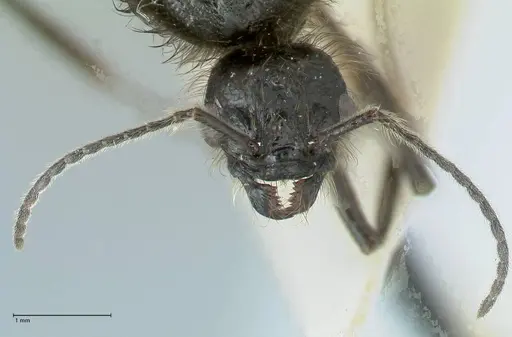
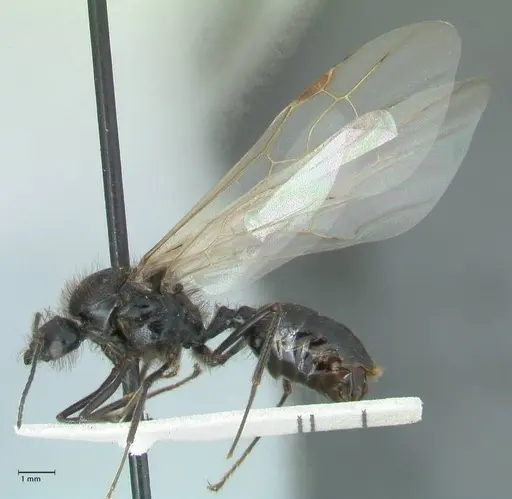
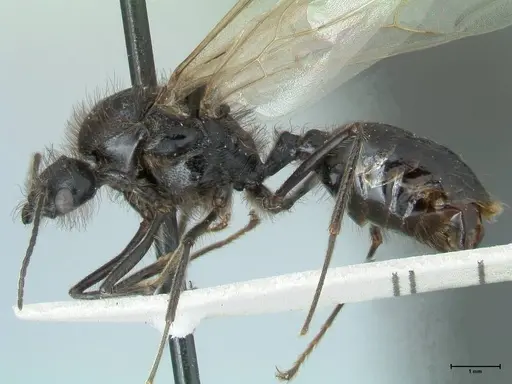
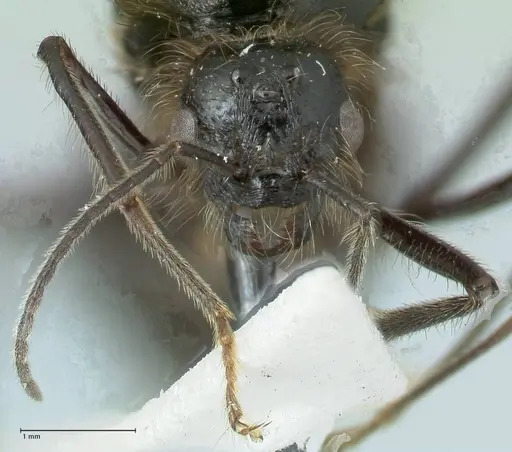
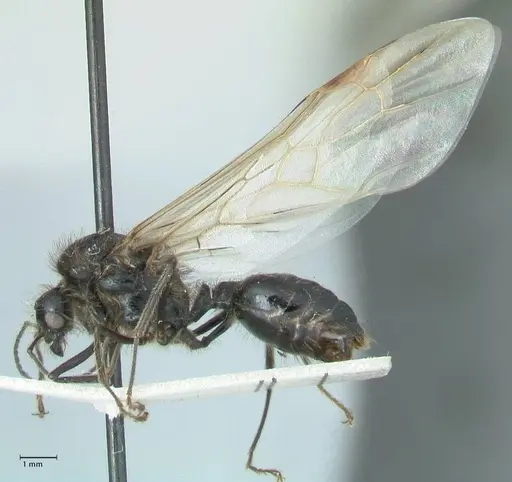
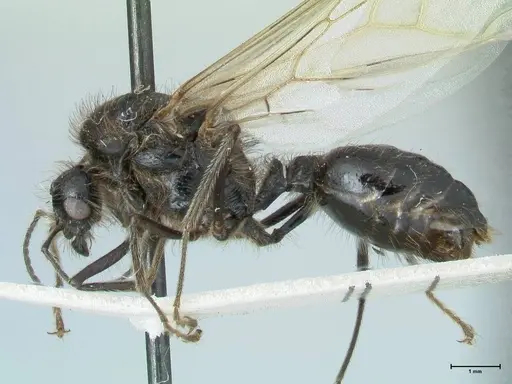
Messor semirufus is a medium-sized harvester ant found across the Mediterranean region, Middle East, and parts of Central Asia. Workers are strongly polymorphic, meaning they come in dramatically different sizes, small workers measure 3-4.5mm while major workers reach 7-9mm with large, shiny heads [1]. The head and thorax are typically reddish while the abdomen is darker. This species is one of the most common ants in the Mediterranean parts of Israel and thrives in open, dry habitats with sparse vegetation [2][3].
What makes M. semirufus particularly interesting is its colony founding behavior. Unlike many ants that found colonies alone, researchers in Jerusalem found that roughly 5% of newly dug burrows contain multiple queens, and this jumps to 20% in paved areas where finding nesting sites is harder [4]. These are 'forced associations' where queens try to take over each other's burrows rather than cooperating. Single queens consistently outperform groups in establishing colonies, with 97% survival versus 60% for paired queens [4].
Quick Summary
- Difficulty: Easy
- Origin & Habitat: Mediterranean and Middle Eastern regions including Turkey, Israel, Jordan, Iran, Iraq, Armenia, Azerbaijan, and parts of Central Asia. Found in open ground, roadsides, and dry habitats with Mediterranean scrub vegetation. Nests are in soil with narrow entrance holes, often surrounded by small piles of excavated earth [3][2].
- Colony Type: Single-queen colonies (monogyne). Workers do not reproduce in queenright colonies, only trophic eggs are produced by workers [5]. The species shows facultative multi-queen founding in the founding stage, but established colonies are single-queen.
- Colony: Monogyne
- Founding: Claustral
- Size & Growth:
- Queen: Approximately 9-12mm (estimated based on genus)
- Worker: 3-9mm (strongly polymorphic, small workers 3-4.5mm, majors 7-9mm) [1]
- Colony: Unknown for this specific species, but related Messor species typically reach several thousand workers
- Growth: Moderate, egg-laying begins approximately 3 months after queen enters the burrow [4]
- Development: Estimated 6-10 weeks at optimal temperature (based on genus patterns for Messor species) (Development is relatively slow compared to some ants, queens begin laying eggs about 3 months after founding [4])
- Antkeeping:
- Temperature: Keep at room temperature (20-25°C). This is a Mediterranean species that tolerates a range of temperatures. A slight gradient with a warm end around 25°C supports activity and brood development.
- Humidity: Low to moderate. These are dryland ants from arid and semi-arid regions. Keep nest substrate dry to slightly moist, avoiding constant dampness. Provide a water tube for drinking but avoid high humidity.
- Diapause: Yes, this species experiences winter dormancy in its native range. Reduce temperature to 10-15°C for 2-3 months during winter.
- Nesting: Y-tong (AAC) nests work well given their preference for dry conditions. Plaster or acrylic nests are also suitable. Provide a dry outworld for foraging. Naturalistic setups with sand/substrate mimic their natural soil-nesting behavior.
- Behavior: Generally peaceful but can be defensive when their nest is disturbed. Workers forage individually, primarily harvesting seeds but also collecting plant material and small insects [6]. They are not aggressive toward humans and rarely sting. Major workers have powerful mandibles but cannot penetrate human skin. They are moderate escape artists, use standard barrier methods but they aren't particularly small or agile. Workers create visible foraging trails and can travel significant distances from the nest.
- Common Issues: queen mortality during colony founding is high when multiple queens are housed together, keep foundresses separate for best success, slow colony growth in the first year can frustrate beginners, they grow slower than tropical species, overfeeding leads to mold in dry nests, remove uneaten food promptly, winter dormancy is required in temperate climates, skipping hibernation weakens colonies over time, wild-caught colonies may have parasites or damage from collection
Housing and Nest Setup
Messor semirufus does well in Y-tong (AAC), acrylic, or plaster nests. These ants prefer dry conditions, so avoid setups that retain moisture. A typical setup includes a test tube setup for the founding chamber connected to an outworld for foraging. For established colonies, provide a formicarium with chambers scaled to colony size, these ants are polymorphic so having both small and large chambers accommodates different worker sizes. The outworld should be spacious enough for seed storage and foraging. Use standard escape prevention (fluon on rim edges) but they aren't particularly good climbers or escape artists. [3][1]
Feeding and Diet
As harvesters, Messor semirufus primarily collects and stores seeds. In captivity, offer a variety of seeds, millet, chia, flax, and other small seeds are readily accepted. They also need protein sources: small insects like fruit flies, pinhead crickets, or mealworms. Sugar water or honey can be offered occasionally but seeds should form the backbone of their diet. Remove uneaten seeds periodically to prevent mold. Major workers will crack larger seeds while minors handle smaller ones. Fresh water should always be available. [6][3]
Colony Founding
If you're catching a queen, the claustral founding stage requires patience. After mating, the queen seals herself in a chamber she excavates. She lives entirely on stored fat reserves and histolyzed wing muscles, do not feed her during this phase [4]. Egg-laying begins approximately 3 months after she enters the burrow [4]. The first workers (nanitics) are small and will begin foraging once they emerge. If you're housing multiple foundresses, keep them separate, research shows single queens have 97% survival versus 60% for paired queens [4]. Multiple queens in close proximity often fight, with the resident queen typically winning due to prior-residence advantage.
Temperature and Seasonal Care
Keep your colony at room temperature (20-25°C). These Mediterranean ants tolerate a range but prefer the warmer end of that spectrum for active foraging and brood development. During winter in temperate climates, they require a diapause period. Reduce temperature to 10-15°C for 2-3 months, mimicking natural seasonal cycles. You can place the colony in an unheated garage or basement during this time. Do not feed during hibernation but ensure water is available. Skipping hibernation will weaken the colony over time and may affect queen longevity. [4][2]
Behavior and Foraging
Workers forage individually rather than in coordinated teams [7]. They create cleared paths or 'roads' leading from the nest, often extending 60 meters or more in the wild [3]. In captivity, you'll see workers actively collecting and storing seeds. Major workers have enlarged heads and mandibles for seed-cracking. They are not aggressive toward keepers and rarely attempt to sting. The colony will establish clear foraging patterns, once workers learn where food sources are, they'll maintain trails. Major workers are significantly larger than minors and often specialize in different tasks.
Frequently Asked Questions
How long does it take for Messor semirufus to produce first workers?
Expect 3-6 months from founding to first workers. Queens begin laying eggs approximately 3 months after entering the burrow [4], and then it takes additional weeks for eggs to develop into workers. Be patient, this species grows more slowly than many tropical ants.
Can I keep multiple Messor semirufus queens together?
Not recommended for established colonies. While roughly 5% of wild burrows contain multiple founding queens (up to 20% in paved areas), these are forced associations where queens compete to take over each other's nests [4]. Single queens significantly outperform groups: 97% survival for singles versus 60% for pairs. Keep foundresses separate for best success.
Do Messor semirufus ants sting?
They have a stinger but rarely use it and cannot penetrate human skin. Major workers have powerful mandibles but are not aggressive toward humans. They are considered safe to handle gently if needed.
What do Messor semirufus eat?
Seeds form the primary diet, offer millet, chia, flax, and similar small seeds. They also need protein from small insects like fruit flies or mealworms. Sugar water or honey can be offered occasionally. Remove uneaten food promptly to prevent mold.
Do Messor semirufus need hibernation?
Yes, they require a winter dormancy period. Reduce temperature to 10-15°C for 2-3 months during winter. This mimics their natural Mediterranean climate and helps maintain colony health. Skip hibernation at your own risk, it will weaken the colony over time.
Are Messor semirufus good for beginners?
Yes, they are considered easy to keep. They are forgiving of minor temperature fluctuations, don't require high humidity, and are not aggressive. The main challenges are their slower growth rate compared to tropical species and the need for winter hibernation.
How big do Messor semirufus colonies get?
Colony size is not well documented for this specific species, but related Messor species typically reach several thousand workers. Their strongly polymorphic worker caste (3-9mm) allows for division of labor with majors specializing in seed-cracking.
When should I move my colony to a formicarium?
Move them once the colony reaches 50-100 workers and the test tube setup becomes crowded. Messor semirufus does well in Y-tong or acrylic formicariums with dry conditions. Ensure the chambers are appropriately sized, they will expand into larger chambers as the colony grows.
References

This caresheet is licensed under CC BY-SA 4.0 .
CASENT0217877
View on AntWeb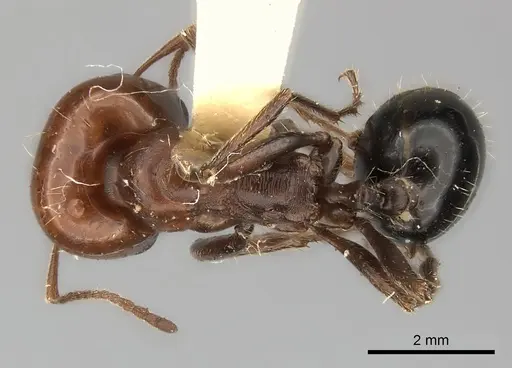
CASENT0900483
View on AntWeb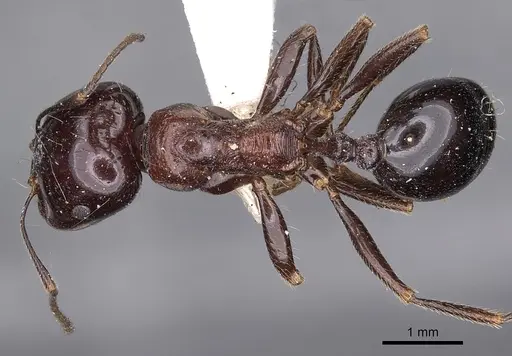
CASENT0907730
View on AntWeb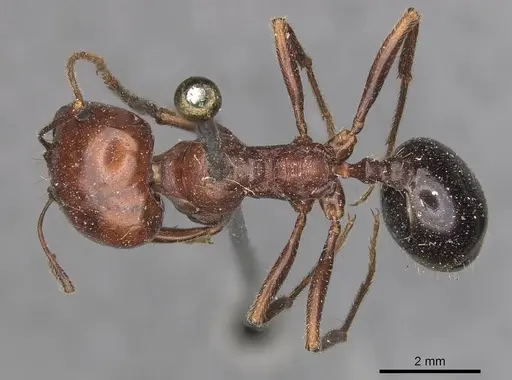
CASENT0913223
View on AntWeb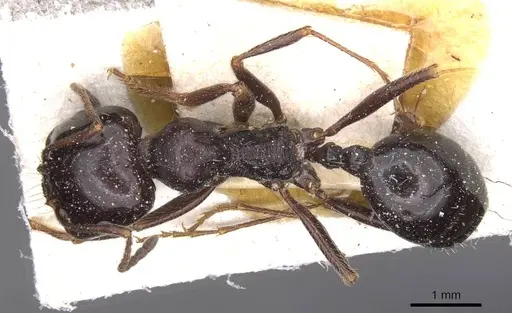
CASENT0913627
View on AntWeb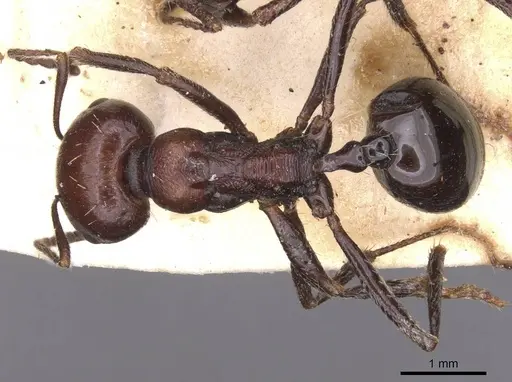
FOCOL1264
View on AntWeb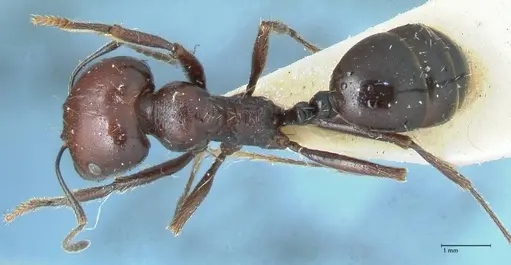
FOCOL1265
View on AntWeb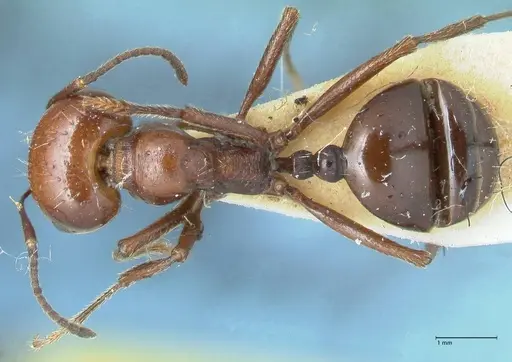
FOCOL1266
View on AntWeb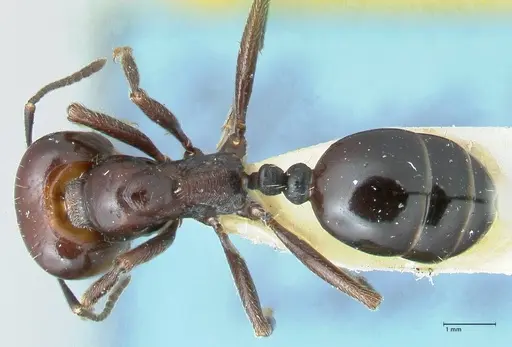
FOCOL1267
View on AntWeb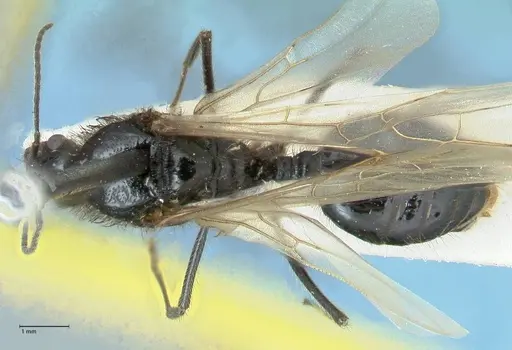
FOCOL1268
View on AntWeb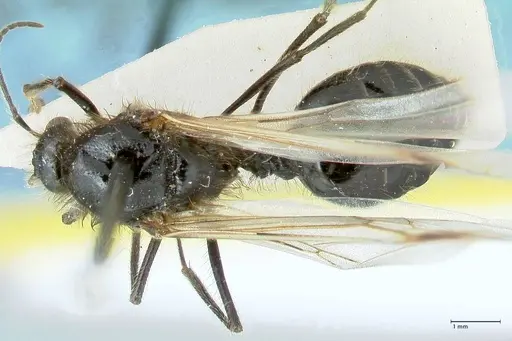
Literature
Loading...Loading products...