

Messor decipiens
- Scientific Name
- Messor decipiens
- Tribe
- Stenammini
- Subfamily
- Myrmicinae
- Author
- Santschi, 1917
- Common Name
- Deceptive Harvester Ant
- Distribution
- Found in 3 countries
Messor decipiens Overview
Messor decipiens (commonly known as the Deceptive Harvester Ant) is an ant species of the genus Messor. It is primarily documented in 3 countries , including Lesotho, Namibia, South Africa. Detailed taxonomic data and occurrence records can be further explored via authoritative databases such as AntWeb or the Global Biodiversity Information Facility (GBIF).
Messor decipiens - "Deceptive Harvester Ant"
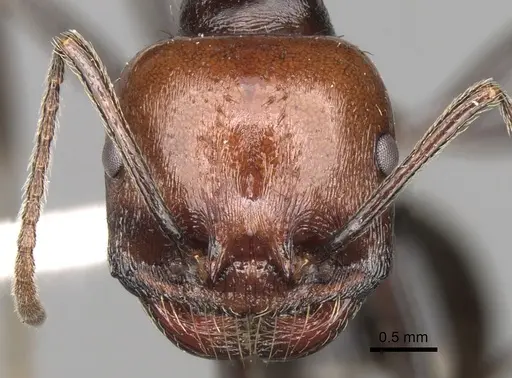
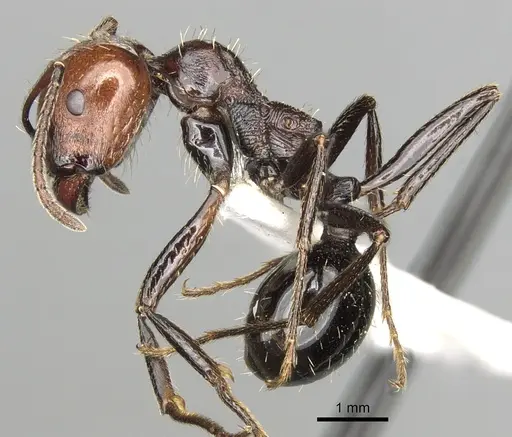
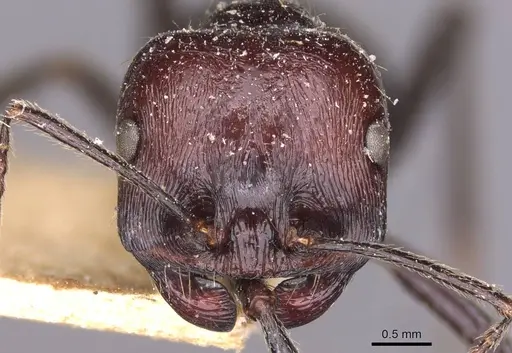
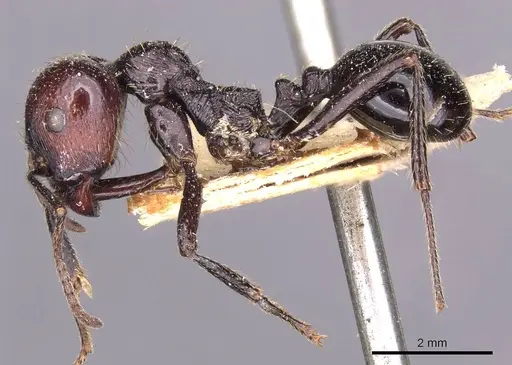
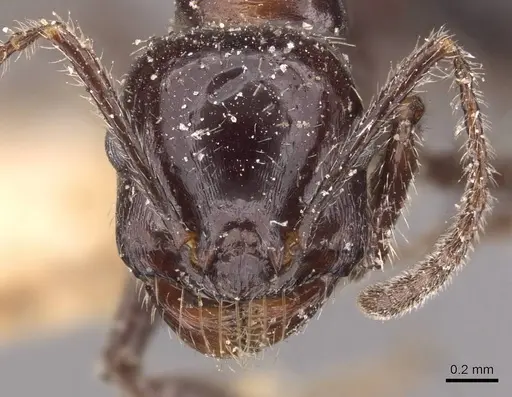
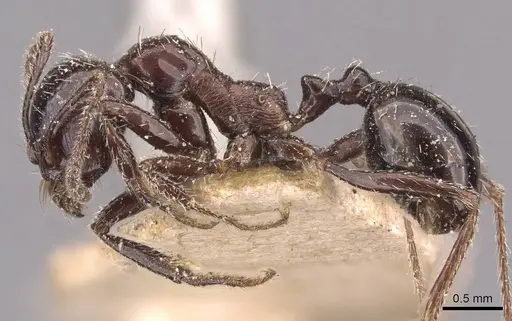
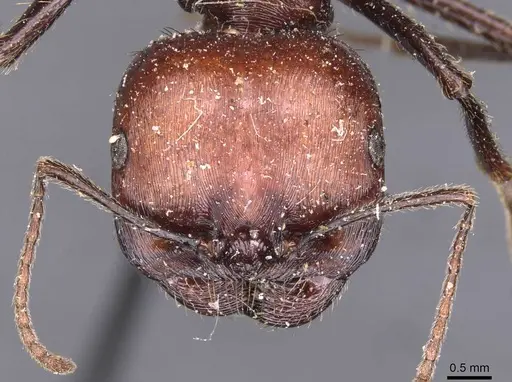
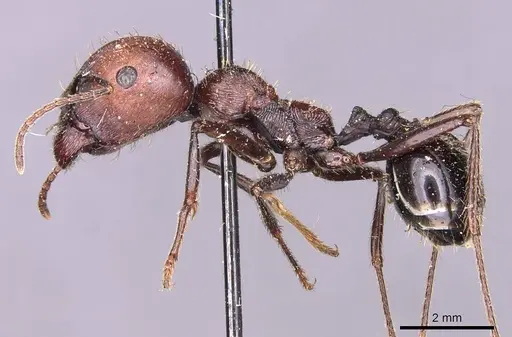
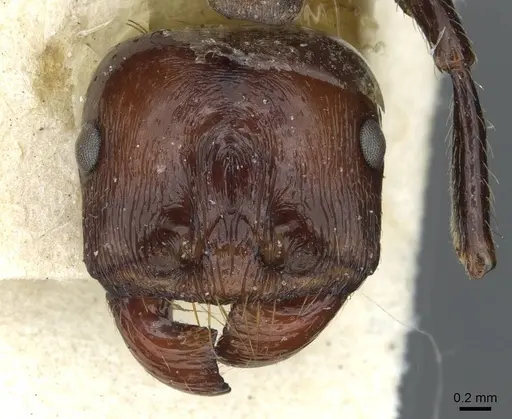
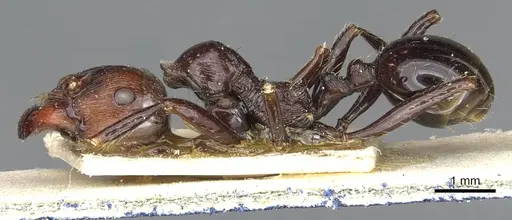
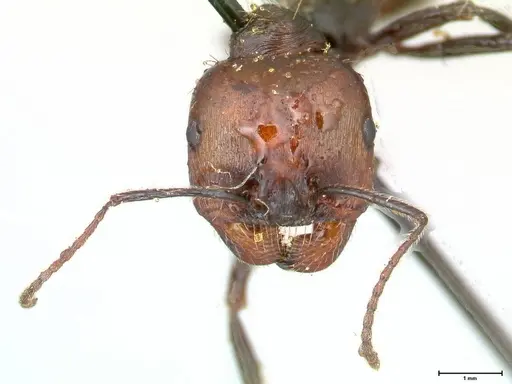
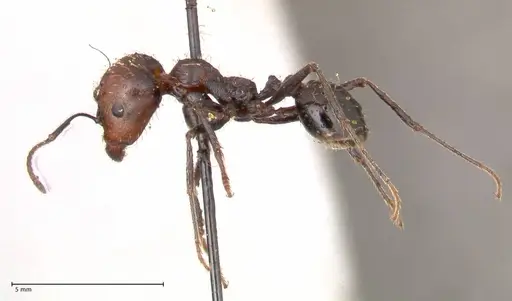
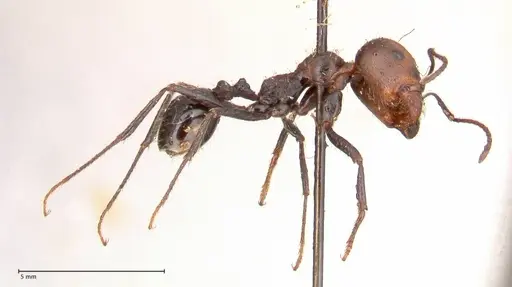
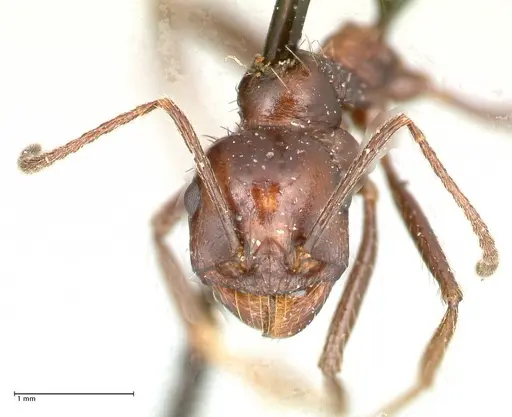
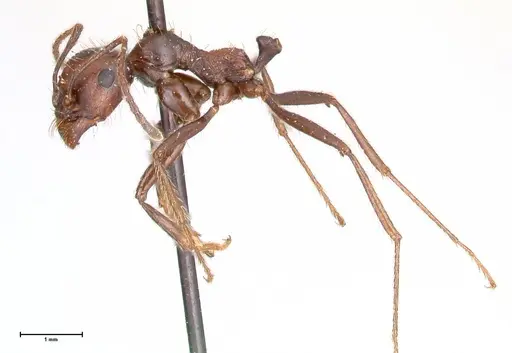
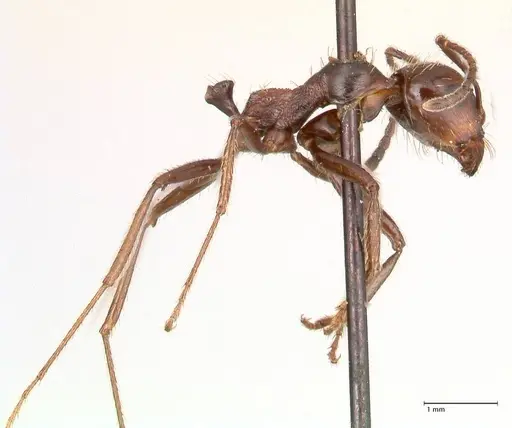
Messor decipiens is a medium to large harvester ant species native to southern and eastern Africa, with populations also recorded in Saudi Arabia and Iraq [1]. Workers measure 2.64-4.20mm in head width, making them substantial compared to many Myrmicinae ants. The species is easily recognized by its distinctive coloration: the head is red or dark red, noticeably contrasting with the darker brown alitrunk and gaster [1]. This color pattern is one of the key features separating it from close relatives like Messor piceus, which has dark pilosity and less color contrast between head and body. The species was originally described as a subspecies of Messor capensis but was elevated to full species status in 1982,and is also known by the synonyms Messor decipiens and Messor probus [2].
As a harvester ant, Messor decipiens plays an important ecological role in its native habitat by collecting and storing seeds, contributing to seed dispersal across the savanna and grassland ecosystems of its range. The genus Messor is known for its granivorous diet, and this species likely follows similar foraging patterns to other harvesters, gathering seeds and occasionally supplementing with insect prey.
Quick Summary
- Difficulty: Easy
- Origin & Habitat: Southern and eastern Africa, Saudi Arabia, and Iraq. Found in savanna, grassland, and dry woodland habitats across the Afrotropical and Palaearctic regions [1][2].
- Colony Type: Single-queen (monogyne) colonies, typical for the genus Messor. Queens are claustral founders who seal themselves in to raise their first workers alone.
- Colony: Monogyne
- Founding: Claustral
- Size & Growth:
- Queen: Estimated 8-10mm based on genus patterns for medium-large Messor species
- Worker: 2.64-4.20mm head width [2]
- Colony: Likely reaches several thousand workers based on typical Messor colony development
- Growth: Moderate, seed-harvesting ants typically grow steadily once established
- Development: Estimated 6-10 weeks based on typical Messor development at warm temperatures (Development time depends on temperature, warmer conditions within acceptable range accelerate growth)
- Antkeeping:
- Temperature: Keep at 22-28°C. Provide a temperature gradient allowing workers to self-regulate. Room temperature in most homes (20-24°C) is suitable, with slight warming if needed [2]
- Humidity: Moderate to low humidity, these are adapted to drier African conditions. Allow nest substrate to dry partially between water additions. Avoid constant saturation.
- Diapause: Not required. As a species from southern Africa, they do not experience harsh winters and remain active year-round with proper care. However, a slight reduction in temperature during winter months (down to 18-20°C) may slow activity naturally.
- Nesting: Y-tong (acrylic) nests work well for this medium-sized species. They prefer tight-fitting chambers. Naturalistic setups with sand/soil mixtures also work, as they naturally nest in soil and collect seeds.
- Behavior: Generally calm and non-aggressive foragers. Workers emerge to collect seeds and will readily take protein foods like insects. They are not known for biting or stinging aggressively, making them beginner-friendly. Escape risk is moderate, their size makes them less likely to escape through tiny gaps than tiny ants, but standard escape prevention (fluon on rim edges) is still recommended. Workers are active foragers, primarily during daylight hours.
- Common Issues: colonies can stagnate if fed too much sugar, they are primarily seed eaters, so focus on seed mixes and protein, dry conditions can cause founding queens to fail, keep founding chamber slightly moist but not wet, wild-caught colonies may carry parasites, quarantine and observe new colonies before introducing to established setups, overheating is more dangerous than cold, avoid direct sunlight and heating cables set too high, seed storage can mold if humidity is too high, provide ventilation and remove uneaten seeds regularly
Nest Preferences and Housing
Messor decipiens does well in standard antkeeping setups suited to medium-sized Myrmicinae. Y-tong (acrylic) nests with chambers sized appropriately for their worker size work excellently, the tight chambers help them feel secure. For founding colonies, a test tube setup with a cotton ball reservoir provides proper humidity control. Once the colony reaches 20-30 workers, you can transition to a formicarium. Naturalistic setups with a sand/soil mix also work well, mimicking their natural soil-nesting behavior. Ensure the nest has dark areas, these ants prefer to nest in darker, more concealed spaces. A small outworld connected to the nest allows for foraging and seed storage behavior. [2]
Feeding and Diet
As true harvester ants, Messor decipiens specializes in collecting and storing seeds. In captivity, offer a seed mix appropriate to their African origin, millet, canary seed, and small grass seeds work well. They will crack seeds open to eat the nutritious contents. Supplement their diet with protein sources like small insects (fruit flies, small mealworms, crickets) offered a few times per week. Unlike many ants, they are not strongly attracted to sugar water, though they may occasionally accept it. The key to healthy colonies is a balanced diet heavy on seeds with regular protein supplementation. Remove uneaten seeds periodically to prevent mold in humid conditions. [2]
Temperature and Seasonal Care
Messor decipiens originates from southern Africa's warm climate, so they prefer temperatures in the 22-28°C range. Room temperature (around 20-24°C) is typically suitable for established colonies. During the warmer summer months, they will be most active. In winter, a slight reduction to 18-20°C is acceptable but not required, they do not need true hibernation. Avoid temperatures below 15°C as this can stress the colony. Provide a temperature gradient within the setup so workers can choose their preferred warmth. Heating cables or mats can be used on one side of the nest if your room runs cool, but always monitor to prevent overheating. [1]
Colony Founding
Newly mated queens will dig a small chamber and seal themselves inside, this is claustral founding. The queen uses stored fat reserves to survive and produce eggs without foraging. She raises the first brood alone, typically producing nanitic (first) workers that are smaller than mature workers. Once the first workers emerge (usually 4-8 weeks depending on temperature), they begin foraging to support the colony. During this critical period, the founding chamber should be kept slightly moist but not wet. Disturb the queen as little as possible during founding, stress can cause her to eat her brood or abandon the nest. [2]
Behavior and Temperament
These ants are peaceful foragers rather than aggressive defenders. Workers search for seeds and carry them back to the nest, often storing seeds in dedicated chambers, a classic harvester ant behavior. They are diurnal, most active during daylight hours. While they can bite if threatened, they are not particularly aggressive and rarely sting. Their moderate size makes them less prone to escaping than tiny ants, but standard precautions like applying fluon to rim edges are still recommended. Workers are robust and long-lived compared to many ant species, which contributes to stable colony growth once established. [2]
Frequently Asked Questions
How long does it take for Messor decipiens to produce first workers?
First workers (nanitics) typically emerge 6-10 weeks after the queen lays eggs, depending on temperature. Warmer temperatures (within the 22-28°C range) speed development, while cooler conditions slow it down.
What do Messor decipiens eat?
They are seed-eating harvester ants. Offer a seed mix (millet, canary seed, grass seeds) as their primary food, supplemented with small insects like fruit flies or mealworms a few times per week. They are not strongly attracted to sugar water.
Do Messor decipiens ants sting?
They can sting but rarely do so. They are not aggressive and are considered beginner-friendly. If threatened, they may bite, but the bite is mild for their size.
Can I keep multiple Messor decipiens queens together?
No. This species is monogyne, meaning single-queen colonies. Multiple queens will fight until only one remains. Only keep one queen per colony.
Do Messor decipiens need hibernation?
No. As a southern African species, they do not require true hibernation. A slight temperature reduction in winter (to around 18-20°C) is acceptable but not necessary.
What size colony do Messor decipiens reach?
Mature colonies can reach several thousand workers. They are moderate growers, expect 1-2 years to reach 100 workers, with faster growth thereafter.
When should I move Messor decipiens to a formicarium?
Move them once the colony reaches 20-30 workers and the test tube becomes crowded. Ensure the formicarium has appropriately sized chambers for their worker size.
Are Messor decipiens good for beginners?
Yes. They are considered easy to keep, they are not aggressive, do not require hibernation, and their seed-based diet is straightforward to provide. Their moderate size also makes them easier to house than tiny species.
Why is the head of my Messor decipiens red?
This is normal! The species is characterized by having a red or dark red head that contrasts with the darker brown alitrunk and gaster. This color pattern is one of the distinguishing features of Messor decipiens.
How often should I feed Messor decipiens?
Provide seeds constantly, they will store them. Offer protein (insects) 2-3 times per week. Remove any uneaten insects after 24 hours and replace old seeds periodically to prevent mold.
References

This caresheet is licensed under CC BY-SA 4.0 .
CASENT0005906
View on AntWeb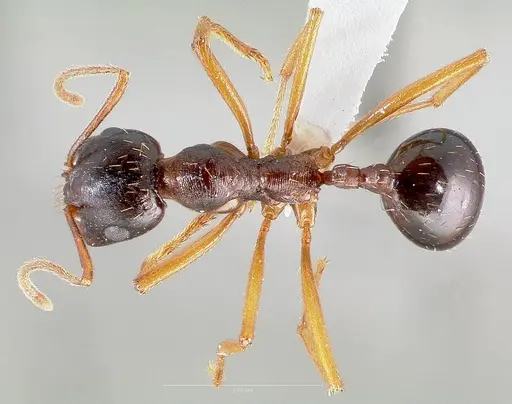
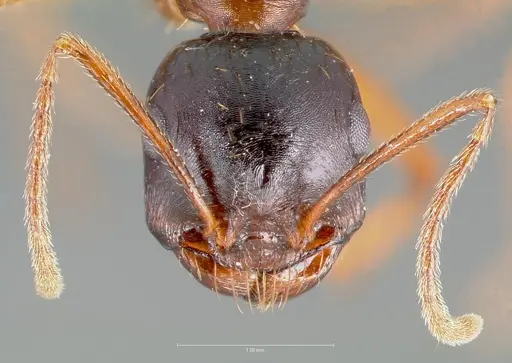
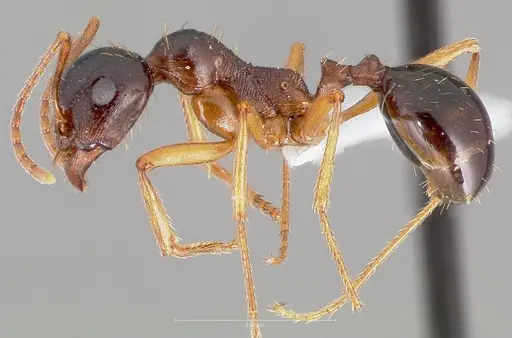
CASENT0281588
View on AntWeb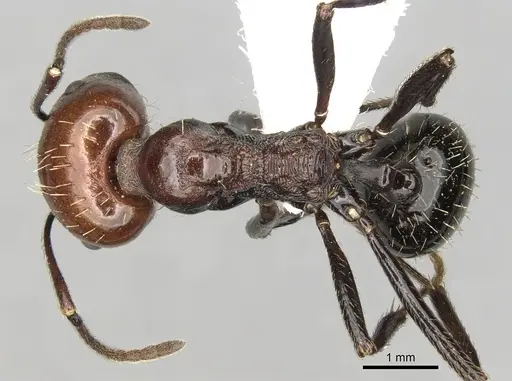
CASENT0907714
View on AntWeb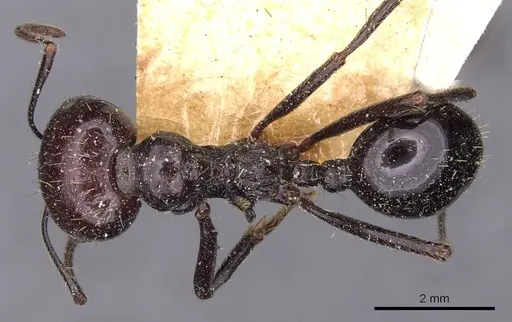
CASENT0907715
View on AntWeb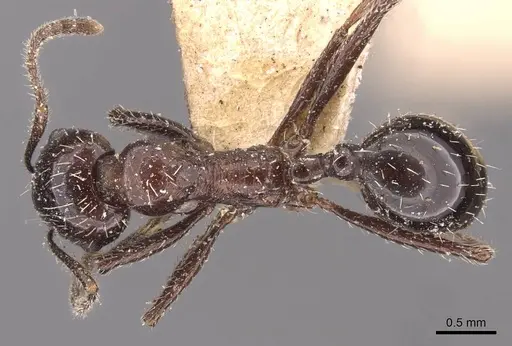
CASENT0907716
View on AntWeb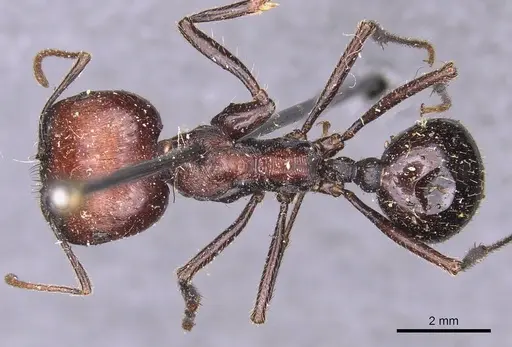
CASENT0913175
View on AntWeb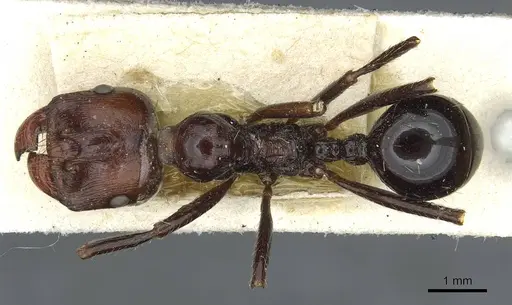
FOCOL0626
View on AntWeb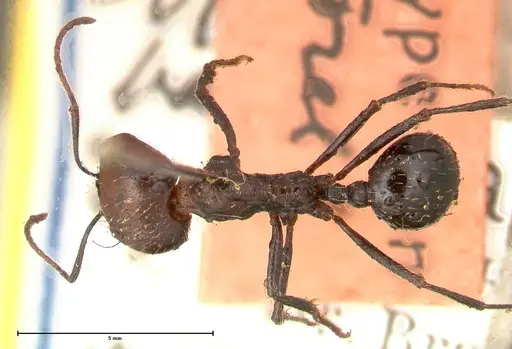
FOCOL0627
View on AntWeb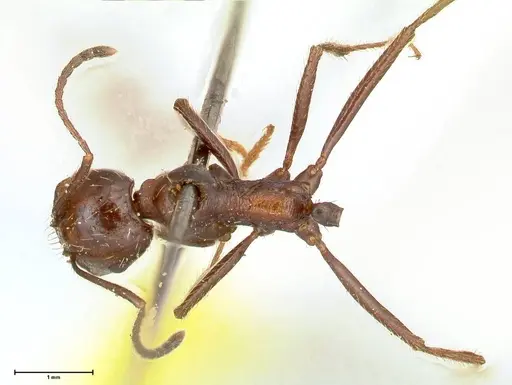
Literature
Loading...Loading products...