

Messor concolor
- Scientific Name
- Messor concolor
- Tribe
- Stenammini
- Subfamily
- Myrmicinae
- Author
- Santschi, 1927
- Distribution
- Found in 1 countries
Messor concolor Overview
Messor concolor is an ant species of the genus Messor. It is primarily documented in 1 countries , including Greece. Detailed taxonomic data and occurrence records can be further explored via authoritative databases such as AntWeb or the Global Biodiversity Information Facility (GBIF).
Messor concolor
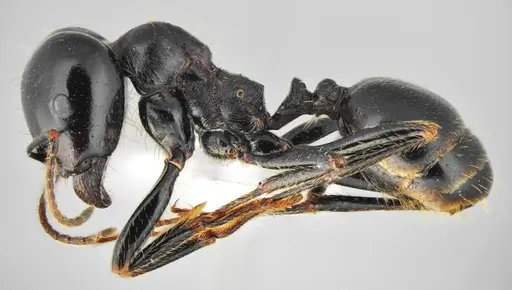
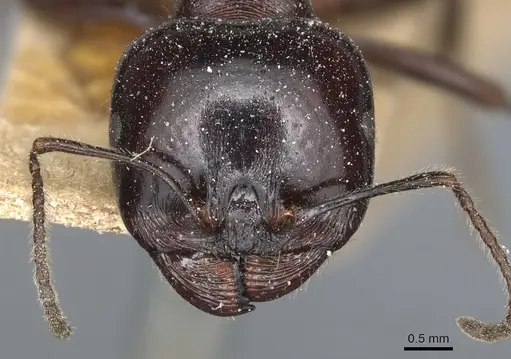
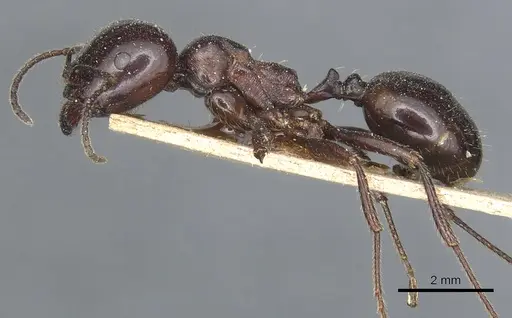
Messor concolor is a medium-sized harvester ant endemic to Crete and the eastern Mediterranean. Workers are strongly polymorphic, ranging from 3-4.5mm in small workers to 7-9mm in major workers [1]. The species is characterized by a smooth, shiny head, nearly uniform dark brown body coloration, and a distinctive dull gaster with very dense microreticulation that sets it apart from related species in the Messor semirufus group [2]. This ant is a seed harvester, collecting and storing seeds as its primary food source. The species was long confused with related taxa but is now recognized as a distinct Cretan endemic [3].
Quick Summary
- Difficulty: Easy
- Origin & Habitat: Crete and eastern Mediterranean islands. In nature, these ants nest in soil, typically in dry riverbeds and rocky areas overgrown by phrygana (Mediterranean scrubland) [2]. Found from sea level to around 1200m altitude in Lebanon [4].
- Colony Type: Single-queen colonies (monogyne). Like other Messor species, colonies are strongly polymorphic with major and minor workers.
- Colony: Monogyne
- Founding: Claustral
- Size & Growth:
- Queen: Estimated 9-12mm based on genus patterns
- Worker: 3-4.5mm (minor) to 7-9mm (major) [1]
- Colony: Likely several hundred workers based on related species
- Growth: Moderate
- Development: Estimated 6-10 weeks at optimal temperature based on genus patterns (Development time inferred from related Messor species. Temperature affects development significantly.)
- Antkeeping:
- Temperature: Keep at 22-26°C. Mediterranean species so they tolerate warmer conditions. A gentle gradient allows workers to self-regulate.
- Humidity: Low to moderate. These are dry-adapted ants from Mediterranean climates. Keep substrate relatively dry, similar to their natural dry riverbed habitat.
- Diapause: Yes. As a Mediterranean species, they benefit from a cool winter period (10-15°C) for 2-3 months to simulate natural seasonal cycle.
- Nesting: Soil nests work best. A naturalistic setup with dry substrate or a Y-tong/plaster nest with low humidity chambers suits them well. They prefer compact chambers over large open spaces.
- Behavior: Generally calm and non-aggressive. Major workers have large heads for seed processing. They forage for seeds and may take small insects. Not known for escaping, use standard barrier methods.
- Common Issues: colonies may stall if kept too cold, maintain warm temperatures, dry habitat is essential, avoid overwatering which causes mold, slow founding phase, new colonies need patience during claustral period, major workers are large but not aggressive, standard escape prevention is adequate, wild-caught colonies may have parasites, quarantine and observe new colonies
Nest Preferences and Housing
Messor concolor nests in soil in nature, typically in dry riverbeds and rocky Mediterranean areas [2]. For captive care, a naturalistic setup with a soil mixture or a Y-tong/plaster formicarium works well. These ants prefer dry to moderately humid conditions, their natural habitat in Crete and the Aegean is quite dry. Use a compact nest with chambers sized appropriately for the colony size. Since they are seed harvesters, provide some open space in the outworld for seed storage and foraging. A test tube setup works for founding colonies, but transfer to a more spacious nest once the colony reaches 20-30 workers.
Feeding and Diet
As a Messor species, M. concolor is primarily a seed harvester. They collect and store seeds in their nest, grinding them up using their well-developed mandibles (especially in major workers). In captivity, offer a variety of seeds including grass seeds, millet, and bird seed mixes. They also benefit from protein sources, occasional small insects like fruit flies or mealworm pieces are readily accepted. Sugar water or honey can be offered occasionally but is not essential since they get carbohydrates from seeds. Feed seeds constantly and protein 1-2 times per week. Remove uneaten seeds periodically to prevent mold. [2]
Temperature and Seasonal Care
These Mediterranean ants prefer warm conditions. Keep the nest at 22-26°C, with a slight gradient allowing workers to choose their preferred temperature. They are native to Crete and the eastern Mediterranean where temperatures are warm for most of the year. During winter, provide a cool period at 10-15°C for 2-3 months to simulate natural hibernation. This diapause period helps maintain colony health and may trigger reproductive behavior in established colonies. Do not hibernate colonies that are still in the founding stage, wait until the colony has several workers. [2][4]
Colony Founding
Like all Messor species, M. concolor is claustral. The queen seals herself in a small chamber and raises the first brood alone, living entirely on her stored fat reserves. She does not leave to forage during founding. The first workers (nanitics) are typically smaller than normal workers. This founding phase can take 4-8 weeks or longer depending on temperature. Do not disturb the founding chamber during this time. Once the first workers emerge, the colony can be fed small seeds and protein. Founding colonies are vulnerable, avoid temperature fluctuations and excessive humidity.
Behavior and Temperament
Messor concolor is a calm, non-aggressive species. Major workers have large, powerful heads for seed processing but rarely use them defensively. They are not known for being escape artists like some tiny species, but standard barrier methods (fluon on glass, tight-fitting lids) should still be used. Workers are active foragers, collecting seeds during the day. The species is strongly polymorphic, small workers handle general tasks while major workers specialize in seed processing and defense. They do not sting and pose no danger to keepers. [1]
Frequently Asked Questions
How long does it take for Messor concolor to raise first workers?
Expect first workers (nanitics) in 6-10 weeks at optimal temperature (around 24°C). This varies based on temperature, warmer conditions speed development while cooler temperatures slow it down.
What do Messor concolor ants eat?
They are seed harvesters. Offer a variety of seeds (grass, millet, bird seed) as their primary food. Supplement with small insects like fruit flies or mealworm pieces for protein. Seeds should be available constantly.
Do Messor concolor ants need hibernation?
Yes. As a Mediterranean species from Crete, they benefit from a cool winter period. Keep them at 10-15°C for 2-3 months during winter. Skip hibernation for very small colonies that are still in early founding.
How big do Messor concolor colonies get?
Based on related species, colonies likely reach several hundred workers. They are strongly polymorphic with major workers up to 9mm and minor workers around 3-4.5mm.
Can I keep multiple Messor concolor queens together?
This species is monogyne (single queen). Combining unrelated queens is not recommended as they will likely fight. Only one queen per colony.
What temperature is best for Messor concolor?
Keep nest temperature at 22-26°C. They are Mediterranean ants that tolerate warm conditions. A gentle gradient allows workers to self-regulate.
Are Messor concolor ants good for beginners?
Yes. They are relatively easy to care for, not aggressive, not prone to escaping, and their seed-based diet is simple to provide. The main challenge is patience during the slow founding phase.
Do Messor concolor ants sting?
No. They are completely harmless to humans. Major workers have large mandibles but use them primarily for seed processing, not defense.
When should I move my Messor concolor colony to a formicarium?
Move from test tube to a proper nest once the colony reaches 20-30 workers. They need space for seed storage and brood development. A naturalistic setup with soil or a Y-tong works well.
References

This caresheet is licensed under CC BY-SA 4.0 .
CASENT0872776
View on AntWeb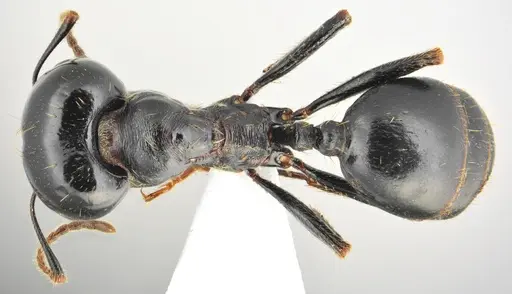
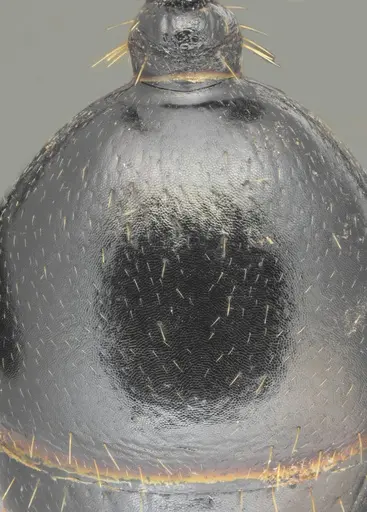
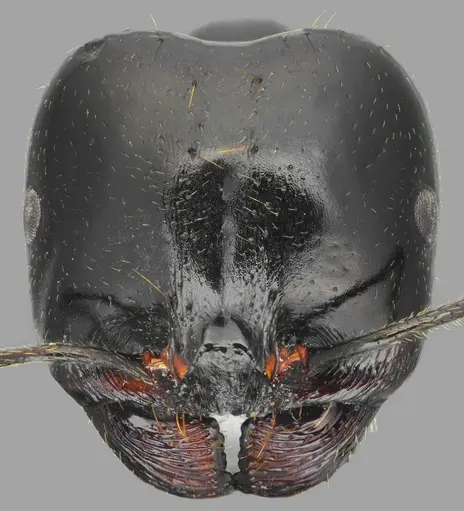
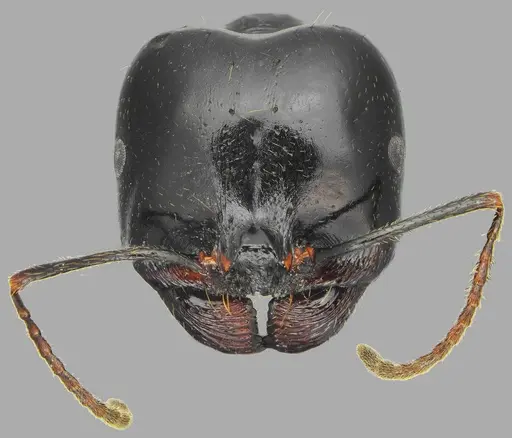
CASENT0904126
View on AntWeb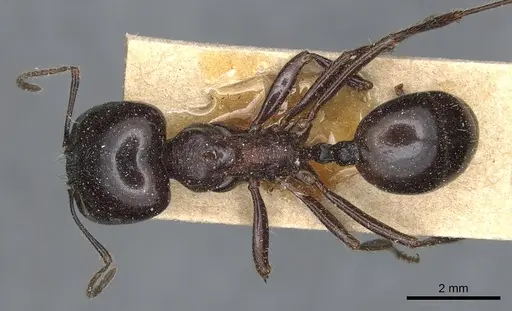
Literature
Loading...Loading products...