

Messor carpathous
- Scientific Name
- Messor carpathous
- Tribe
- Stenammini
- Subfamily
- Myrmicinae
- Author
- Menozzi, 1936
- Distribution
- Found in 1 countries
Messor carpathous Overview
Messor carpathous is an ant species of the genus Messor. It is primarily documented in 1 countries , including Greece. Detailed taxonomic data and occurrence records can be further explored via authoritative databases such as AntWeb or the Global Biodiversity Information Facility (GBIF).
Messor carpathous
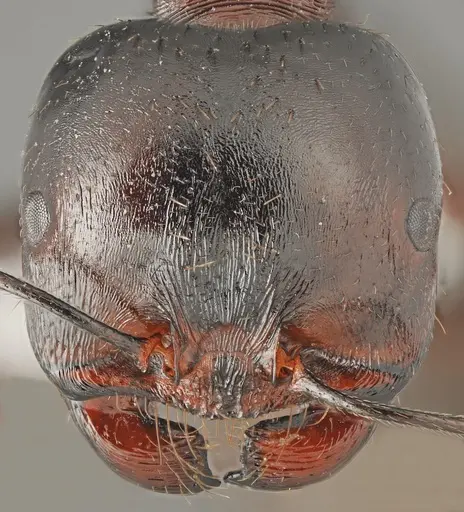
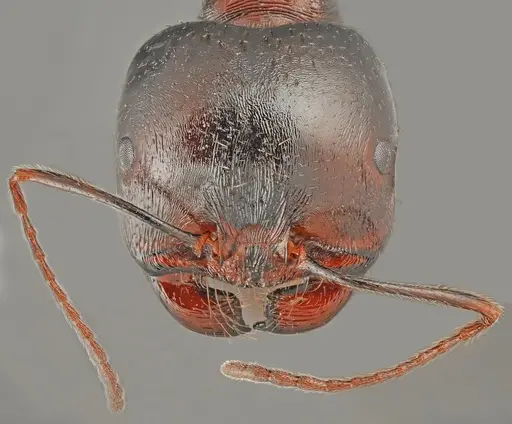
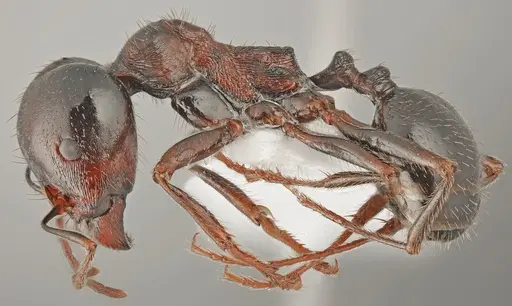
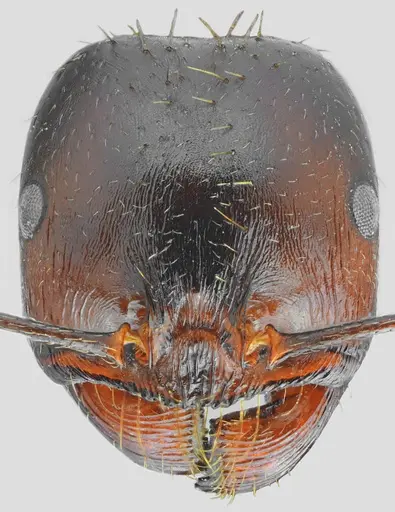
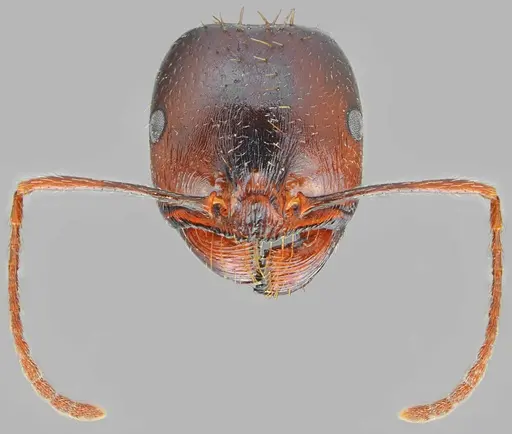
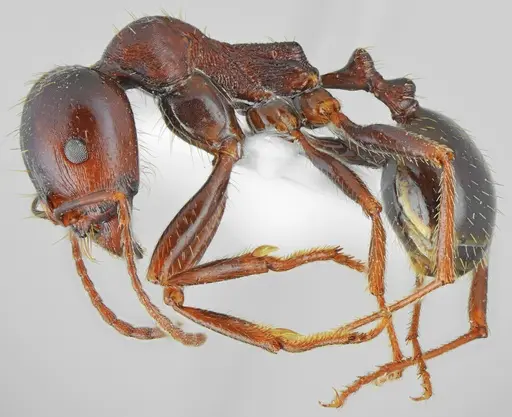
Messor carpathous is a small seed-harvester ant endemic to Karpathos, a Greek island in the eastern Mediterranean. Workers are uniformly dark brown, measuring 2.0-3.1mm in head width, with a distinctive square-shaped head and short antennal scapes featuring a triangular tooth at the base [1]. The species was originally described as a subspecies of Messor oertzeni but was elevated to full species status in 2019 based on unique morphological features, particularly the lobe-shaped projections on the propodeum and reduced sculpture on the head [1]. This ant is part of the Messor genus, known for their specialized seed-harvesting behavior and granary storage systems.
Quick Summary
- Difficulty: Hard
- Origin & Habitat: Karpathos, Greece, endemic to this single island. Workers have been collected in dry phrygana, the Mediterranean scrubland habitat typical of the Aegean islands, at twilight hours [1][2]. The nest was located in soil with a dense network of worker paths surrounding the nest entrances [1].
- Colony Type: Unknown. The colony structure has not been documented in scientific literature. As a Messor species, it likely forms single-queen colonies (monogyne), which is typical for the genus, but this remains unconfirmed.
- Founding: Claustral
- Size & Growth:
- Queen: Unconfirmed, queen measurements have not been described in available literature
- Worker: 2.0-3.1mm head width (workers measure HL 2.0-3.0mm, HW 1.9-3.1mm) [1]
- Colony: Unknown, no colony size data exists for this species
- Growth: Unknown
- Development: Unconfirmed, no direct development data exists for this species. Based on typical Messor genus patterns, expect 8-12 weeks at optimal temperature, but this is an estimate. (Development timeline is unconfirmed for this species. Related Messor species in Greece typically require 8-12 weeks from egg to first worker at warm temperatures.)
- Antkeeping:
- Temperature: Warm conditions preferred. Start around 22-26°C and observe colony activity. As a Mediterranean species from a hot Greek island, they likely tolerate higher temperatures well [1].
- Humidity: Low to moderate. This species was collected in dry phrygana habitat, indicating preference for drier conditions than many ants. Keep nest substrate moderately dry with occasional moisture zones.
- Diapause: Likely required. As a temperate/Messor species from Greece, a winter rest period is probably necessary. Provide 2-3 months at 10-15°C during winter.
- Nesting: Soil-nesting species. In captivity, a naturalistic setup with compact soil or a Y-tong/plaster nest with dry to moderately humid chambers works well. Avoid overly damp conditions.
- Behavior: Seed-harvester behavior typical of Messor genus. Workers collect and store seeds in granaries within the nest. Foraging activity occurs primarily at twilight in the wild [1]. They likely show moderate aggression when defending the nest. Escape risk is moderate, workers are small but not tiny, standard escape prevention measures should suffice.
- Common Issues: limited availability, this is a rarely kept species with very little captive breeding, no development data makes timing uncertain, keepers must be patient and observe their colony, endemic status means wild-caught queens are extremely difficult to obtain, dry habitat requirements mean overwatering can be fatal, poorly documented care requirements, much is inferred from genus patterns
Species Background and Identification
Messor carpathous is a Greek endemic ant species, meaning it is found nowhere else in the world except Karpathos island [1][2]. It was first described in 1936 by Menozzi as a variety of Messor oertzeni, then elevated to subspecies status, and finally recognized as a full species in 2019 by Salata and Borowiec [1]. The species can be identified by its uniformly dark brown coloration, square-shaped head, and distinctive lobe-shaped projections on the propodeum (the section between the thorax and abdomen). Unlike some related Messor species, it lacks psammophores (bristles adapted for carrying sand) and has reduced sculpture on the head in larger workers [1]. The species was collected in dry phrygana, the typical Mediterranean scrubland of Karpathos characterized by low, drought-resistant shrubs.
Natural History and Foraging
In the wild, Messor carpathous nests in soil with multiple entrances connected by a dense network of worker paths [1]. Workers were observed foraging at twilight, which is typical behavior for many Mediterranean ants to avoid daytime heat. As a Messor species, this ant is a specialized seed harvester, workers collect seeds and store them in granaries within the nest. The genus is known for their ability to process seeds by crushing them to create 'ant bread' as a food source. The short antennal scapes and distinctive head shape are morphological adaptations related to their seed-handling behavior. The species appears to be well-adapted to the hot, dry conditions of Karpathos island.
Housing and Nesting
For captive care, provide a soil-based naturalistic setup or a Y-tong/plaster nest. This species prefers drier conditions than many ants, the dry phrygana habitat where it was collected indicates low humidity tolerance. Use a compact nest with chambers sized appropriately for a small Messor species. A small outworld allows for seed-harvesting behavior demonstrations. Ensure the nest material stays relatively dry, avoid damp conditions that would promote mold. Standard test tube setups may work for founding colonies but a more naturalistic approach suits their soil-nesting nature. [1]
Feeding and Diet
As a seed harvester, Messor carpathous should be offered a mix of seeds appropriate to their small size, millet, grass seeds, and small bird seed work well. They will also accept protein sources like small insects (fruit flies, pinhead crickets, mealworms). Sugar water or honey can be offered occasionally but seed-based diets are primary for Messor species. Provide a constant water source. The granary behavior means they may store seeds extensively, this is normal and not a sign of overfeeding.
Temperature and Seasonal Care
Keep colonies warm, around 22-26°C. As a species from the hot Greek island of Karpathos, they likely tolerate higher temperatures well. During winter, provide a diapause period of 2-3 months at 10-15°C to simulate Mediterranean seasonal patterns. This rest period is important for colony health and likely triggers reproductive cycles. Reduce feeding during diapause and maintain minimal moisture. [1]
Challenges and Limitations
Messor carpathous is one of the least-studied ant species in captivity. There is no scientific data on colony size, development timeline, or precise care requirements, everything must be inferred from related Messor species and the limited field observations available. This makes the species challenging even for experienced keepers. Additionally, being endemic to a single island means wild-caught queens are extremely rare in the antkeeping hobby. Most captive colonies likely descend from very limited bloodlines. Patience is essential given the lack of development data. [1][2]
Frequently Asked Questions
How long does it take for Messor carpathous to develop from egg to worker?
The development timeline is unconfirmed for this specific species. Based on typical Messor genus patterns, expect approximately 8-12 weeks from egg to first worker at optimal warm temperatures (around 24-26°C). However, without direct species-specific data, this is an estimate.
What do Messor carpathous ants eat?
They are seed harvesters. Offer small seeds (millet, grass seeds, small bird seed) as their primary food, plus occasional protein (small insects like fruit flies or pinhead crickets). They will also accept sugar water or honey occasionally.
Are Messor carpathous good for beginners?
No. This is an expert-level species due to extremely limited data on care requirements, being endemic to a single Greek island, and having no documented development timeline. Even experienced antkeepers may struggle with this species.
Do Messor carpathous ants need hibernation?
Yes, a winter diapause is likely required. As a Mediterranean species from Greece, provide 2-3 months at 10-15°C during winter to simulate natural seasonal patterns.
How big do Messor carpathous colonies get?
Colony size is unknown, no scientific data exists on maximum colony size for this species. Based on related Messor species, colonies likely reach several hundred workers over several years.
What temperature should I keep Messor carpathous at?
Aim for 22-26°C. As a species from hot Karpathos island in the eastern Mediterranean, they prefer warm conditions. A slight gradient allowing cooler areas is beneficial.
Can I keep multiple Messor carpathous queens together?
Not recommended. The colony structure is unconfirmed, but Messor species typically form single-queen colonies. Combining unrelated queens has not been documented for this species.
What humidity level do Messor carpathous need?
Low to moderate. This species was collected in dry phrygana (Mediterranean scrubland), indicating preference for drier conditions. Keep the nest relatively dry, avoiding overly damp conditions.
Do Messor carpathous ants sting?
Messor species have stingers but are not known for aggressive stinging behavior. They may bite if threatened, but the stinger is rarely used against humans.
Where is Messor carpathous found in the wild?
It is endemic to Karpathos, a Greek island in the eastern Mediterranean. The species has only been recorded from this single island [1][2].
References

This caresheet is licensed under CC BY-SA 4.0 .
CASENT0872260
View on AntWeb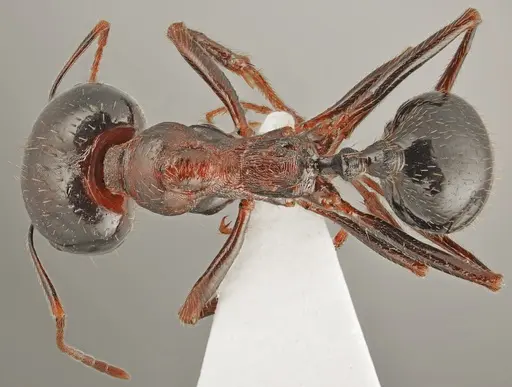
CASENT0872261
View on AntWeb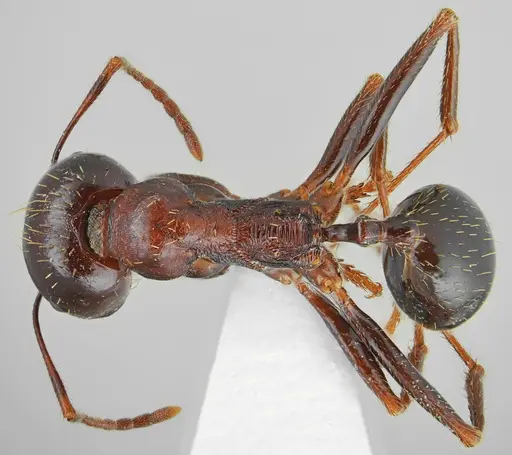
Literature
Loading...Loading products...