

Messor oertzeni
- Scientific Name
- Messor oertzeni
- Tribe
- Stenammini
- Subfamily
- Myrmicinae
- Author
- Forel, 1910
- Common Name
- Oertzen's Harvester Ant
- Distribution
- Found in 3 countries
Messor oertzeni Overview
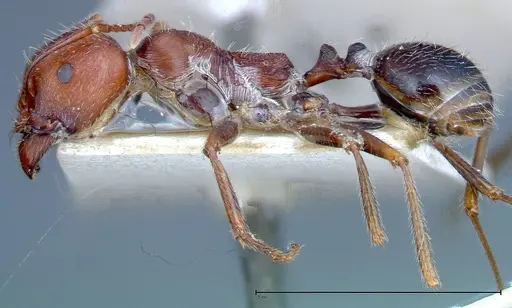
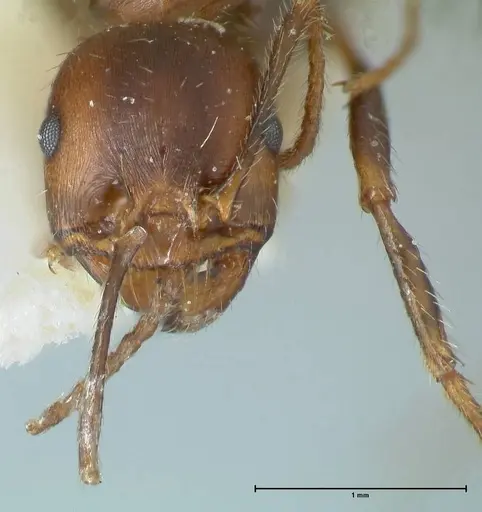
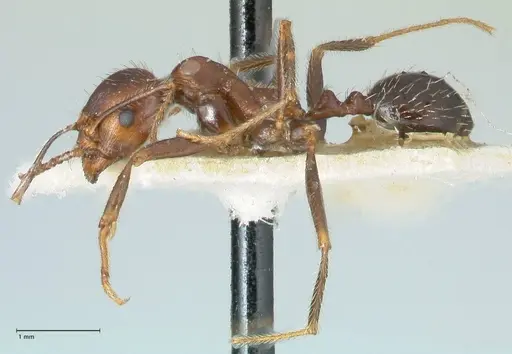
Messor oertzeni (commonly known as the Oertzen's Harvester Ant) is an ant species of the genus Messor. It is primarily documented in 3 countries , including Bulgaria, Greece, Türkiye. Detailed taxonomic data and occurrence records can be further explored via authoritative databases such as AntWeb or the Global Biodiversity Information Facility (GBIF).
Messor oertzeni - "Oertzen's Harvester Ant"
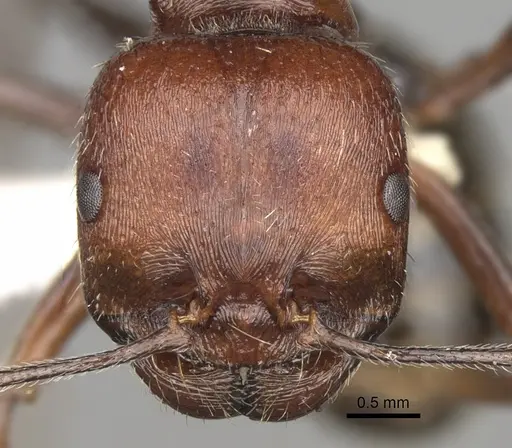
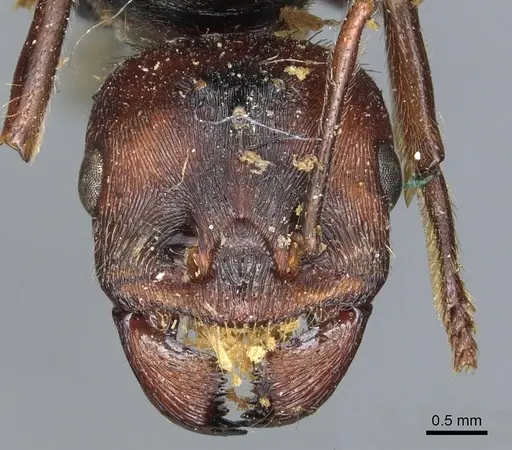
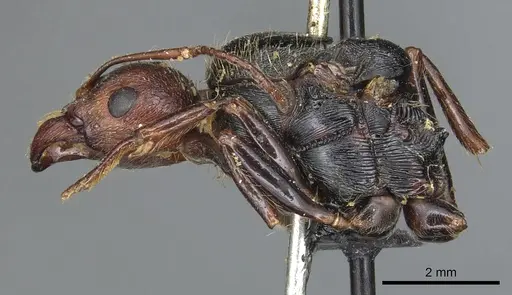
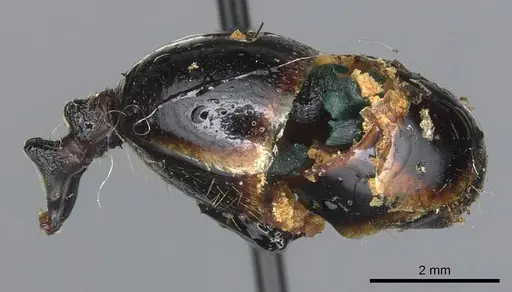
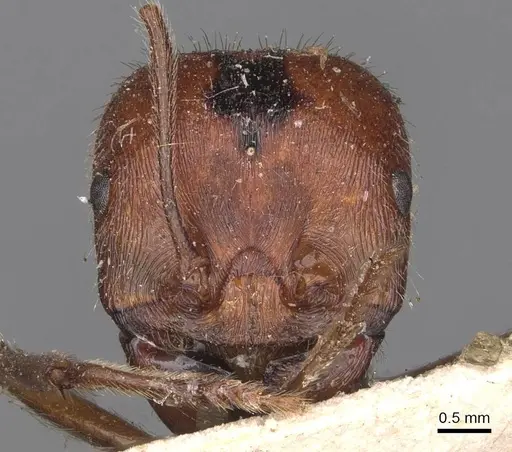
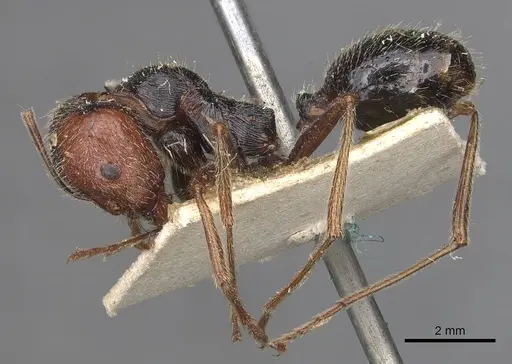
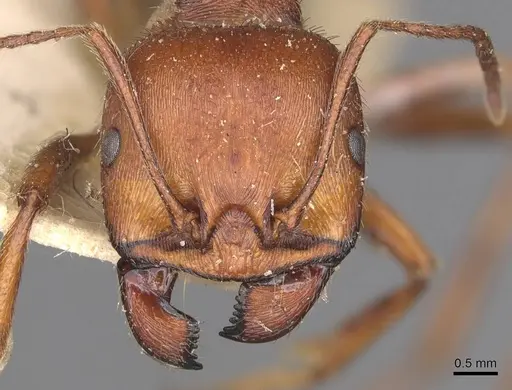
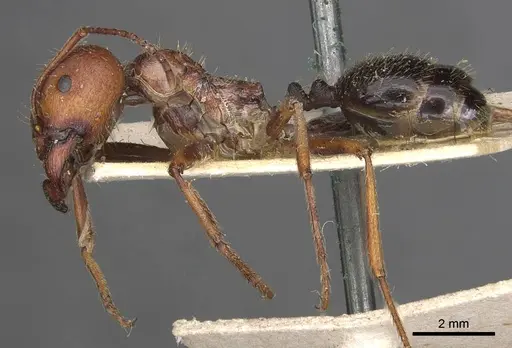
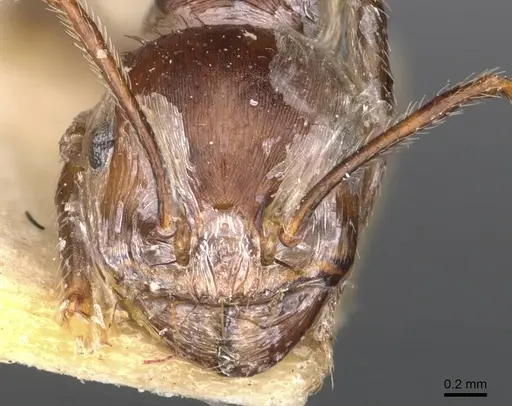
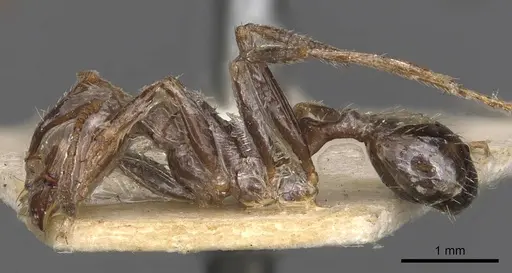
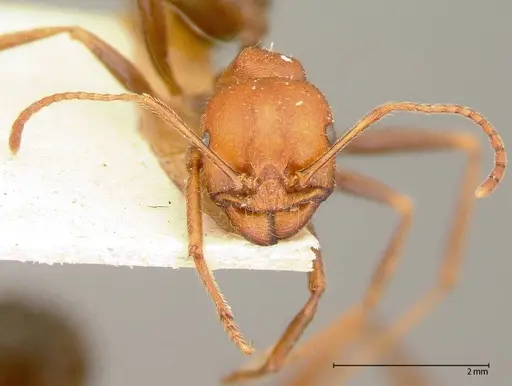
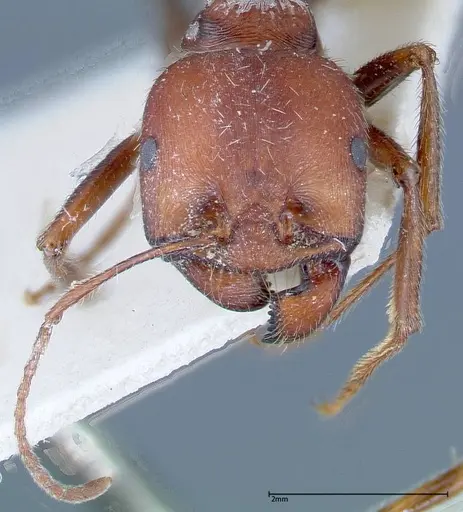
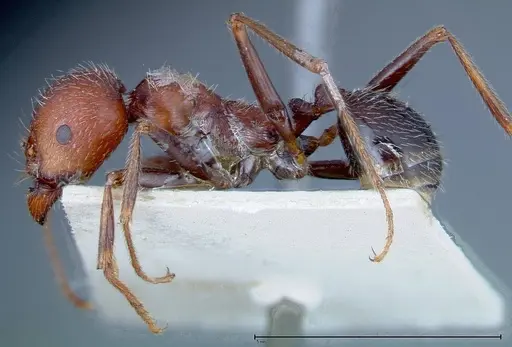
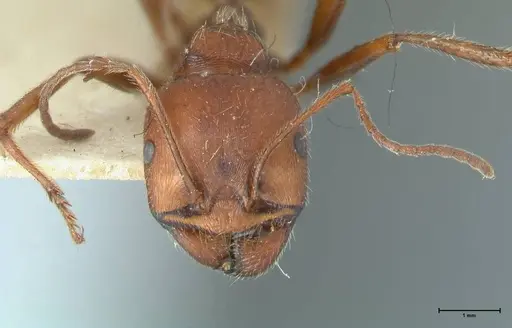
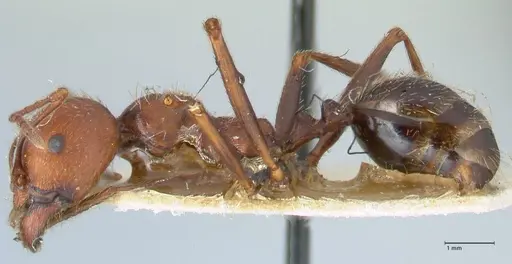
Messor oertzeni is a medium-sized harvester ant native to the northeastern Mediterranean region. Workers measure around 5-8mm with a robust, dark body typical of the genus. This species belongs to the structor group and is found across Bulgaria, Greece, North Macedonia, and Turkey, particularly in the Aegean Islands, Dodecanese, Macedonia, and Thrace [1][2]. What makes this species unusual is its documented behavior of collecting snail shells around its nests, researchers have found empty shells mixed into the nest mound, likely because the ants confuse small snail shells with seeds, their primary food source [3].
Quick Summary
- Difficulty: Easy
- Origin & Habitat: Native to the northeastern Mediterranean (Bulgaria, Greece, North Macedonia, Turkey). Found in dry, open habitats including grasslands, pine forests, and olive plantations. Nests are typically located under stones [4][5].
- Colony Type: Single-queen colonies (monogyne). This is typical for Messor harvester ants.
- Colony: Monogyne
- Founding: Claustral
- Size & Growth:
- Queen: Estimated 10-14mm based on genus typical sizes
- Worker: 5-8mm [1]
- Colony: Likely several thousand workers based on typical Messor colony sizes
- Growth: Moderate
- Development: Estimated 8-12 weeks at optimal temperature based on genus patterns (Development time is typical for temperate Messor species, slower than tropical ants but faster than some other Myrmicinae)
- Antkeeping:
- Temperature: Keep at 22-26°C. These are Mediterranean ants that prefer warm conditions. A heating cable on one side of the nest creates a temperature gradient they can choose between [4].
- Humidity: Low to moderate. Harvester ants prefer drier conditions, keep nest substrate moderately dry with some moisture at the water reservoir end. Avoid damp conditions that can cause mold.
- Diapause: Yes, this species originates from temperate regions with cold winters. Provide a winter rest period of 8-12 weeks at 10-15°C during winter months [6].
- Nesting: Use a dry, well-ventilated nest. Messor ants do well in Y-tong (AAC) nests, plaster nests, or naturalistic setups with a digging area. Provide a sand or soil layer for them to move grains around, this is a key enrichment for harvester ants. Outworld should include areas for seed storage and waste disposal.
- Behavior: Harvester ants are generally peaceful but can become territorial around their nest. Workers are active foragers that collect seeds and other plant materials. They are not aggressive toward humans and rarely sting. Their small size (5-8mm) means they can squeeze through very small gaps, use fine mesh and tight-fitting lids for escape prevention. These ants are diurnal, actively foraging during daylight hours.
- Common Issues: escape prevention is critical due to their small size, they squeeze through tiny gaps, overhumidity can kill colonies, harvester ants need dry conditions, without proper ventilation, mold develops quickly in their dry nests, colonies may fail if not given a proper winter rest period, lack of suitable seed substrates can cause stress, they need to move and sort grains
Nest Preferences and Setup
Messor oertzeni is a harvester ant that naturally nests under stones in dry, open habitats [4]. In captivity, they do well in Y-tong (AAC) nests, plaster nests, or formicariums with a digging area. The key is providing dry conditions with good ventilation, these ants are prone to mold problems if kept too humid. Include a water reservoir (test tube setup) but keep the main nest chamber dry. In the outworld, provide a sand or soil layer where they can sort and move seeds, this enrichment activity is important for their wellbeing. They prefer nests with multiple chambers connected by tunnels, allowing them to organize their seed stores separately from their waste areas.
Feeding and Diet
As harvester ants, Messor oertzeni primarily feeds on seeds, this is their natural diet in the wild [3]. They collect seeds, fruits, and occasionally carcasses. In captivity, offer a mix of grass seeds, bird seed, millet, and other small seeds. You can also provide occasional protein sources like small insects (fruit flies, small mealworms) or boiled egg, but protein is not required in large amounts. Fresh water should always be available. One interesting note from research: these ants sometimes collect small snail shells near their nests, likely confusing them with seeds due to similar size and shape [3]. This doesn't mean you should feed them snails, just observe this interesting behavior if it happens.
Temperature and Seasonal Care
Keep your Messor oertzeni colony at 22-26°C during the active season. These are Mediterranean ants that thrive in warm conditions but can tolerate some variation. During winter, they require a diapause (winter rest) period of 8-12 weeks at 10-15°C. This mimics their natural seasonal cycle in Bulgaria, Greece, and Turkey where winters are cold [6]. Reduce feeding during diapause and keep the nest slightly cooler. Do not feed during deep hibernation. In summer, ensure the nest isn't overheating, direct sunlight can be harmful. A heating cable on one side of the nest allows workers to regulate their temperature by moving between warmer and cooler areas.
Behavior and Colony Dynamics
Messor oertzeni is a peaceful harvester ant species. Workers are active foragers that spend significant time collecting and processing seeds in the outworld. They organize their nest with specific areas for seed storage, brood chambers, and waste disposal, this sorting behavior is fascinating to watch. Colonies grow moderately, expect the first workers (nanitics) within 2-3 months after founding, with colony size reaching several thousand workers over several years. Workers are not aggressive and rarely sting. The main keeper concern is their small size making escape likely, use fine mesh barriers and check all connections regularly. Unlike some ants, they don't exhibit major territorial aggression but will defend their nest entrance area. [3]
Frequently Asked Questions
How long does it take for Messor oertzeni to produce first workers?
Expect first workers (nanitics) to emerge 8-12 weeks after the queen lays eggs, at optimal temperature around 24°C. This is typical for temperate Messor species.
What do Messor oertzeni ants eat?
They are harvester ants that primarily eat seeds. Offer a variety of small seeds like grass seeds, bird seed, or millet. You can occasionally offer small insects for protein, but seeds should be their main food.
Do Messor oertzeni ants sting?
They have a stinger but rarely use it. These ants are not aggressive toward humans and are considered gentle. Their sting is mild if it occurs.
Can I keep Messor oertzeni in a test tube?
Yes, test tubes work well for founding colonies. Use a standard test tube setup with a water reservoir cotton. Once the colony reaches 20-30 workers, consider moving them to a proper formicarium with a digging area for seed-sorting enrichment.
Do Messor oertzeni need hibernation?
Yes, they require a winter rest period. Keep them at 10-15°C for 8-12 weeks during winter (roughly November to February in the Northern Hemisphere). Reduce feeding during this period.
How big do Messor oertzeni colonies get?
Based on typical Messor species, colonies can reach several thousand workers over 3-5 years. They are not among the largest Messor species but can still become substantial colonies.
Why are my Messor oertzeni dying?
The most common causes are: overhumidity (harvester ants need dry conditions), poor escape prevention (they are small and escape easily), lack of winter rest period, or feeding too much protein. Check that the nest is dry and well-ventilated.
Are Messor oertzeni good for beginners?
Yes, they are considered easy to keep. They are forgiving of minor temperature variations, don't require high humidity, and are not aggressive. The main requirements are dry housing, proper escape prevention, and providing a winter rest period.
When should I move my colony to a formicarium?
Move them when they reach around 30-50 workers and the test tube is getting crowded. Harvester ants benefit from having a digging area to exhibit their natural seed-sorting behavior.
What temperature is ideal for Messor oertzeni?
Keep them at 22-26°C during the active season. A slight temperature gradient (warm on one side, cooler on the other) allows workers to self-regulate. Avoid temperatures above 30°C or below 15°C during active months.
References

This caresheet is licensed under CC BY-SA 4.0 .
CASENT0281545
View on AntWeb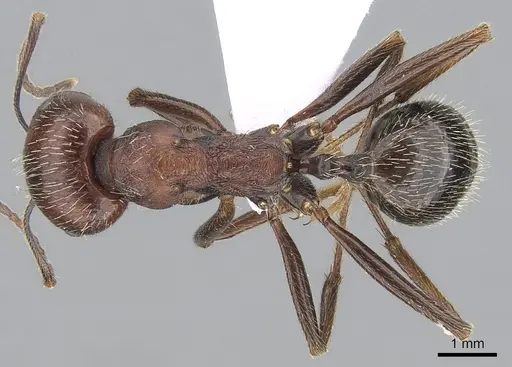
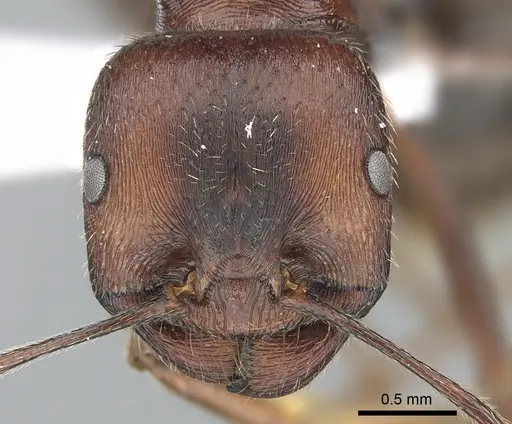
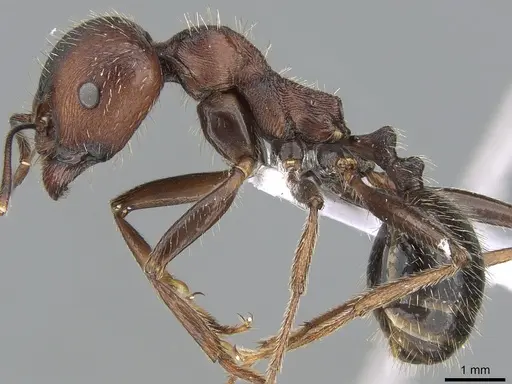
CASENT0281589
View on AntWeb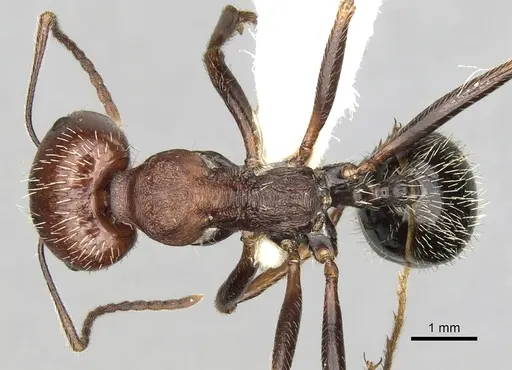
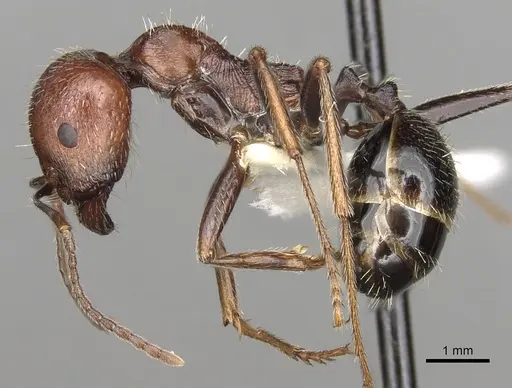
CASENT0900468
View on AntWeb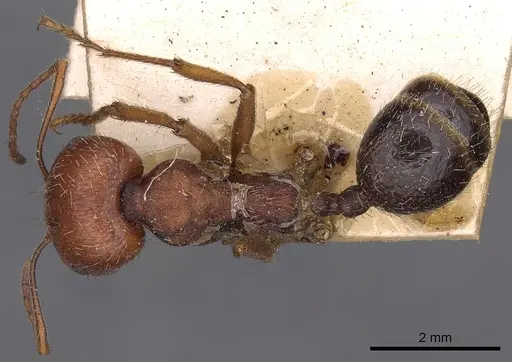
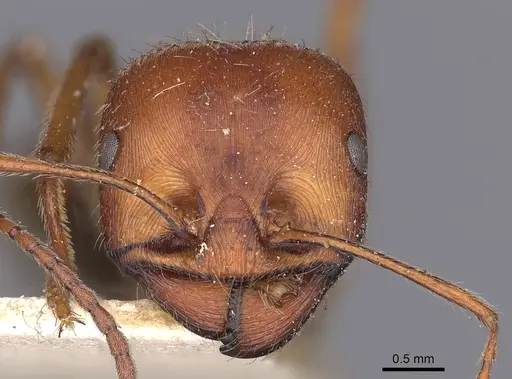
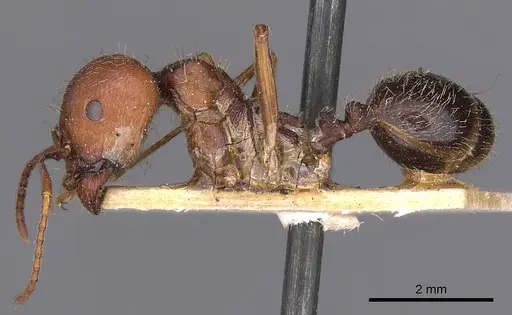
CASENT0904135
View on AntWeb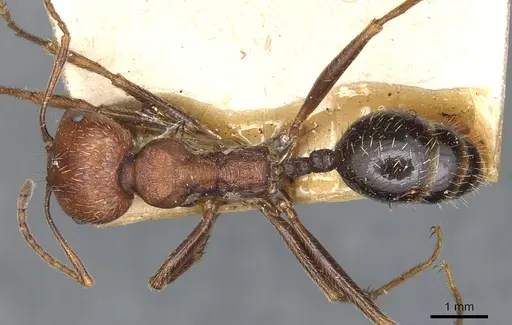
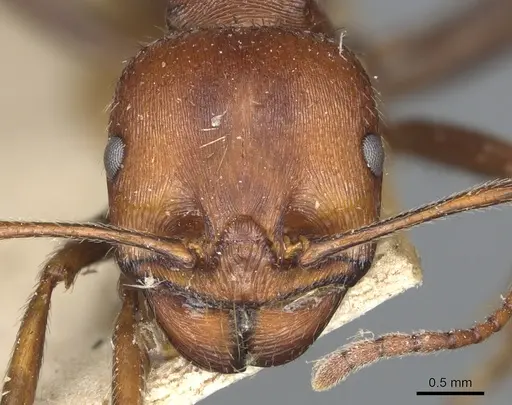
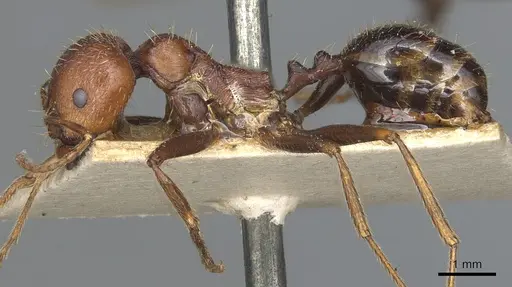
CASENT0904136
View on AntWeb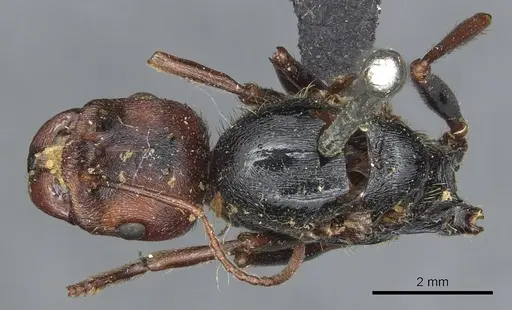
CASENT0907752
View on AntWeb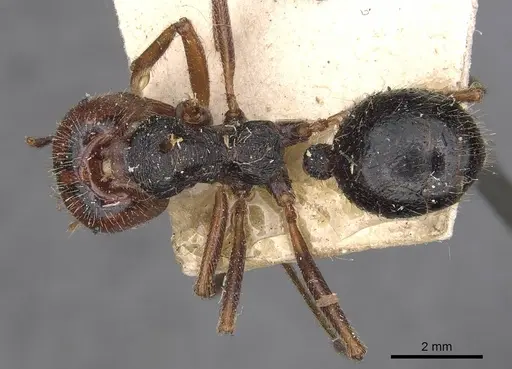
CASENT0907753
View on AntWeb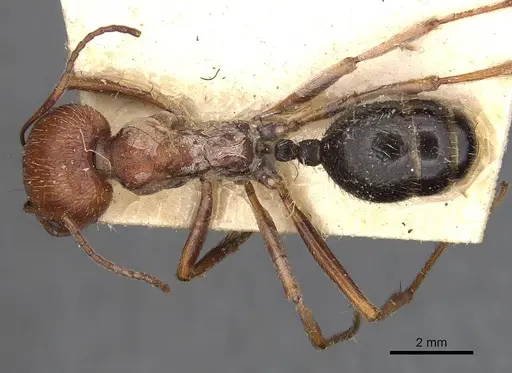
CASENT0907754
View on AntWeb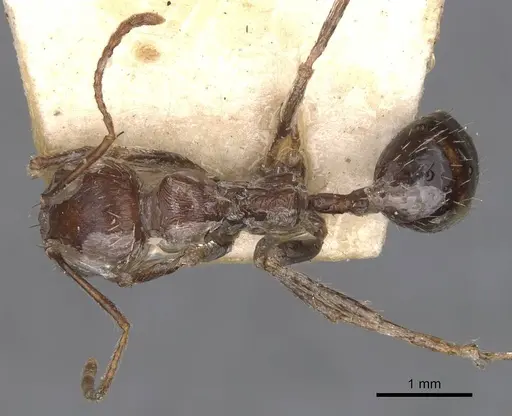
FOCOL0055-1
View on AntWeb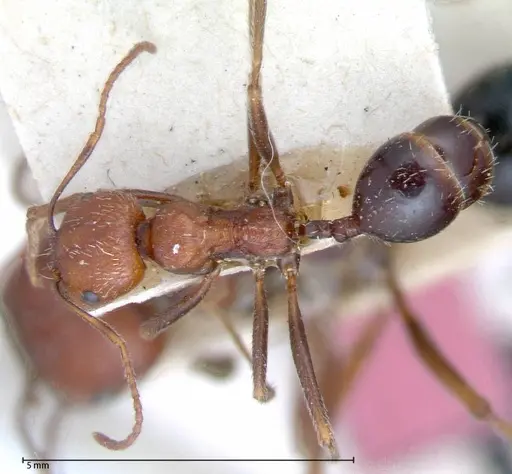
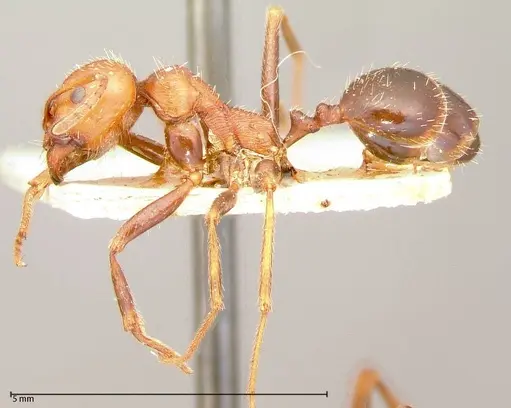
FOCOL0055-2
View on AntWeb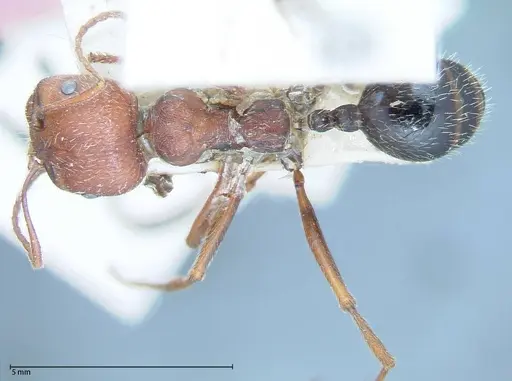
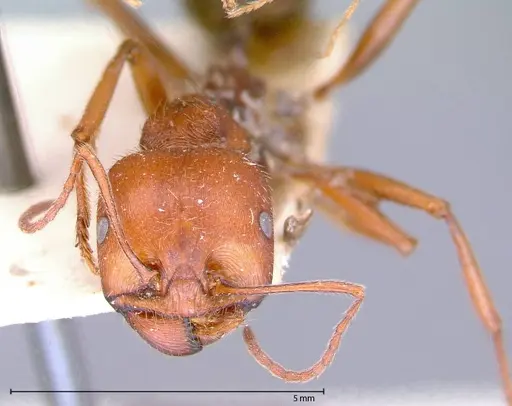
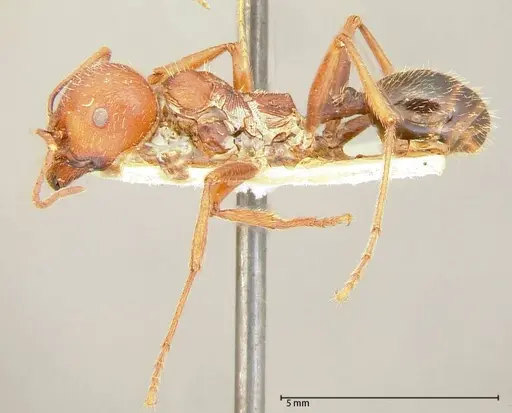
FOCOL0208-1
View on AntWeb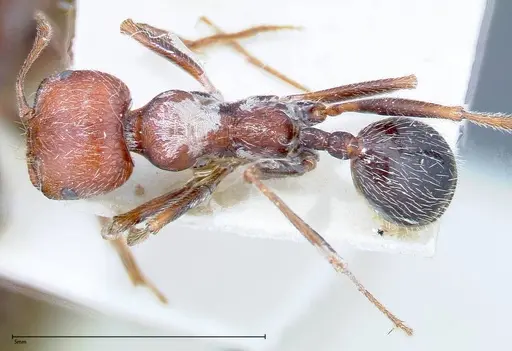
FOCOL0208-2
View on AntWeb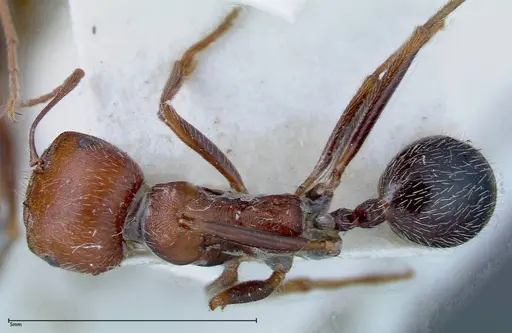
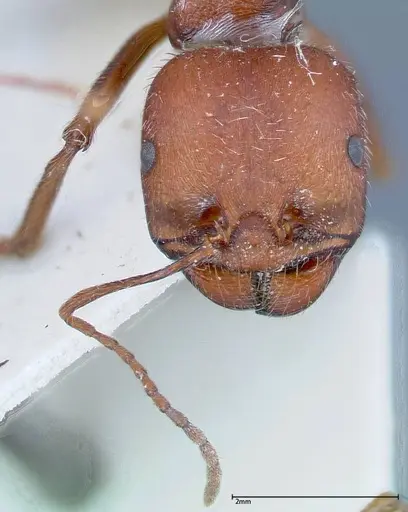
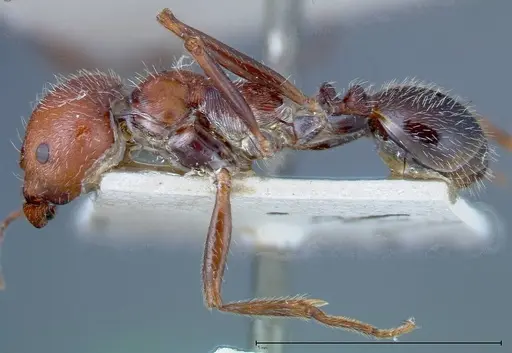
FOCOL0208-3
View on AntWeb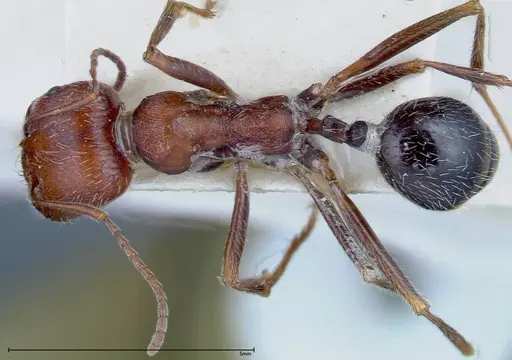
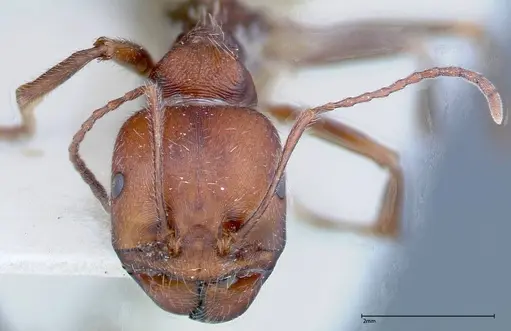
FOCOL1257
View on AntWeb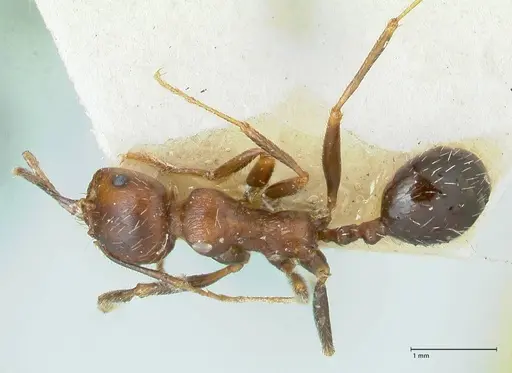
FOCOL1258
View on AntWeb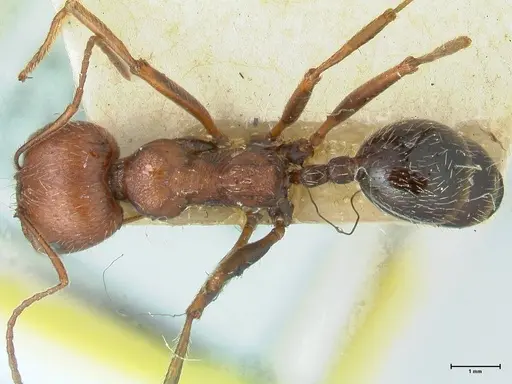
Literature
Loading...Loading products...