Mesoponera subiridescens - "None widely known"
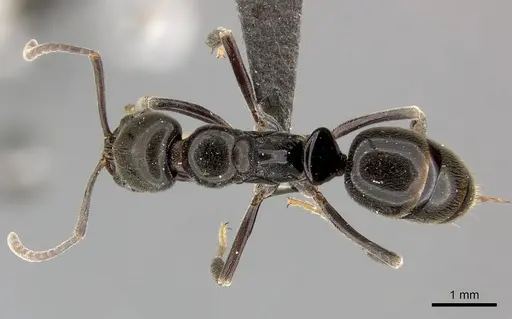
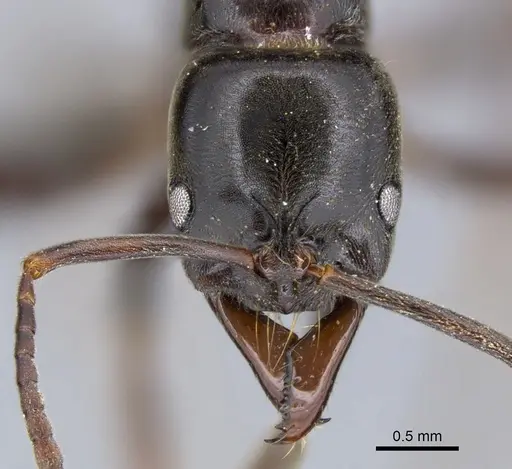
Mesoponera subiridescens is a captivating ant species from the Ponerinae subfamily, known for its sleek appearance and intriguing behaviors. These slender ants typically feature a striking, shining cuticle, giving them a polished look. Their workers, which measure around 6.5 to 7 mm, possess relatively large eyes and distinctive long, narrow, toothless mandibles with prominent basal grooves. Unlike many ants, Mesoponera subiridescens colonies remain relatively small, making them a unique addition for ant enthusiasts looking for a less common, more observant species.
- Difficulty: Medium
- Origin & Habitat: Afrotropical Region, including countries such as the Democratic Republic of Congo, Kenya, Mozambique, Uganda, Tanzania, Equatorial Guinea, South Sudan, Zimbabwe, and Cameroon. in Primarily found in tropical and subtropical environments. Within these regions, they are likely to inhabit subterranean nests, leaf litter, and potentially rotting wood or even abandoned termite mounds, reflecting their cryptic foraging habits..
- Colony Type: Monogyne (single queen), though specific details for this exact species are scarce. Observations on related Mesoponera species suggest single queens are typical., semi-claustral (queen forages during colony founding), based on observations of other species within the mesoponera genus. founding.
- Size & Growth:
- Queen: 6.5-7.0mm
- Worker: 6.5-7.0mm
- Colony: Small (dozens to a low hundred), with related Mesoponera species typically forming colonies of 60-120 workers.. Slow to Medium, consistent with smaller ponerine colonies. growth.
- Antkeeping:
- Temperature: Maintain a warm environment between 24-28°C. Consistent temperatures within this range will support optimal development and activity for your Mesoponera subiridescens colony..
- Humidity: High humidity is crucial, ideally ranging from 70-85%. Providing a good humidity gradient within the nest is beneficial for different stages of brood development and overall colony health..
- Diapause: Not required. Not specified at Not specified.
- Nesting: This species thrives in setups that mimic their natural subterranean and leaf litter habitats. Ideal nests include naturalistic soil nests, ytong nests with adequate hydration, or acrylic nests with deep, humid chambers. Rotting wood elements can also be beneficial as they might nest within or forage around them..
- Behavior: Medium (towards prey, generally docile towards handler unless provoked) aggressiveness.
- Common Issues: Humidity fluctuations leading to desiccation or mold, Overfeeding causing waste and mold growth, Stress during founding stage due to inadequate foraging access, Difficulty observing due to subterranean nature.
Keeping Mesoponera subiridescens can be a truly rewarding experience for the dedicated antkeeper, though detailed information on their specific care is still quite limited. These beautiful ponerine ants, with their striking appearance, are not as commonly kept as some other species, adding to their unique appeal. Their secretive nature means you'll want to set up their formicarium with plenty of opportunities for them to tunnel and explore, replicating their natural foraging style and giving them a sense of security within their habitat.
One fascinating aspect of Mesoponera behavior, observed in closely related species, is their semi-claustral founding. This means a newly mated queen will need to forage for food during the initial stages of establishing her colony rather than relying solely on her fat reserves. Providing small protein sources and a gentle sugar water offering in the outworld during this critical period can significantly improve her chances of successfully raising her first generation of workers.
Diet-wise, Mesoponera subiridescens ants are likely insectivorous predators, much like their cousins in the genus. They will readily accept a variety of common feeder insects such as small roaches, mealworms, or fruit flies. It's also wise to offer a sugar source, like diluted honey or sugar water, as some Mesoponera species are known to collect sugary liquids. Observe their foraging preferences closely to fine-tune their diet for optimal colony health and growth.
Ponerine ants, including Mesoponera subiridescens, are known for their distinct social structures and individual worker specialization rather than strictly age-based roles. You might notice certain workers consistently performing specific tasks, like foraging or tending to the brood. This nuanced division of labor highlights the complex social dynamics within these colonies and is a captivating aspect to observe for any antkeeping enthusiast.
Frequently Asked Questions
What kind of formicarium is best for *Mesoponera subiridescens*?
For Mesoponera subiridescens ants, a naturalistic setup that mimics their subterranean habitat is ideal. Consider a deep soil-based formicarium or a well-hydrated ytong nest. Acrylic nests with large, humid chambers can also work, provided they have a good outworld for foraging and proper humidity regulation. Ensuring ample substrate depth allows them to tunnel naturally, which is key to their comfort and colony development.
What do *Mesoponera subiridescens* ants eat?
These ants are primarily insectivorous, so a varied diet of small feeder insects like fruit flies, small mealworms, or roach nymphs will be essential. They are also known to consume sugary liquids, so offering diluted honey or sugar water a few times a week will provide them with necessary carbohydrates. Always offer small amounts to prevent mold and waste, especially in humid setups.
Do *Mesoponera subiridescens* queens need food during founding?
Yes, Mesoponera subiridescens queens are semi-claustral, meaning they require food during the colony founding stage. Unlike fully claustral queens who rely on stored fat, a semi-claustral queen will venture out to forage for protein and sugars. Provide her with tiny insects and a drop of sugar water in her test tube or founding setup.
Are *Mesoponera subiridescens* difficult to keep for beginners?
Mesoponera subiridescens ants are considered a 'Medium' difficulty species. While not overly aggressive, their specific humidity and temperature requirements, along with their semi-claustral founding, can be a bit more challenging than common beginner species like Lasius niger. They are best suited for antkeepers with some prior experience.
How large do *Mesoponera subiridescens* colonies get?
Colonies of Mesoponera subiridescens are on the smaller side for ant species. Based on observations of closely related Mesoponera ants, expect a mature colony to reach dozens to a low hundred workers, typically ranging from 60 to 120 individuals. This makes them a great option for those with limited space or who prefer smaller, more manageable ant colonies.
Do *Mesoponera subiridescens* sting?
As ponerine ants, Mesoponera subiridescens workers do possess a sting. While they are generally not aggressive towards handlers unless severely provoked or handled carelessly, their sting can be used as a defense mechanism or to subdue prey. Always exercise caution and avoid direct contact with the ants.
Do I need to hibernate *Mesoponera subiridescens*?
No, Mesoponera subiridescens ants originate from tropical and subtropical regions of Africa and do not require a diapause (hibernation period). They should be kept at stable warm temperatures year-round to mimic their natural environment and ensure continuous colony activity and brood development.
What are common problems when keeping *Mesoponera subiridescens*?
Common issues for Mesoponera subiridescens include maintaining consistent high humidity to prevent desiccation, managing food waste to avoid mold growth in their humid nests, and ensuring a stress-free environment, especially for founding queens. Their subterranean nature can also make observation challenging, so patience is key for antkeepers.
How fast do *Mesoponera subiridescens* colonies grow?
The colony growth rate for Mesoponera subiridescens is generally considered slow to medium. Given their relatively small mature colony size and the semi-claustral founding period, it takes time for a queen to raise her first workers and for the colony to expand significantly. Patience and consistent care are vital for seeing your colony flourish.
Can *Mesoponera subiridescens* be kept in a mixed species setup?
It is strongly advised against keeping Mesoponera subiridescens in a mixed species setup. Ants, especially ponerines, are highly territorial, and introducing them to other species will almost certainly lead to conflicts, stress, and likely the demise of one or both colonies. Always house ant colonies separately for their safety and well-being.