

Meranoplus bellii
- Scientific Name
- Meranoplus bellii
- Tribe
- Crematogastrini
- Subfamily
- Myrmicinae
- Author
- Forel, 1902
- Distribution
- Found in 1 countries
Meranoplus bellii Overview
Meranoplus bellii is an ant species of the genus Meranoplus. It is primarily documented in 1 countries , including India. Detailed taxonomic data and occurrence records can be further explored via authoritative databases such as AntWeb or the Global Biodiversity Information Facility (GBIF).
Meranoplus bellii
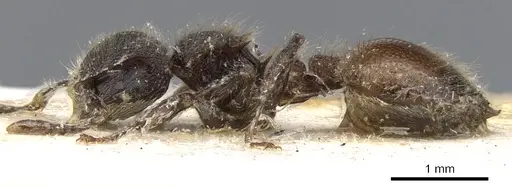
Meranoplus bellii is a medium-sized ant species native to India, found primarily in the western and southern regions including Karnataka, Kerala, Maharashtra, Tamil Nadu, and West Bengal [1]. Workers measure 4.25-5.4mm in total length, making them a modest-sized Myrmicine ant with a distinctive appearance featuring a bidentate petiole (two teeth at the rear), an acute tooth on the postpetiole, and two long diverging spines on the propodeum [2]. Their coloration varies from pale uniform brown to dark fuscous, often showing a bicolored pattern with a darker head, alitrunk, petiole and postpetiole contrasting against a reddish-brown gaster [2]. This species is unique within the Indian Subcontinent by the shape of its alitrunk and the propodeum not being overhung by the promesonotal shield [2]. The closest relative is Meranoplus castaneus, found from Thailand southwards to Borneo [2].
Quick Summary
- Difficulty: Unknown, likely Medium
- Origin & Habitat: India, primarily in the western and southern regions including Karnataka, Kerala, Maharashtra, Tamil Nadu, and West Bengal [1]. Based on typical Meranoplus habitat preferences, they likely nest in soil or under stones in tropical to subtropical forest environments.
- Colony Type: Colony structure is unconfirmed. No data exists on whether they are single-queen (monogyne) or multi-queen (polygyne) colonies.
- Size & Growth:
- Queen: Unknown, no queen measurements available in the literature
- Worker: 4.25-5.4mm total length (HL 1.0-1.18mm, HW 1.07-1.3mm) [2]
- Colony: Unknown, no colony size data available
- Growth: Unknown, no development data available
- Development: Unknown, no direct measurements exist. Based on typical Meranoplus and related Myrmicinae patterns in tropical conditions, estimate 6-10 weeks at warm temperatures. (This is a rough estimate based on genus-level patterns. No species-specific development data exists.)
- Antkeeping:
- Temperature: Likely 22-28°C based on typical Meranoplus preferences for warm conditions. Start around 24-26°C and observe colony activity. Provide a temperature gradient so ants can choose their preferred zone.
- Humidity: Likely requires moderate to high humidity (60-80%) typical of tropical forest ants. Keep the nest substrate consistently moist but not waterlogged. Provide a water source in the outworld.
- Diapause: Unknown, Indian species may not require strong diapause, but may slow down during cooler winter months. Consider a brief cooling period (2-3 months at 15-18°C) if colony shows reduced activity.
- Nesting: Based on typical Meranoplus behavior, they likely nest in soil or under stones in captivity. A naturalistic setup with moist substrate or a Y-tong/plaster nest works well. Provide deep enough substrate for colony chambers.
- Behavior: Behavior is unstudied in this species. Based on genus patterns, they are likely generalist omnivores that forage on the ground and may tend aphids for honeydew. They are not known to be particularly aggressive but will defend their nest. Escape risk is moderate, their 4-5mm size means standard escape prevention measures (fluon barriers, tight-fitting lids) are adequate but necessary.
- Common Issues: no biological data exists, care is based on genus-level inference rather than species-specific research, colony growth rate is unknown so patience may be required, hibernation requirements are unclear, Indian species may have different seasonal needs than temperate ants, no data on founding behavior, unknown if queen is claustral (seals herself in) or semi-claustral (must forage), escape prevention needed though not as critical as for tiny ants
Appearance and Identification
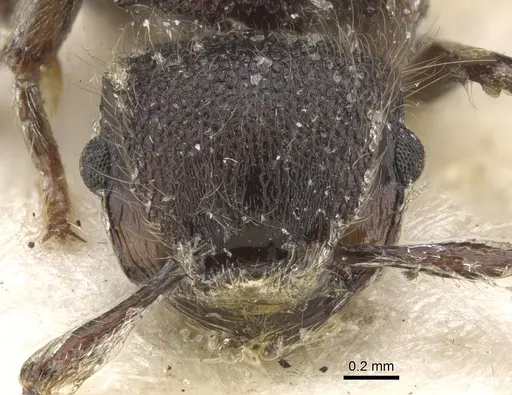
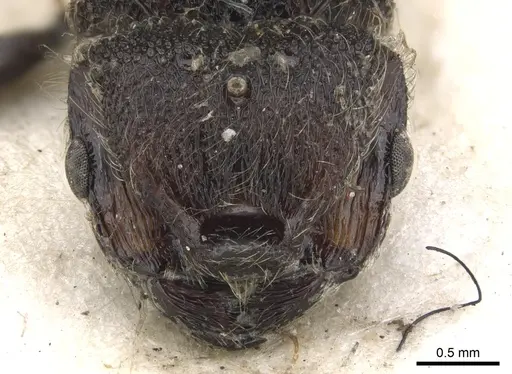
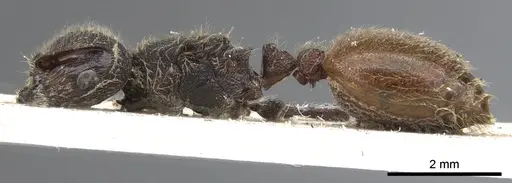
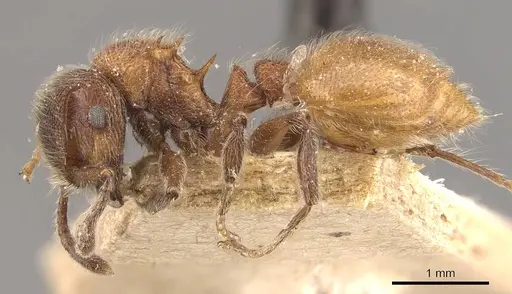
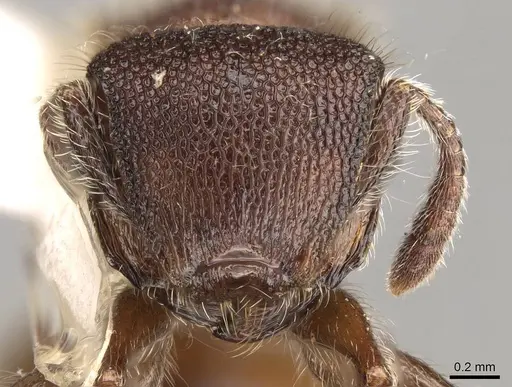
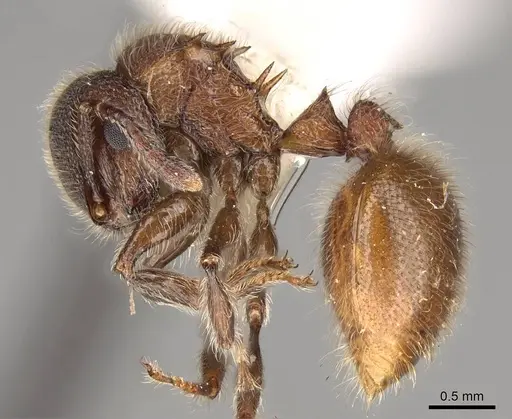
Meranoplus bellii workers are medium-sized ants measuring 4.25-5.4mm in total length [2]. They have a distinctive appearance that sets them apart from other Indian ants. The head is trapezoid-shaped when viewed from above, with the ventral portion (below the antennal scrobes) being considerably wider than the dorsal part, making the genae (cheek areas) prominently visible from above [2]. The alitrunk (middle body section) has a promesonotum that slightly overhangs the lateral sides, and the propodeum (rear portion of the alitrunk) has two long, slender spines that diverge considerably [2]. The petiole is distinctly bidentate (has two teeth) when viewed from behind, and the postpetiole has an acute tooth that overhangs the posterior face [2]. Coloration varies from pale uniform brown to dark fuscous, frequently bicolored with a dark head, alitrunk, petiole and postpetiole contrasting against a reddish (ferrugineous) gaster [2].
Distribution and Habitat
Meranoplus bellii is endemic to India, recorded from Karnataka, Kerala, Maharashtra, Tamil Nadu, and West Bengal [1]. The type locality is Kanara (now Uttara Kannada district) in Karnataka [2]. This species is unique to the Indian Subcontinent, its closest relative Meranoplus castaneus is found from Thailand southwards and eastwards to Borneo [2]. The specific habitat preferences are not documented, but based on typical Meranoplus ecology, they likely inhabit tropical and subtropical forest environments, typically nesting in soil or under stones in shaded, humid areas.
Nest Preferences and Housing
While no specific nesting data exists for M. bellii, Meranoplus species are typically ground-nesting ants that prefer moist soil environments. In captivity, a naturalistic setup with a deep substrate layer (at least 5-10cm) works well, allowing the colony to dig chambers. Alternatively, a Y-tong (acrylic) nest or plaster nest with moist chambers can provide the humidity they need. The nest should be kept in a dark or dimly lit area, as these ants prefer sheltered locations. Provide a water test tube or small water dish in the outworld for drinking. A temperature gradient (warm end around 24-26°C, cooler end around 20-22°C) allows the colony to self-regulate.
Feeding and Diet
The diet of M. bellii has not been documented, but Meranoplus species are generalist omnivores. They likely forage for nectar, honeydew from aphids, and small insects. In captivity, offer a varied diet including sugar water or honey as an energy source, and protein sources such as small crickets, mealworms, or other small insects. Based on genus patterns, they probably accept both liquid sugars and solid protein foods. Feed protein 2-3 times per week and keep a sugar source available at all times. Remove uneaten food after 24-48 hours to prevent mold.
Temperature and Seasonal Care
Temperature requirements are not specifically documented for this species. As an Indian ant found in tropical to subtropical regions, they likely prefer warm conditions around 22-28°C. Provide a heating cable or mat on one side of the nest to create a temperature gradient. Avoid temperatures below 18°C for extended periods. Regarding diapause (winter rest), Indian species may not require the prolonged cold hibernation that temperate ants need, but a brief cooling period (2-3 months at 15-18°C) during winter months may be beneficial if the colony shows reduced activity. Monitor your colony, if workers become less active and cluster together, a cool period may be appropriate.
Behavior and Colony Dynamics
Specific behavioral data for M. bellii does not exist in the scientific literature. Based on genus-level observations, Meranoplus ants are typically ground-foraging omnivores that are not particularly aggressive but will readily defend their nest. Workers likely forage individually or in small groups rather than forming large raiding parties. The colony structure (single queen vs. multiple queens) is unknown. The bidentate petiole and spiny propodeum suggest they may have some defensive capabilities, though they are not considered dangerous to humans. Their moderate size (4-5mm) means they are not extreme escape artists, but standard escape prevention with fluon barriers on the outworld is still recommended. [2]
Frequently Asked Questions
How long does it take for Meranoplus bellii to produce first workers?
The development timeline is unknown, no species-specific data exists. Based on typical Meranoplus and Myrmicinae patterns in warm conditions, estimate 6-10 weeks from egg to worker. This is a rough estimate based on genus-level inference, not direct observation.
What do Meranoplus bellii ants eat?
Their exact diet is unstudied, but Meranoplus species are generalist omnivores. In captivity, offer sugar water or honey for energy, and protein sources like small crickets, mealworms, or other insects. Feed protein 2-3 times per week with sugar available constantly.
Are Meranoplus bellii good for beginners?
Difficulty level is unknown since no captive husbandry data exists. Based on their moderate size and likely standard ant care requirements, they may be suitable for intermediate keepers comfortable with species that have limited documentation. Expect to use some trial and error to establish optimal care conditions.
Do Meranoplus bellii ants sting?
Meranoplus species have a stinger but are not considered dangerous to humans. Their sting is typically mild if anything. They are not aggressive but will defend their nest if threatened.
What temperature should I keep Meranoplus bellii at?
No specific data exists, but as an Indian species, aim for 22-28°C. A gradient around 24-26°C in the nest area is a good starting point. Use a heating cable on part of the nest to create variation.
How big do Meranoplus bellii colonies get?
Colony size is unknown, no data exists on maximum colony size for this species. Based on their medium worker size and typical Meranoplus patterns, colonies likely reach several hundred workers.
Can I keep multiple Meranoplus bellii queens together?
No data exists on colony structure. The queen number (monogyne vs polygyne) has not been documented. Do not combine unrelated foundress queens unless you observe them accepting each other, this is untested for this species.
Do Meranoplus bellii need hibernation?
Hibernation requirements are unknown. As an Indian species from tropical/subtropical regions, they likely do not require prolonged cold diapause. A brief cool period (2-3 months at 15-18°C) may be appropriate if the colony naturally slows down, but this is not well-documented.
What type of nest should I use for Meranoplus bellii?
No specific data exists, but Meranoplus are typically ground-nesting ants. A naturalistic setup with moist substrate (5-10cm deep), a Y-tong nest, or plaster nest with moisture retention would likely work well. Keep the nest humid and dark.
References

This caresheet is licensed under CC BY-SA 4.0 .
CASENT0902023
View on AntWeb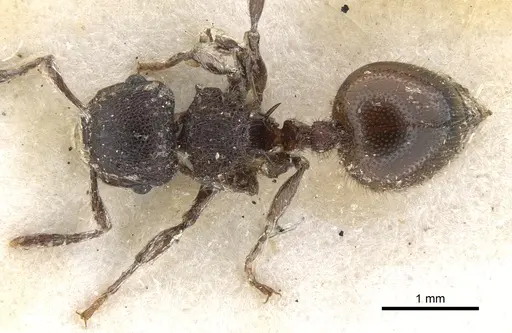
CASENT0902024
View on AntWeb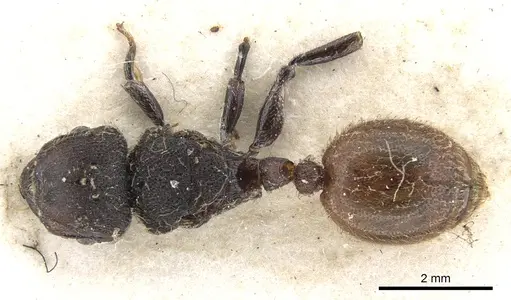
CASENT0908933
View on AntWeb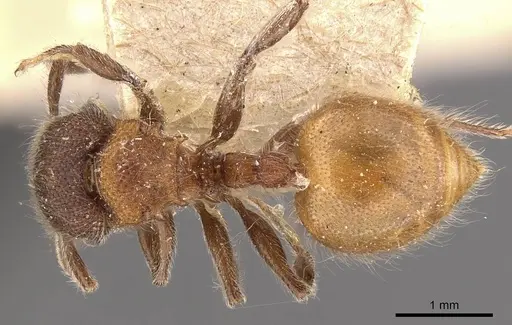
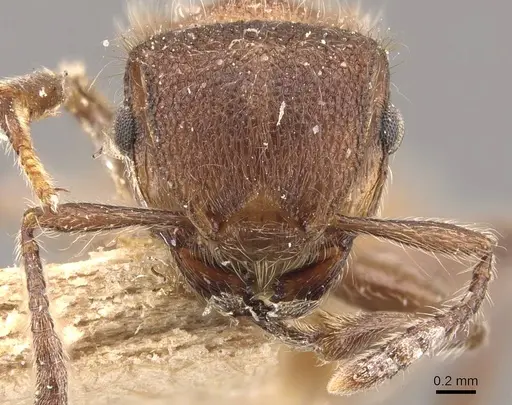
CASENT0914051
View on AntWeb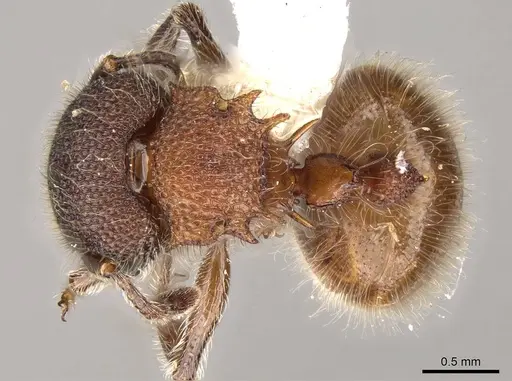
Literature
Loading...Loading products...