

Meranoplus castaneus
- Scientific Name
- Meranoplus castaneus
- Tribe
- Crematogastrini
- Subfamily
- Myrmicinae
- Author
- Smith, 1857
- Distribution
- Found in 3 countries
Meranoplus castaneus Overview
Meranoplus castaneus is an ant species of the genus Meranoplus. It is primarily documented in 3 countries , including Brunei Darussalam, Indonesia, Malaysia. Detailed taxonomic data and occurrence records can be further explored via authoritative databases such as AntWeb or the Global Biodiversity Information Facility (GBIF).
Meranoplus castaneus
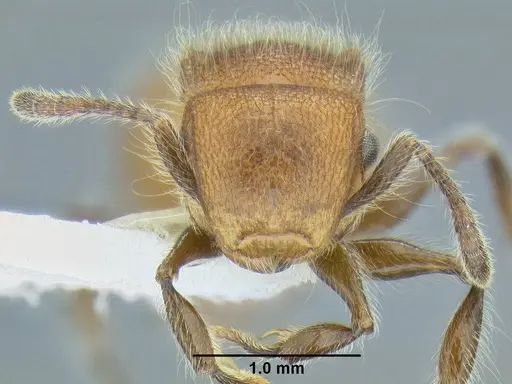
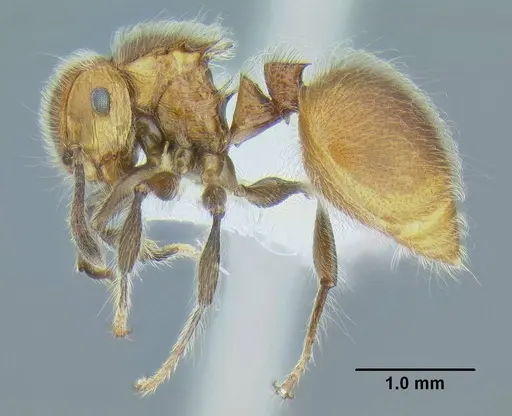
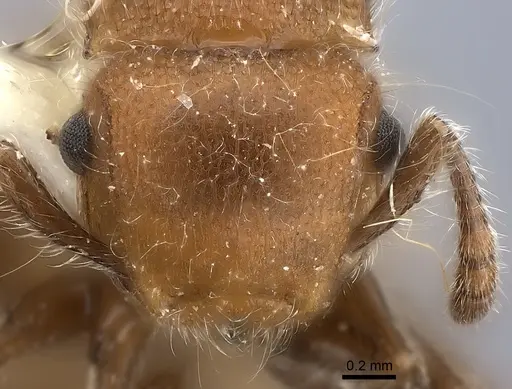
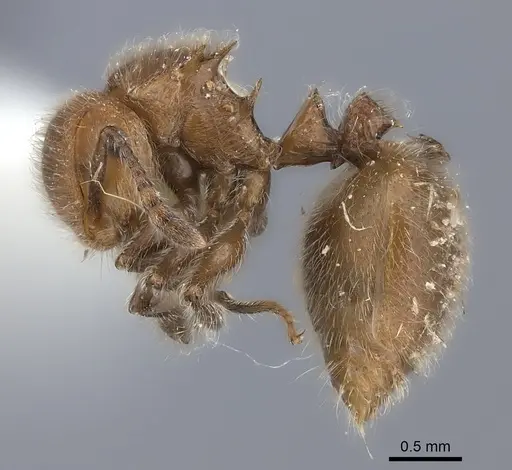
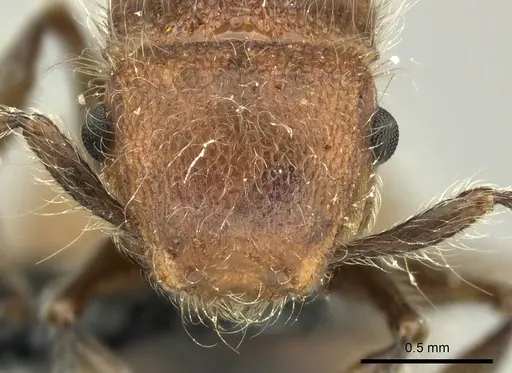
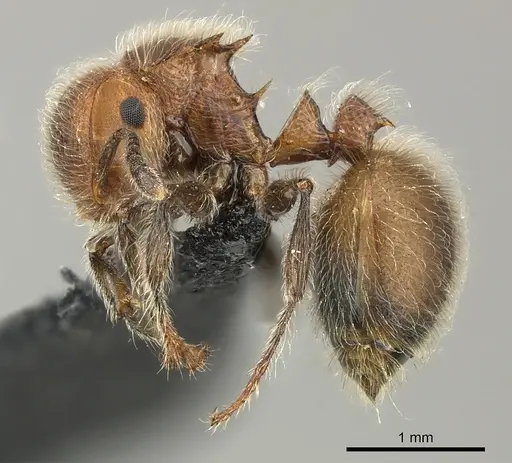
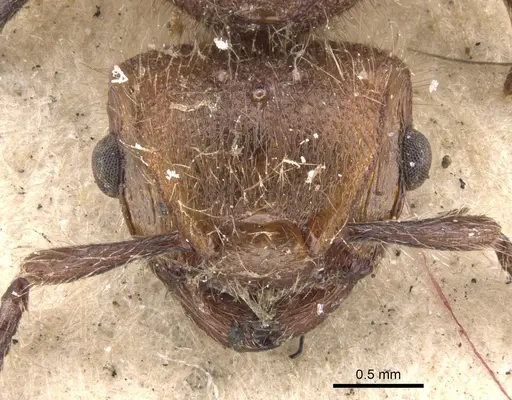
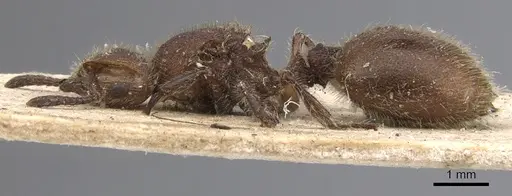
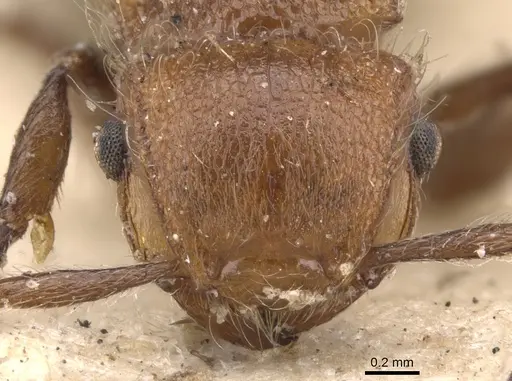
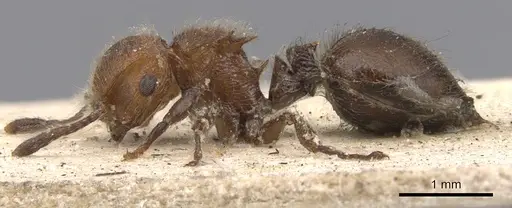
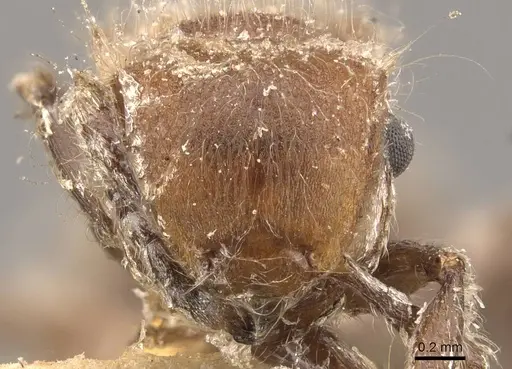
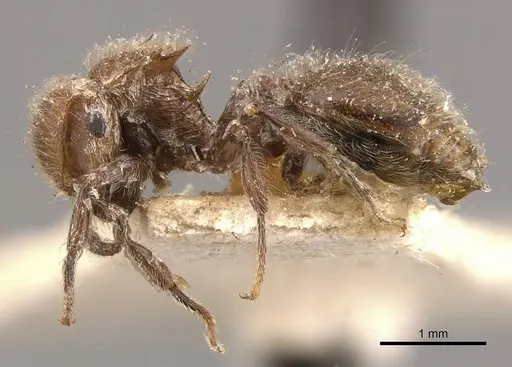
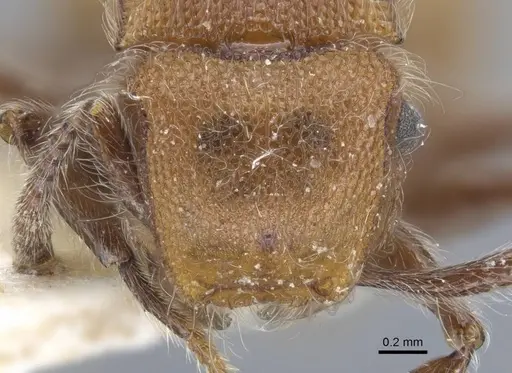
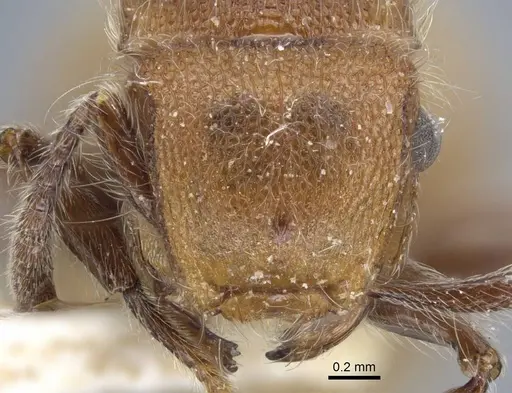
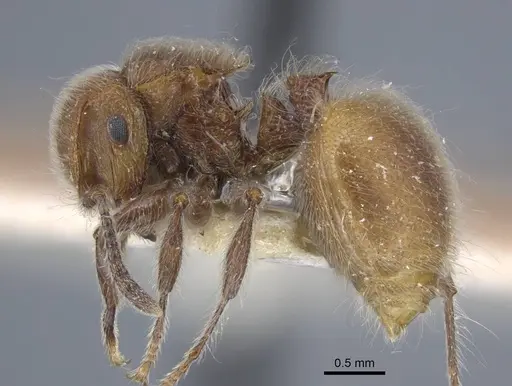
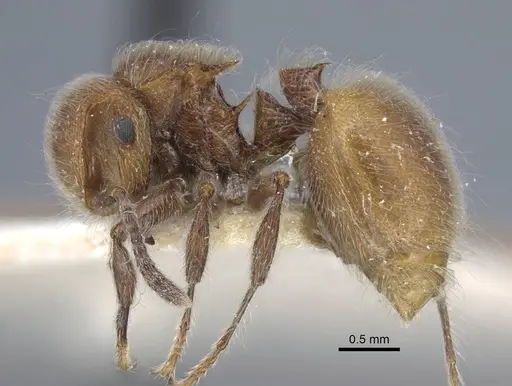
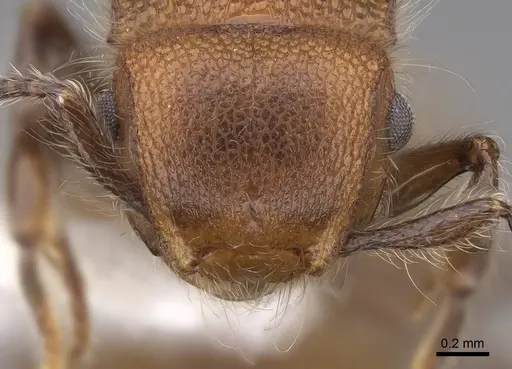
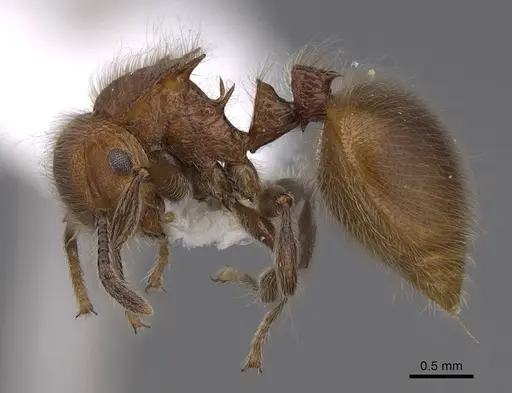
Meranoplus castaneus is a small arboreal ant species native to Southeast Asia, found across Borneo, Malaysia, Indonesia, Thailand, and Brunei. Workers measure 4.5-5.1mm and have a distinctive appearance with a promesonotum that overhangs the sides of the alitrunk, two slender propodeal spines, and a distinctly bidentate (two-pointed) petiole. Their body is uniformly greyish brown with dense pubescence. Unlike many ground-dwelling ants, this species is arboreal, in the wild, colonies nest in dead branches high in the canopy, sometimes 35 meters above ground in evergreen and swamp forests [1][2]. This makes them a unique species for antkeepers interested in arboreal ant husbandry.
Quick Summary
- Difficulty: Medium
- Origin & Habitat: Southeast Asian rainforests, Borneo, Malaysia, Indonesia, Thailand, Brunei. Found in evergreen forests, swamp forests, and secondary forest, typically high in the canopy (25-35m above ground) in mixed dipterocarp forests [1][3][4].
- Colony Type: Colony structure is unconfirmed. Based on typical Meranoplus genus patterns, likely single-queen (monogyne) colonies. No documented ergatoid replacement reproductives found in research.
- Size & Growth:
- Queen: Unconfirmed from direct measurements, estimated 6-8mm based on genus patterns
- Worker: 4.5-5.1mm [2]
- Colony: Unknown, likely moderate colonies based on typical arboreal ant patterns
- Growth: Moderate, estimated based on tropical arboreal ant development patterns
- Development: Estimated 6-8 weeks at tropical temperatures (24-28°C) (Development timeline is inferred from related Myrmicinae species, specific data for M. castaneus is not available)
- Antkeeping:
- Temperature: Keep at 24-28°C (tropical species). Room temperature is often suitable if your home stays in the low-to-mid 20s°C. A small heating cable on one side of the nest can provide a gradient if needed.
- Humidity: High humidity (70-85%). This is a rainforest canopy species, keep the nest substrate consistently moist but not waterlogged. Provide a water tube for drinking.
- Diapause: No, as a tropical species, they do not require hibernation. Keep temperatures stable year-round.
- Nesting: Arboreal setup is ideal, they naturally nest in dead branches in the canopy. A naturalistic setup with cork bark, twigs, or a Y-tong/plaster nest with vertical orientation works well. They prefer tight, enclosed spaces similar to their natural hollow twig nests.
- Behavior: Generally peaceful and non-aggressive. Workers forage on tree trunks and in canopy vegetation. They are not known to be particularly defensive or to sting. Escape risk is moderate, they are small ants but not as tiny as some Myrmicinae, so standard escape prevention (tight-fitting lids, barrier tape) is usually sufficient. They are arboreal by nature and will utilize vertical space in their enclosure.
- Common Issues: arboreal nature means they need vertical space and climbing structures, a standard horizontal formicarium may not suit them, high humidity requirements can lead to mold if ventilation is poor, wild-caught colonies may be stressed from canopy collection and have high initial mortality, their arboreal lifestyle means they may not use ground-level foraging areas as much as other ants
Housing and Nest Setup
Meranoplus castaneus is an arboreal species, meaning their housing needs differ from most ground-nesting ants. In the wild, they nest in dead branches and hollow twigs high in the rainforest canopy, typically 25-35 meters above ground [1]. For captive care, provide a naturalistic setup that respects this arboreal lifestyle. A vertical naturalistic terrarium with cork bark, twigs, and live plants works well. Alternatively, a Y-tong or plaster nest with narrow chambers can work, but ensure there are climbing structures and vertical space available. They prefer tight, enclosed chambers similar to their natural hollow twig nests. Avoid deep soil layers, they are not ground-dwelling and will rarely use them.
Feeding and Diet
Based on typical Meranoplus genus behavior and their arboreal canopy lifestyle, these ants are likely omnivorous with a preference for small arthropods and sugar sources. In their natural rainforest habitat, they would have access to honeydew from aphids and scale insects, as well as small insects and arthropods in the canopy. Offer sugar water or honey as a constant energy source. For protein, provide small live prey such as fruit flies, pinhead crickets, or other appropriately sized insects. They may also accept commercial ant foods. Feed every 2-3 days, removing uneaten food to prevent mold in the humid environment.
Temperature and Humidity
As a tropical species from Southeast Asian rainforests, M. castaneus requires warm and humid conditions. Keep temperatures in the range of 24-28°C. They can tolerate slightly cooler temperatures but growth will slow below 22°C. Room temperature is often suitable if your home stays in the low-to-mid 20s. For humidity, maintain 70-85%, this is critical for this rainforest species. Use a water tube for drinking access and mist the enclosure regularly. However, balance humidity with adequate ventilation to prevent mold, which can be a problem in enclosed nests. A naturalistic setup with live plants can help maintain humidity naturally. [1]
Behavior and Colony Dynamics
This is a relatively peaceful arboreal ant species. Workers forage on tree trunks and in canopy vegetation rather than on the ground. They are not particularly aggressive and do not have a painful sting. Colonies are likely moderate in size, though exact colony sizes have not been documented in scientific literature. Workers are moderately active and will establish foraging trails. Because they are arboreal, they will utilize vertical space extensively, ensure the enclosure allows for climbing. They are not escape artists in the traditional sense, but their small size means standard barrier precautions should still be taken. [2]
Seasonal Care
As a tropical species, Meranoplus castaneus does not require hibernation or diapause. Keep temperatures stable year-round without seasonal drops. Sudden temperature drops can stress colonies and slow or stop brood development. If your room temperature drops significantly in winter, consider using a small heater or heating cable to maintain tropical temperatures. The humidity requirements remain constant throughout the year, avoid allowing the nest to dry out regardless of season.
Frequently Asked Questions
Can I keep Meranoplus castaneus in a test tube?
A test tube setup can work for founding colonies, but this arboreal species will do better in a setup with vertical climbing space. If using test tubes, ensure they are mounted vertically or at an angle to allow the ants to move up. For established colonies, a naturalistic or Y-tong setup with vertical orientation is more appropriate.
What is the best nest type for Meranoplus castaneus?
A naturalistic terrarium with cork bark, branches, and vertical structures is ideal. They naturally nest in hollow twigs in the canopy, so a setup that mimics this works best. Y-tong or plaster nests with narrow chambers can work if they include climbing structures and vertical space.
How long until first workers in Meranoplus castaneus?
Exact development time is unknown for this species. Based on related Myrmicinae and tropical arboreal ant patterns, expect approximately 6-8 weeks from egg to worker at optimal tropical temperatures (24-28°C).
Do Meranoplus castaneus ants sting?
They are not known to be particularly defensive or to have a painful sting. As a small Myrmicinae, they likely have a stinger but it is too small to penetrate human skin effectively. They are generally peaceful toward keepers.
Are Meranoplus castaneus good for beginners?
This is a medium-difficulty species. While not aggressive, their arboreal nature and high humidity requirements make them slightly more challenging than common ground-nesting ants. They are better suited for antkeepers who have some experience with tropical species and can maintain consistent humidity.
What do Meranoplus castaneus eat?
They are omnivorous. Offer sugar water or honey as a constant energy source. For protein, provide small live prey such as fruit flies, small crickets, or other appropriately sized insects. They may accept commercial ant foods as well.
Do Meranoplus castaneus need hibernation?
No. As a tropical Southeast Asian species, they do not require hibernation. Keep temperatures stable year-round in the 24-28°C range.
Why are my Meranoplus castaneus dying?
Common causes include: low humidity (they need 70-85%), temperatures below 22°C, mold from poor ventilation, or stress from wild-caught collection. Ensure the nest has high humidity, adequate ventilation, and stable tropical temperatures. Also check that they are not escaping through small gaps.
When should I move Meranoplus castaneus to a formicarium?
Move them when the test tube or founding setup becomes crowded. For this arboreal species, choose a formicarium or naturalistic setup that provides vertical climbing space rather than just horizontal floor space.
Can I keep multiple queens together?
Colony structure is unconfirmed for this species. Based on typical Meranoplus patterns, they likely form single-queen colonies. Combining unrelated queens is not recommended as it has not been documented and could result in aggression.
References

This caresheet is licensed under CC BY-SA 4.0 .
CASENT0106276
View on AntWeb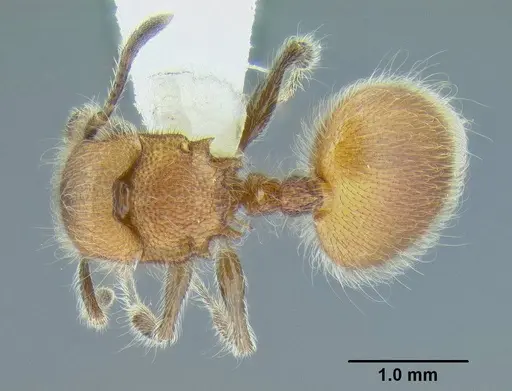
CASENT0217855
View on AntWeb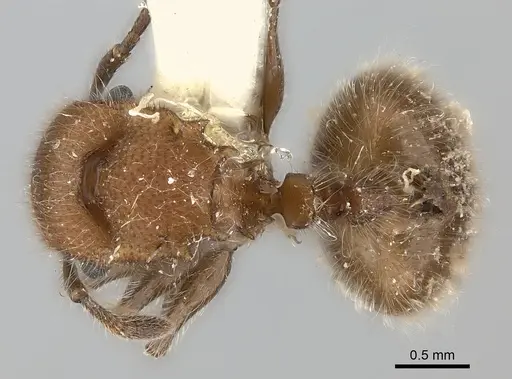
CASENT0270020
View on AntWeb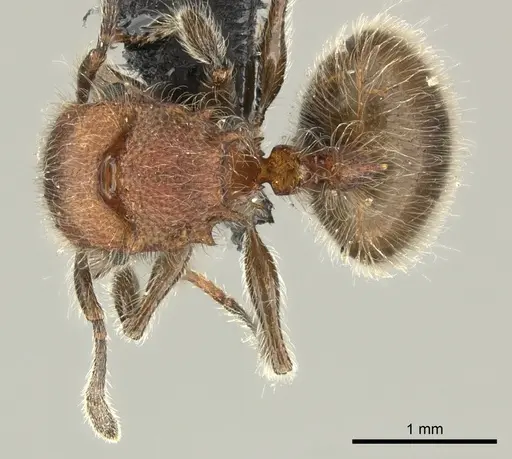
CASENT0901456
View on AntWeb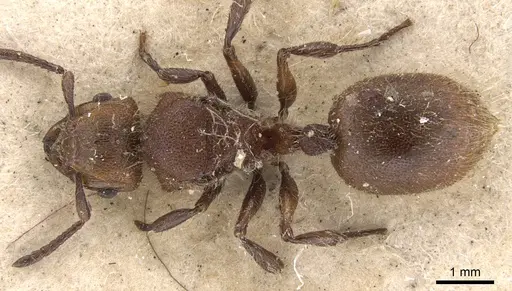
CASENT0901457
View on AntWeb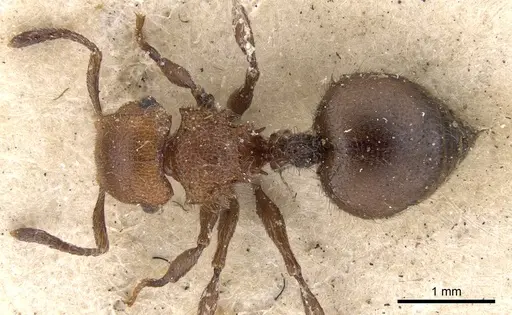
CASENT0908935
View on AntWeb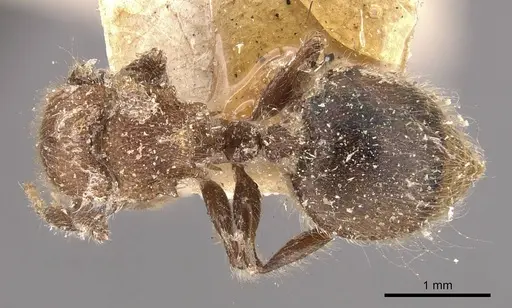
CASENT0917026
View on AntWeb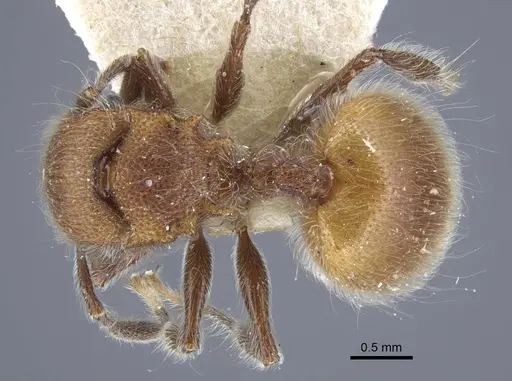
CASENT0922932
View on AntWeb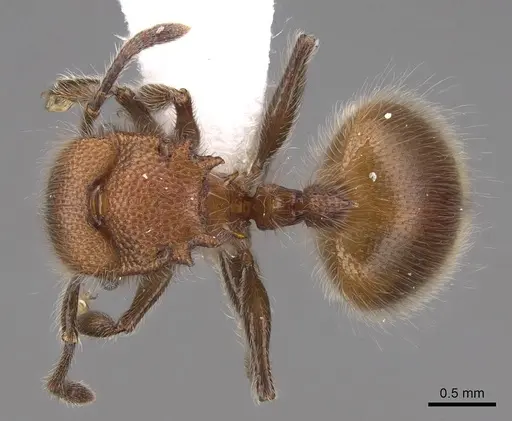
Literature
Loading...Loading products...