

Melophorus turneri
- Scientific Name
- Melophorus turneri
- Tribe
- Melophorini
- Subfamily
- Formicinae
- Author
- Forel, 1910
- Distribution
- Found in 1 countries
Melophorus turneri Overview
Melophorus turneri is an ant species of the genus Melophorus. It is primarily documented in 1 countries , including Australia. Detailed taxonomic data and occurrence records can be further explored via authoritative databases such as AntWeb or the Global Biodiversity Information Facility (GBIF).
Melophorus turneri
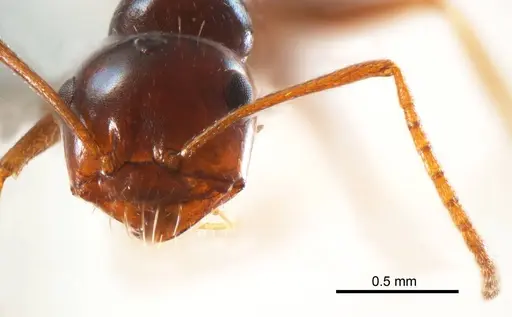
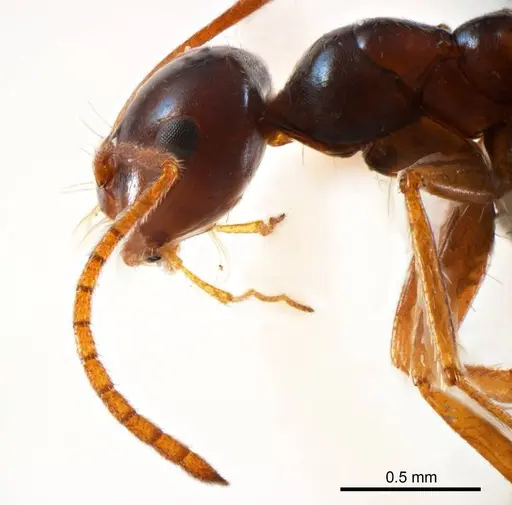
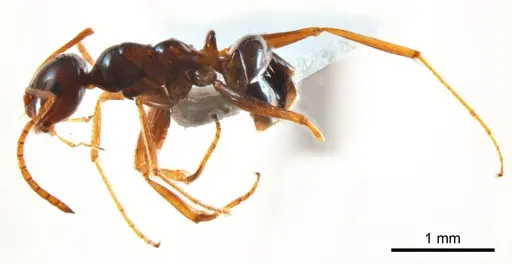
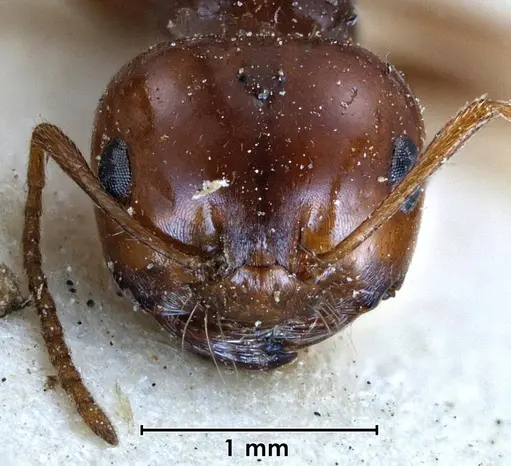
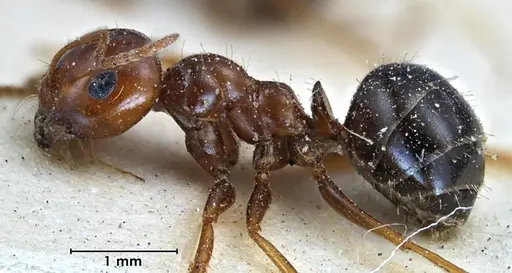
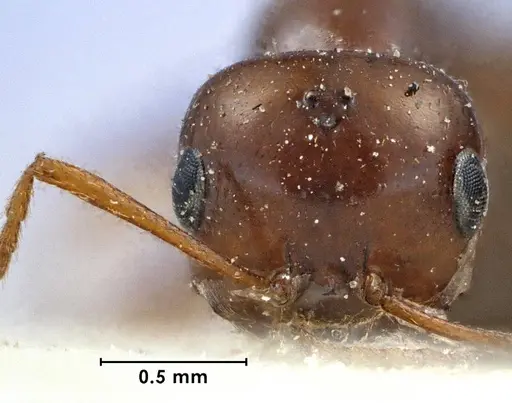
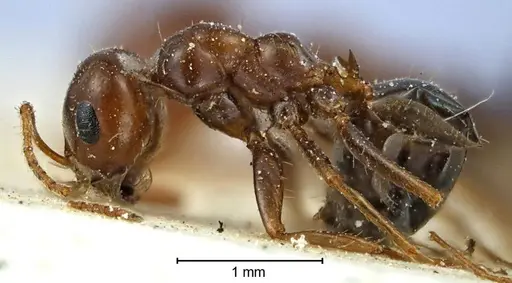
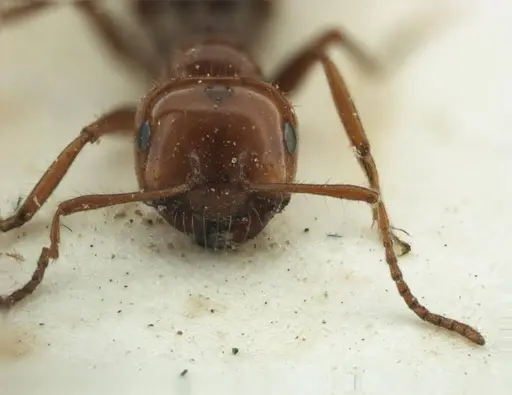
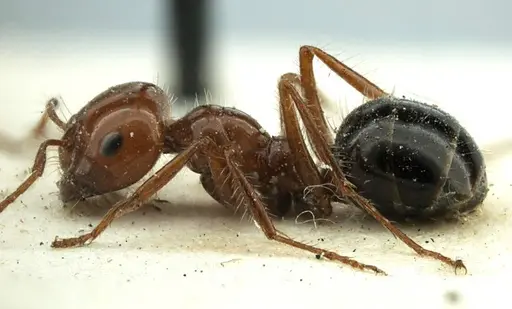
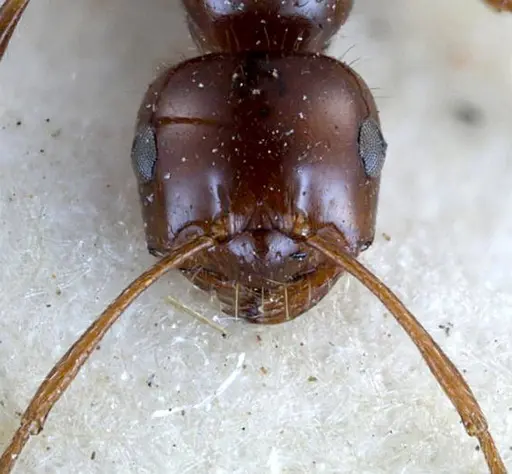
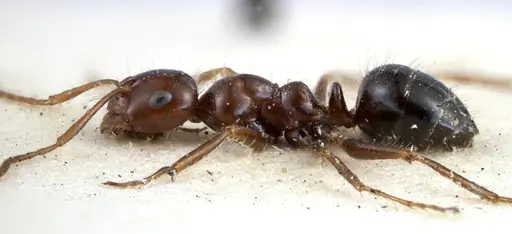
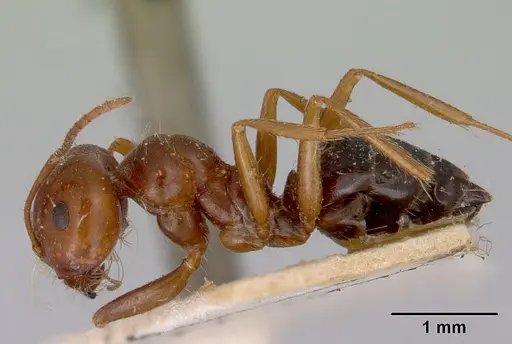
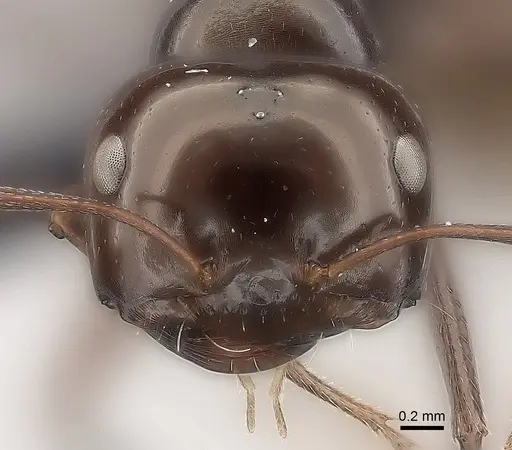
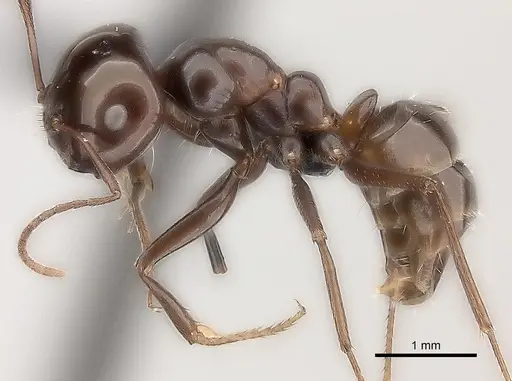
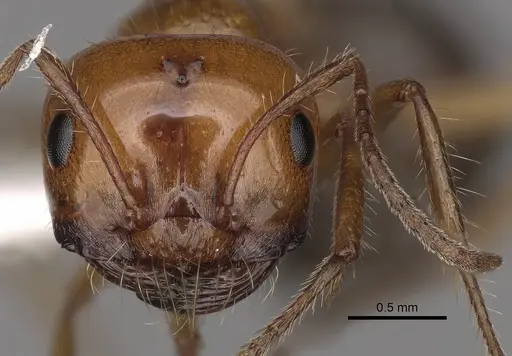
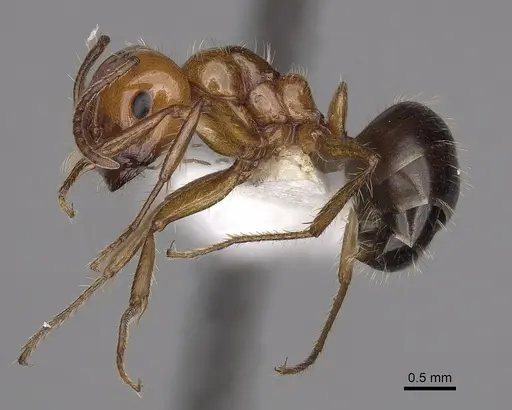
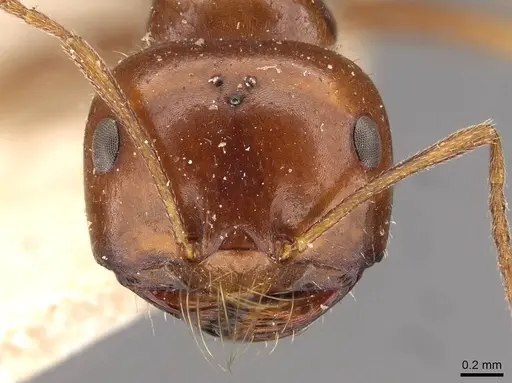
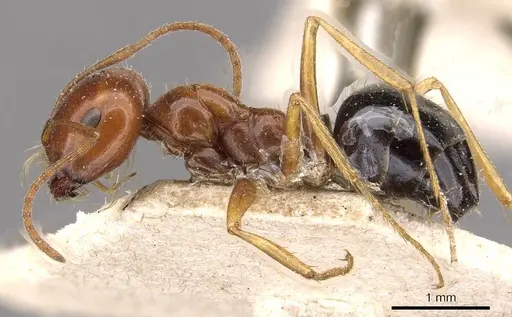
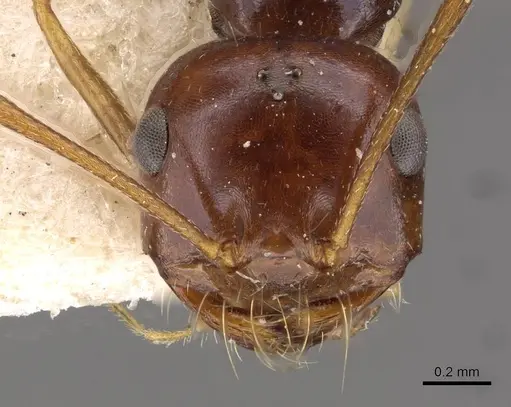
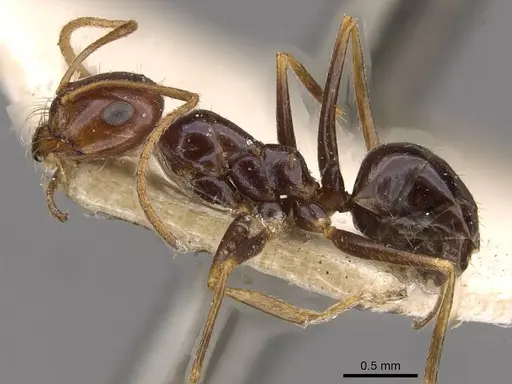
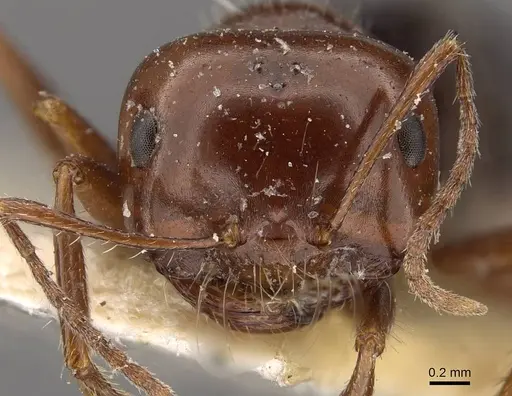
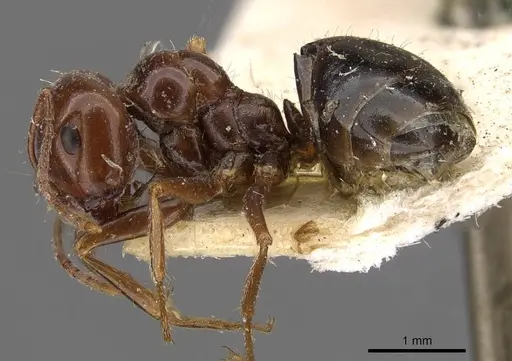
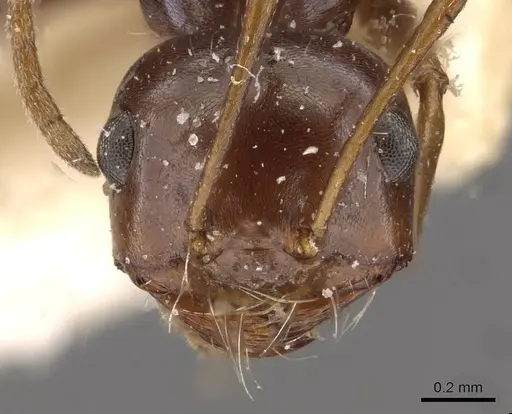
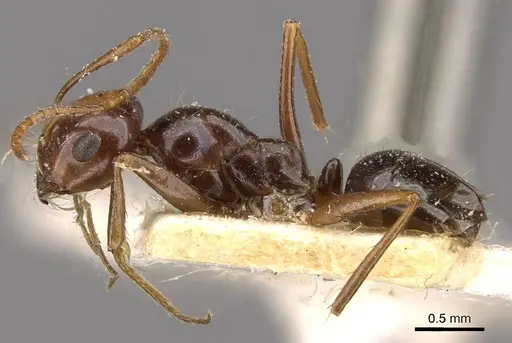
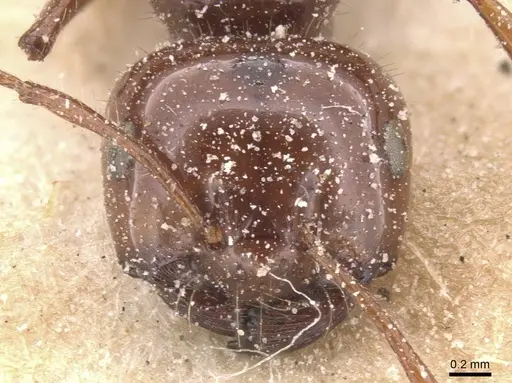
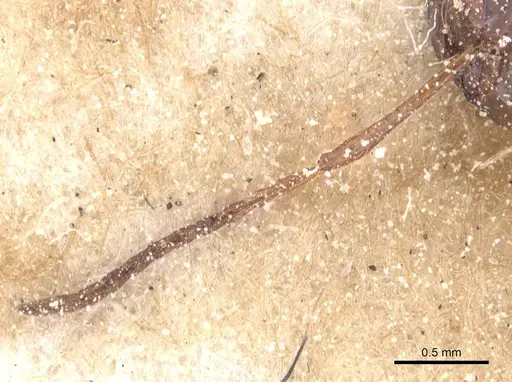
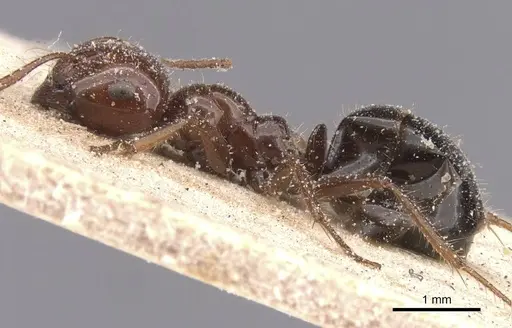
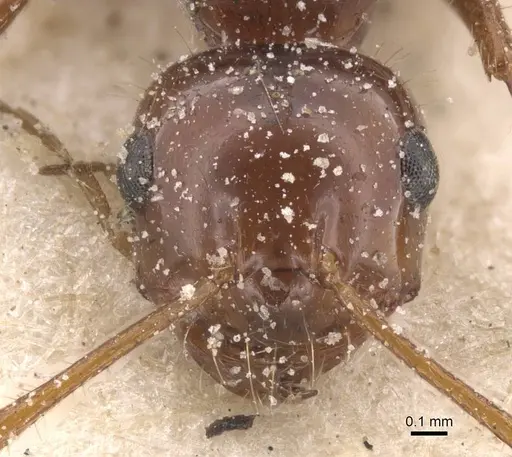
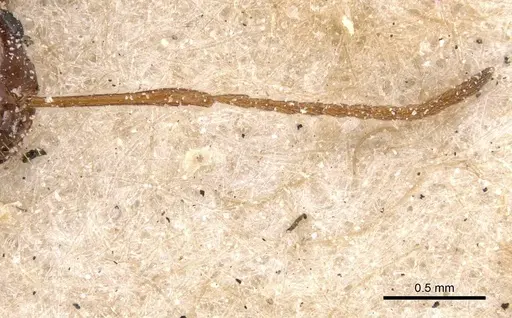
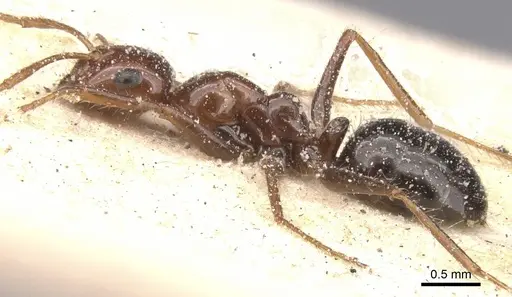
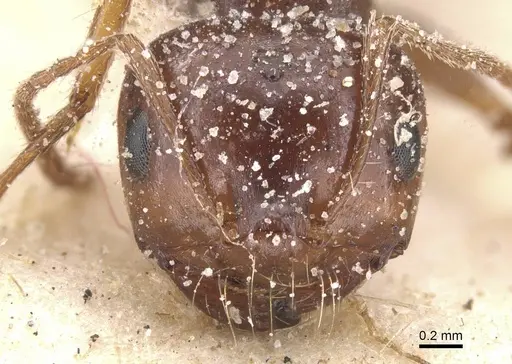
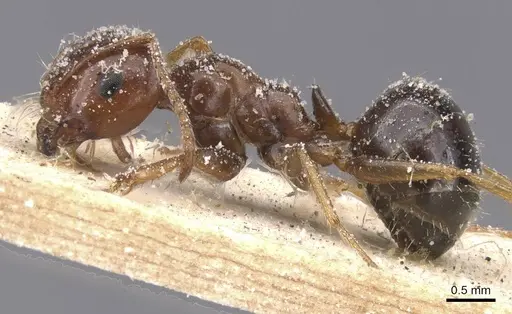
Melophorus turneri is a small to medium-sized ant native to Australia, ranging from Cape York in Queensland to southern Victoria. Workers measure 0.58-1.54mm in head width, with major workers being significantly larger than minors. The species is extremely variable in appearance, color ranges from pale yellowish-brown or red to almost black, and many populations have a distinctive coppery iridescence. Some populations display the spectacular 'pillipes' condition, featuring whorls of fine erect hairs on their legs and antennae. This ant is one of the most common ants in temperate Australia, found in almost every habitat from mallee scrub to sandy paddocks, and even mangroves [1][2].
This species is an adaptable generalist that forages actively during warm months, primarily in the afternoon when temperatures peak. It has a varied diet including seeds, plant material, and small invertebrates. Colonies are relatively small, averaging around 230 workers, and they nest in vertical tunnels with side galleries in sandy or laterite soils [3]. The combination of their heat tolerance, variable appearance, and generalist habits makes them a fascinating species for antkeepers interested in Australian natives.
Quick Summary
- Difficulty: Easy
- Origin & Habitat: Native to temperate Australia, from Cape York (QLD) to southern Victoria. Found in diverse habitats including mallee scrub, sandy paddocks, urban areas, and even mangroves. Prefers sites with low ground cover and minimal shade [1][3][2].
- Colony Type: Single-queen colonies (monogyne). Colonies average approximately 230 workers, making them a relatively small Melophorus species [3]. Colony structure is simple with one reproductive queen and workers.
- Colony: Monogyne
- Size & Growth:
- Queen: Unconfirmed, queens have been described but specific measurements not provided in available literature [2]
- Worker: Minor workers: 0.58-1.54mm head width, major workers larger with distinct morph [1]
- Colony: Approximately 230 workers per mature colony on average [3]
- Growth: Moderate, seasonal growth tied to warm months (November-February) when foraging activity peaks [3]
- Development: Unconfirmed, no specific development data available for this species (Development likely follows typical Melophorus patterns of several months from egg to worker, with faster development during warm summer months)
- Antkeeping:
- Temperature: This is a warmth-loving species. Keep nest areas at 24-30°C, with a thermal gradient allowing workers to self-regulate. They are highly heat-tolerant and forage actively during the warmest part of the day (early afternoon). In captivity, provide a heating cable on one side of the nest [3].
- Humidity: Low to moderate. This species inhabits arid and semi-arid regions of Australia and prefers dry conditions. Keep nest substrate moderately dry with just slight moisture. Avoid overly damp conditions that can cause mold. A dry outworld with a humid water tube is ideal.
- Diapause: Yes, these ants show complete lack of activity during winter months (roughly May-August in Australia). Keep colonies cool (15-18°C) and reduce feeding during this period. Activity resumes in spring [3].
- Nesting: Natural nests consist of vertical channels with side galleries at intervals. In captivity, they do well in Y-tong nests, acrylic nests, or plaster nests with chambers scaled to their size. Provide a sandy or soil-based substrate in the outworld for them to potentially dig in. They prefer low-shade, open nesting sites [3].
- Behavior: Generally docile and non-aggressive toward keepers. Workers are active foragers, primarily diurnal with peak activity in early afternoon warmth. They are generalist feeders, collecting seeds, plant material, and small invertebrates. Workers can be seen carrying seeds back to the nest, they are significant seed dispersers in their native habitat. Minor workers are smaller and more numerous, major workers have larger heads for seed processing. They are not known to sting and pose no danger to humans. Escape risk is moderate, use standard barrier methods but no special escape prevention required beyond typical measures.
- Common Issues: winter dormancy failure, colonies that are kept too warm year-round may become stressed, provide a cool period, overheating, while heat-tolerant, direct heat sources too close to nests can kill colonies, mold in nest, too much humidity causes fungal growth, keep nesting area dry, small colony size, this species naturally stays around 200-300 workers, beginners may think something is wrong when colonies don't grow massive, seed storage, they collect seeds which can sprout in formicaria, remove uneaten seeds regularly
Housing and Nest Setup
Melophorus turneri does well in standard formicarium setups. Y-tong (acrylic) nests work well because they provide good visibility and allow you to monitor colony health. Plaster nests are also suitable, especially if you want to create a more naturalistic setup with some digging space. The key is providing a temperature gradient, place a heating cable on one side of the nest so workers can regulate their temperature by moving between warm and cool areas. Outworld setup should include a sand or soil layer since these ants naturally nest in sandy soils and may attempt to dig. They prefer low-shade nesting sites, so avoid placing the nest in heavily shaded areas. A water tube for humidity is sufficient, keep the nest itself relatively dry. [3][2]
Feeding and Diet
This is a generalist species with a varied diet. In the wild, their foraging consists of approximately 29% seeds,25% plant fragments, and 46% invertebrates. In captivity, offer a mix of protein and carbohydrate sources. For protein, provide small insects like fruit flies, pinhead crickets, or mealworms. They will also accept seeds, scatter some grass seeds or bird seed in the outworld and watch workers carry them back. For carbohydrates, offer sugar water, honey, or diluted honey water. They are active foragers, so place food in the outworld where you can observe recruitment. Remove uneaten seeds after a few days to prevent mold. They cease foraging during cooler months, so reduce feeding during winter dormancy [3].
Temperature and Seasonal Care
Melophorus turneri is a warmth-loving species native to temperate Australia. Keep nest temperatures between 24-30°C, with a gradient allowing workers to move between warmer and cooler areas. A heating cable placed on one part of the nest works well, just ensure it's not too hot and doesn't dry out the nest too quickly. These ants are highly heat-tolerant and naturally forage during the warmest part of the day (early afternoon).
Seasonally, this species shows dramatic activity patterns. In the wild, they are active from November through May (Australian spring-summer) and show complete lack of activity during winter months (roughly May-August). In captivity, you should simulate this cycle by providing a cooler period during winter, keep them at 15-18°C and reduce feeding. Do not feed during the deepest part of dormancy. Activity will naturally resume in spring as temperatures warm. This seasonal cycling is important for colony health and may trigger reproductive behavior [3].
Behavior and Foraging
Workers are diurnal foragers with peak activity during early afternoon when temperatures are highest. They are generalist feeders and will collect seeds, plant material, and small invertebrates. One of their most interesting behaviors is seed transport, they carry seeds back to the nest and can move 4.6 times as many seeds as some other seed-taking ant species. This makes them important seed dispersers in their native ecosystem.
The colony structure is relatively simple with one queen and workers. Major workers have larger heads and can process harder seeds, while minor workers are more numerous and handle general foraging. The species is not aggressive and poses no threat to keepers. Workers may show minor alarm behaviors if the nest is disturbed, but they do not sting. Colonies coexist well with other ant species in their native range and can even tolerate the presence of invasive species like Pheidole megacephala by foraging during hotter times when those competitors are inactive [3].
Colony Growth and Expectations
Unlike some ant species that can grow to thousands of workers, Melophorus turneri colonies remain relatively modest in size. Wild colonies average approximately 230 workers, with no alates (reproductives) found in most surveyed nests. This means you should not expect massive colony sizes, a healthy colony of 200-400 workers is fully mature.
Growth is seasonal, with most development occurring during warm months (November-February in Australia, roughly June-October in the northern hemisphere if you simulate seasons). During winter dormancy, colony activity slows significantly. First workers (nanitics) will be smaller than mature workers, which is normal. The species is long-lived, queens can live for many years, with workers living several months to over a year depending on their role. Be patient with founding colonies, it may take 6-12 months to see the first workers emerge, depending on temperature and feeding [3].
Frequently Asked Questions
How long does it take for Melophorus turneri to raise first workers?
Exact development time is unconfirmed for this species, but based on typical Melophorus patterns, expect 2-4 months from founding to first workers (nanitics) at warm temperatures (26-28°C). Growth is slower during cooler periods, and winter dormancy will pause development entirely.
What do Melophorus turneri eat?
They are generalist feeders. Offer small insects (fruit flies, pinhead crickets, mealworms) for protein, and seeds plus sugar water or honey for carbohydrates. They will also collect plant material. Remove uneaten seeds to prevent mold.
Do Melophorus turneri need hibernation?
Yes, they require a winter dormancy period. In the wild, they show complete lack of activity during winter months. Keep colonies at 15-18°C and reduce feeding during this period (roughly 3-4 months). This seasonal cycle is important for colony health.
How big do Melophorus turneri colonies get?
Colonies average approximately 230 workers in the wild. This is a relatively small Melophorus species, expect 200-400 workers as a fully mature colony, not thousands.
Can I keep multiple Melophorus turneri queens together?
No, this is a monogyne (single-queen) species. Only keep one queen per colony. Multiple unrelated queens will fight.
What temperature do Melophorus turneri need?
Keep nest areas at 24-30°C with a thermal gradient. They are heat-tolerant and naturally forage during the warmest part of the day. Use a heating cable on one side of the nest to create a gradient.
Are Melophorus turneri good for beginners?
Yes, this is an easy species to keep. They are docile, don't sting, have simple housing needs, and are generalist feeders. The main challenges are providing proper warmth and managing their winter dormancy cycle. Their small colony size also means they are low-maintenance.
When should I move Melophorus turneri to a formicarium?
You can keep them in a test tube for founding. Move to a formicarium (Y-tong or plaster nest) once the colony reaches 30-50 workers and you see workers actively foraging in the tube. The key is ensuring the colony is established before moving.
Why is my Melophorus turneri colony not growing?
Check three things: 1) Temperature, they need 24-30°C for active development, 2) Winter dormancy, if it's winter, growth naturally pauses, 3) Feeding, ensure adequate protein and carbohydrate sources. Also remember this species naturally maxes out around 200-300 workers.
References

This caresheet is licensed under CC BY-SA 4.0 .
ANTWEB1008666
View on AntWeb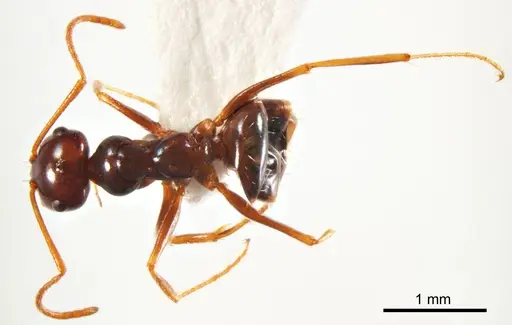
ANTWEB1038560
View on AntWeb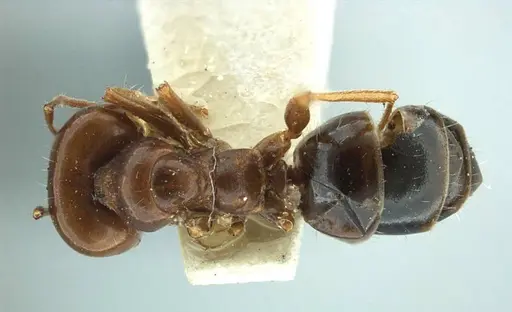
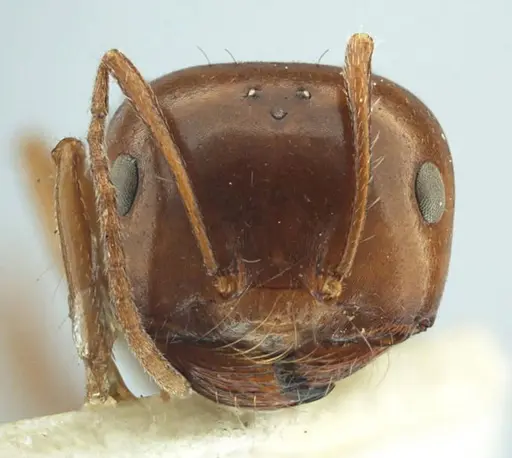
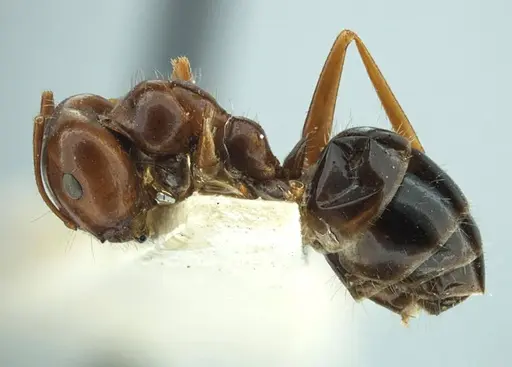
ANTWEB1038564
View on AntWeb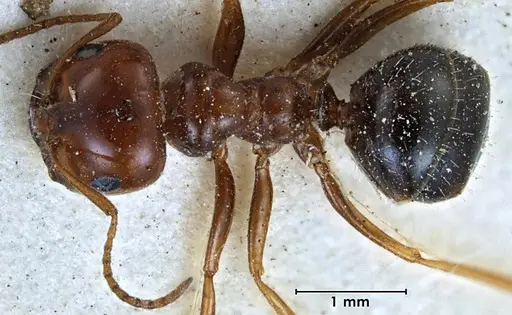
ANTWEB1038565
View on AntWeb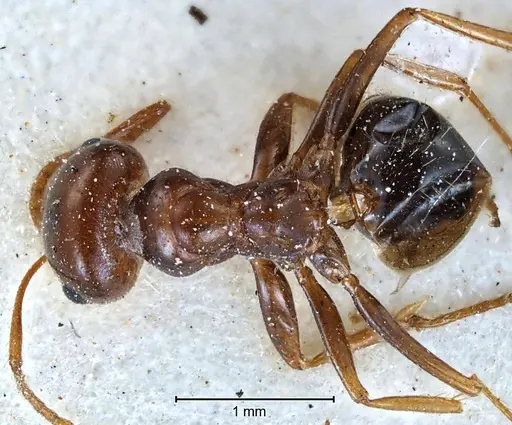
ANTWEB1038577
View on AntWeb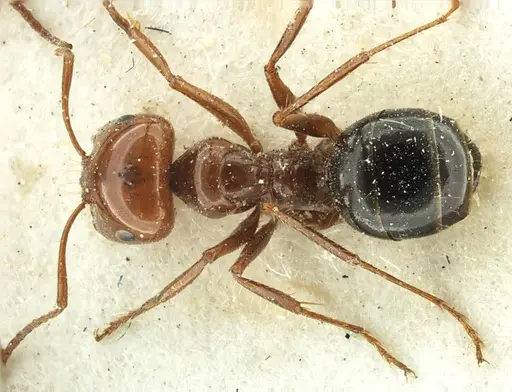
ANTWEB1038578
View on AntWeb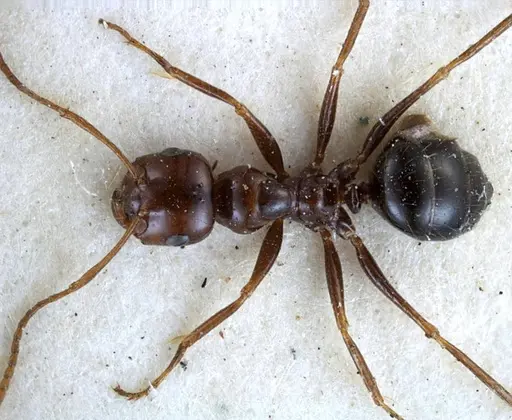
ANTWEB1038579
View on AntWeb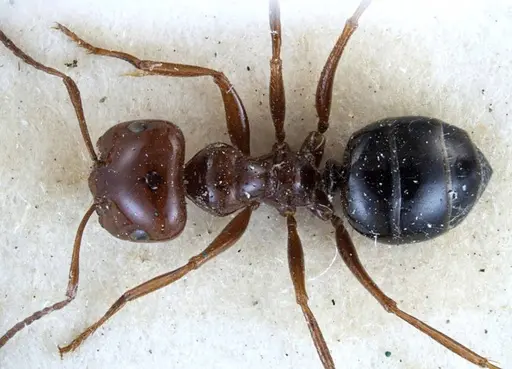
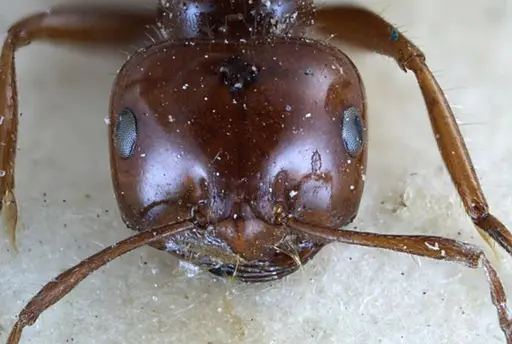
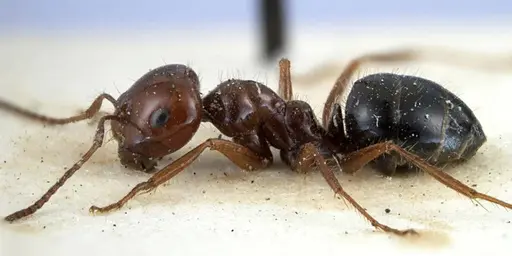
CASENT0172012
View on AntWeb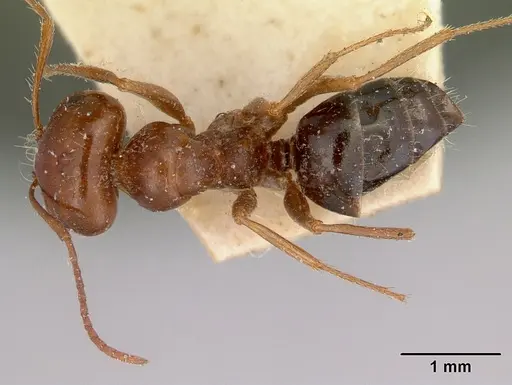
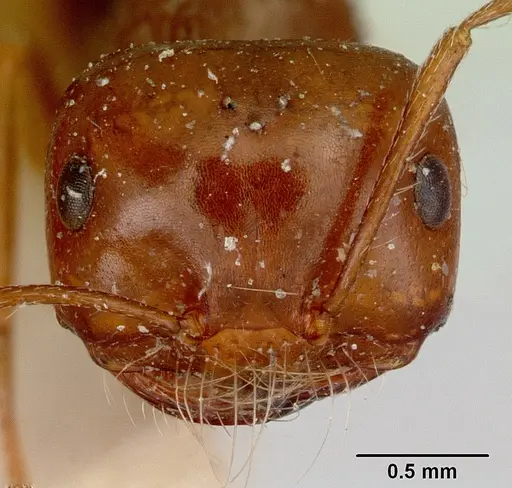
CASENT0217725
View on AntWeb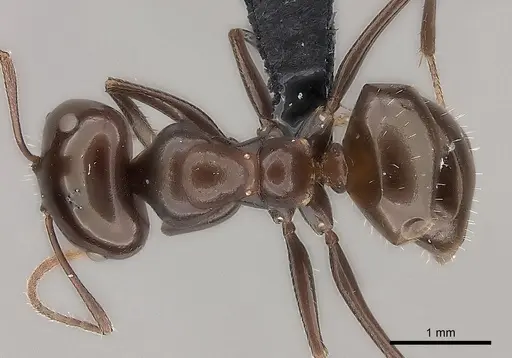
CASENT0280484
View on AntWeb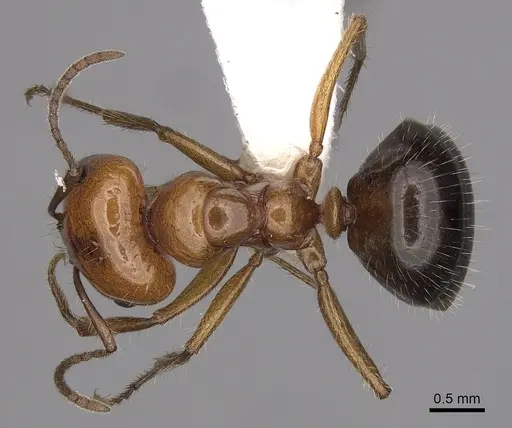
CASENT0280485
View on AntWeb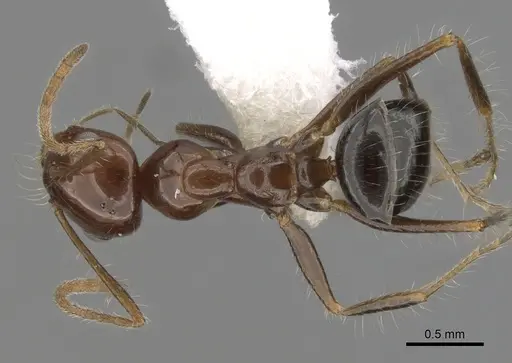
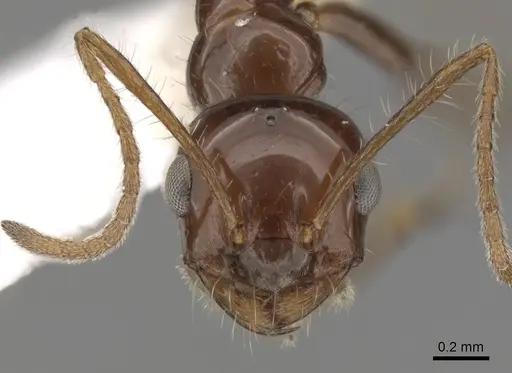
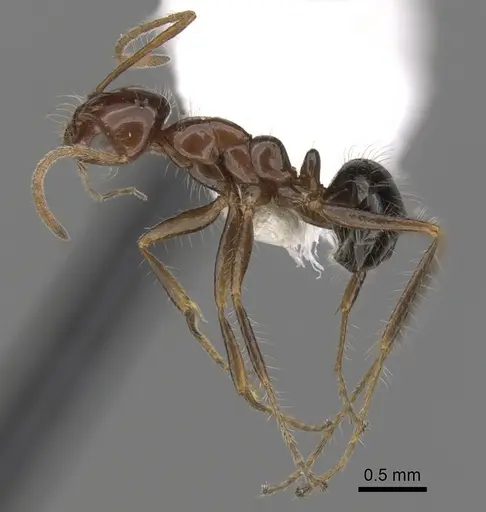
CASENT0906289
View on AntWeb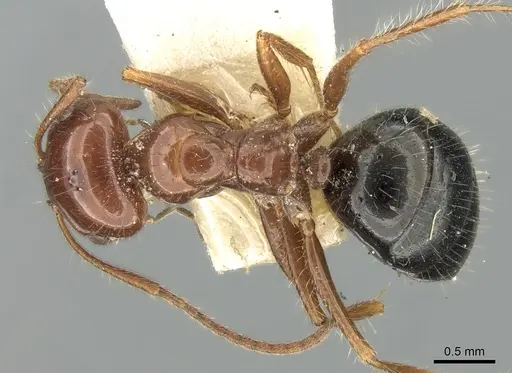
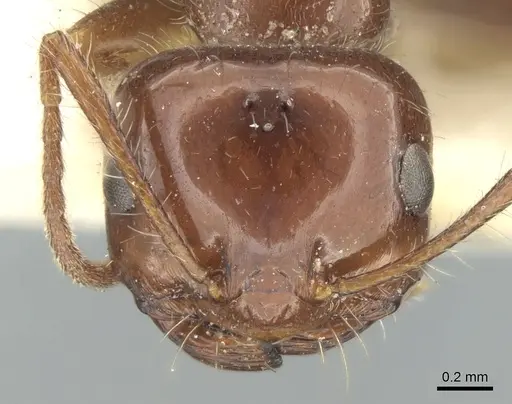
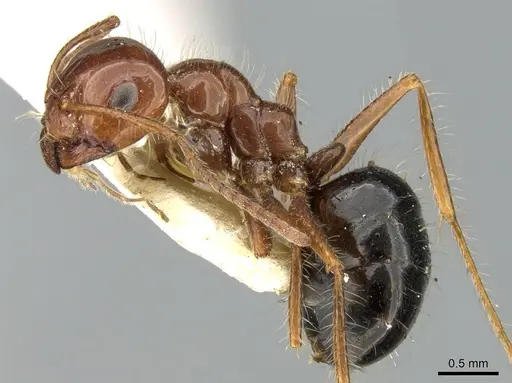
CASENT0906290
View on AntWeb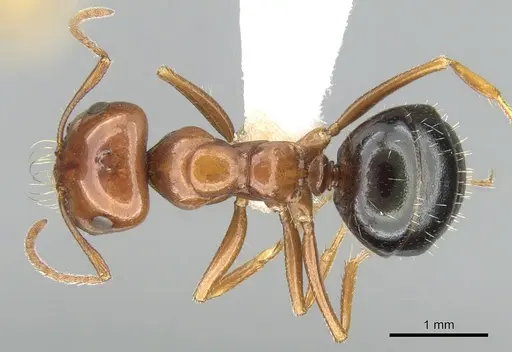
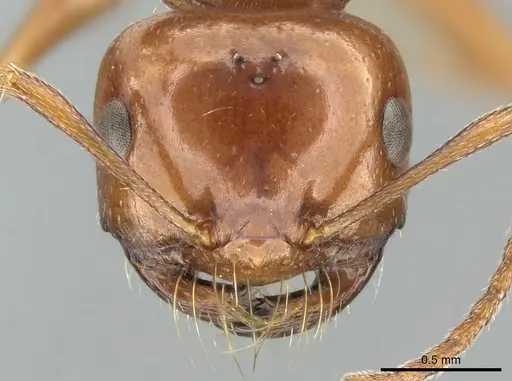
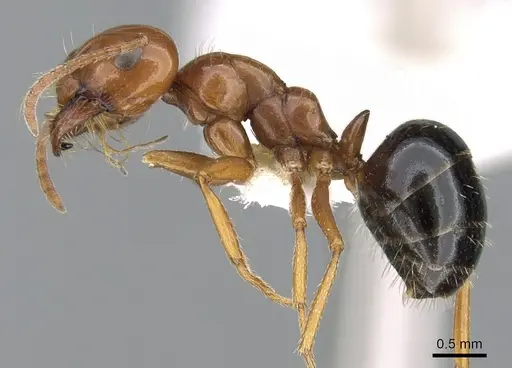
CASENT0909822
View on AntWeb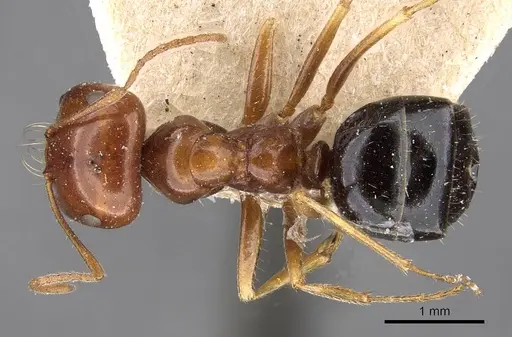
CASENT0909823
View on AntWeb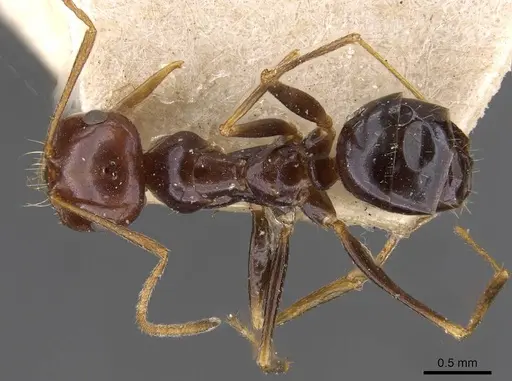
CASENT0909824
View on AntWeb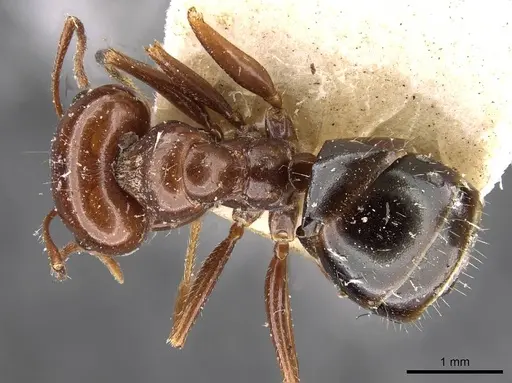
CASENT0909825
View on AntWeb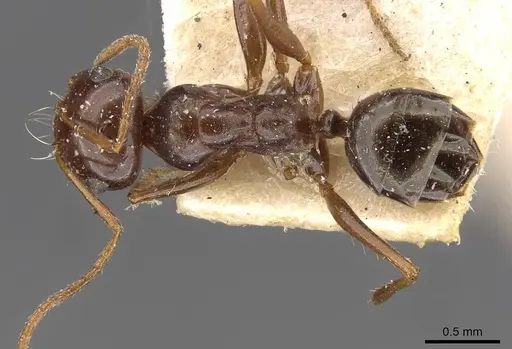
CASENT0912333
View on AntWeb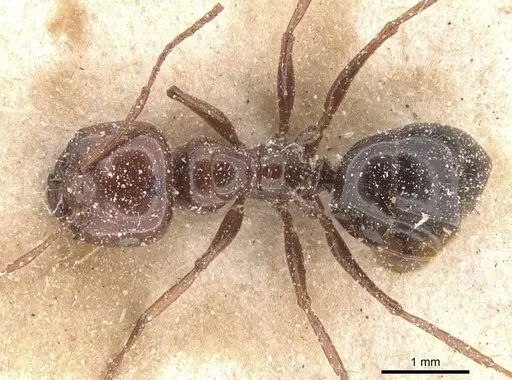
CASENT0912334
View on AntWeb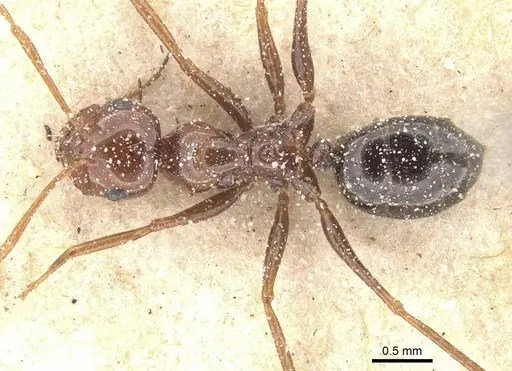
CASENT0912335
View on AntWeb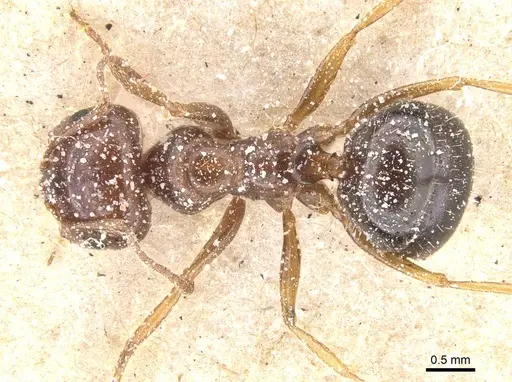
Literature
Loading...Loading products...