

Melophorus translucens
- Scientific Name
- Melophorus translucens
- Tribe
- Melophorini
- Subfamily
- Formicinae
- Author
- Heterick <i>et al.</i>, 2017
- Distribution
- Found in 1 countries
Melophorus translucens Overview
Melophorus translucens is an ant species of the genus Melophorus. It is primarily documented in 1 countries , including Australia. Detailed taxonomic data and occurrence records can be further explored via authoritative databases such as AntWeb or the Global Biodiversity Information Facility (GBIF).
Melophorus translucens
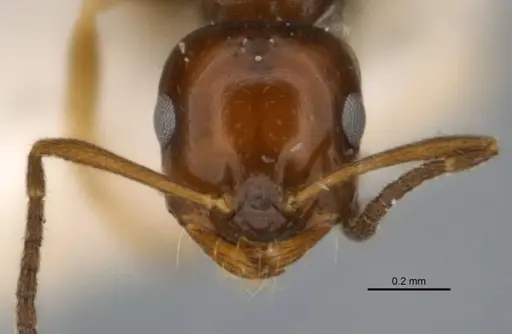
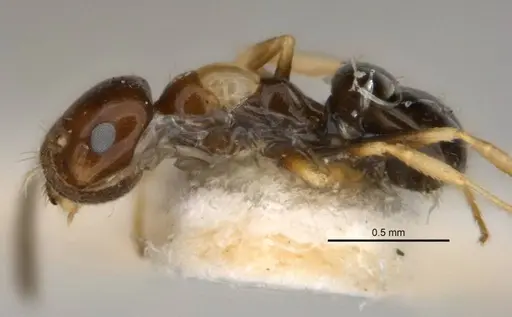
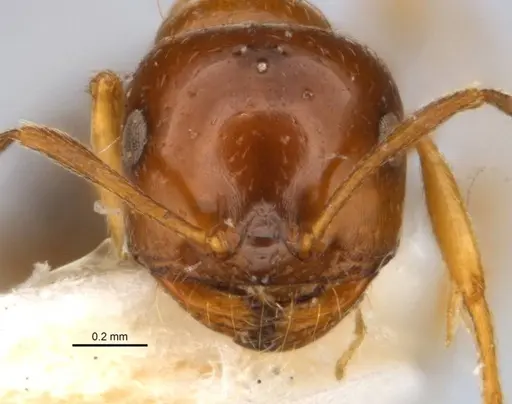
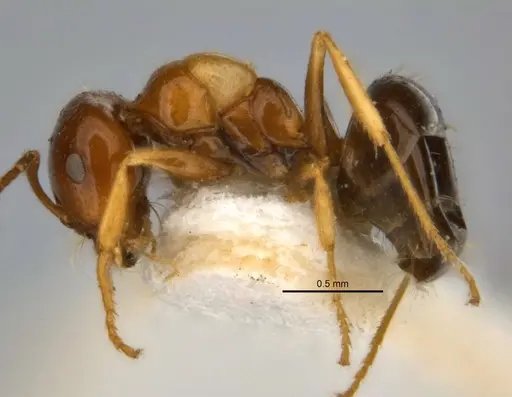
Melophorus translucens is a small to medium-sized ant native to southwest Western Australia. Workers come in two size castes: minor workers measure 0.32-0.77mm head width, while major workers develop larger, square-shaped heads. The ant has a distinctive appearance with orange to brown foreparts, a translucent yellow mesonotum, and dark brown gaster. The species was formally described in 2017 and belongs to the Melophorus ludius species group. These ants nest in white sand-dunes among coastal shrubs near Perth, appearing to be restricted to sandy soils. The species may represent a relictual population given its limited, localized distribution.
Quick Summary
- Difficulty: Unknown, likely Moderate
- Origin & Habitat: Southwest Western Australia, specifically found near Perth in white sand-dunes among low coastal shrubs [1][2]
- Colony Type: Colony structure is unconfirmed. Based on genus patterns, likely single-queen (monogyne) colonies.
- Size & Growth:
- Queen: Undescribed, likely 5-7mm based on genus estimates
- Worker: Minor: 0.32-0.77mm HW, Major: larger with square head [1]
- Colony: Unknown, likely under 500 workers based on related Melophorus species
- Growth: Unknown, estimated Moderate based on genus patterns
- Development: Estimated 6-10 weeks at optimal temperature based on related Melophorus species (Development time is unconfirmed for this species. Estimates based on genus-level patterns for similar small Melophorus ants.)
- Antkeeping:
- Temperature: Keep at 22-26°C. Based on southwest WA climate (Mediterranean), they likely tolerate temperatures from 15-30°C. Provide a gentle heat gradient.
- Humidity: Low to moderate. These ants inhabit dry coastal sand-dunes. Keep nest substrate dry to lightly moist, avoid damp conditions.
- Diapause: Likely yes, southwest WA experiences cool, wet winters. Based on genus patterns, expect a winter rest period around 10-15°C for 2-3 months.
- Nesting: In nature they nest in white sand-dunes among coastal shrubs. In captivity, a dry, sandy substrate works well. Y-tong or plaster nests with dry to slightly moist sand are appropriate. Avoid humid, wet conditions.
- Behavior: Temperament is unconfirmed but Melophorus species are generally not aggressive. Workers are moderate in size with well-developed eyes. They likely forage individually or in small groups. Escape risk is moderate, use standard barrier methods.
- Common Issues: limited information makes care recommendations uncertain, proceed with caution, dry habitat requirements may conflict with keeping other ant species, colony may be sensitive to overwatering or high humidity, wild-caught colonies may be difficult to establish in captivity
Appearance and Identification
Melophorus translucens is a small ant with notable size variation between castes. Minor workers have rectangular heads and measure 0.32-0.77mm in head width, while major workers develop larger, square-shaped heads. The species gets its name 'translucens' (Latin for 'shining through') from its distinctive appearance, the mesonotum appears translucent cream-yellow to yellow, contrasting with the orange to brown head and pronotum, and dark brown gaster. The propodeum (the section behind the mesosoma) is narrow and elongated, descending at about 45 degrees. The species has five mandibular teeth and moderate-sized eyes. This ant can be distinguished from related species by its combination of white sand habitat preference and the translucent quality of the mesonotum. [1][2]
Natural Habitat and Distribution
This species is known only from southwest Western Australia, specifically around the Perth region. Nests have been found in white sand-dunes near Swanbourne Beach and Bold Park, situated among low coastal shrubs. The species appears restricted to white, sandy soils, this habitat specialization may explain its limited known distribution. The southwest WA climate is Mediterranean, with hot, dry summers and cool, wet winters. This suggests the ants are adapted to dry conditions and likely tolerate temperature extremes better than many other ant species. The localized distribution may indicate this is a relictual species that survived in coastal dune habitats while other populations shifted elsewhere. [1][2]
Feeding and Diet
Feeding preferences are unconfirmed for this specific species, but Melophorus ants are typically omnivorous. Based on genus patterns, they likely consume honeydew from sap-sucking insects, nectar from plants, and small insects or arthropods for protein. In captivity, offer a varied diet including sugar water or honey as a constant energy source, and protein sources like small crickets, mealworms, or fruit flies. Given their small size, prey items should be appropriately sized. Avoid overfeeding, remove uneaten prey after 24-48 hours. The dry dune habitat suggests they may be more tolerant of sugar water than species from humid environments.
Temperature and Seasonal Care
Based on the Mediterranean climate of southwest WA, these ants likely prefer warm conditions with a distinct winter rest period. Keep the nest at 22-26°C during the active season, with a slight temperature gradient allowing workers to choose their preferred zone. During winter (roughly June-August in the Southern Hemisphere), reduce temperatures to 10-15°C to simulate their natural seasonal cycle. This winter rest period is likely important for colony health and reproduction. Do not cool suddenly, reduce temperatures gradually over 2-3 weeks. The dry habitat preference means they are likely more tolerant of temperature variation than humidity variation.
Nesting and Setup
In the wild, Melophorus translucens nests in white sand-dunes among coastal shrubs. For captive care, provide a dry to slightly moist sandy substrate. Y-tong nests work well, or a naturalistic setup with dry sand in a formicarium. The key is drainage, avoid setups that retain moisture. The propodeum shape with its elongated spiracle suggests they may be adapted to dry conditions where gas exchange is more challenging. Provide good ventilation while preventing escapes. The small worker size (under 1mm for minors) means standard barrier methods like fluon on test tube rims should work, but check for gaps. [1]
Colony Development
Colony development details are unconfirmed for this species. Based on related Melophorus species in the ludius group, expect moderate growth rates. The first workers (nanitics) will likely emerge 6-10 weeks after the queen lays eggs, assuming optimal temperature around 24-26°C. Colonies likely remain small, probably under several hundred workers based on similar species. Major workers (soldiers) develop as the colony grows, these larger workers have distinctive square heads. The claustral founding type is unconfirmed but likely, as this is common in the genus. The queen probably seals herself in a chamber and survives on stored fat reserves until her first workers emerge.
Frequently Asked Questions
How long does it take for Melophorus translucens to produce first workers?
The exact timeline is unconfirmed, but based on related Melophorus species, expect 6-10 weeks from egg to first worker at optimal temperature (around 24-26°C). This is an estimate, actual times may vary.
What do Melophorus translucens ants eat?
While not directly studied, Melophorus ants are typically omnivorous. Offer sugar water or honey as a constant energy source, and small protein sources like fruit flies, small crickets, or mealworms. Remove uneaten prey after 24-48 hours.
Do Melophorus translucens ants need hibernation?
Based on the Mediterranean climate of southwest WA, yes, they likely benefit from a winter rest period. Reduce temperatures to 10-15°C for 2-3 months during winter (June-August in the Southern Hemisphere).
What humidity level do Melophorus translucens need?
These ants inhabit dry sand-dunes, so keep conditions dry to slightly moist. Avoid humid, damp conditions. The nest substrate should be dry or only lightly moist, think sandy beach, not rainforest.
Are Melophorus translucens good for beginners?
This species is not well-documented in the antkeeping hobby due to its recent description and limited distribution. The care difficulty is uncertain, proceed with caution and monitor colony health closely. If you're experienced with Melophorus or desert-dwelling ants, this could work, but it's not an ideal beginner species.
How big do Melophorus translucens colonies get?
Colony size is unconfirmed, but based on related species in the genus, likely several hundred workers at maturity. They produce major workers (soldiers) with larger, square heads as the colony grows.
What temperature should I keep Melophorus translucens at?
Keep nest temperatures around 22-26°C during the active season. A slight gradient allows workers to self-regulate. During winter, provide a cool period around 10-15°C.
Can I keep multiple Melophorus translucens queens together?
Colony structure is unconfirmed for this species. Based on genus patterns, they likely form single-queen colonies. Combining unrelated queens is not recommended without evidence they can coexist.
What type of nest is best for Melophorus translucens?
Based on their natural nesting in sand-dunes, a dry setup works best. Y-tong nests or naturalistic formicaria with sandy substrate are appropriate. Ensure good ventilation and avoid humid conditions.
References

This caresheet is licensed under CC BY-SA 4.0 .
JDM32-001966-1
View on AntWeb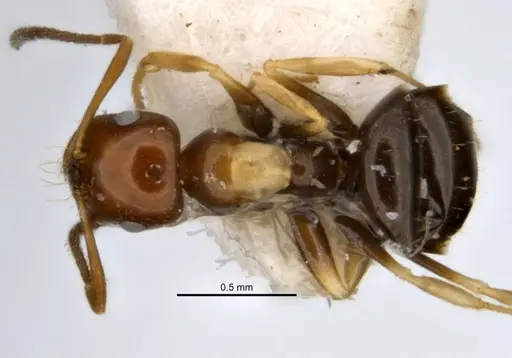
JDM32-001966-2
View on AntWeb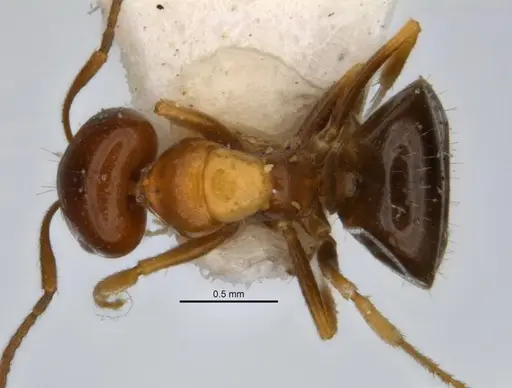
Literature
Loading...Loading products...